Institut des Sciences Exactes et Appliquées (EA 7484), Université de Nouvelle-Calédonie, BP R4, 98851, Nouméa, Nouvelle-Calédonie, France.
Plate-forme d'Analyse Chimique Strasbourg-Illkirch. Université de Strasbourg, F-67400, Illkirch, France.
Sci Rep. 2017 Oct 30;7(1):14306. doi: 10.1038/s41598-017-14487-6.
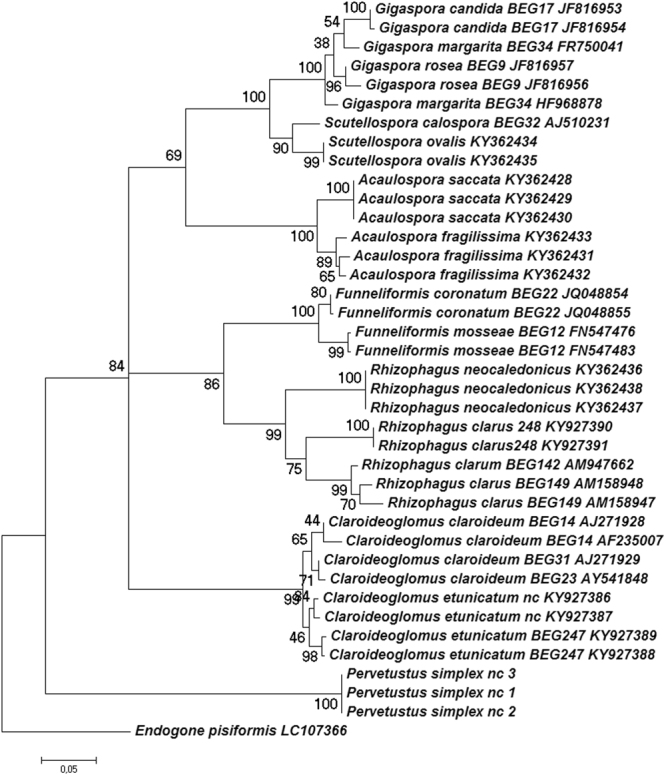
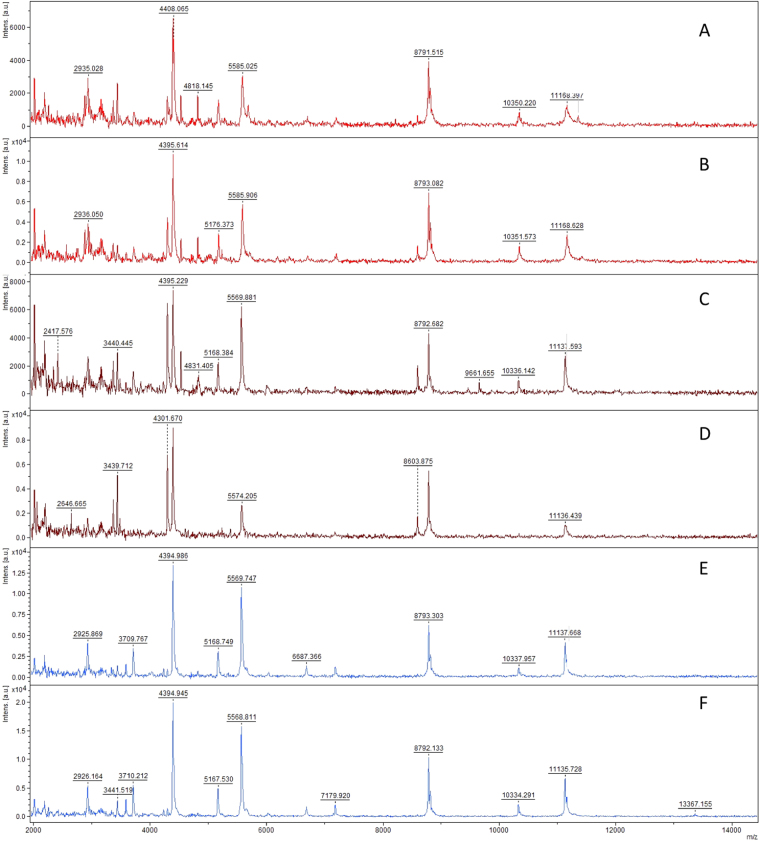
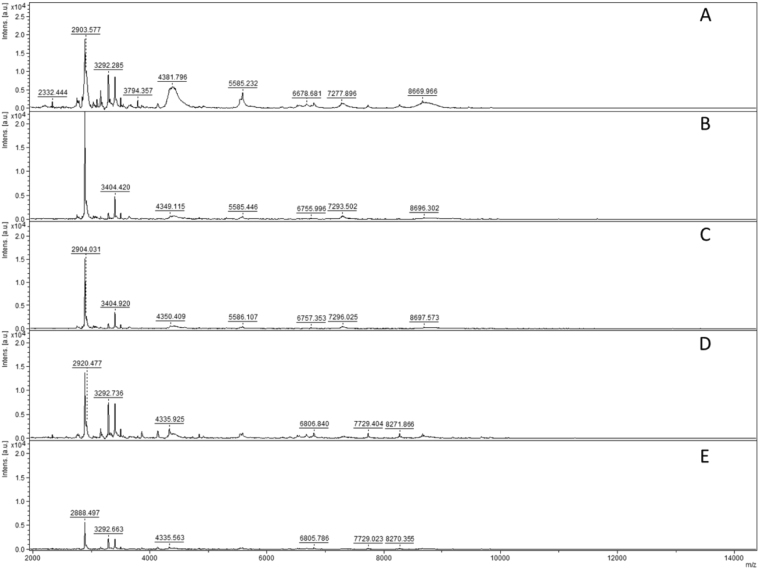
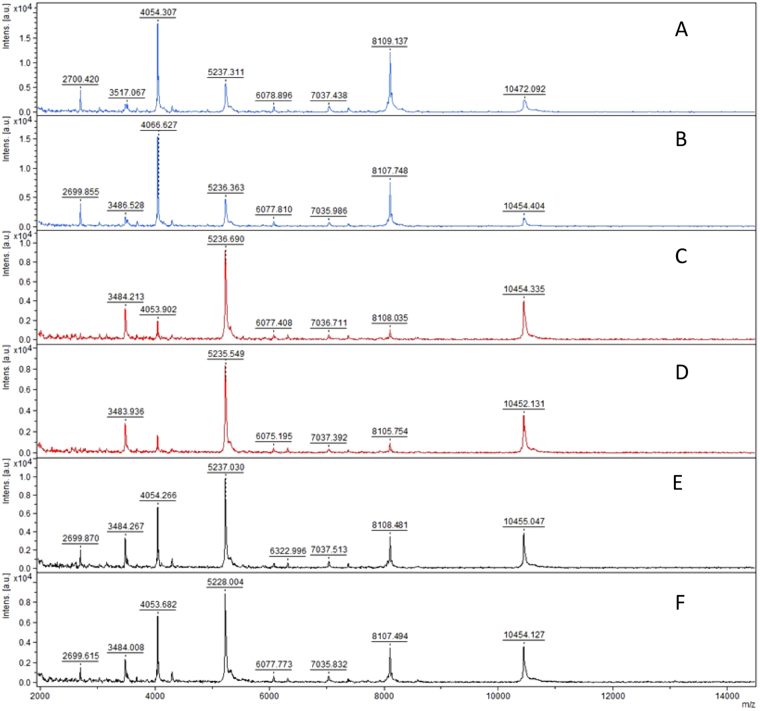
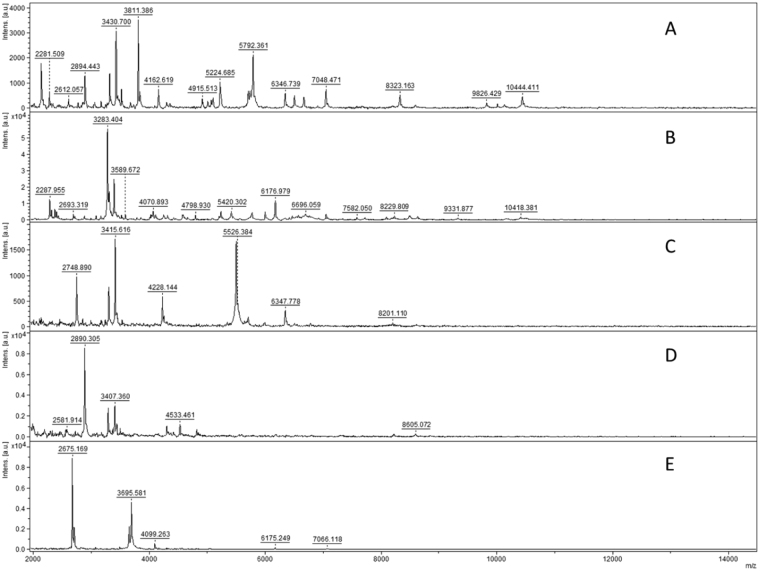
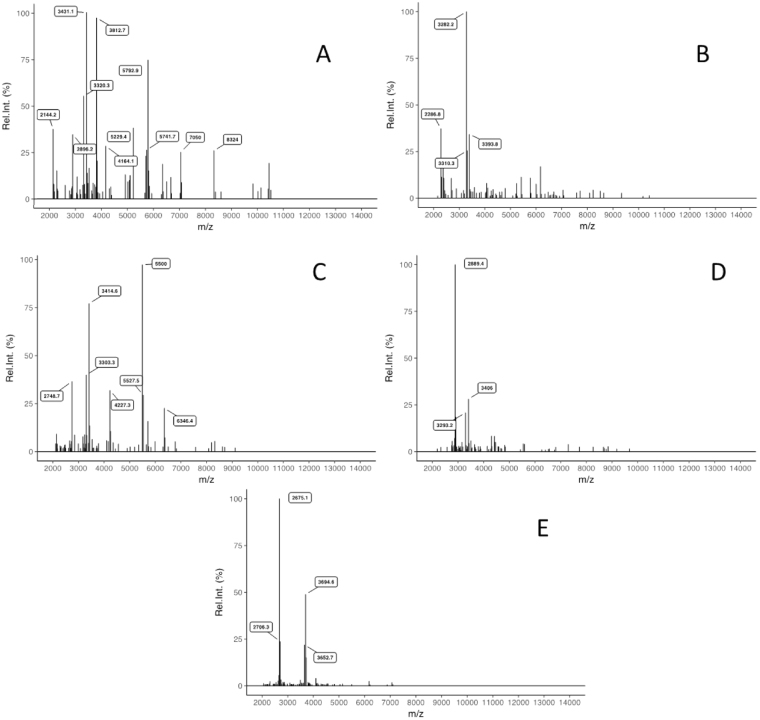
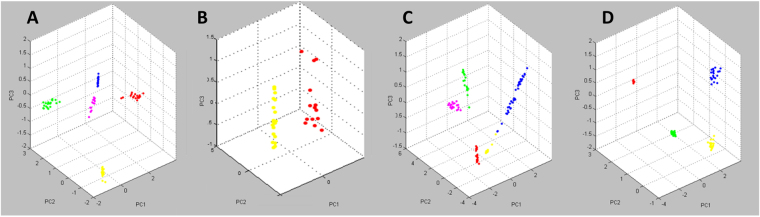
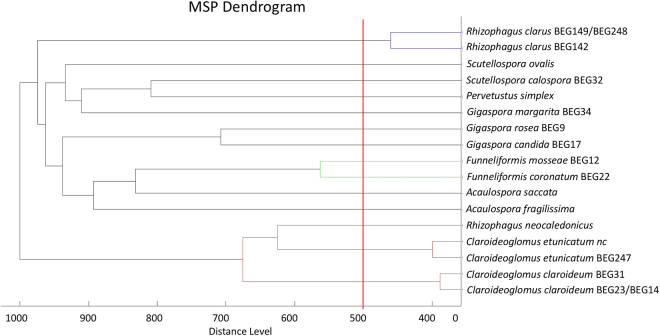
Arbuscular mycorrhizal fungi (AMF, Glomeromycota) are mutualistic symbionts associated with majority of land plants. These fungi play an important role in plant growth, but their taxonomic identification remains a challenge for academic research, culture collections and inoculum producers who need to certify their products. Identification of these fungi was traditionally performed based on their spore morphology. DNA sequence data have successfully been used to study the evolutionary relationships of AMF, develop molecular identification tools and assess their diversity in the environment. However, these methods require considerable expertise and are not well-adapted for "routine" quality control of culture collections and inoculum production. Here, we show that Matrix-Assisted Laser Desorption Ionisation Time of Flight Mass Spectrometry proteomic-based biotyping is a highly efficient approach for AMF identification. Nineteen isolates belonging to fourteen species, seven genera and five families were clearly differentiated by MALDI biotyping at the species level, and intraspecific differentiation was achieved for the majority. AMF identification by MALDI biotyping could be highly useful, not only for research but also in agricultural and environmental applications. Fast, accurate and inexpensive molecular mass determination and the possibility of automation make MALDI-TOF-MS a real alternative to conventional morphological and molecular methods for AMF identification.
丛枝菌根真菌(AMF,球囊霉门)是与大多数陆地植物共生的互惠共生体。这些真菌在植物生长中起着重要作用,但它们的分类鉴定仍然是学术研究、培养物收集和接种剂生产者的挑战,这些生产者需要对其产品进行认证。这些真菌的鉴定传统上是基于其孢子形态学进行的。DNA 序列数据已成功用于研究 AMF 的进化关系、开发分子鉴定工具以及评估其在环境中的多样性。然而,这些方法需要相当的专业知识,并且不太适合培养物收集和接种剂生产的“常规”质量控制。在这里,我们表明,基于基质辅助激光解吸电离飞行时间质谱的蛋白质组生物分型是一种用于 AMF 鉴定的高效方法。19 个属于 14 个种、7 个属和 5 个科的分离株在种水平上通过 MALDI 生物分型清楚地区分,大多数种内也有差异。MALDI 生物分型的 AMF 鉴定不仅在研究中而且在农业和环境应用中都非常有用。快速、准确和廉价的分子量测定以及自动化的可能性使 MALDI-TOF-MS 成为 AMF 鉴定的传统形态学和分子方法的真正替代方法。