Isomerase Therapeutics Ltd., Chesterford Research Park, Cambridge, CB10 1XL, UK.
Biotica Technology Ltd., Chesterford Research Park, Cambridge, CB10 1XL, UK.
Nat Commun. 2017 Oct 31;8(1):1206. doi: 10.1038/s41467-017-01344-3.
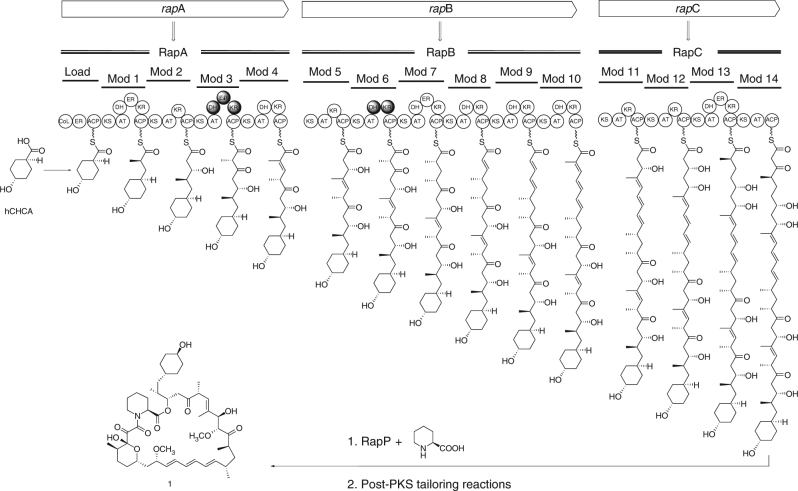
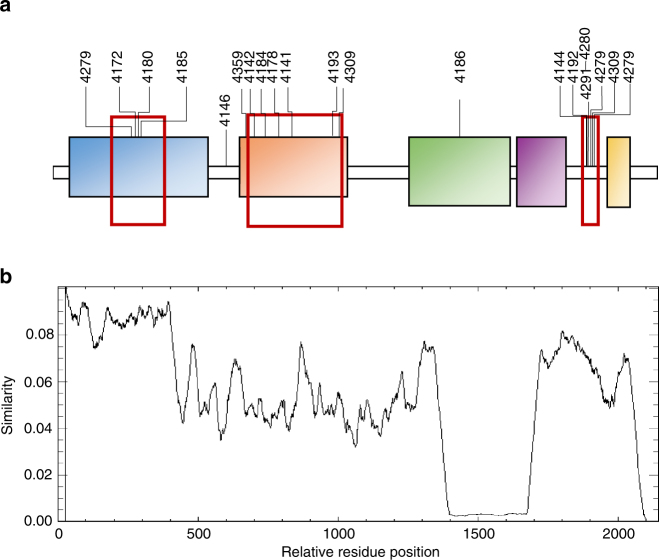
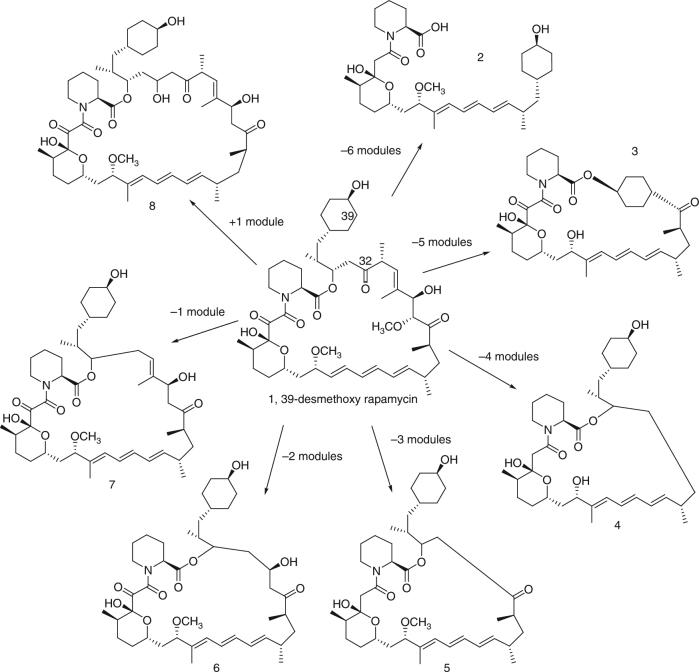
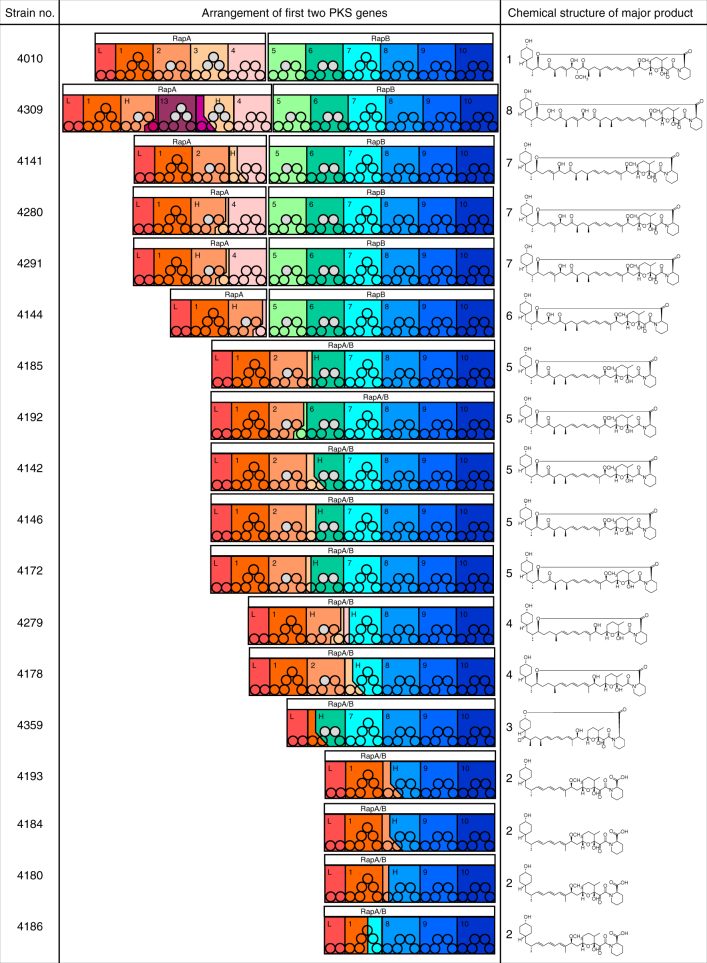
Erythromycin, avermectin and rapamycin are clinically useful polyketide natural products produced on modular polyketide synthase multienzymes by an assembly-line process in which each module of enzymes in turn specifies attachment of a particular chemical unit. Although polyketide synthase encoding genes have been successfully engineered to produce novel analogues, the process can be relatively slow, inefficient, and frequently low-yielding. We now describe a method for rapidly recombining polyketide synthase gene clusters to replace, add or remove modules that, with high frequency, generates diverse and highly productive assembly lines. The method is exemplified in the rapamycin biosynthetic gene cluster where, in a single experiment, multiple strains were isolated producing new members of a rapamycin-related family of polyketides. The process mimics, but significantly accelerates, a plausible mechanism of natural evolution for modular polyketide synthases. Detailed sequence analysis of the recombinant genes provides unique insight into the design principles for constructing useful synthetic assembly-line multienzymes.
红霉素、阿维菌素和雷帕霉素是临床上有用的聚酮天然产物,由模块化聚酮合酶多酶在装配线过程中产生,其中每个酶模块依次指定特定化学单元的附着。尽管已经成功地对聚酮合酶编码基因进行了工程改造以产生新的类似物,但该过程可能相对较慢、效率低且经常产量低。我们现在描述了一种快速重组聚酮合酶基因簇的方法,以替换、添加或去除模块,该方法以高频率产生多样化和高产的装配线。该方法在雷帕霉素生物合成基因簇中得到了例证,在一个单一的实验中,分离出了多个产生雷帕霉素相关聚酮家族新成员的菌株。该过程模拟了模块化聚酮合酶的自然进化的合理机制,但显著加快了这一过程。对重组基因的详细序列分析为构建有用的合成装配线多酶提供了独特的见解。