Harold Simmons Center for Kidney Disease Research and Epidemiology, Division of Nephrology and Hypertension, University of California Irvine Medical Center, Orange, CA, USA.
Department of Medicine, University of California Irvine Health, Orange, CA, USA.
J Cachexia Sarcopenia Muscle. 2018 Apr;9(2):235-245. doi: 10.1002/jcsm.12264. Epub 2017 Nov 2.
Recent data pose the question whether conservative management of chronic kidney disease (CKD) by means of a low-protein diet can be a safe and effective means to avoid or defer transition to dialysis therapy without causing protein-energy wasting or cachexia. We aimed to systematically review and meta-analyse the controlled clinical trials with adequate participants in each trial, providing rigorous contemporary evidence of the impact of a low-protein diet in the management of uraemia and its complications in patients with CKD.
We searched MEDLINE (PubMed) and other sources for controlled trials on CKD to compare clinical management of CKD patients under various levels of dietary protein intake or to compare restricted protein intake with other interventions. Studies with similar patients, interventions, and outcomes were included in the meta-analyses.
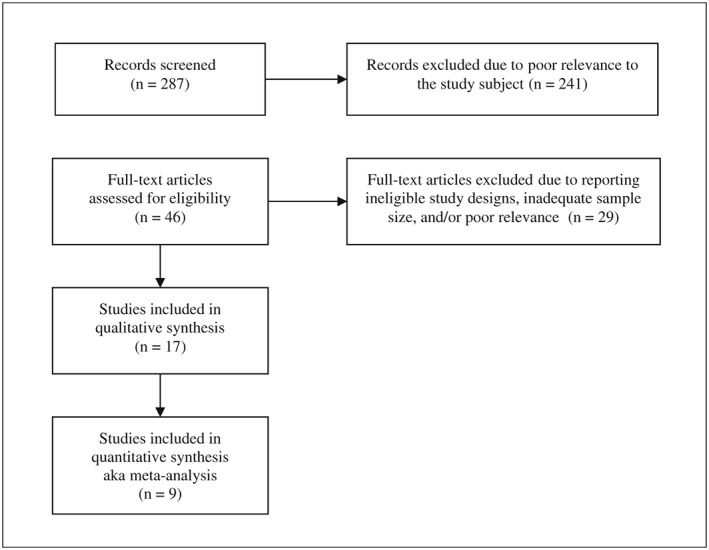
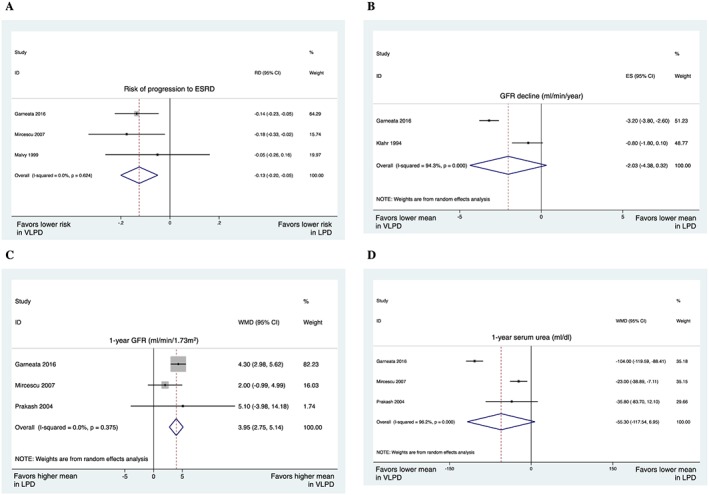
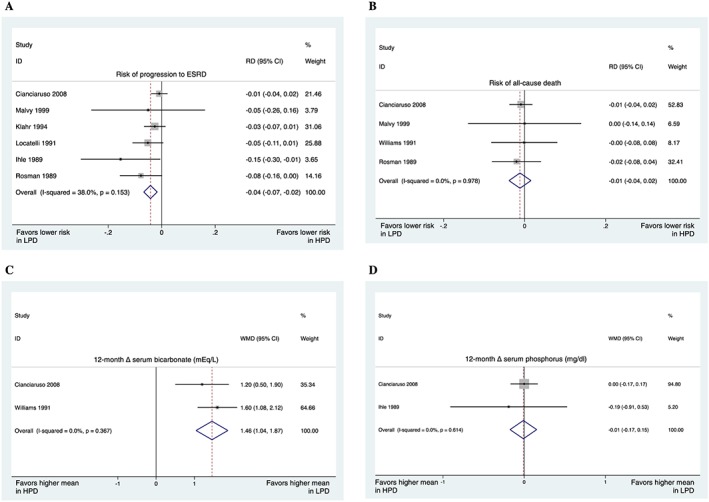
We identified 16 controlled trials of low-protein diet in CKD that met the stringent qualification criteria including having 30 or more participants. Compared with diets with protein intake of >0.8 g/kg/day, diets with restricted protein intake (<0.8 g/kg/day) were associated with higher serum bicarbonate levels, lower phosphorus levels, lower azotemia, lower rates of progression to end-stage renal disease, and a trend towards lower rates of all-cause death. In addition, very-low-protein diets (protein intake <0.4 g/kg/day) were associated with greater preservation of kidney function and reduction in the rate of progression to end-stage renal disease. Safety and adherence to a low-protein diet was not inferior to a normal protein diet, and there was no difference in the rate of malnutrition or protein-energy wasting.
In this pooled analysis of moderate-size controlled trials, a low-protein diet appears to enhance the conservative management of non-dialysis-dependent CKD and may be considered as a potential option for CKD patients who wish to avoid or defer dialysis initiation and to slow down the progression of CKD, while the risk of protein-energy wasting and cachexia remains minimal.
最近的数据提出了这样一个问题,即通过低蛋白饮食来对慢性肾脏病(CKD)进行保守治疗,是否可以成为一种安全有效的方法,避免或推迟透析治疗,而不会导致蛋白质能量消耗或恶病质。我们旨在系统地回顾和荟萃分析有足够参与者的对照临床试验,为低蛋白饮食在管理 CKD 患者的尿毒症及其并发症方面提供严格的当代证据。
我们检索了 MEDLINE(PubMed)和其他来源的 CKD 对照试验,以比较不同蛋白摄入量下的 CKD 患者的临床管理,或比较限制蛋白摄入与其他干预措施。将具有相似患者、干预措施和结局的研究纳入荟萃分析。
我们确定了 16 项符合严格资格标准的 CKD 低蛋白饮食对照试验,这些标准包括有 30 名或更多参与者。与蛋白摄入量>0.8g/kg/天的饮食相比,限制蛋白摄入(<0.8g/kg/天)的饮食与更高的血清碳酸氢盐水平、更低的磷水平、更低的氮血症、更低的终末期肾病进展率以及全因死亡率降低的趋势相关。此外,极低蛋白饮食(蛋白摄入量<0.4g/kg/天)与肾功能更好的保留和终末期肾病进展率的降低有关。低蛋白饮食的安全性和依从性并不逊于正常蛋白饮食,而且在营养不良或蛋白质能量消耗的发生率方面没有差异。
在这项中等规模对照试验的汇总分析中,低蛋白饮食似乎增强了非透析依赖性 CKD 的保守治疗,并且可以被认为是那些希望避免或推迟开始透析以及减缓 CKD 进展的 CKD 患者的潜在选择,而蛋白质能量消耗和恶病质的风险仍然最小。