1 Department of Neurology, Wan Fang Hospital, Taipei Medical University, and Department of Neurology, School of Medicine, College of Medicine, Taipei Medical University, Taipei, Taiwan.
2 University of California, San Francisco, San Francisco, San Francisco CA, USA.
Cephalalgia. 2018 Aug;38(9):1554-1563. doi: 10.1177/0333102417739304. Epub 2017 Nov 2.
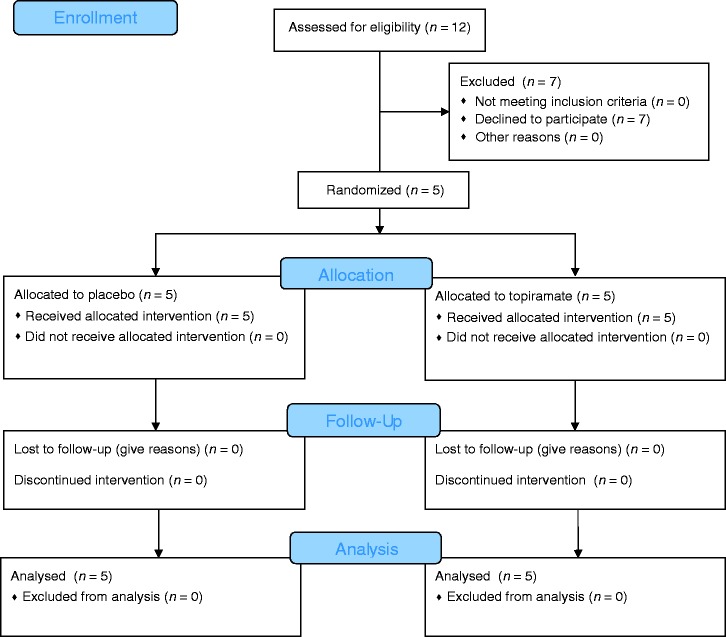
Background Short-lasting unilateral neuralgiform headache attacks with conjunctival injection and tearing (SUNCT) and short-lasting unilateral neuralgiform headache attacks with cranial autonomic symptoms (SUNA) are two rare headache syndromes classified broadly as Trigeminal Autonomic Cephalalgias (TACs). Methods Here, 65 SUNCT (37 males) and 37 SUNA (18 males) patients were studied to describe their clinical manifestations and responses to treatment. Results Pain was almost always unilateral and side-locked. There were three types of attack: Single stabs, stab groups, and a saw-tooth pattern, with some patients experiencing a mixture of two types. As to cranial autonomic symptoms, SUNA patients mainly had lacrimation (41%) and ptosis (40%). Most cases of the two syndromes had attack triggers, and the most common triggers were touching, chewing, or eating for SUNCT, and chewing/eating and touching for SUNA. More than half of each group had a personal or family history of migraine that resulted in more likely photophobia, phonophobia and persistent pain between attacks. For short-term prevention, both syndromes were highly responsive to intravenous lidocaine by infusion; for long-term prevention, lamotrigine and topiramate were effective for SUNCT, and lamotrigine and gabapentin were efficacious in preventing SUNA attacks. A randomized placebo-controlled cross-over trial of topiramate in SUNCT using an N-of-1 design demonstrated it to be an effective treatment in line with clinical experience. Conclusions SUNCT and SUNA are rare primary headache disorders that are distinct and very often tractable to medical therapy.
背景 短暂单侧丛集性头痛伴结膜充血和流泪(SUNCT)和短暂单侧丛集性头痛伴颅自主神经症状(SUNA)是两种罕见的头痛综合征,广泛归类为三叉神经自主神经性头痛(TACs)。
方法 在这里,研究了 65 例 SUNCT(37 例男性)和 37 例 SUNA(18 例男性)患者,以描述其临床表现和治疗反应。
结果 疼痛几乎总是单侧和单侧锁定。有三种类型的发作:单次刺痛、刺痛群和锯齿状模式,有些患者经历两种类型的混合。至于颅自主神经症状,SUNA 患者主要有流泪(41%)和眼睑下垂(40%)。两种综合征的大多数病例都有发作诱因,最常见的诱因是 SUNCT 的触摸、咀嚼或进食,SUNA 的咀嚼/进食和触摸。每组超过一半的人都有偏头痛的个人或家族史,导致更可能出现畏光、恐声和发作之间持续疼痛。对于短期预防,两种综合征对静脉内利多卡因输注均有高度反应;对于长期预防,拉莫三嗪和托吡酯对 SUNCT 有效,拉莫三嗪和加巴喷丁对预防 SUNA 发作有效。一项使用 N-of-1 设计的托吡酯治疗 SUNCT 的随机安慰剂对照交叉试验表明,它是一种有效的治疗方法,符合临床经验。
结论 SUNCT 和 SUNA 是罕见的原发性头痛疾病,它们具有独特性,并且通常可以通过药物治疗来控制。