Integrative Biology and Physiology, University of Minnesota, 2231 6th St. SE, Minneapolis, MN, 55455, USA.
GRECC, Minneapolis VA Health Care System, GRECC, One Veterans Drive, Minneapolis, MN, 55417, USA.
Curr Obes Rep. 2017 Dec;6(4):362-370. doi: 10.1007/s13679-017-0288-1.
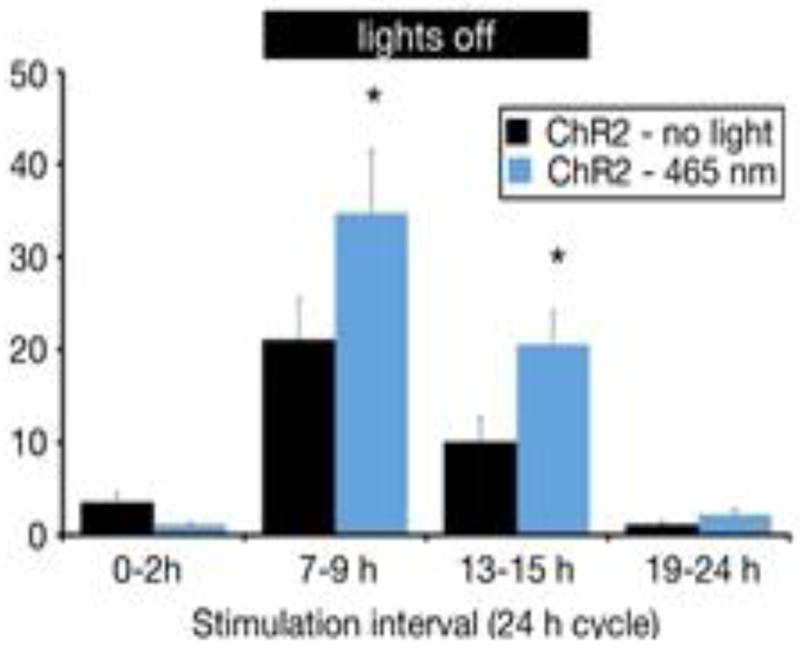
Spontaneous physical activity (SPA) is a physical activity not motivated by a rewarding goal, such as that associated with food-seeking or wheel-running behavior. SPA is often thought of as only "fidgeting," but that is a mischaracterization, since fidgety behavior can be linked to stereotypies in neurodegenerative disease and other movement disorders. Instead, SPA should be thought of as all physical activity behavior that emanates from an unconscious drive for movement.
An example of this may be restless behavior, which can include fidgeting and gesticulating, frequent sit-to-stand movement, and more time spent standing and moving. All physical activity burns calories, and as such, SPA could be manipulated as a means to burn calories, and defend against weight gain and reduce excess adiposity. In this review, we discuss human and animal literature on the use of SPA in reducing weight gain, the neuromodulators that could be targeted to this end, and future directions in this field.
自发性身体活动(SPA)是一种没有奖励目标驱动的身体活动,例如与觅食或轮跑行为相关的活动。SPA 通常被认为只是“坐立不安”,但这是一种误解,因为坐立不安的行为可能与神经退行性疾病和其他运动障碍中的刻板行为有关。相反,SPA 应该被视为所有源自无意识运动驱动力的身体活动行为。
这种行为的一个例子可能是不安分的行为,包括坐立不安、手势动作、频繁的坐站运动以及更多的站立和移动时间。所有的身体活动都会消耗卡路里,因此,SPA 可以被操纵作为消耗卡路里的一种方式,以防止体重增加和减少多余的脂肪。在这篇综述中,我们讨论了人类和动物文献中关于 SPA 用于减少体重增加的研究,以及为此目的可以靶向的神经调节剂,以及该领域的未来方向。