Ludwig Centre for Cancer Research, Department of Fundamental Oncology, University of Lausanne, Epalinges, Switzerland.
Swiss Institute of Bioinformatics, Lausanne, Switzerland.
Elife. 2017 Nov 13;6:e26476. doi: 10.7554/eLife.26476.
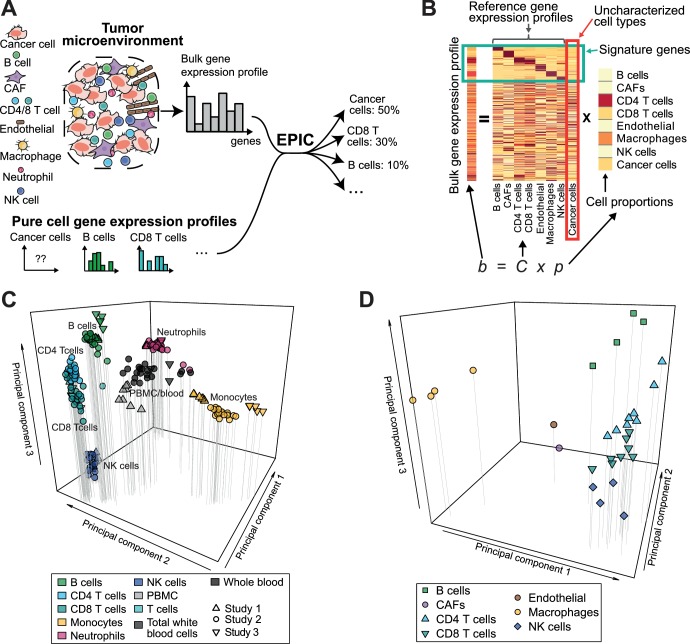
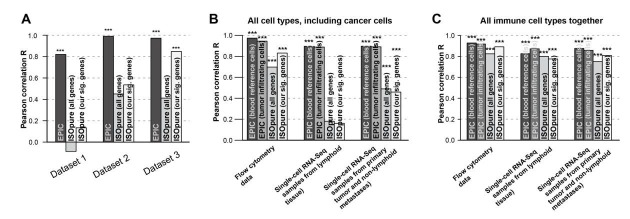
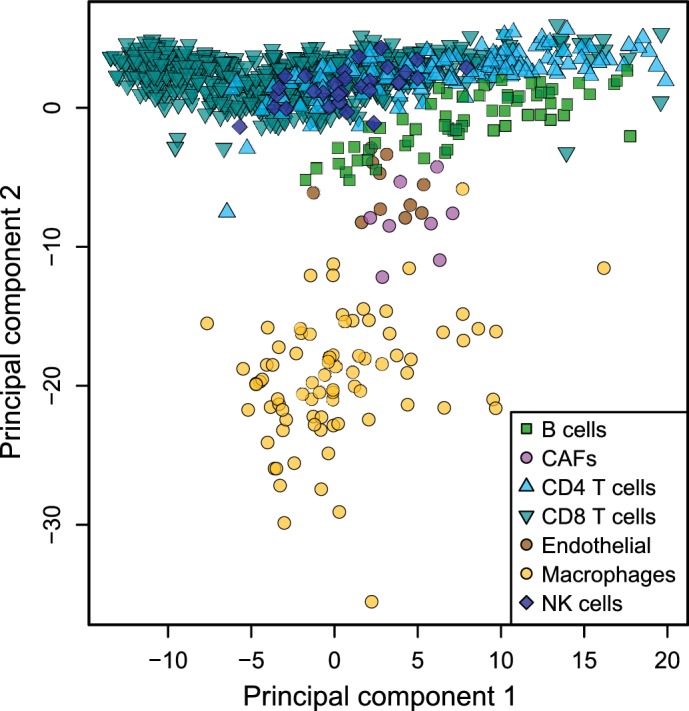
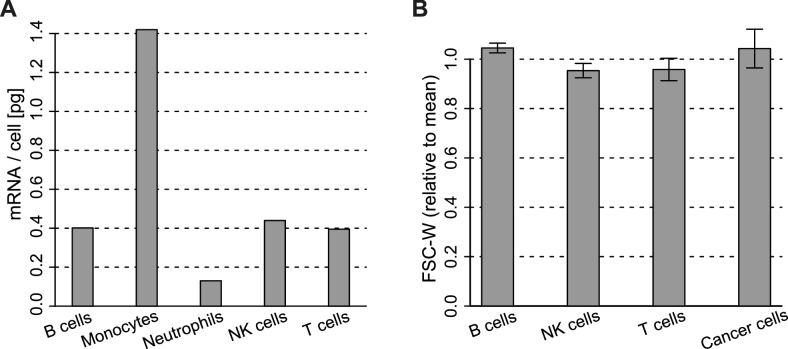
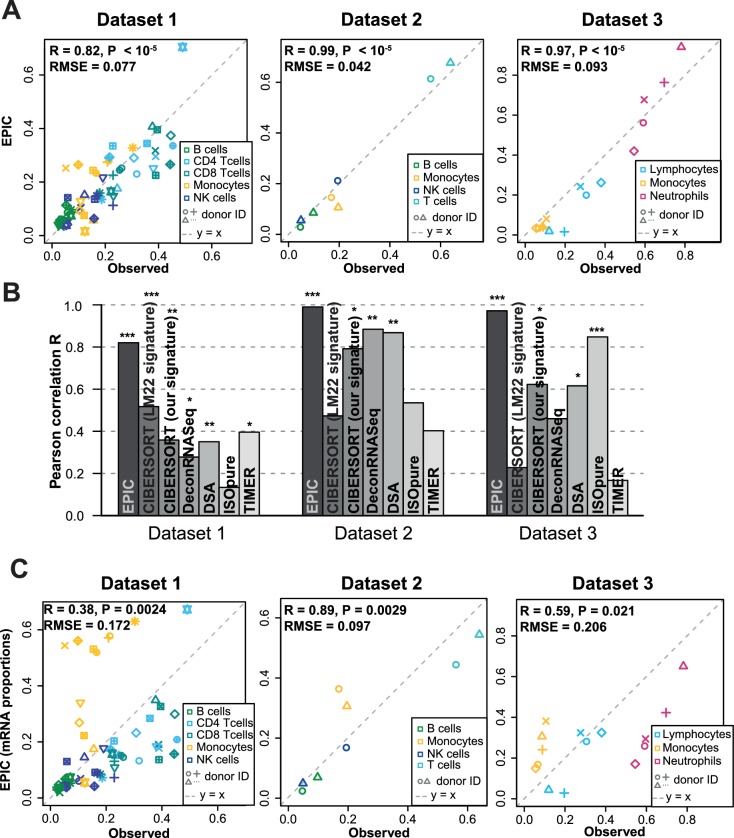
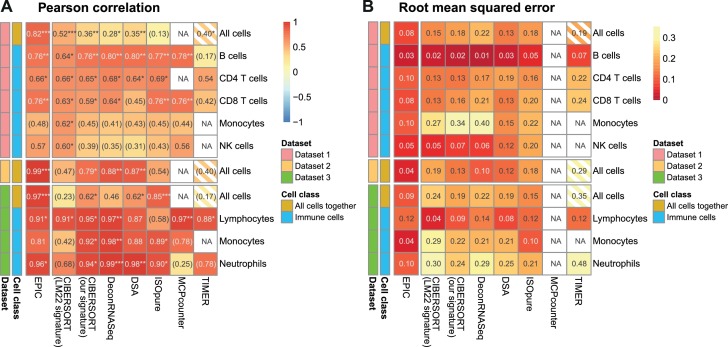
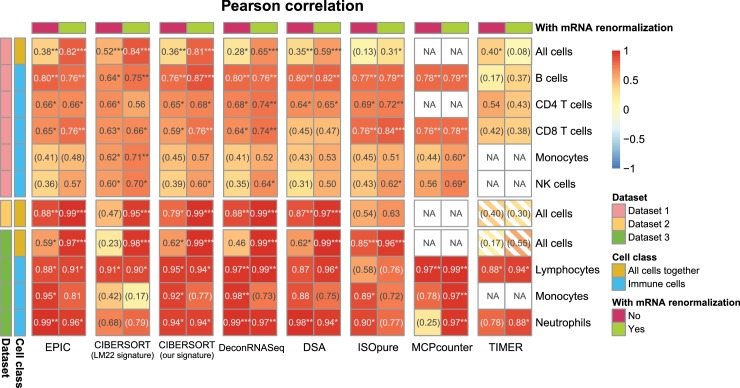
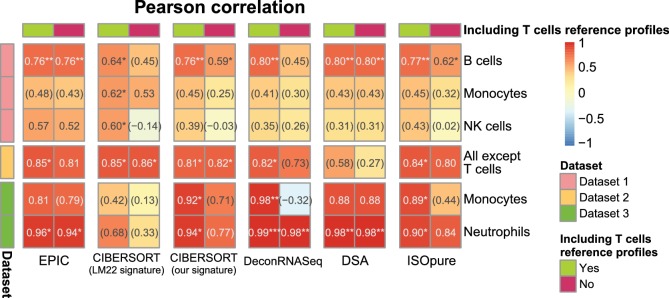
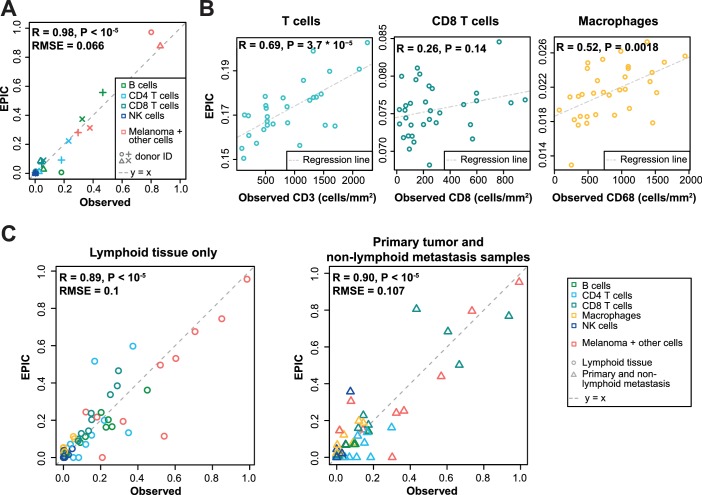
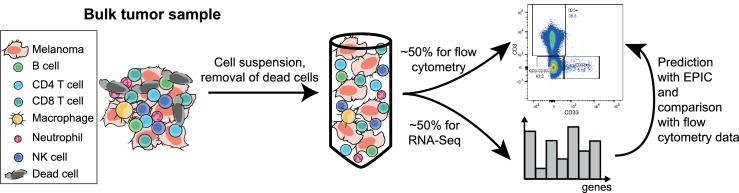
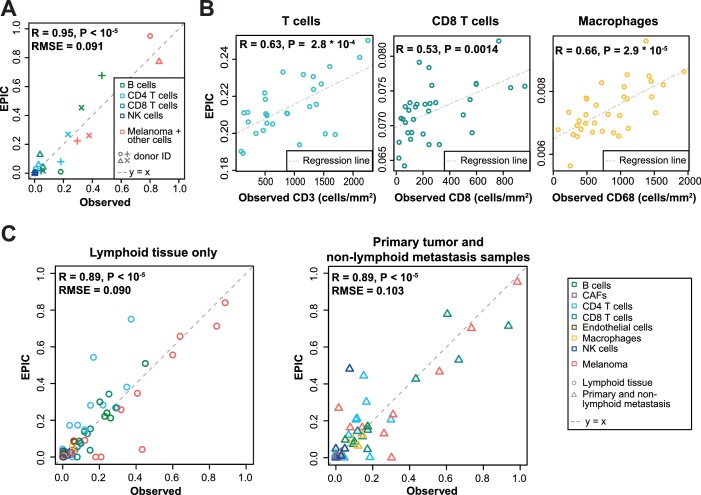
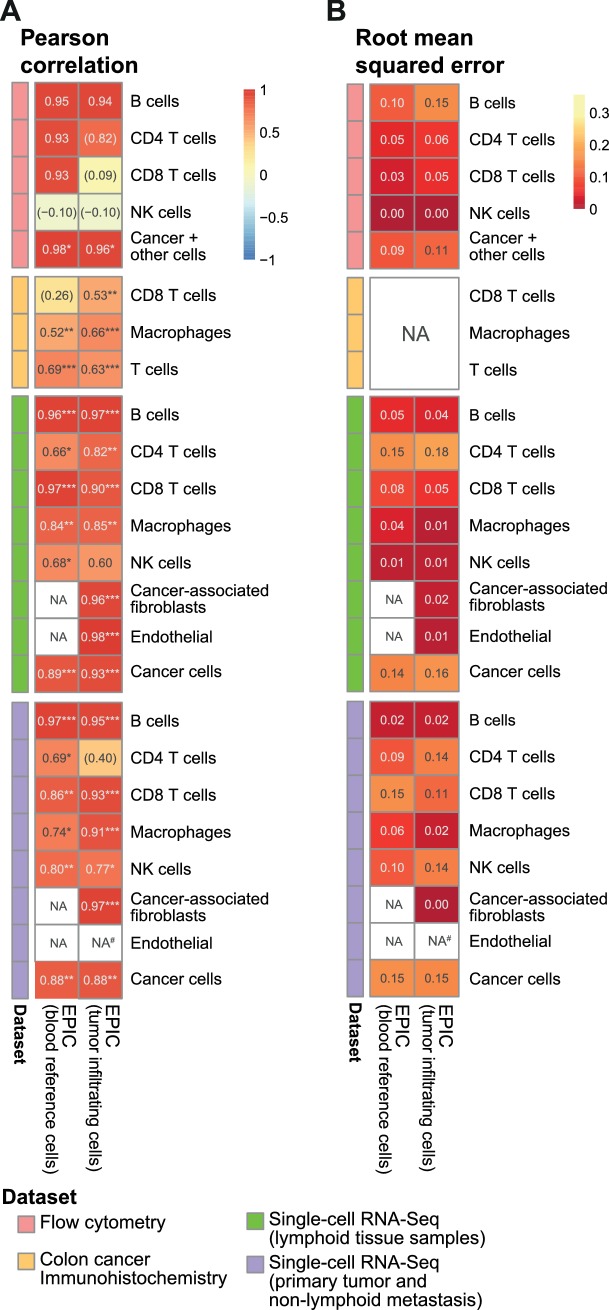
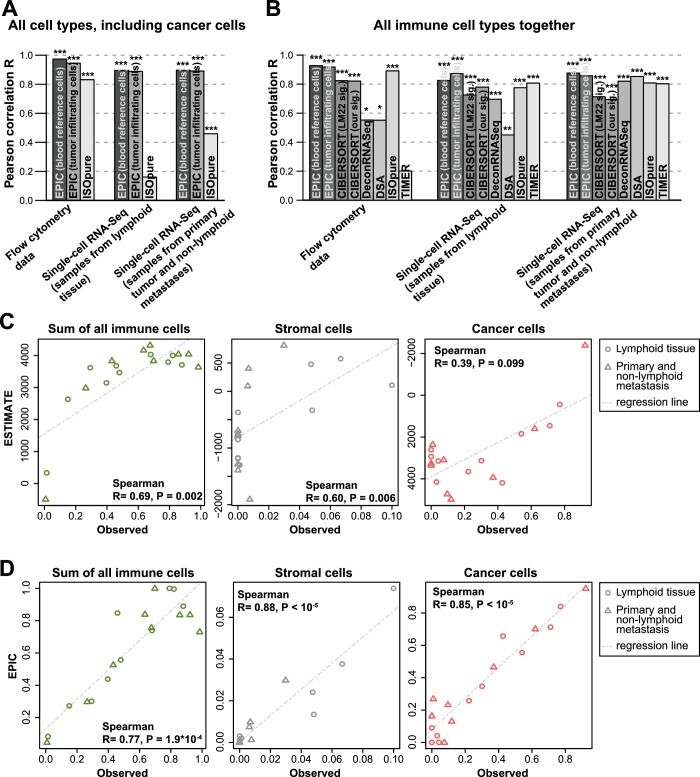
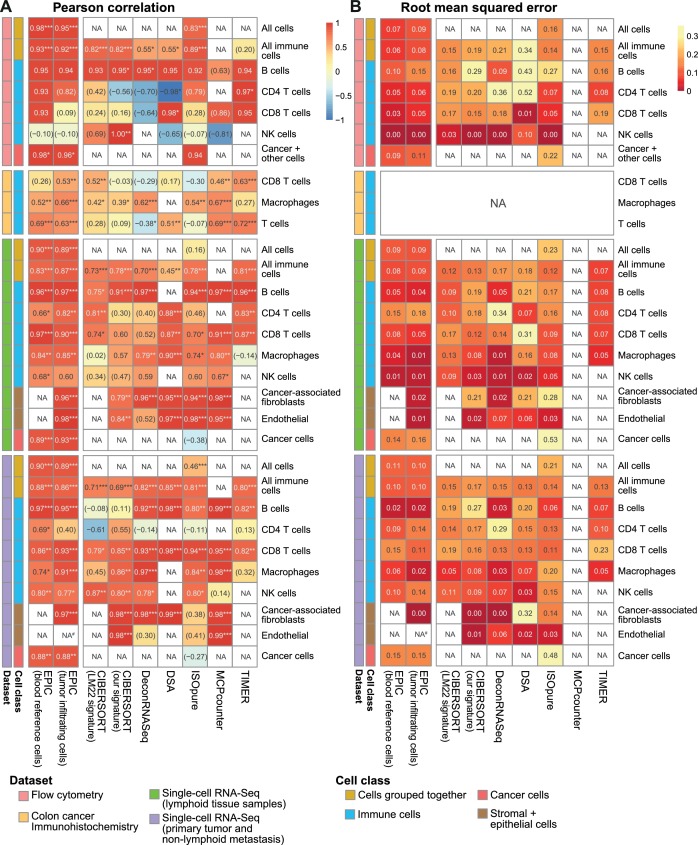
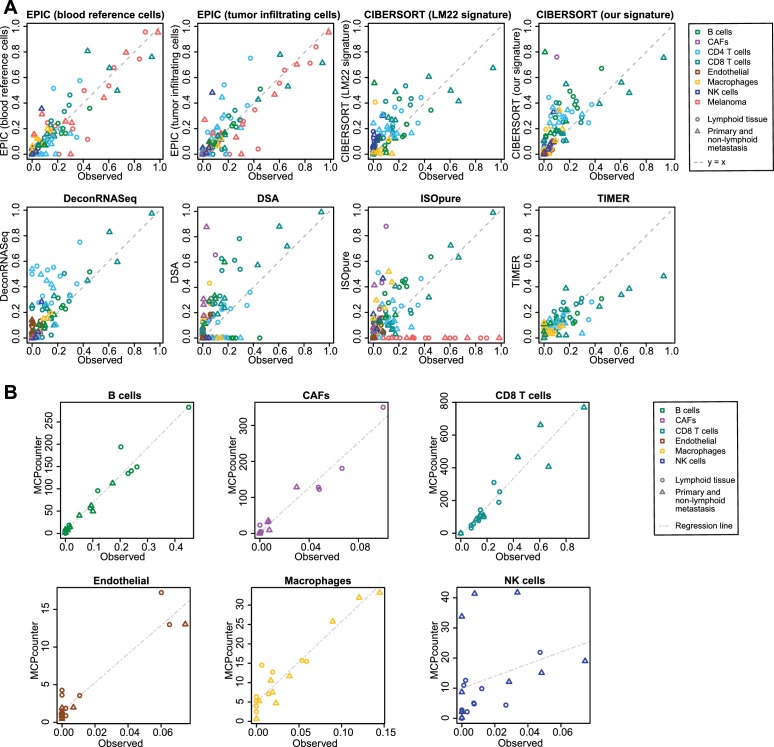
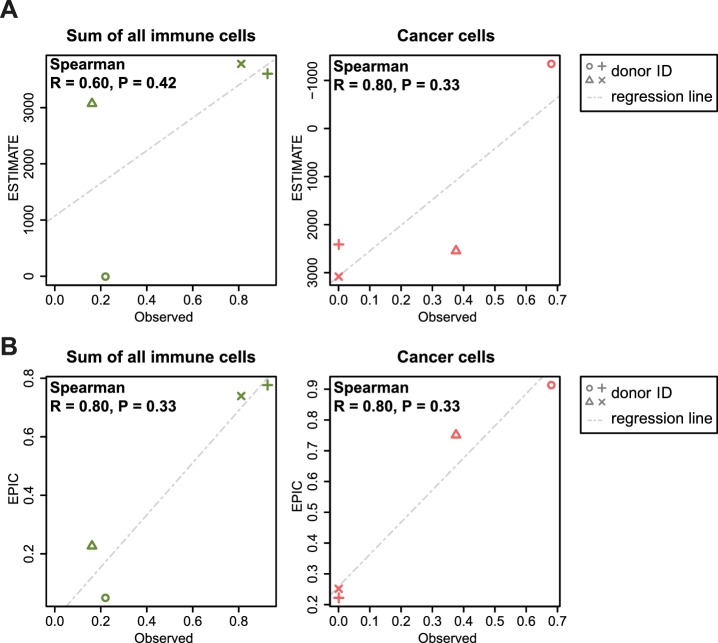
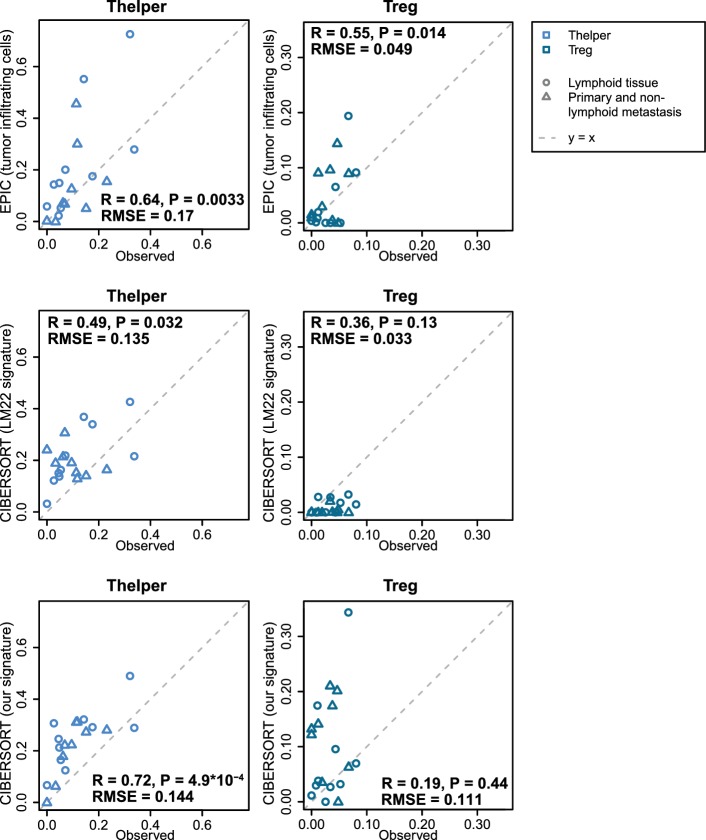
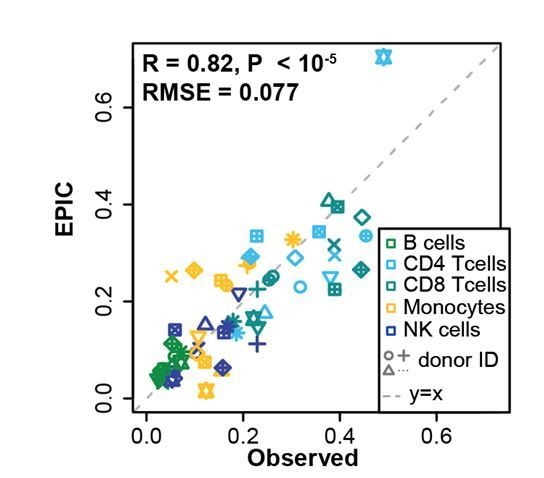
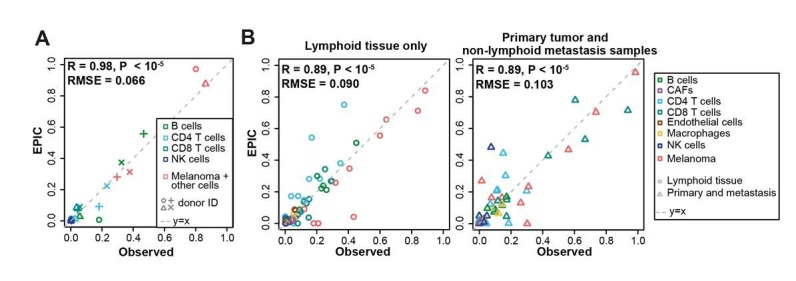
Immune cells infiltrating tumors can have important impact on tumor progression and response to therapy. We present an efficient algorithm to simultaneously estimate the fraction of cancer and immune cell types from bulk tumor gene expression data. Our method integrates novel gene expression profiles from each major non-malignant cell type found in tumors, renormalization based on cell-type-specific mRNA content, and the ability to consider uncharacterized and possibly highly variable cell types. Feasibility is demonstrated by validation with flow cytometry, immunohistochemistry and single-cell RNA-Seq analyses of human melanoma and colorectal tumor specimens. Altogether, our work not only improves accuracy but also broadens the scope of absolute cell fraction predictions from tumor gene expression data, and provides a unique novel experimental benchmark for immunogenomics analyses in cancer research (http://epic.gfellerlab.org).
浸润肿瘤的免疫细胞对肿瘤的进展和对治疗的反应有重要影响。我们提出了一种有效的算法,可以从肿瘤的批量基因表达数据中同时估计癌症和免疫细胞类型的分数。我们的方法整合了肿瘤中每种主要非恶性细胞类型的新型基因表达谱,基于细胞类型特异性 mRNA 含量的重新归一化,以及考虑未表征和可能高度可变细胞类型的能力。通过对人类黑色素瘤和结直肠肿瘤标本的流式细胞术、免疫组织化学和单细胞 RNA-Seq 分析进行验证,证明了其可行性。总之,我们的工作不仅提高了准确性,而且拓宽了从肿瘤基因表达数据预测绝对细胞分数的范围,并为癌症研究中的免疫基因组学分析提供了独特的新实验基准(http://epic.gfellerlab.org)。