Department of Diabetes Complications and Metabolism, Diabetes and Metabolism Research Institute, City of Hope, Duarte, CA.
Department of Diabetes Complications and Metabolism, Diabetes and Metabolism Research Institute, City of Hope, Duarte, CA
Proc Natl Acad Sci U S A. 2017 Nov 28;114(48):E10359-E10368. doi: 10.1073/pnas.1620425114. Epub 2017 Nov 13.
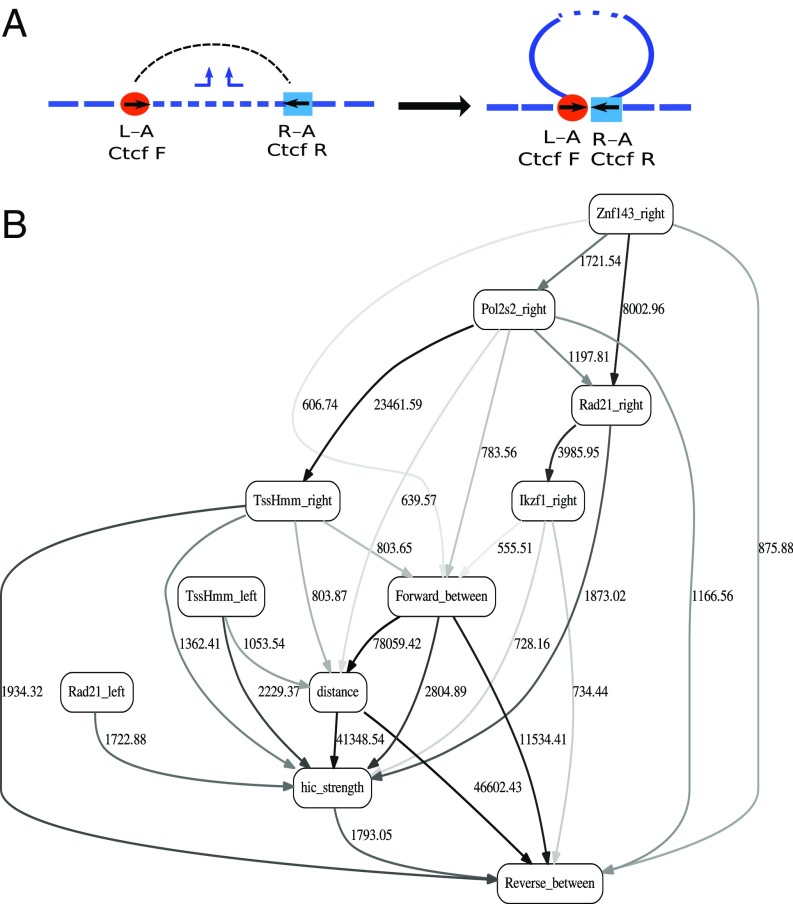
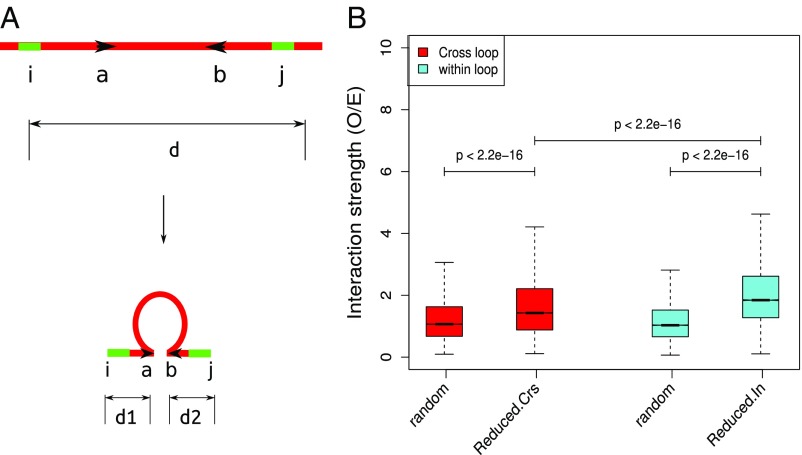
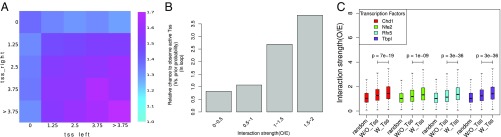
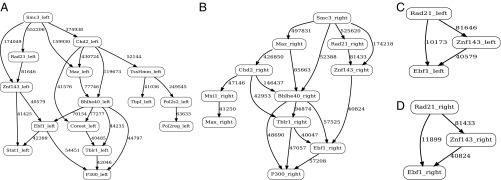
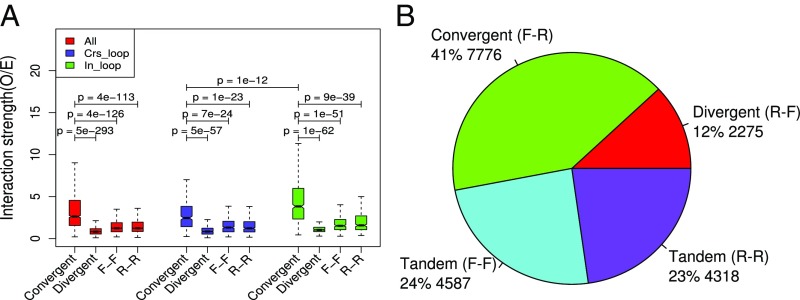
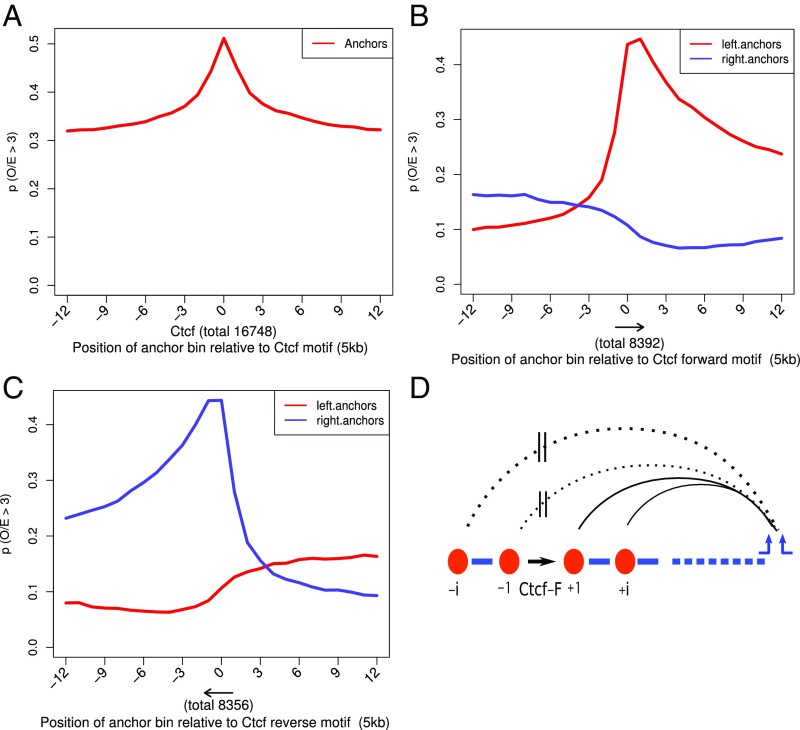
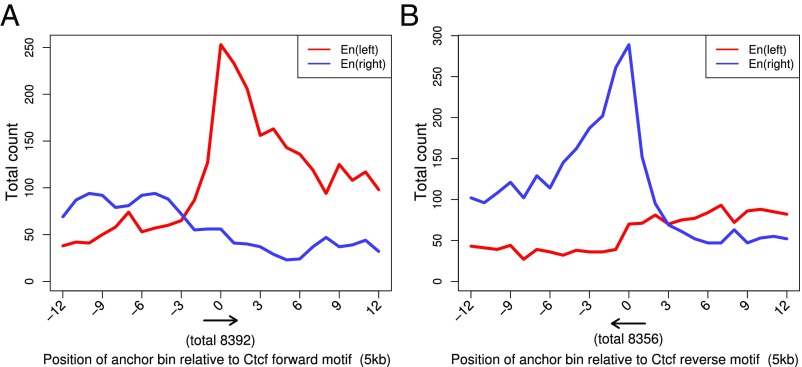
Long-range intrachromosomal interactions play an important role in 3D chromosome structure and function, but our understanding of how various factors contribute to the strength of these interactions remains poor. In this study we used a recently developed analysis framework for Bayesian network (BN) modeling to analyze publicly available datasets for intrachromosomal interactions. We investigated how 106 variables affect the pairwise interactions of over 10 million 5-kb DNA segments in the B-lymphocyte cell line GB12878. Strictly data-driven BN modeling indicates that the strength of intrachromosomal interactions (hic_strength) is directly influenced by only four types of factors: distance between segments, Rad21 or SMC3 (cohesin components),transcription at transcription start sites (TSS), and the number of CCCTC-binding factor (CTCF)-cohesin complexes between the interacting DNA segments. Subsequent studies confirmed that most high-intensity interactions have a CTCF-cohesin complex in at least one of the interacting segments. However, 46% have CTCF on only one side, and 32% are without CTCF. As expected, high-intensity interactions are strongly dependent on the orientation of the ctcf motif, and, moreover, we find that the interaction between enhancers and promoters is similarly dependent on ctcf motif orientation. Dependency relationships between transcription factors were also revealed, including known lineage-determining B-cell transcription factors (e.g., Ebf1) as well as potential novel relationships. Thus, BN analysis of large intrachromosomal interaction datasets is a useful tool for gaining insight into DNA-DNA, protein-DNA, and protein-protein interactions.
长程染色体内相互作用在 3D 染色体结构和功能中起着重要作用,但我们对各种因素如何影响这些相互作用的强度的理解仍然很差。在这项研究中,我们使用了最近开发的贝叶斯网络(BN)建模分析框架,来分析染色体内相互作用的公开数据集。我们研究了 106 个变量如何影响超过 1000 万个 5kb DNA 片段在 B 淋巴细胞系 GB12878 中的成对相互作用。严格的数据驱动的 BN 建模表明,染色体内相互作用的强度(hic_strength)仅直接受到四种类型的因素的影响:片段之间的距离、Rad21 或 SMC3(黏连蛋白成分)、转录起始位点(TSS)的转录以及相互作用的 DNA 片段之间的 CTCF-黏连蛋白复合物的数量。随后的研究证实,大多数高强度相互作用在至少一个相互作用的片段中都有 CTCF-黏连蛋白复合物。然而,46%的相互作用只有一侧有 CTCF,32%的相互作用没有 CTCF。正如预期的那样,高强度相互作用强烈依赖于 ctcf 基序的取向,而且,我们发现增强子和启动子之间的相互作用也同样依赖于 ctcf 基序的取向。转录因子之间的依赖关系也被揭示出来,包括已知的决定 B 细胞谱系的转录因子(例如 Ebf1)以及潜在的新关系。因此,对大型染色体内相互作用数据集进行 BN 分析是深入了解 DNA-DNA、蛋白质-DNA 和蛋白质-蛋白质相互作用的有用工具。