Sakari Stephen Sifuna Wefwafwa, Mbugua Amos K, Mkoji Gerald M
Institute of Tropical Medicine and Infectious Diseases (ITROMID), Jomo Kenyatta University of Agriculture and Technology (JKUAT), P.O. Box 62000, Nairobi 00200, Kenya.
College of Health Sciences, Jomo Kenyatta University of Agriculture and Technology (JKUAT), P.O. Box 62000, Nairobi 00200, Kenya.
J Trop Med. 2017;2017:1013802. doi: 10.1155/2017/1013802. Epub 2017 Aug 23.
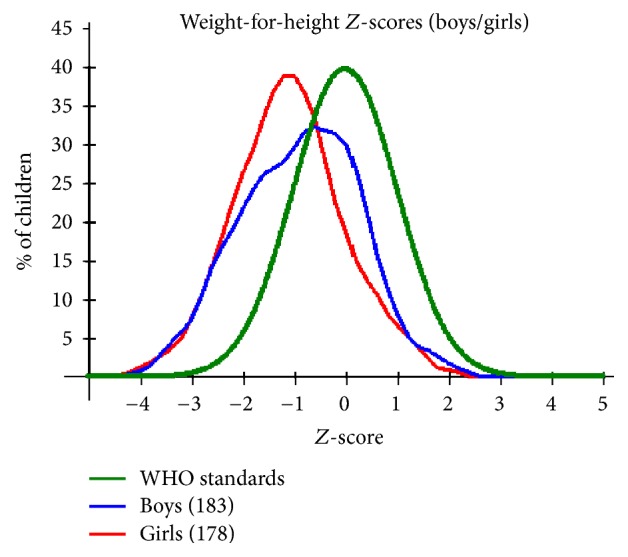
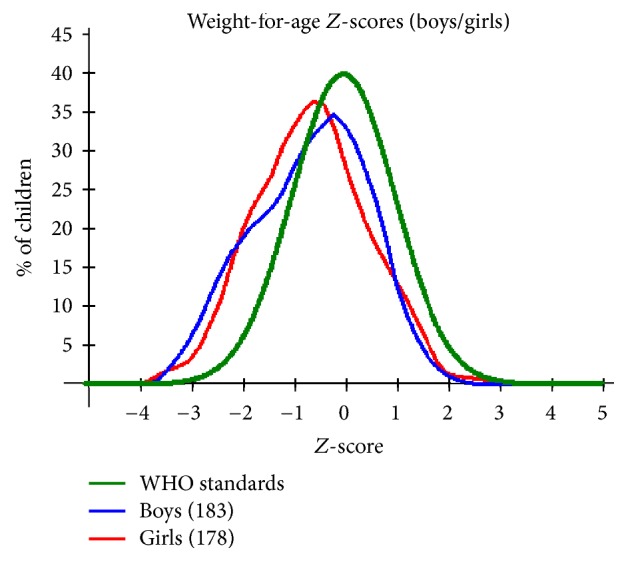
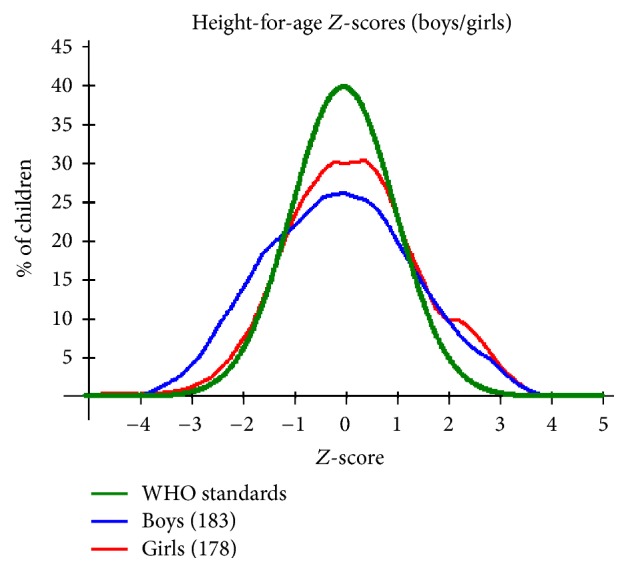
Intestinal parasitic infections can significantly contribute to the burden of disease, may cause nutritional and energetic stress, and negatively impact the quality of life in low income countries of the world. This cross-sectional study done in Mwea irrigation scheme, in Kirinyaga, central Kenya, assessed the public health significance of soil-transmitted helminthiases (STH), schistosomiasis, and other intestinal parasitic infections, among 361 preschool age children (PSAC) through fecal examination, by measuring anthropometric indices, and through their parents/guardians, by obtaining sociodemographic information. Both intestinal helminth and protozoan infections were detected, and, among the soil-transmitted helminth parasites, there were (prevalence, 3%), (<1%), and (<1%). Other intestinal helminths were (prevalence, 3.6%) and (<1%). occurred at a prevalence of 5.5%. Interestingly, the protozoan, (prevalence, 14.7%), was the most common among the PSAC. Other protozoans were (3.9%) and (<1). Anthropometric indices showed evidence of malnutrition. Intestinal parasites were associated with hand washing behavior, family size, water purification, and home location. These findings suggest that infection and malnutrition may be significant causes of ill health among the PSAC in Mwea, and, therefore, an intervention plan is needed.
肠道寄生虫感染会显著加重疾病负担,可能导致营养和能量压力,并对世界低收入国家的生活质量产生负面影响。这项横断面研究在肯尼亚中部基里尼亚加的姆韦亚灌溉区进行,通过粪便检查、测量人体测量指标以及向361名学龄前儿童(PSAC)的父母/监护人获取社会人口学信息,评估了土壤传播的蠕虫病(STH)、血吸虫病和其他肠道寄生虫感染的公共卫生意义。研究检测到了肠道蠕虫和原生动物感染,在土壤传播的蠕虫寄生虫中,有蛔虫(患病率3%)、鞭虫(<1%)和钩虫(<1%)。其他肠道蠕虫为蛲虫(患病率3.6%)和绦虫(<1%)。贾第虫的患病率为5.5%。有趣的是,原生动物蓝氏贾第鞭毛虫(患病率14.7%)在PSAC中最为常见。其他原生动物为隐孢子虫(3.9%)和微小隐孢子虫(<1%)。人体测量指标显示存在营养不良迹象。肠道寄生虫与洗手行为、家庭规模、水净化和家庭位置有关。这些发现表明,蓝氏贾第鞭毛虫感染和营养不良可能是姆韦亚PSAC健康不佳的重要原因,因此需要制定干预计划。