Department of Medicine, Albert Einstein College of Medicine, New York, NY, USA.
Department of Advanced Biomedical Sciences, "Federico II" University of Naples, Naples, Italy.
Sci Rep. 2017 Nov 20;7(1):15823. doi: 10.1038/s41598-017-15283-y.
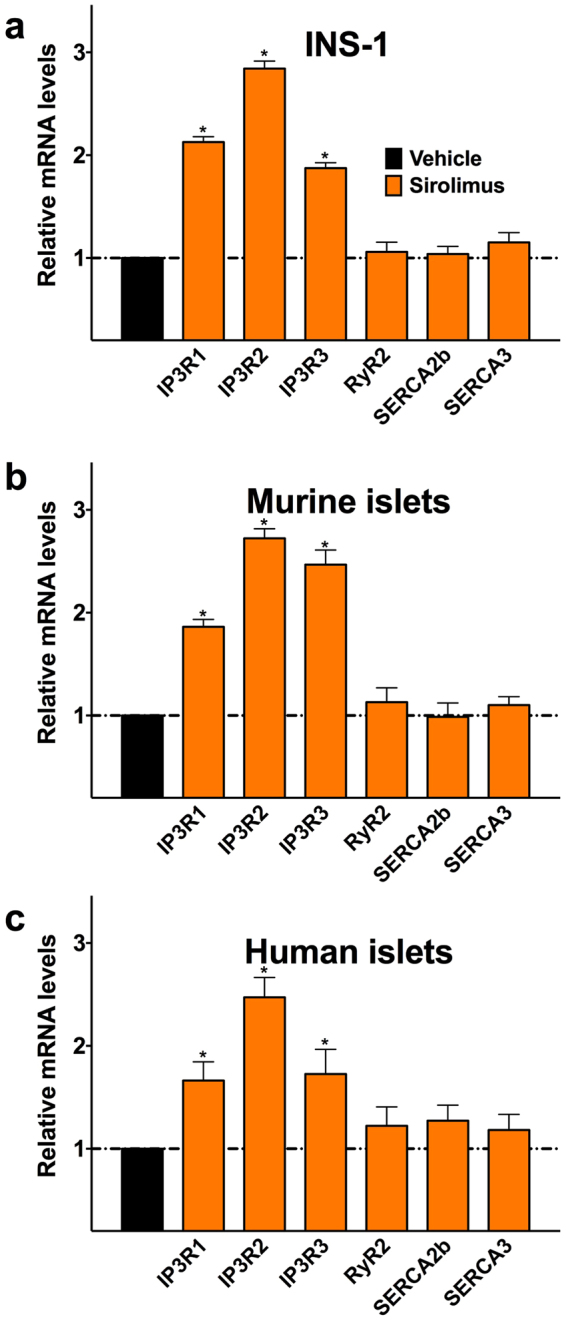
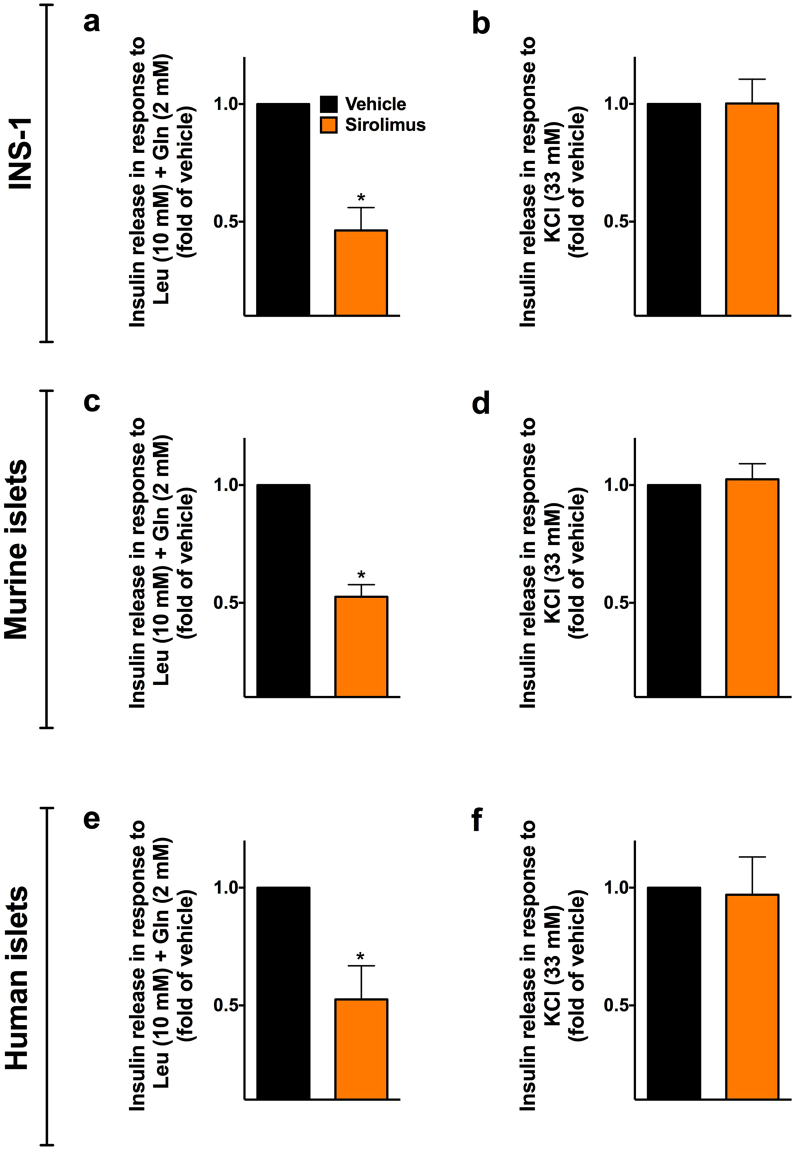
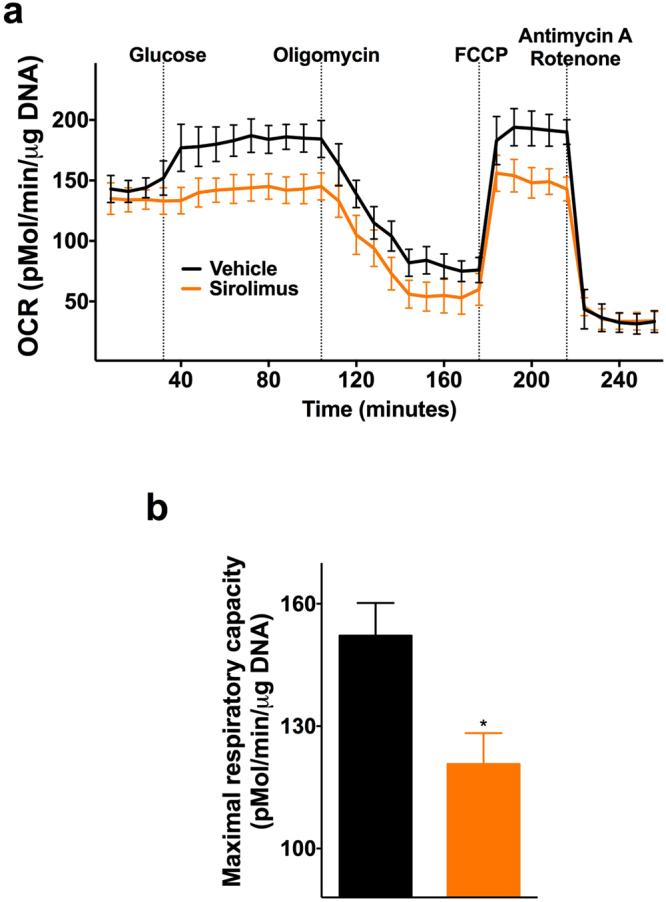
Sirolimus (rapamycin) is an immunosuppressive drug used in transplantation. One of its major side effects is the increased risk of diabetes mellitus; however, the exact mechanisms underlying such association have not been elucidated. Here we show that sirolimus impairs glucose-stimulated insulin secretion both in human and murine pancreatic islets and in clonal β cells in a dose- and time-dependent manner. Importantly, we demonstrate that sirolimus markedly depletes calcium (Ca) content in the endoplasmic reticulum and significantly decreases glucose-stimulated mitochondrial Ca uptake. Crucially, the reduced mitochondrial Ca uptake is mirrored by a significant impairment in mitochondrial respiration. Taken together, our findings indicate that sirolimus causes depletion of intracellular Ca stores and alters mitochondrial fitness, eventually leading to decreased insulin release. Our results provide a novel molecular mechanism underlying the increased incidence of diabetes mellitus in patients treated with this drug.
西罗莫司(雷帕霉素)是一种用于移植的免疫抑制药物。其主要副作用之一是增加患糖尿病的风险;然而,这种关联的确切机制尚未阐明。在这里,我们表明西罗莫司以剂量和时间依赖的方式损害人类和小鼠胰岛以及克隆β细胞中的葡萄糖刺激胰岛素分泌。重要的是,我们证明西罗莫司显着耗竭内质网中的钙(Ca)含量,并显着降低葡萄糖刺激的线粒体 Ca 摄取。至关重要的是,减少的线粒体 Ca 摄取与线粒体呼吸的显着损伤相匹配。总之,我们的研究结果表明,西罗莫司导致细胞内 Ca 储存耗尽,并改变线粒体功能,最终导致胰岛素释放减少。我们的研究结果为接受这种药物治疗的患者糖尿病发病率增加提供了新的分子机制。