Shen Jing, Liang Qingfeng, Su Guanyu, Zhang Yang, Wang Zhiqun, Liang Hong, Baudouin Christophe, Labbé Antoine
Beijing Institute of Ophthalmology, Beijing Tongren Eye Center, Beijing Tongren Hospital, Capital Medical University and Beijing Ophthalmology & Visual Sciences Key Laboratory, National Engineering Research Center for Ophthalmology, Beijing 100005, China.
INSERM, U968 and UMR_S 968, Institut de la Vision, University Paris 06 (UPMC) and CNRS, UMR_7210, 75012 Paris, France.
J Biophys. 2017;2017:3057329. doi: 10.1155/2017/3057329. Epub 2017 Oct 12.
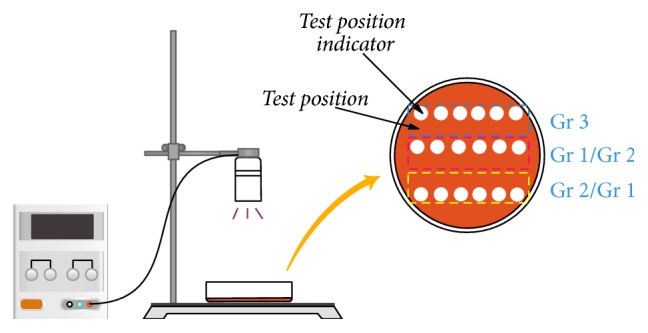
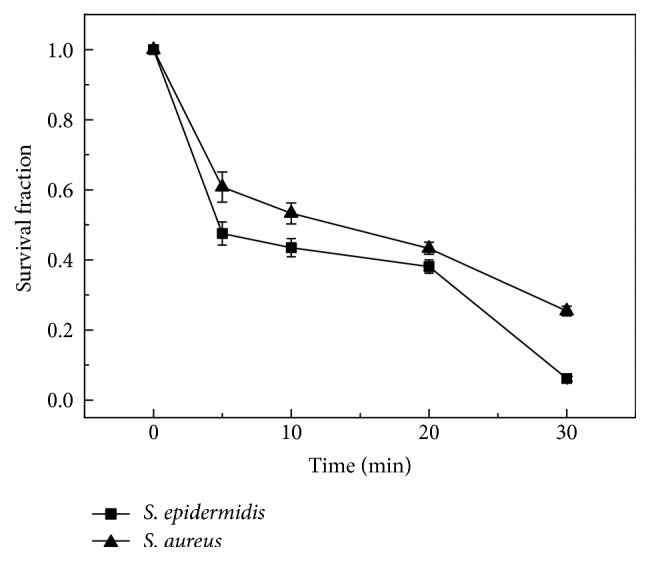
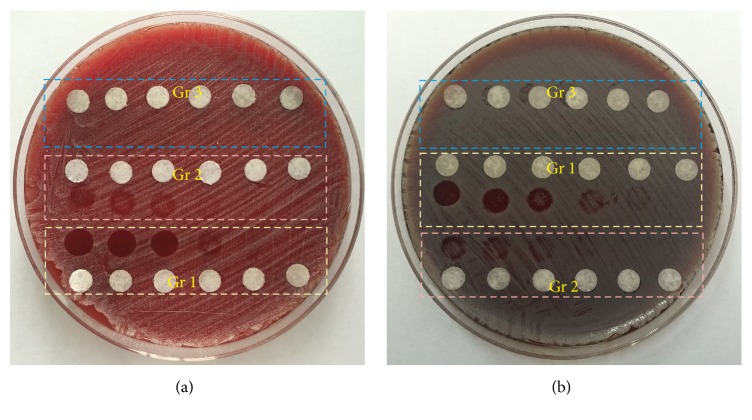
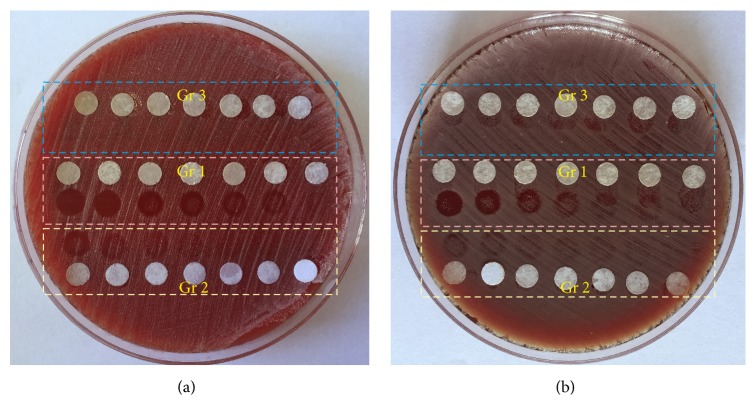
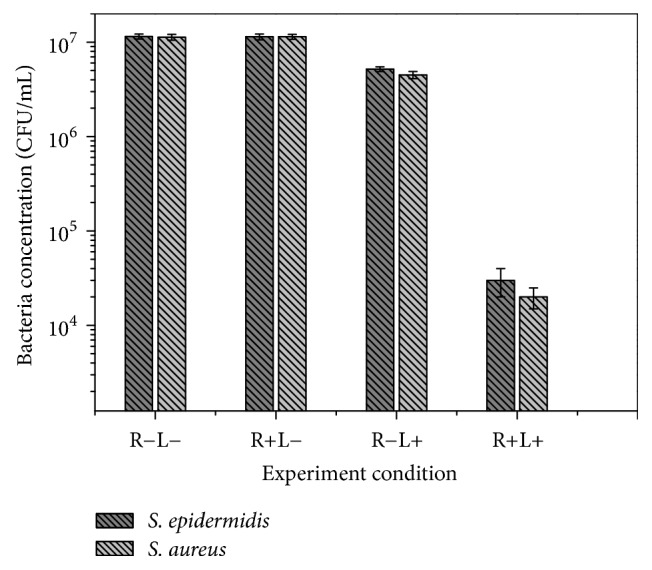
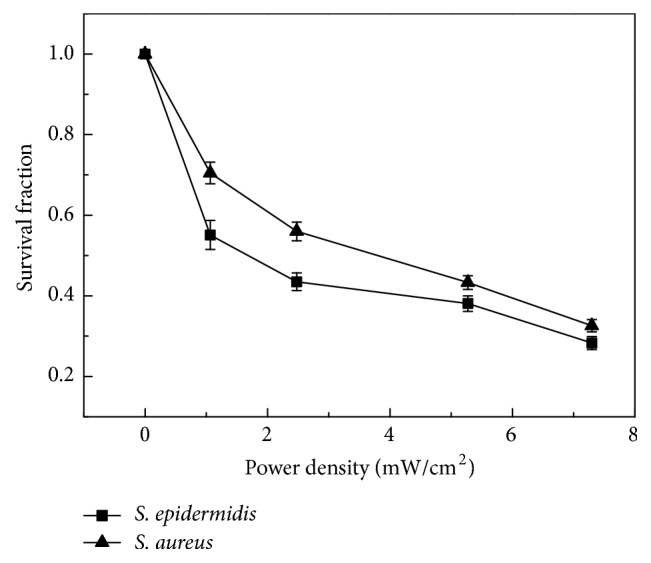
In order to study and viability after the exposure to ultraviolet (UV) light and riboflavin, twelve strains of and twelve strains of were isolated from patients with bacterial keratitis. The growth situation of and under different experimental conditions was qualitatively observed. The number of colonies surviving bacteria was counted under different UV light power and different exposure time. The experiment showed that there was no inhibition effect on the growth of bacteria using riboflavin alone. In UV alone group and UV-riboflavin group, inhibition effect on the bacteria growth was found. The UV-riboflavin combination had better inhibition effect on bacteria than UV irradiation alone. The amount of bacteria in the UV-riboflavin group was decreased by 99.1%99.5% and 54.8%64.6% in the UV alone group, when the UV light power was 10.052 mW/cm and the irradiation time was 30 min. Moreover, with the increase of the UV power or irradiation time, the survival rates of bacteria were rapidly reduced. Compared with , was more easily to be killed under the action of UV light combined with riboflavin.
为了研究紫外线(UV)照射联合核黄素处理后的细菌生长及生存能力,从细菌性角膜炎患者中分离出12株金黄色葡萄球菌和12株表皮葡萄球菌。定性观察了不同实验条件下金黄色葡萄球菌和表皮葡萄球菌的生长情况。在不同紫外线功率和不同照射时间下,对存活细菌的菌落数进行计数。实验表明,单独使用核黄素对细菌生长无抑制作用。在单纯紫外线组和紫外线-核黄素组中,发现对细菌生长有抑制作用。紫外线-核黄素联合使用对细菌的抑制作用优于单独紫外线照射。当紫外线功率为10.052 mW/cm且照射时间为30 min时,紫外线-核黄素组的细菌数量减少了99.1%99.5%,单纯紫外线组减少了54.8%64.6%。此外,随着紫外线功率或照射时间的增加,细菌的存活率迅速降低。与金黄色葡萄球菌相比,表皮葡萄球菌在紫外线联合核黄素作用下更容易被杀死。