AVIAN Behavioral Genomics and Physiology, Department of Physics, Chemistry and Biology, Linköping University, Linköping, Sweden.
Instituto de Ecología, Universidad Mayor de San Andrés, La Paz, Bolivia.
Sci Rep. 2017 Nov 21;7(1):15964. doi: 10.1038/s41598-017-16297-2.
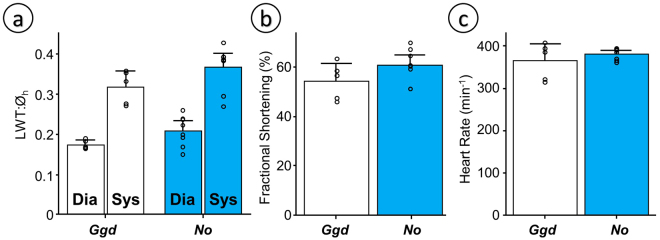
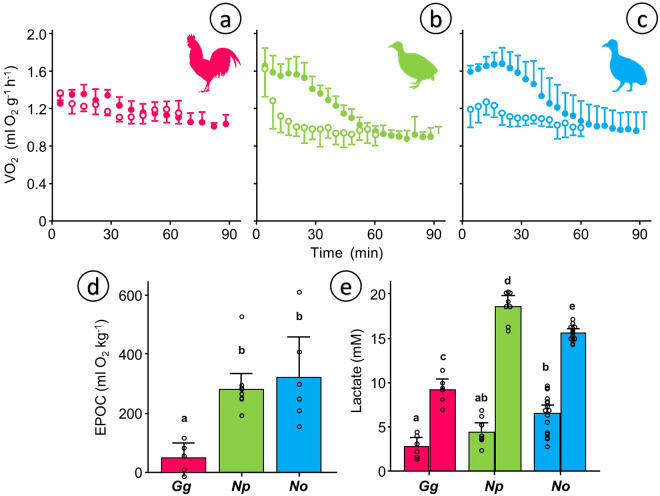
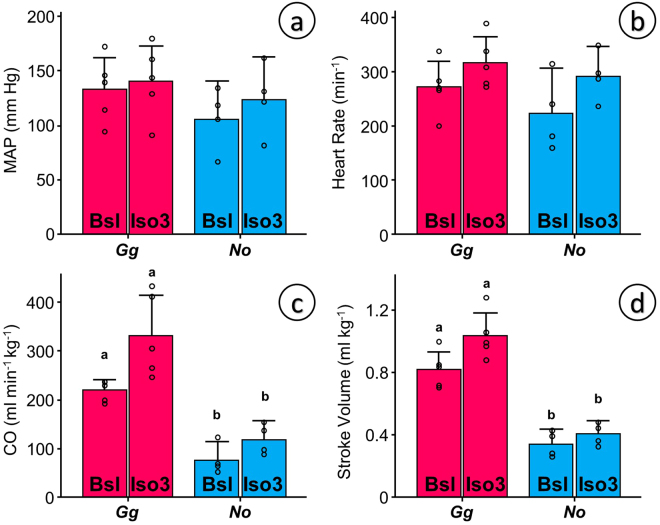
Some biomechanical studies from fossil specimens suggest that sustained flapping flight of birds could have appeared in their Mesozoic ancestors. We challenge this idea because a suitable musculoskeletal anatomy is not the only requirement for sustained flapping flight. We propose the "heart to fly" hypothesis that states that sustained flapping flight in modern birds required an enlargement of the heart for the aerobic performance of the flight muscles and test it experimentally by studying tinamous, the living birds with the smallest hearts. The small ventricular size of tinamous reduces cardiac output without limiting perfusion pressures, but when challenged to fly, the heart is unable to support aerobic metabolism (quick exhaustion, larger lactates and post-exercise oxygen consumption and compromised thermoregulation). At the same time, cardiac growth shows a crocodilian-like pattern and is correlated with differential gene expression in MAPK kinases. We integrate this physiological evidence in a new evolutionary scenario in which the ground-up, short and not sustained flapping flight displayed by tinamous represents an intermediate step in the evolution of the aerobic sustained flapping flight of modern birds.
一些来自化石标本的生物力学研究表明,鸟类的持续拍打飞行可能出现在它们的中生代祖先中。我们对这个观点提出了质疑,因为合适的肌肉骨骼解剖结构并不是持续拍打飞行的唯一要求。我们提出了“心脏飞行”假说,即现代鸟类的持续拍打飞行需要心脏增大,以满足飞行肌肉的有氧性能,并通过研究现今体型最小的鸟类——几维鸟,来进行实验测试。几维鸟的心室体积小,不会限制心脏的泵血量,但当它们被迫飞行时,心脏无法支持有氧代谢(很快就会耗尽、乳酸水平更高、运动后耗氧量增加,以及体温调节受损)。与此同时,心脏的生长呈现出类似鳄鱼的模式,并且与 MAPK 激酶的差异基因表达相关。我们将这些生理证据整合到一个新的进化情景中,几维鸟表现出的地面上短距离且不持续的拍打飞行,代表了现代鸟类有氧持续拍打飞行进化的中间步骤。