Yoshida Ryusuke, Shin Misa, Yasumatsu Keiko, Takai Shingo, Inoue Mayuko, Shigemura Noriatsu, Takiguchi Soichi, Nakamura Seiji, Ninomiya Yuzo
Section of Oral Neuroscience, Graduate School of Dental Sciences, Kyushu University, Fukuoka, Japan.
OBT Research Center, Graduate School of Dental Sciences, Kyushu University, Fukuoka, Japan.
Front Physiol. 2017 Oct 31;8:866. doi: 10.3389/fphys.2017.00866. eCollection 2017.
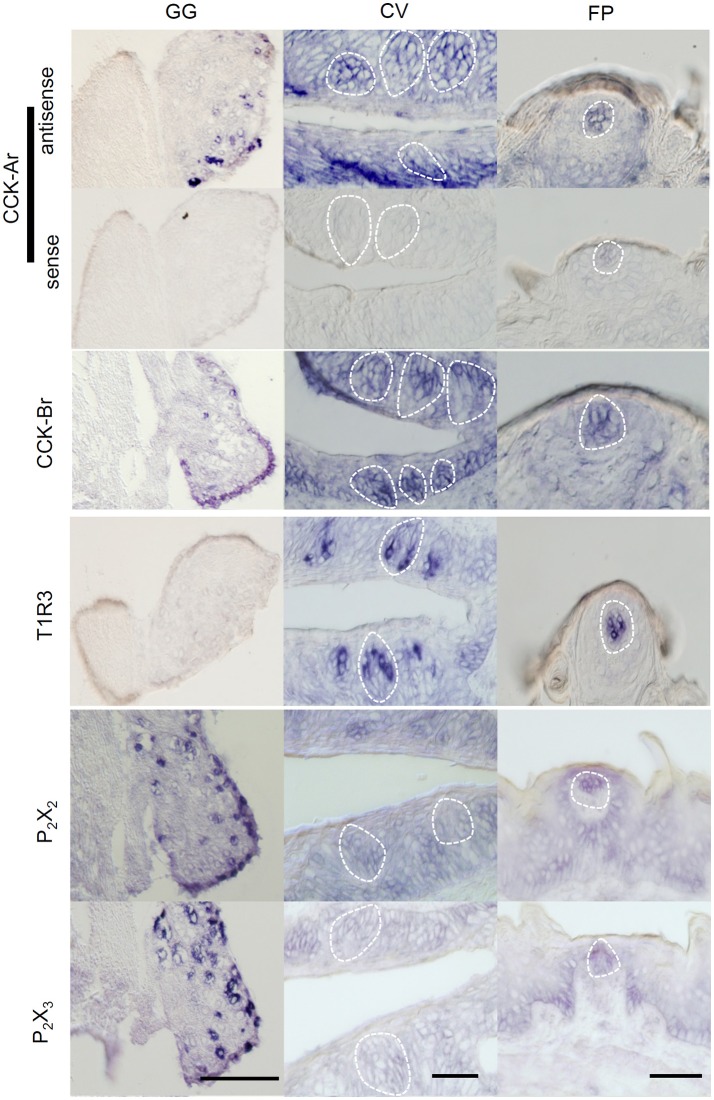
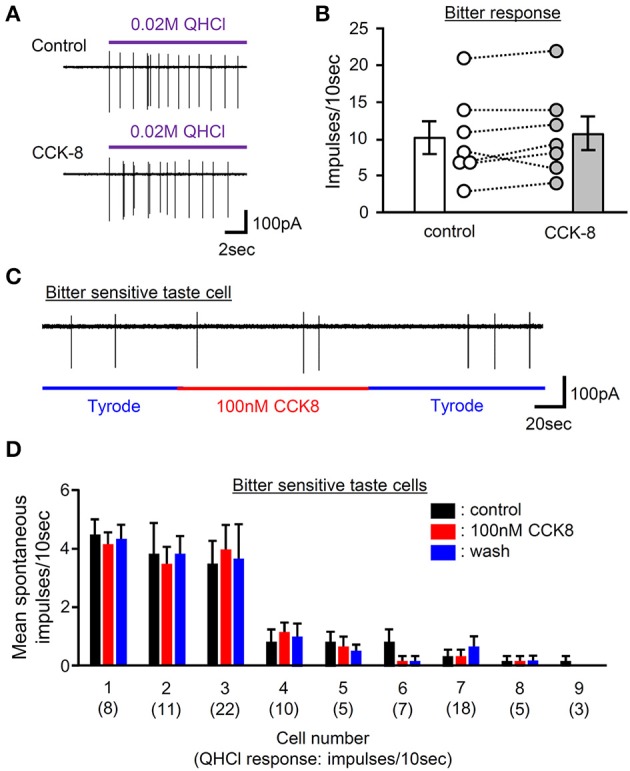
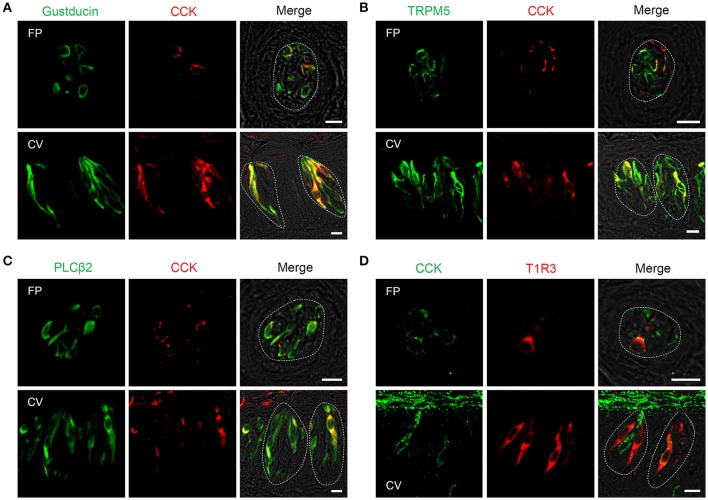
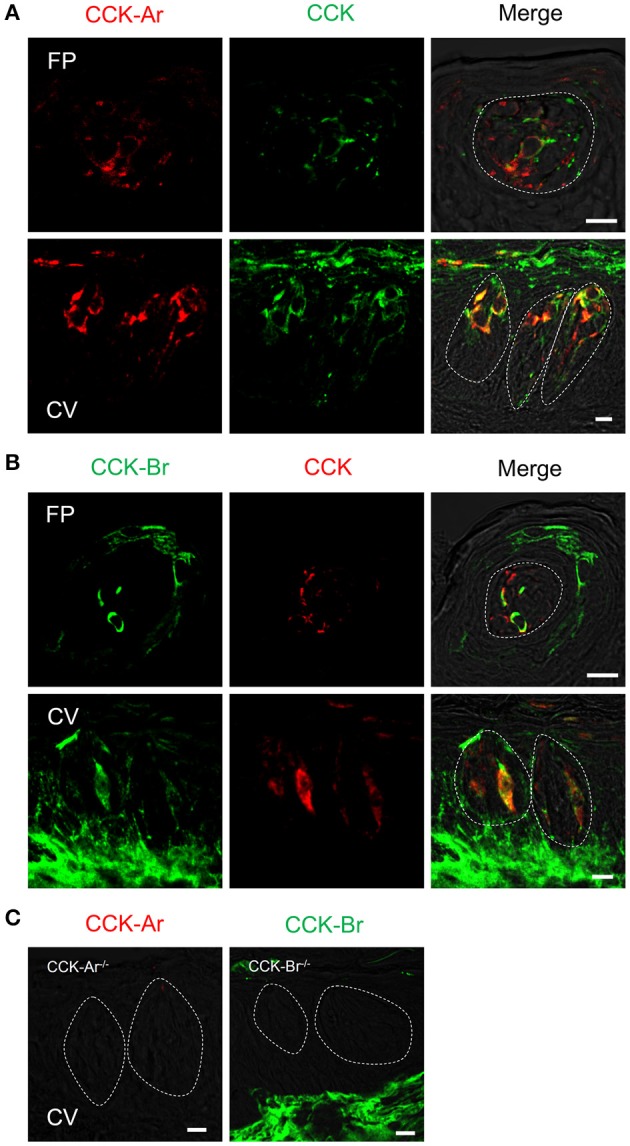
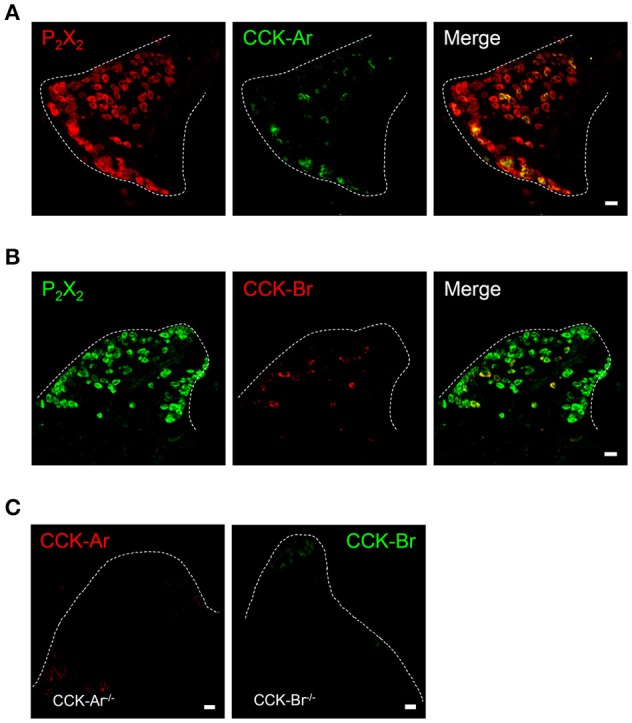
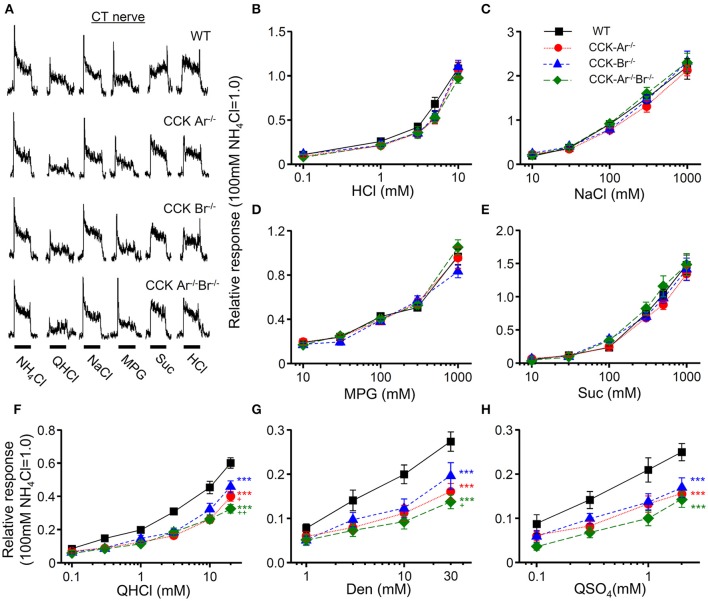
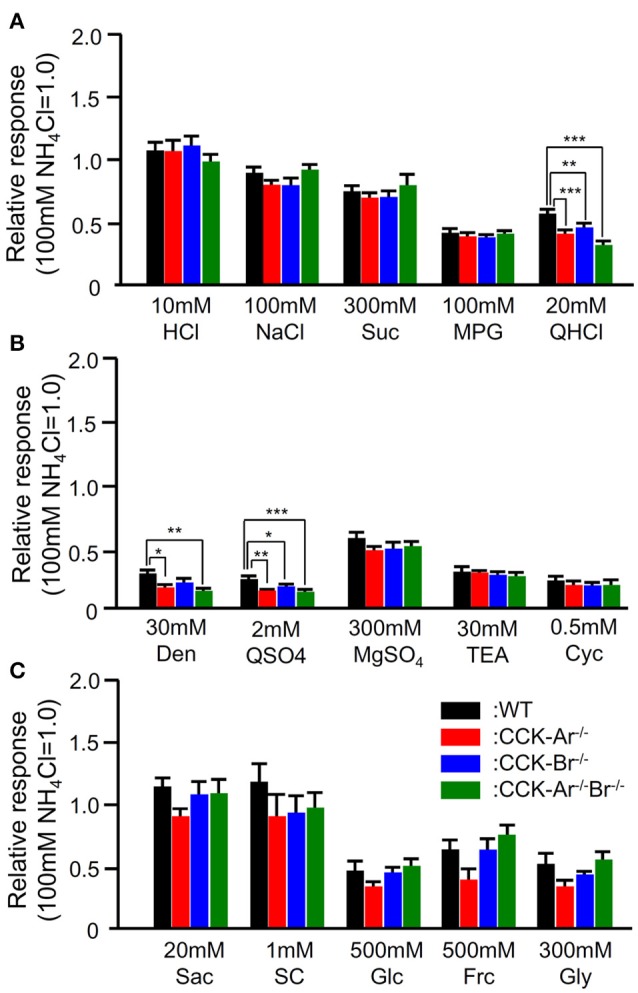
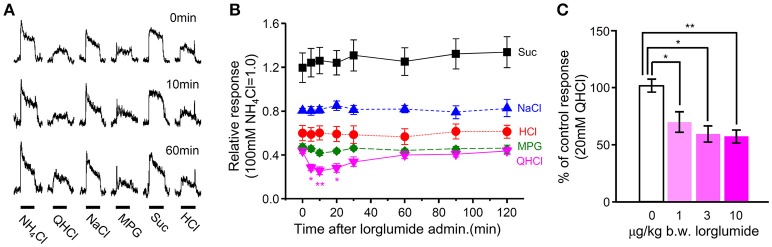
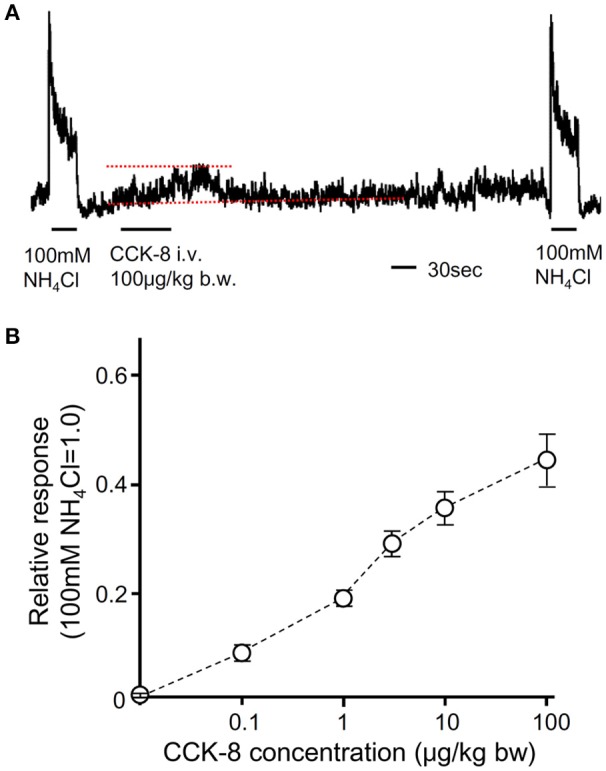
Cholecystokinin (CCK) is a gut hormone released from enteroendocrine cells. CCK functions as an anorexigenic factor by acting on CCK receptors expressed on the vagal afferent nerve and hypothalamus with a synergistic interaction between leptin. In the gut, tastants such as amino acids and bitter compounds stimulate CCK release from enteroendocrine cells via activation of taste transduction pathways. CCK is also expressed in taste buds, suggesting potential roles of CCK in taste signaling in the peripheral taste organ. In the present study, we focused on the function of CCK in the initial responses to taste stimulation. CCK was coexpressed with type II taste cell markers such as Gα-gustducin, phospholipase Cβ2, and transient receptor potential channel M5. Furthermore, a small subset (~30%) of CCK-expressing taste cells expressed a sweet/umami taste receptor component, taste receptor type 1 member 3, in taste buds. Because type II taste cells are sweet, umami or bitter taste cells, the majority of CCK-expressing taste cells may be bitter taste cells. CCK-A and -B receptors were expressed in both taste cells and gustatory neurons. CCK receptor knockout mice showed reduced neural responses to bitter compounds compared with wild-type mice. Consistently, intravenous injection of CCK-Ar antagonist lorglumide selectively suppressed gustatory nerve responses to bitter compounds. Intravenous injection of CCK-8 transiently increased gustatory nerve activities in a dose-dependent manner whereas administration of CCK-8 did not affect activities of bitter-sensitive taste cells. Collectively, CCK may be a functionally important neurotransmitter or neuromodulator to activate bitter nerve fibers in peripheral taste tissues.
胆囊收缩素(CCK)是一种由肠内分泌细胞释放的肠道激素。CCK通过作用于迷走神经传入神经和下丘脑上表达的CCK受体发挥厌食因子的作用,与瘦素之间存在协同相互作用。在肠道中,氨基酸和苦味化合物等味觉刺激物通过激活味觉转导途径刺激肠内分泌细胞释放CCK。CCK也在味蕾中表达,提示CCK在周围味觉器官的味觉信号传导中可能发挥作用。在本研究中,我们聚焦于CCK在味觉刺激初始反应中的功能。CCK与II型味觉细胞标志物如Gα-味导素、磷脂酶Cβ2和瞬时受体电位通道M5共表达。此外,一小部分(约30%)表达CCK的味觉细胞在味蕾中表达甜味/鲜味味觉受体成分,即味觉受体1型成员3。由于II型味觉细胞是甜味、鲜味或苦味味觉细胞,大多数表达CCK的味觉细胞可能是苦味味觉细胞。CCK-A和-B受体在味觉细胞和味觉神经元中均有表达。与野生型小鼠相比,CCK受体基因敲除小鼠对苦味化合物的神经反应降低。一致地,静脉注射CCK-A拮抗剂洛谷胺选择性抑制味觉神经对苦味化合物的反应。静脉注射CCK-8以剂量依赖的方式短暂增加味觉神经活动,而给予CCK-8不影响苦味敏感味觉细胞的活动。总体而言,CCK可能是一种在功能上重要的神经递质或神经调节剂,可激活周围味觉组织中的苦味神经纤维。