Department of Life Sciences, Ben-Gurion University, Beer-Sheva, 84105, Israel.
Plant Cell Rep. 2018 Feb;37(2):193-208. doi: 10.1007/s00299-017-2213-1. Epub 2017 Nov 21.
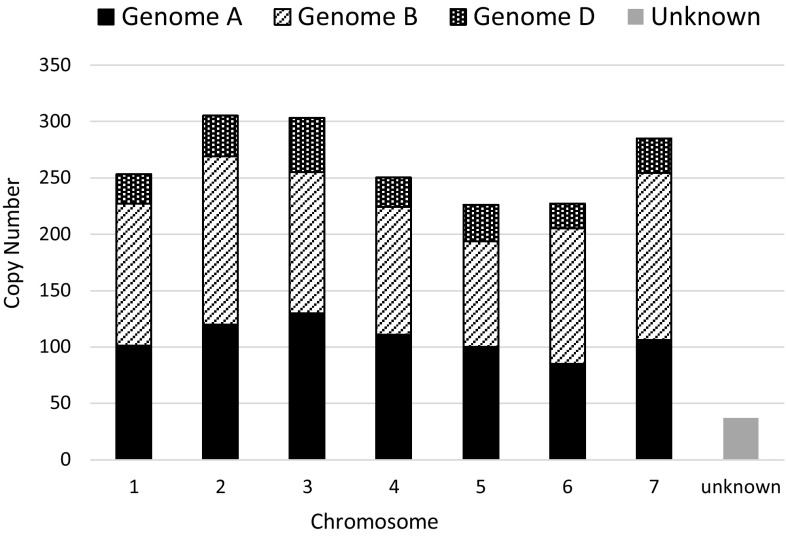
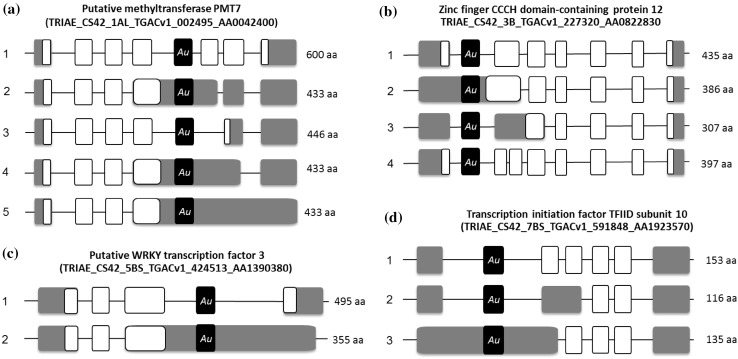
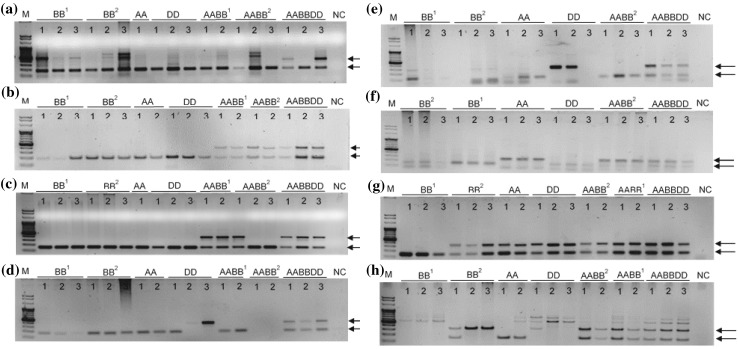
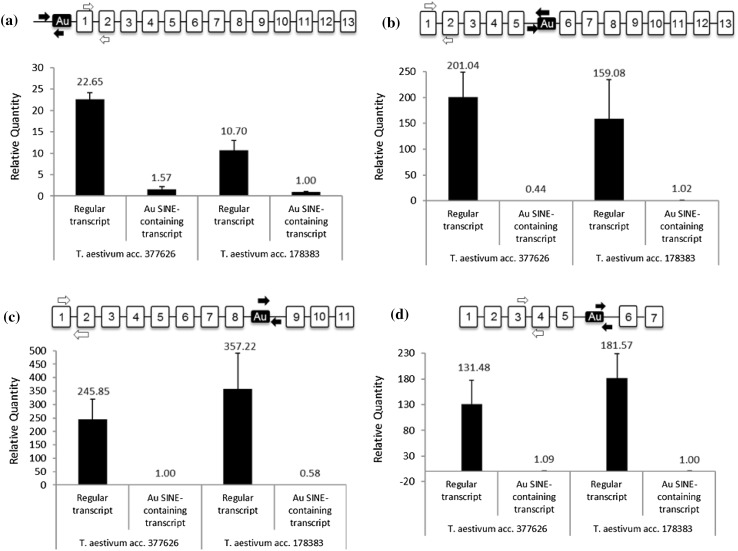
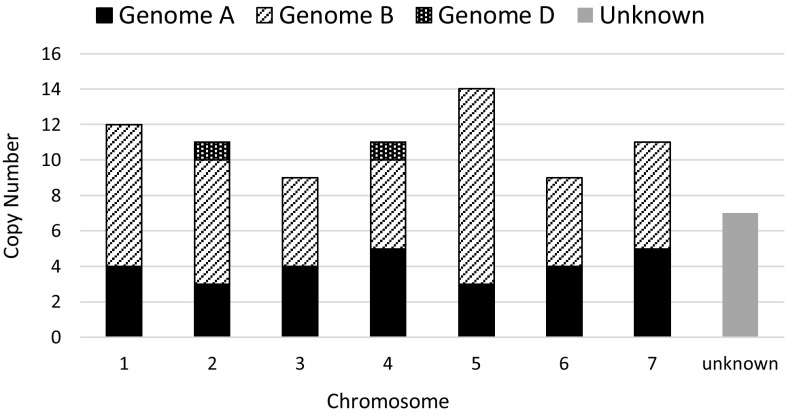
Here, we show that Au SINE elements have strong associations with protein-coding genes in wheat. Most importantly Au SINE insertion within introns causes allelic variation and might induce intron retention. The impact of transposable elements (TEs) on genome structure and function is intensively studied in eukaryotes, especially in plants where TEs can reach up to 90% of the genome in some cases, such as in wheat. Here, we have performed a genome-wide in-silico analysis using the updated publicly available genome draft of bread wheat (T. aestivum), in addition to the updated genome drafts of the diploid donor species, T. urartu and Ae. tauschii, to retrieve and analyze a non-LTR retrotransposon family, termed Au SINE, which was found to be widespread in plant species. Then, we have performed site-specific PCR and realtime RT-PCR analyses to assess the possible impact of Au SINE on gene structure and function. To this end, we retrieved 133, 180 and 1886 intact Au SINE insertions from T. urartu, Ae. tauschii and T. aestivum genome drafts, respectively. The 1886 Au SINE insertions were distributed in the seven homoeologous chromosomes of T. aestivum, while ~ 67% of the insertions were associated with genes. Detailed analysis of 40 genes harboring Au SINE revealed allelic variation of those genes in the Triticum-Aegilops genus. In addition, expression analysis revealed that both regular transcripts and alternative Au SINE-containing transcripts were simultaneously amplified in the same tissue, indicating retention of Au SINE-containing introns. Analysis of the wheat transcriptome revealed that hundreds of protein-coding genes harbor Au SINE in at least one of their mature splice variants. Au SINE might play a prominent role in speciation by creating transcriptome variation.
在这里,我们表明 Au SINE 元件与小麦中的蛋白质编码基因有很强的关联。最重要的是,内含子中的 Au SINE 插入会导致等位基因变异,并可能诱导内含子保留。转座元件 (TEs) 对基因组结构和功能的影响在真核生物中得到了深入研究,特别是在植物中,TEs 在某些情况下可以达到基因组的 90%,例如在小麦中。在这里,我们使用已更新的面包小麦 (T. aestivum) 公开可用基因组草案以及二倍体供体物种 T. urartu 和 Ae. tauschii 的已更新基因组草案,进行了全基因组的计算机分析,以检索和分析一种非 LTR 逆转录转座子家族,称为 Au SINE,它在植物物种中广泛存在。然后,我们进行了定点 PCR 和实时 RT-PCR 分析,以评估 Au SINE 对基因结构和功能的可能影响。为此,我们分别从 T. urartu、Ae. tauschii 和 T. aestivum 基因组草案中检索到 133、180 和 1886 个完整的 Au SINE 插入。1886 个 Au SINE 插入分布在 T. aestivum 的七个同源染色体中,而大约 67%的插入与基因相关。对 40 个含有 Au SINE 的基因进行详细分析,发现这些基因在小麦属和山羊草属中存在等位基因变异。此外,表达分析表明,在同一组织中同时扩增了含有常规转录物和替代 Au SINE 的转录物,表明含有 Au SINE 的内含子被保留。对小麦转录组的分析表明,数百个蛋白质编码基因在至少一个成熟剪接变体中含有 Au SINE。Au SINE 可能通过创建转录组变异在物种形成中发挥重要作用。