The Florey Institute of Neuroscience and Mental Health, The University of Melbourne, Melbourne, Australia.
The Department of Medical Laboratories, The Faculty of Applied Medical Sciences, Taif University, Taif, Saudi Arabia.
Sci Rep. 2017 Nov 22;7(1):16001. doi: 10.1038/s41598-017-16248-x.
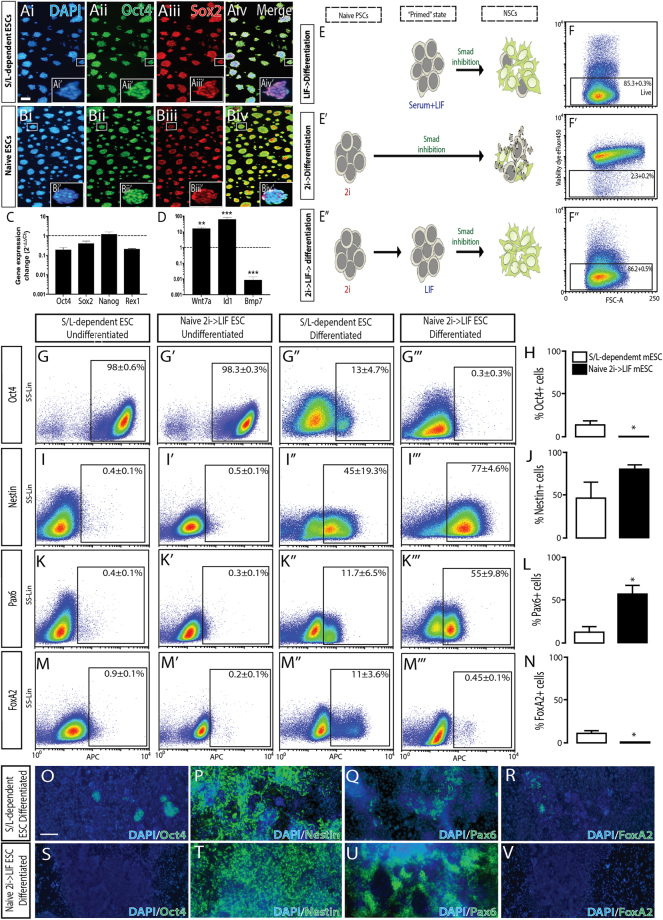
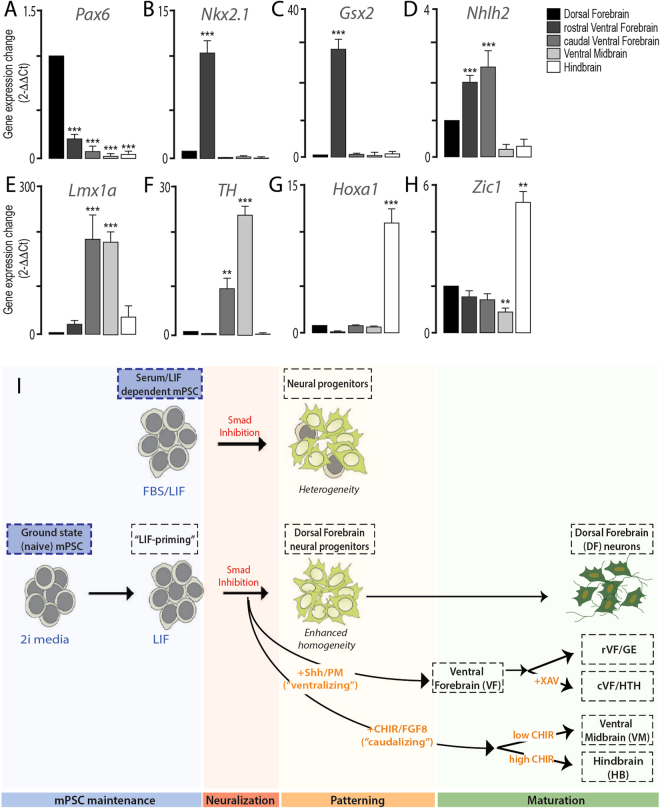
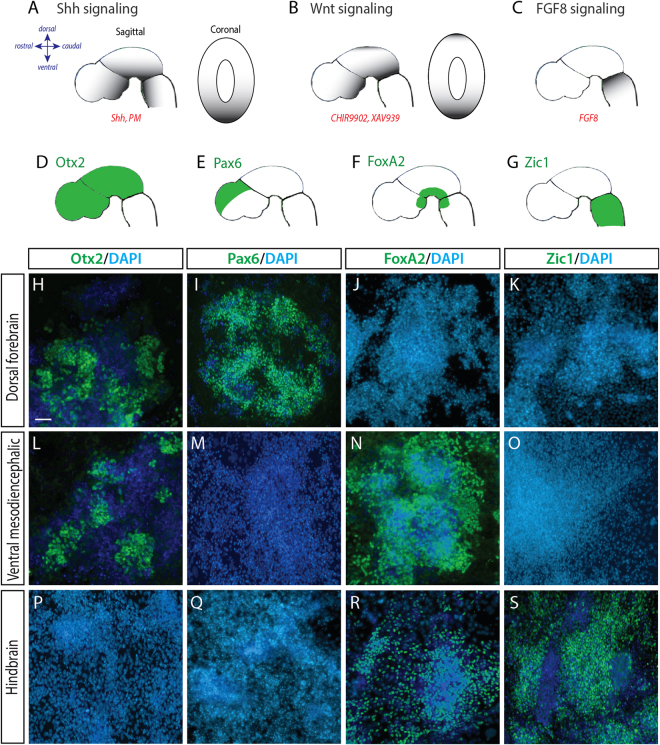
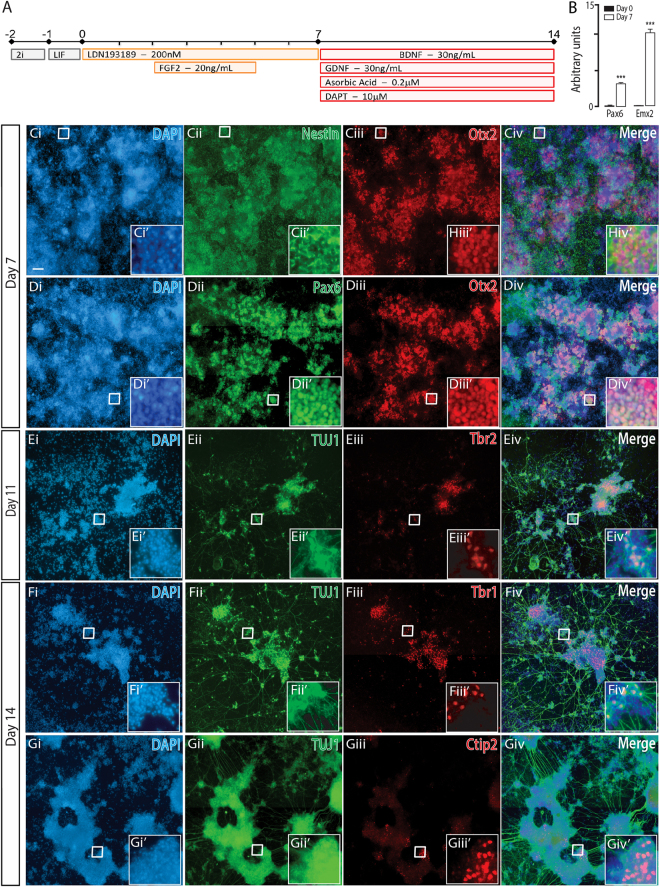
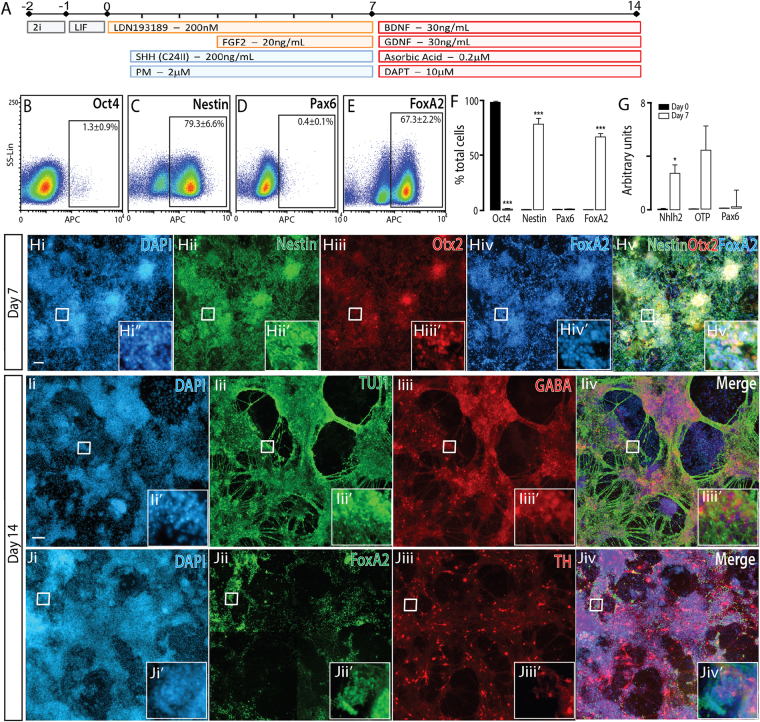
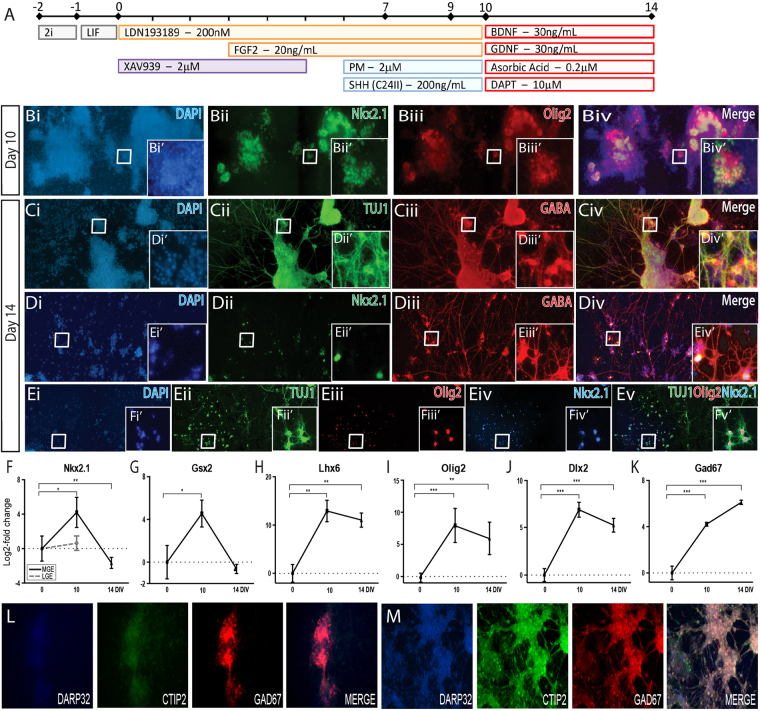
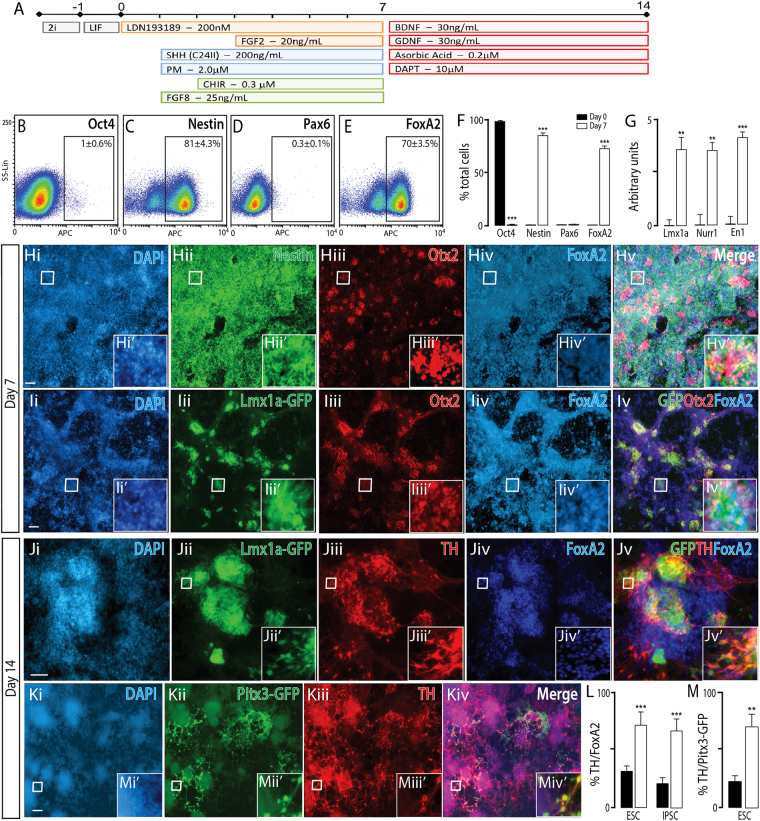
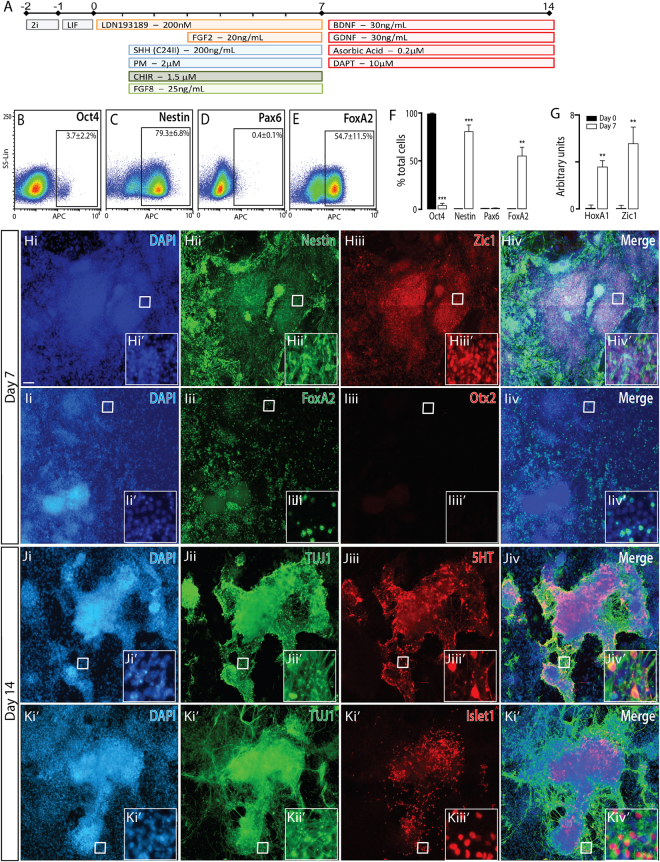
Pluripotent stem cells (PSCs) are a valuable tool for interrogating development, disease modelling, drug discovery and transplantation. Despite the burgeoned capability to fate restrict human PSCs to specific neural lineages, comparative protocols for mouse PSCs have not similarly advanced. Mouse protocols fail to recapitulate neural development, consequently yielding highly heterogeneous populations, yet mouse PSCs remain a valuable scientific tool as differentiation is rapid, cost effective and an extensive repertoire of transgenic lines provides an invaluable resource for understanding biology. Here we developed protocols for neural fate restriction of mouse PSCs, using knowledge of embryonic development and recent progress with human equivalents. These methodologies rely upon naïve ground-state PSCs temporarily transitioning through LIF-responsive stage prior to neural induction and rapid exposure to regional morphogens. Neural subtypes generated included those of the dorsal forebrain, ventral forebrain, ventral midbrain and hindbrain. This rapid specification, without feeder layers or embryoid-body formation, resulted in high proportions of correctly specified progenitors and neurons with robust reproducibility. These generated neural progenitors/neurons will provide a valuable resource to further understand development, as well disorders affecting specific neuronal subpopulations.
多能干细胞(PSCs)是研究发育、疾病建模、药物发现和移植的有价值的工具。尽管已经有能力将人类 PSCs 命运限制在特定的神经谱系中,但类似的小鼠 PSCs 比较方案并没有得到同样的发展。小鼠方案未能重现神经发育,因此产生了高度异质的群体,但小鼠 PSCs 仍然是一种有价值的科学工具,因为分化速度快、成本效益高,并且大量的转基因系提供了宝贵的资源,有助于理解生物学。在这里,我们利用胚胎发育的知识和人类等效物的最新进展,开发了小鼠 PSCs 的神经命运限制方案。这些方法依赖于原始状态的 PSCs 在神经诱导前通过 LIF 反应性阶段短暂过渡,然后快速暴露于区域形态发生素。生成的神经亚型包括背侧前脑、腹侧前脑、腹侧中脑和后脑。这种快速的特异性,无需饲养层或类胚体形成,导致了高比例的正确特异性祖细胞和神经元,具有很强的重现性。这些生成的神经祖细胞/神经元将为进一步了解发育以及影响特定神经元亚群的疾病提供有价值的资源。