Department of Orthopedic Surgery, Mayo Clinic, Rochester, MN, United States; Department of Biological Sciences, Hampton University, Hampton, VA, United States.
Department of Orthopedic Surgery, Mayo Clinic, Rochester, MN, United States.
Genomics. 2018 Sep;110(5):247-256. doi: 10.1016/j.ygeno.2017.11.001. Epub 2017 Nov 22.
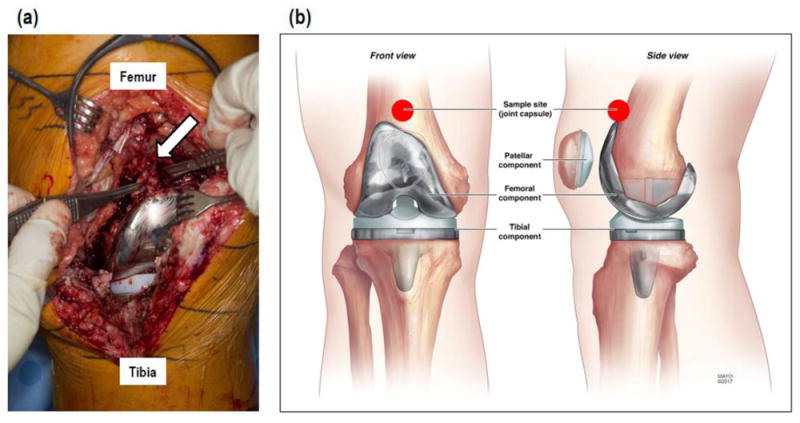
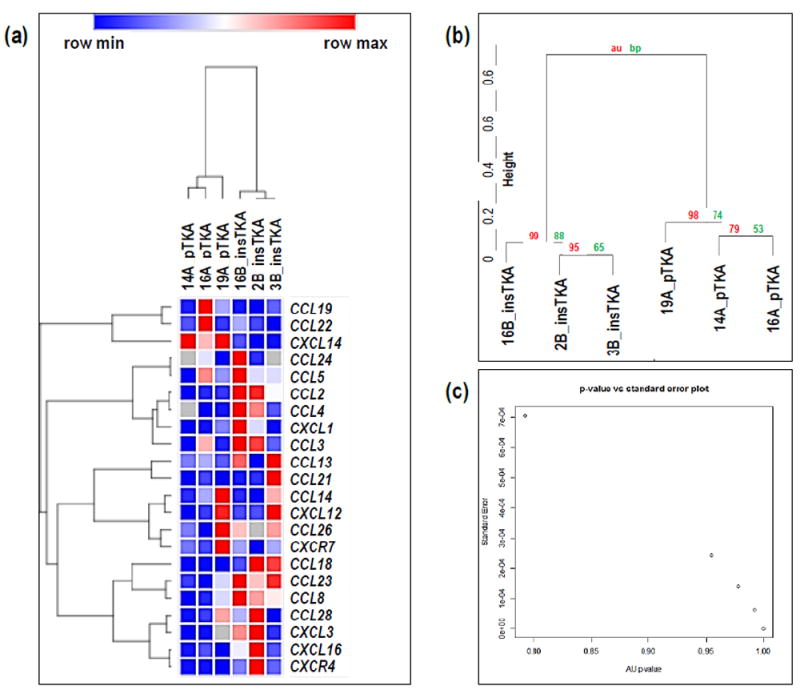
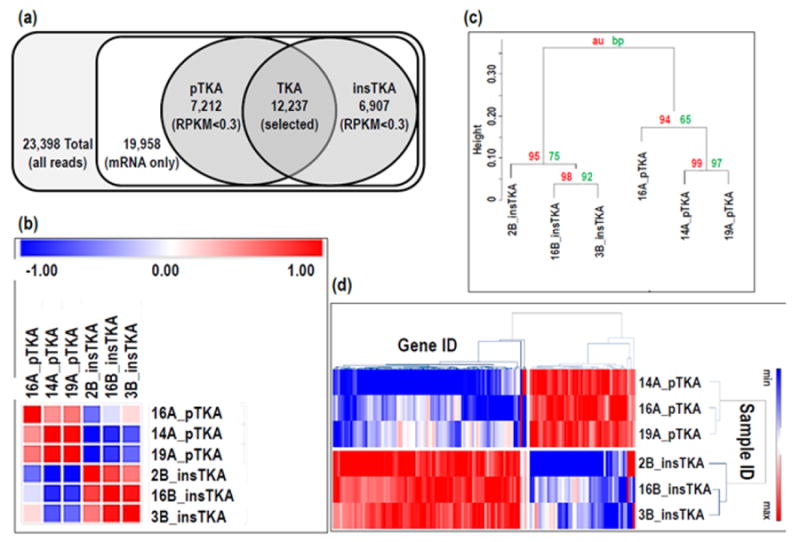
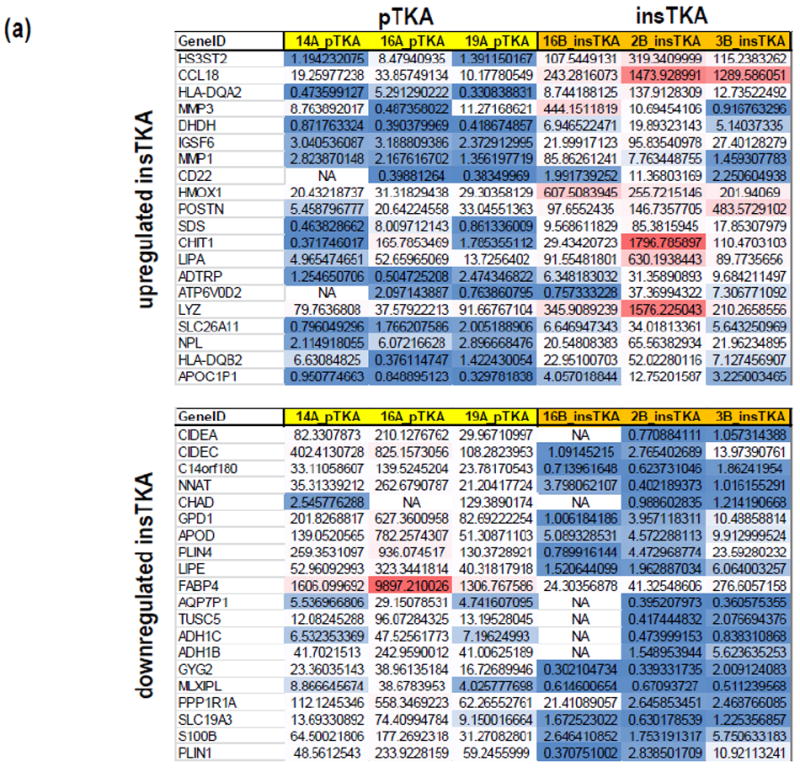
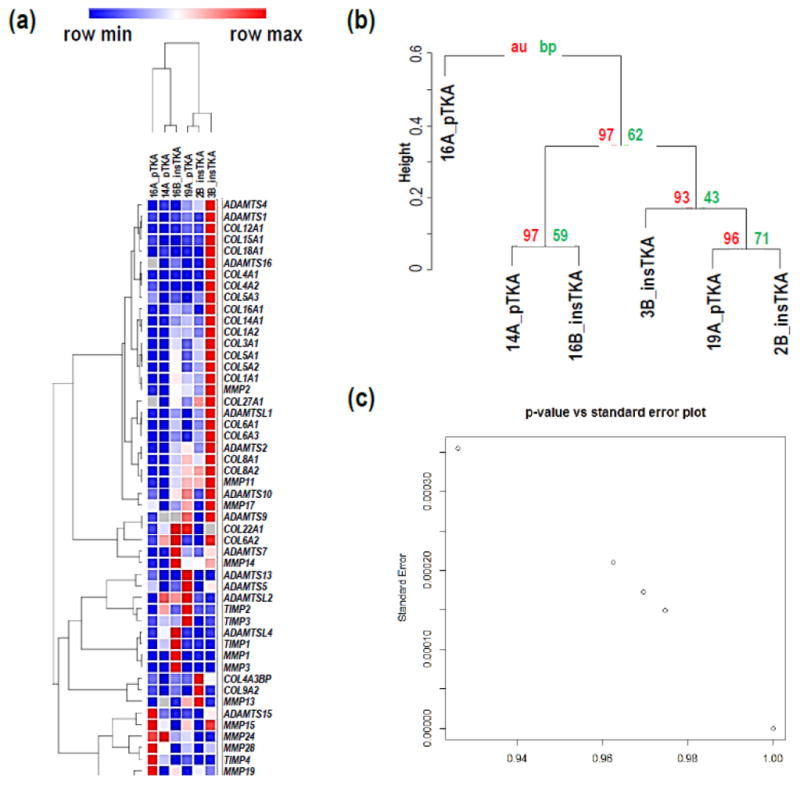
Total knee arthroplasty (TKA) is a durable and reliable procedure to alleviate pain and improve joint function. However, failures related to flexion instability sometimes occur. The goal of this study was to define biological differences between tissues from patients with and without flexion instability of the knee after TKA. Human knee joint capsule tissues were collected at the time of primary or revision TKAs and analyzed by RT-qPCR and RNA-seq, revealing novel patterns of differential gene expression between the two groups. Interestingly, genes related to collagen production and extracellular matrix (ECM) degradation were higher in samples from patients with flexion instability. Partitioned clustering analyses further emphasized differential gene expression patterns between sample types that may help guide clinical interpretations of this complication. Future efforts to disentangle the effects of physical and biological (e.g., transcriptomic modifications) risk factors will aid in further characterizing and avoiding flexion instability after TKA.
全膝关节置换术(TKA)是一种缓解疼痛、改善关节功能的耐用且可靠的手术。然而,与膝关节 TKA 后屈曲不稳定相关的失败有时会发生。本研究的目的是确定 TKA 后膝关节屈曲不稳定患者与无膝关节屈曲不稳定患者的组织之间的生物学差异。在初次或翻修 TKA 时收集人膝关节囊组织,并通过 RT-qPCR 和 RNA-seq 进行分析,揭示了两组之间差异表达基因的新模式。有趣的是,与胶原产生和细胞外基质(ECM)降解相关的基因在屈曲不稳定患者的样本中更高。分区聚类分析进一步强调了样本类型之间差异表达模式,这可能有助于指导对这种并发症的临床解释。未来努力厘清物理和生物(例如,转录组修饰)风险因素的影响将有助于进一步表征和避免 TKA 后发生屈曲不稳定。