Moin Mazahar, Bakshi Achala, Madhav M S, Kirti P B
Department of Plant Sciences, University of Hyderabad, Hyderabad, India.
Department of Biotechnology, Indian Institute of Rice Research, Hyderabad, India.
Front Chem. 2017 Nov 14;5:97. doi: 10.3389/fchem.2017.00097. eCollection 2017.
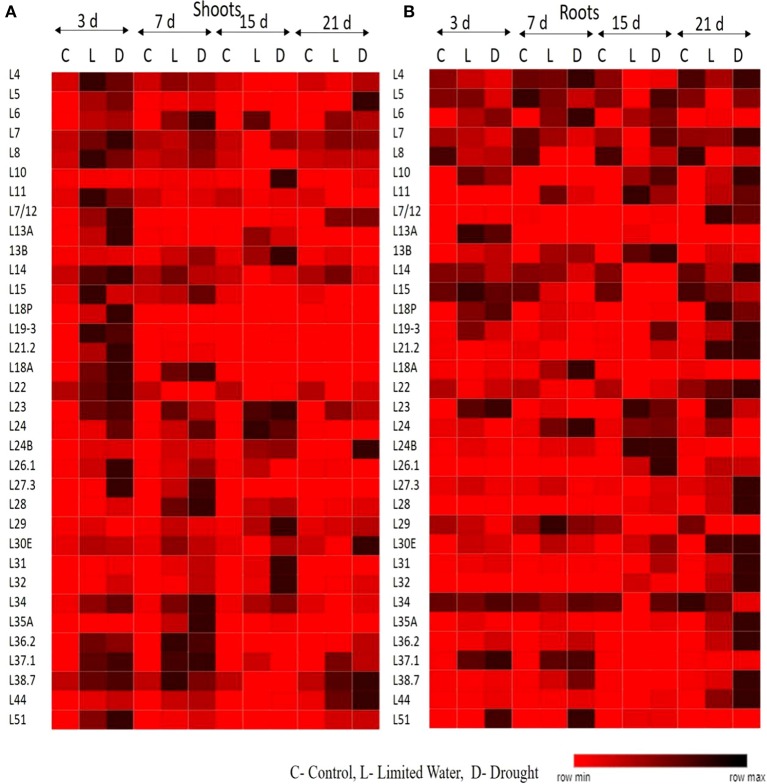
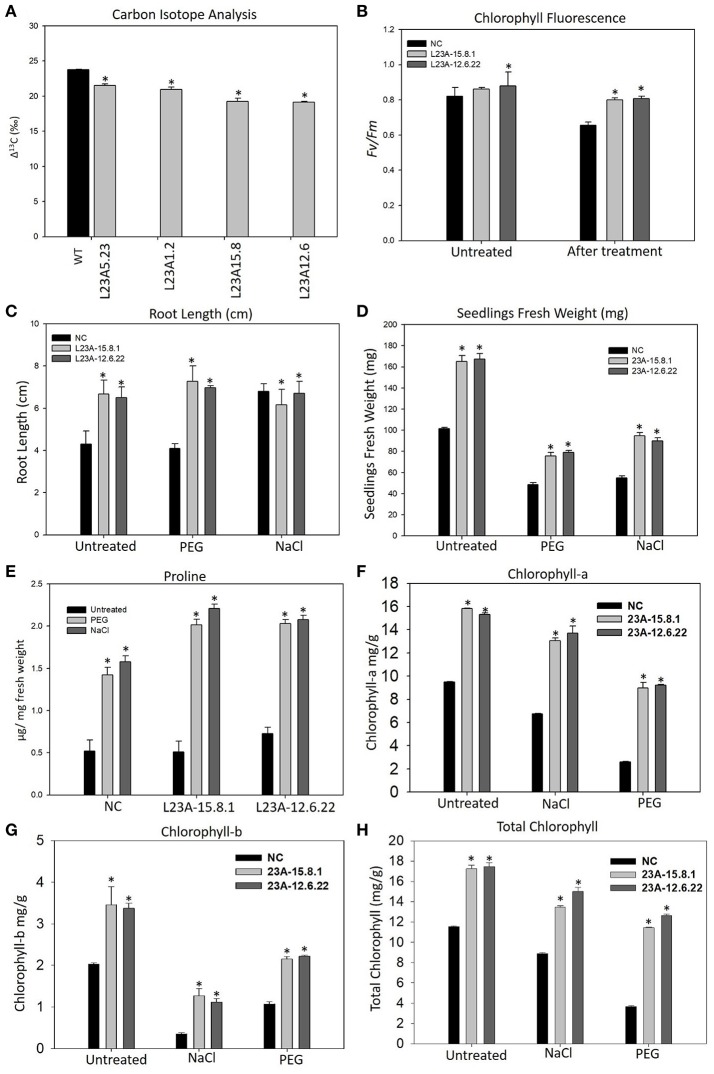
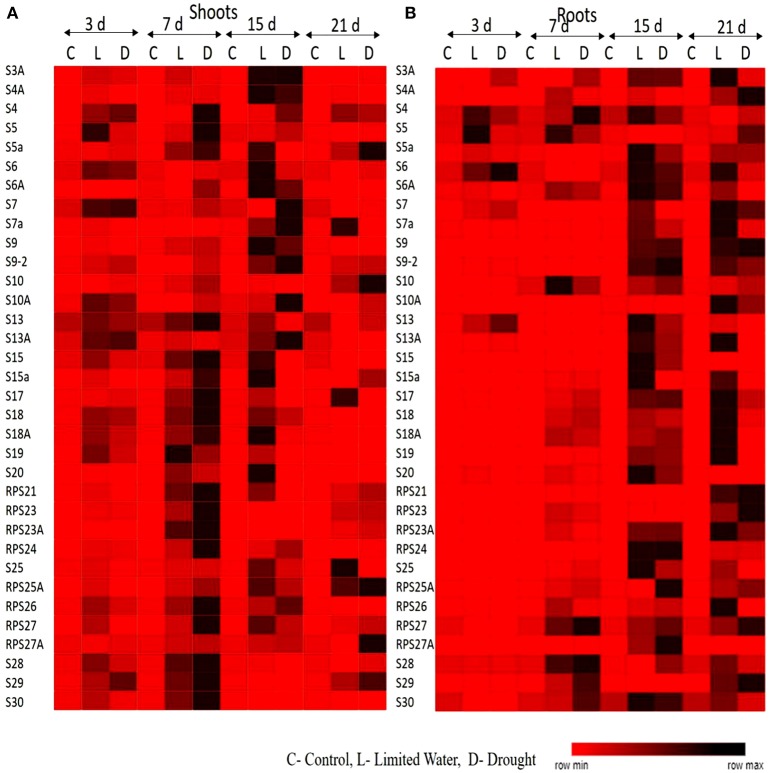
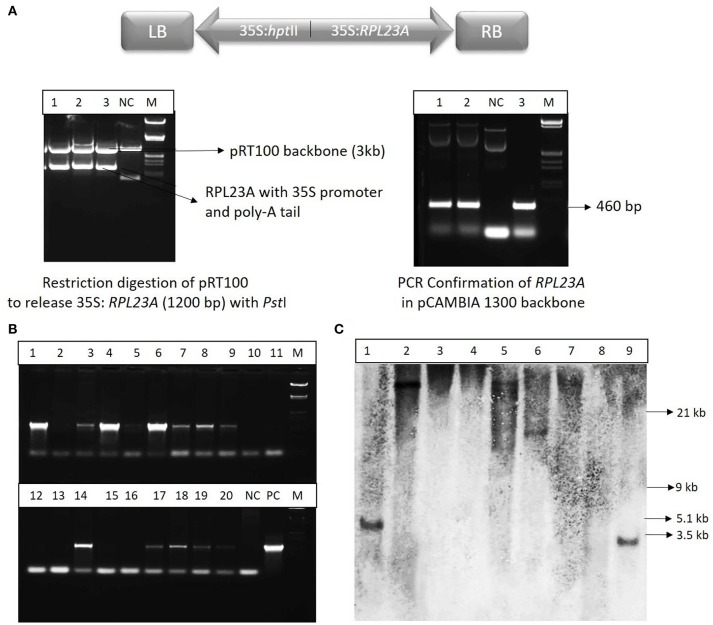
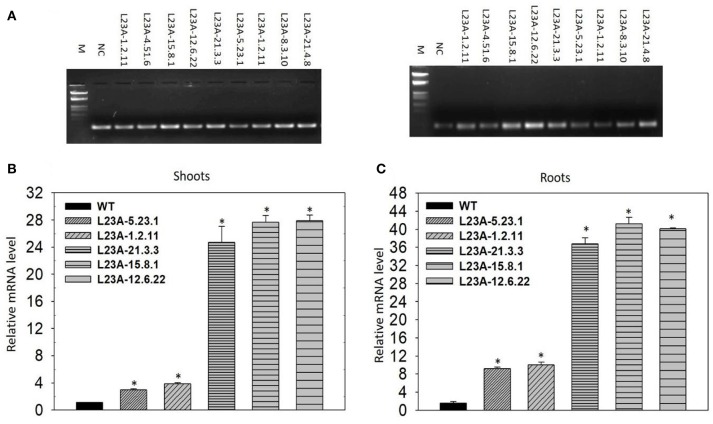
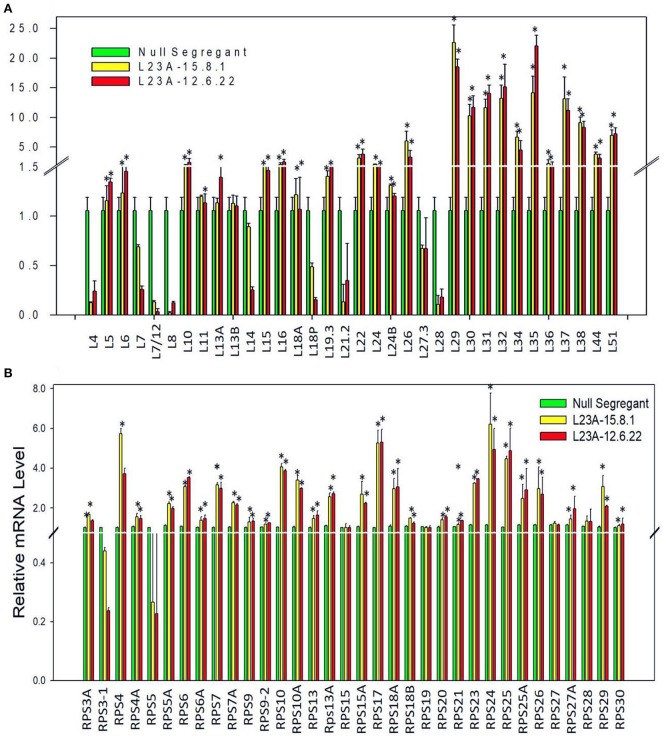
Our previous findings on the screening of a large-pool of activation tagged rice plants grown under limited water conditions revealed the activation of Ribosomal Protein Large (RPL) subunit genes, and in two mutants that exhibited high water-use efficiency (WUE) with the genes getting activated by the integrated 4x enhancers (Moin et al., 2016a). In continuation of these findings, we have comprehensively characterized the Ribosomal Protein (RP) gene family including both small (RPS) and large (RPL) subunits, which have been identified to be encoded by at least 70 representative genes; RP-genes exist as multiple expressed copies with high nucleotide and amino acid sequence similarity. The differential expression of all the representative genes in rice was performed under limited water and drought conditions at progressive time intervals in the present study. More than 50% of the RP genes were upregulated in both shoot and root tissues. Some of them exhibited an overlap in upregulation under both the treatments indicating that they might have a common role in inducing tolerance under limited water and drought conditions. Among the genes that became significantly upregulated in both the tissues and under both the treatments are , and and and . To further validate the role of RP genes in WUE and inducing tolerance to other stresses, we have raised transgenic plants overexpressing in rice. The high expression lines of exhibited low ΔC, increased quantum efficiency along with suitable growth and yield parameters with respect to negative control under the conditions of limited water availability. The constitutive expression of was also associated with transcriptional upregulation of many other RPL and RPS genes. The seedlings of high expression lines also showed a significant increase in fresh weight, root length, proline and chlorophyll contents under simulated drought and salt stresses. Taken together, our findings provide a secure basis for the RPL gene family expression as a potential resource for exploring abiotic stress tolerant properties in rice.
我们之前对在水分受限条件下生长的大量激活标签水稻植株进行筛选的结果显示,核糖体蛋白大亚基(RPL)基因被激活,并且在两个通过整合的4x增强子激活这些基因而表现出高水分利用效率(WUE)的突变体中也是如此(莫因等人,2016a)。延续这些发现,我们全面表征了核糖体蛋白(RP)基因家族,包括小亚基(RPS)和大亚基(RPL),已确定它们由至少70个代表性基因编码;RP基因以多个表达拷贝的形式存在,具有高核苷酸和氨基酸序列相似性。在本研究中,对水稻中所有代表性基因在水分受限和干旱条件下的不同时间间隔进行了差异表达分析。超过50%的RP基因在地上部和根组织中均上调。其中一些基因在两种处理下的上调存在重叠,表明它们可能在水分受限和干旱条件下诱导耐受性方面具有共同作用。在两种组织和两种处理下均显著上调的基因有 、 、 以及 。为了进一步验证RP基因在水分利用效率和诱导对其他胁迫的耐受性中的作用,我们培育了在水稻中过表达 的转基因植株。在水分可利用量受限的条件下, 高表达系相对于阴性对照表现出低ΔC、量子效率增加以及合适的生长和产量参数。 的组成型表达还与许多其他RPL和RPS基因的转录上调相关。 高表达系的幼苗在模拟干旱和盐胁迫下,鲜重、根长、脯氨酸和叶绿素含量也显著增加。综上所述,我们的研究结果为RPL基因家族的表达作为探索水稻非生物胁迫耐受性特性的潜在资源提供了可靠依据。