Hu Yan, Ke Lei, Chen Hao, Zhuo Ma, Yang Xinzhou, Zhao Dan, Zeng Suying, Xiao Xincai
Department of Pharmaceutics, School of Pharmaceutical Science, South-Central University for Nationalities.
Department of Medicinal Chemistry, School of Pharmacy, Tongji Medical College, Huazhong University of Science and Technology, Wuhan, People's Republic of China.
Int J Nanomedicine. 2017 Nov 22;12:8411-8426. doi: 10.2147/IJN.S148438. eCollection 2017.
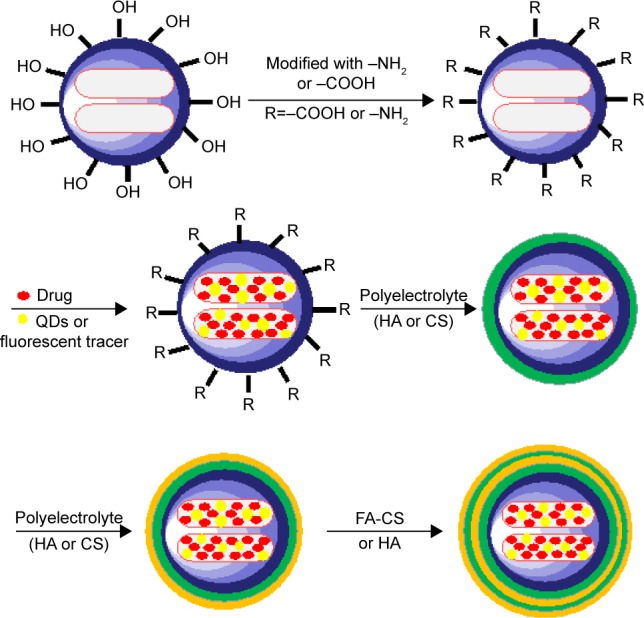
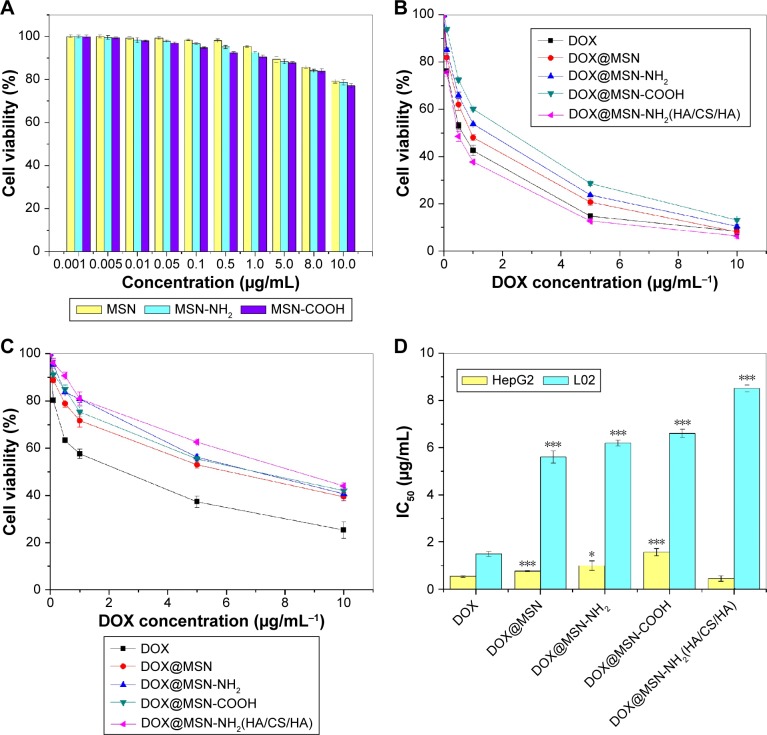
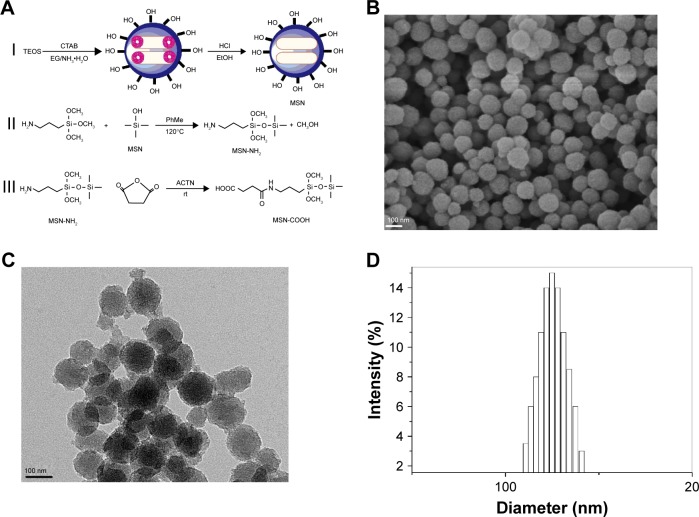
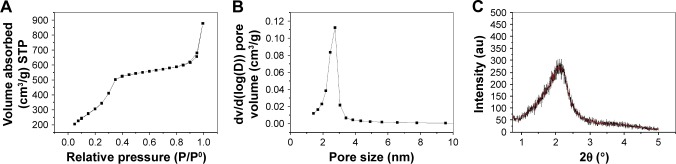
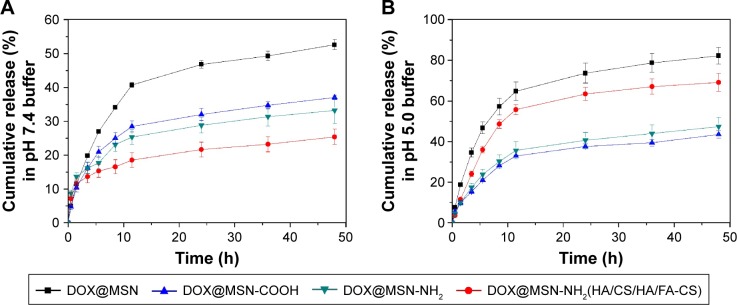
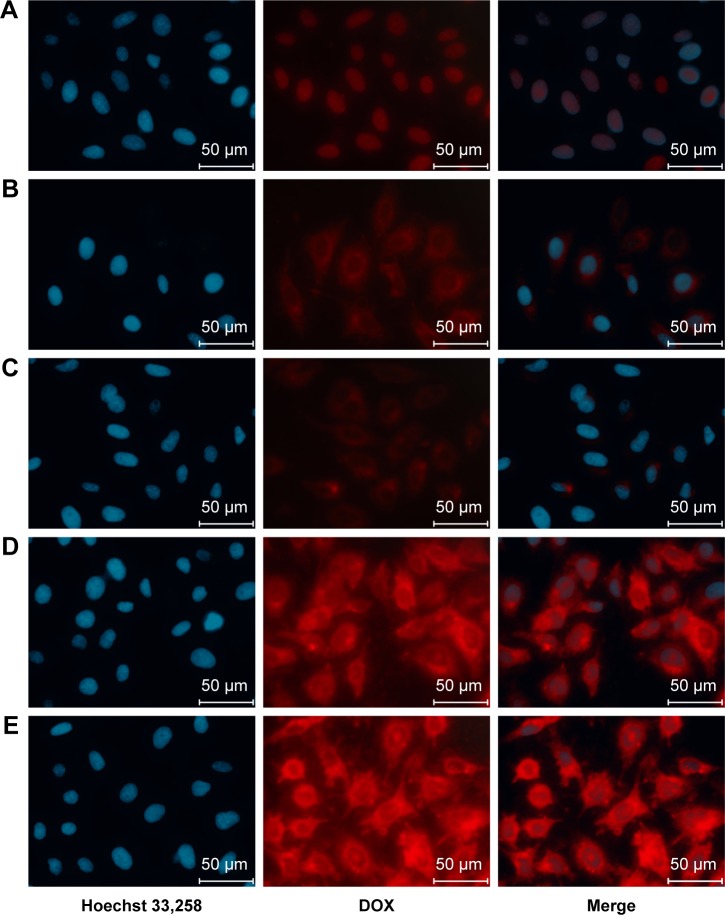
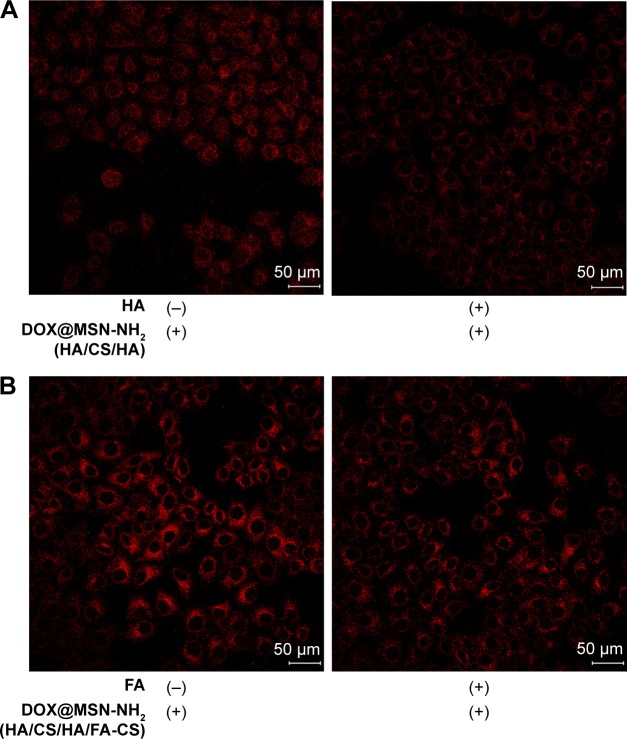
To avoid the side effects caused by nonspecific targeting, premature release, weak selectivity, and poor therapeutic efficacy of current nanoparticle-based systems used for drug delivery, we fabricated natural material-decorated nanoparticles as a multifunctional, membrane-controlled targeted drug delivery system. The nanocomposite material coated with a membrane was biocompatible and integrated both specific tumor targeting and responsiveness to stimulation, which improved transmission efficacy and controlled drug release. Mesoporous silica nanoparticles (MSNs), which are known for their biocompatibility and high drug-loading capacity, were selected as a model drug container and carrier. The membrane was established by the polyelectrolyte composite method from chitosan (CS) which was sensitive to the acidic tumor microenvironment, folic acid-modified CS which recognizes the folate receptor expressed on the tumor cell surface, and a CD receptor-targeted polysaccharide hyaluronic acid. We characterized the structure of the nanocomposite as well as the drug release behavior under the control of the pH-sensitive membrane switch and evaluated the antitumor efficacy of the system in vitro. Our results provide a basis for the design and fabrication of novel membrane-controlled nanoparticles with improved tumor-targeting therapy.
为避免当前用于药物递送的基于纳米颗粒的系统因非特异性靶向、过早释放、选择性弱和治疗效果差而产生的副作用,我们制备了天然材料修饰的纳米颗粒作为一种多功能、膜控靶向药物递送系统。涂有膜的纳米复合材料具有生物相容性,兼具特异性肿瘤靶向性和对刺激的响应性,提高了传递效率并控制了药物释放。以具有生物相容性和高载药量而闻名的介孔二氧化硅纳米颗粒(MSNs)作为模型药物容器和载体。该膜通过聚电解质复合方法由对酸性肿瘤微环境敏感的壳聚糖(CS)、识别肿瘤细胞表面表达的叶酸受体的叶酸修饰CS以及CD受体靶向多糖透明质酸构建而成。我们对纳米复合材料的结构以及pH敏感膜开关控制下的药物释放行为进行了表征,并评估了该系统在体外的抗肿瘤疗效。我们的结果为设计和制备具有改进肿瘤靶向治疗效果的新型膜控纳米颗粒提供了依据。