Matsubara Takashi
Computational Intelligence, Fundamentals of Computational Science, Department of Computational Science, Graduate School of System Informatics, Kobe University, Hyogo, Japan.
Front Comput Neurosci. 2017 Nov 21;11:104. doi: 10.3389/fncom.2017.00104. eCollection 2017.
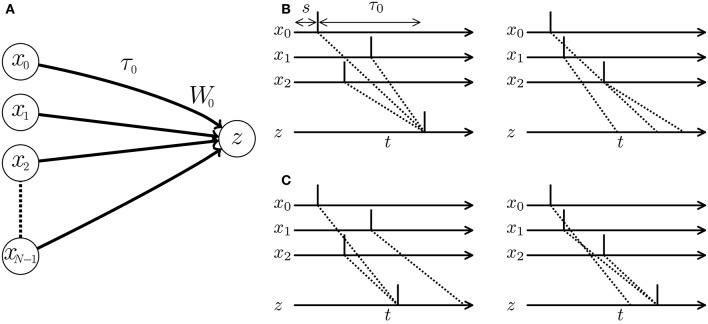
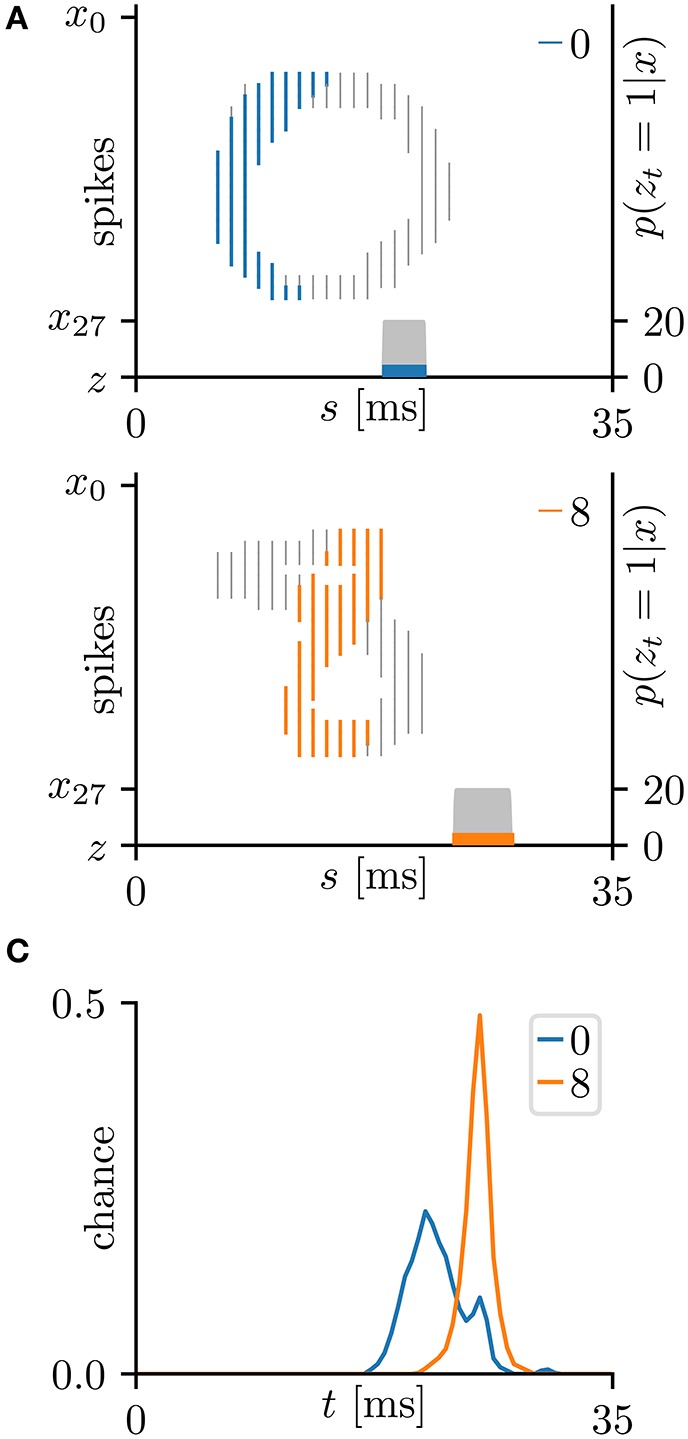
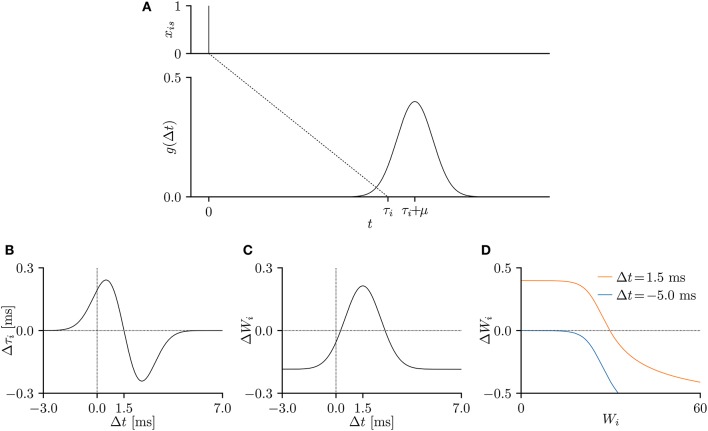
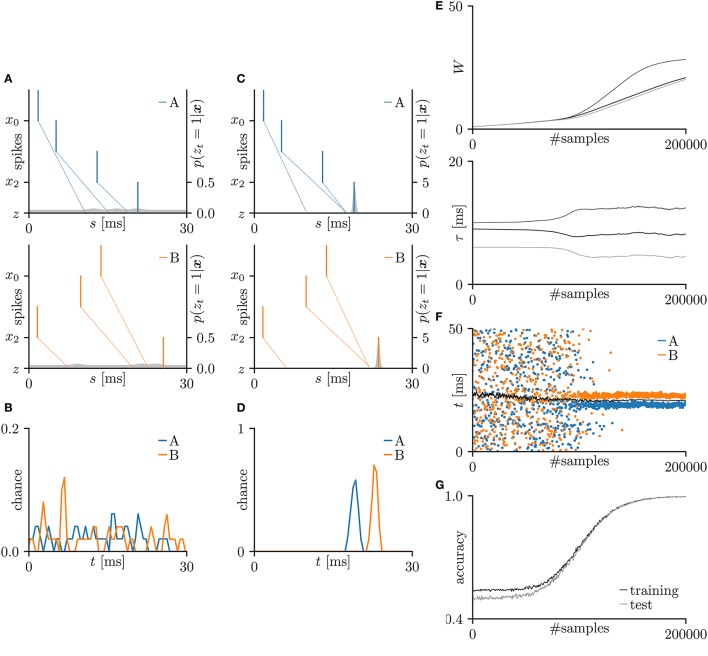
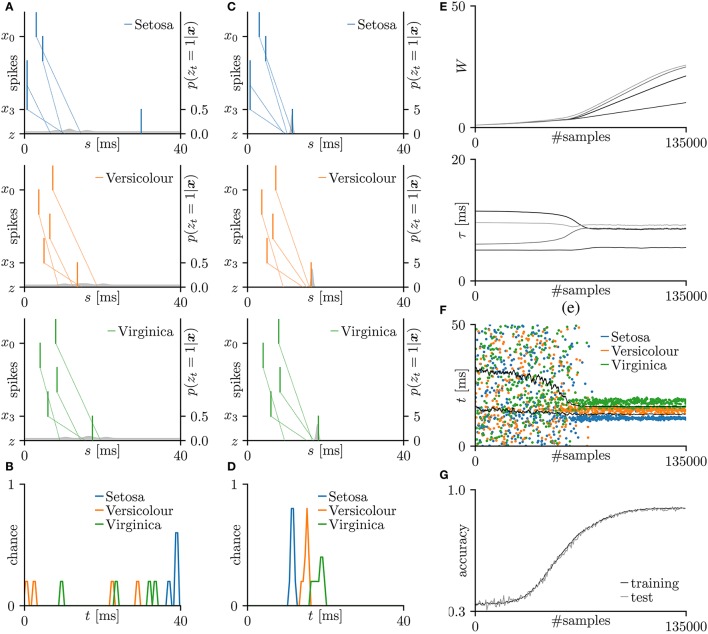
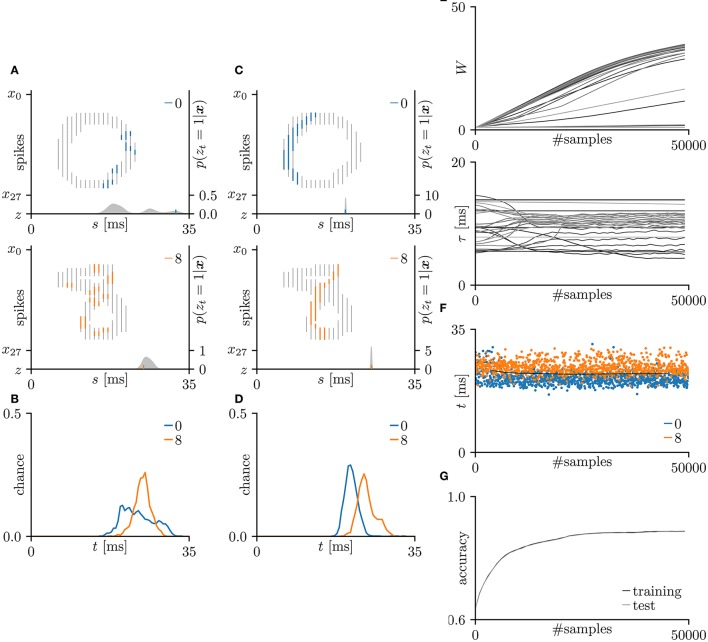
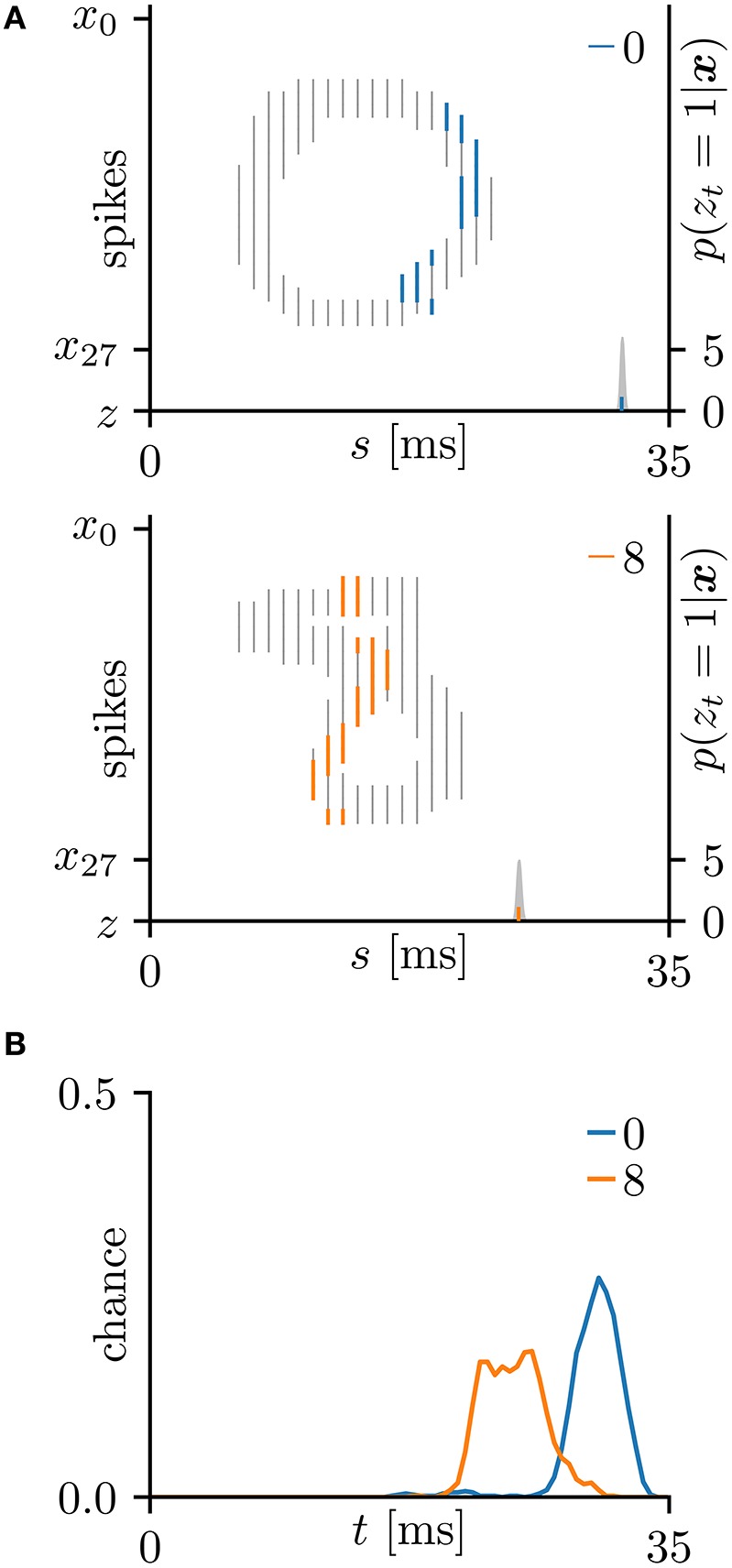
Precise spike timing is considered to play a fundamental role in communications and signal processing in biological neural networks. Understanding the mechanism of spike timing adjustment would deepen our understanding of biological systems and enable advanced engineering applications such as efficient computational architectures. However, the biological mechanisms that adjust and maintain spike timing remain unclear. Existing algorithms adopt a supervised approach, which adjusts the axonal conduction delay and synaptic efficacy until the spike timings approximate the desired timings. This study proposes a spike timing-dependent learning model that adjusts the axonal conduction delay and synaptic efficacy in both unsupervised and supervised manners. The proposed learning algorithm approximates the Expectation-Maximization algorithm, and classifies the input data encoded into spatio-temporal spike patterns. Even in the supervised classification, the algorithm requires no external spikes indicating the desired spike timings unlike existing algorithms. Furthermore, because the algorithm is consistent with biological models and hypotheses found in existing biological studies, it could capture the mechanism underlying biological delay learning.
精确的脉冲发放时间被认为在生物神经网络的通信和信号处理中起着基础性作用。理解脉冲发放时间调整机制将加深我们对生物系统的理解,并推动诸如高效计算架构等先进工程应用的发展。然而,调节和维持脉冲发放时间的生物学机制仍不清楚。现有算法采用监督方法,即调整轴突传导延迟和突触效能,直到脉冲发放时间接近期望时间。本研究提出了一种依赖脉冲发放时间的学习模型,该模型以无监督和监督方式调整轴突传导延迟和突触效能。所提出的学习算法近似于期望最大化算法,并对编码为时空脉冲模式的输入数据进行分类。即使在监督分类中,与现有算法不同,该算法也不需要指示期望脉冲发放时间的外部脉冲。此外,由于该算法与现有生物学研究中发现的生物学模型和假设一致,它可以捕捉生物延迟学习的潜在机制。