Regan-Komito Daniel, Valaris Sophia, Kapellos Theodore S, Recio Carlota, Taylor Lewis, Greaves David R, Iqbal Asif J
Sir William Dunn School of Pathology, University of Oxford, Oxford, United Kingdom.
College of Medical and Dental Sciences, Institute of Cardiovascular Sciences, University of Birmingham, Birmingham, United Kingdom.
Front Immunol. 2017 Nov 21;8:1621. doi: 10.3389/fimmu.2017.01621. eCollection 2017.
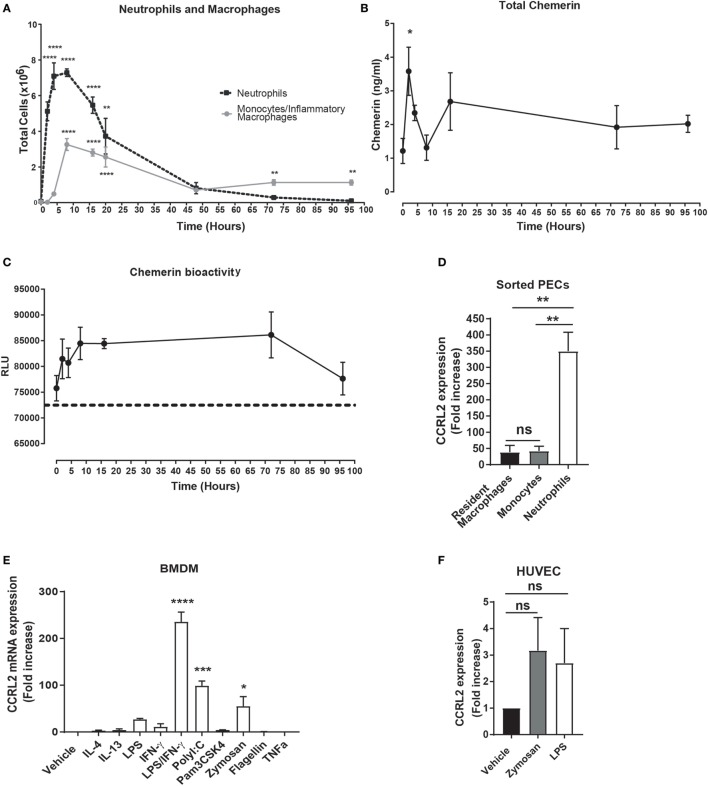
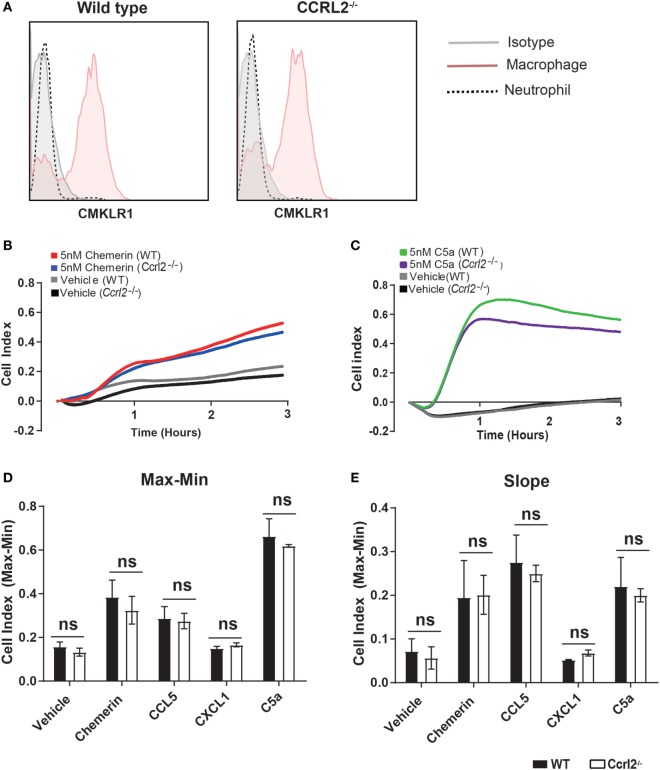
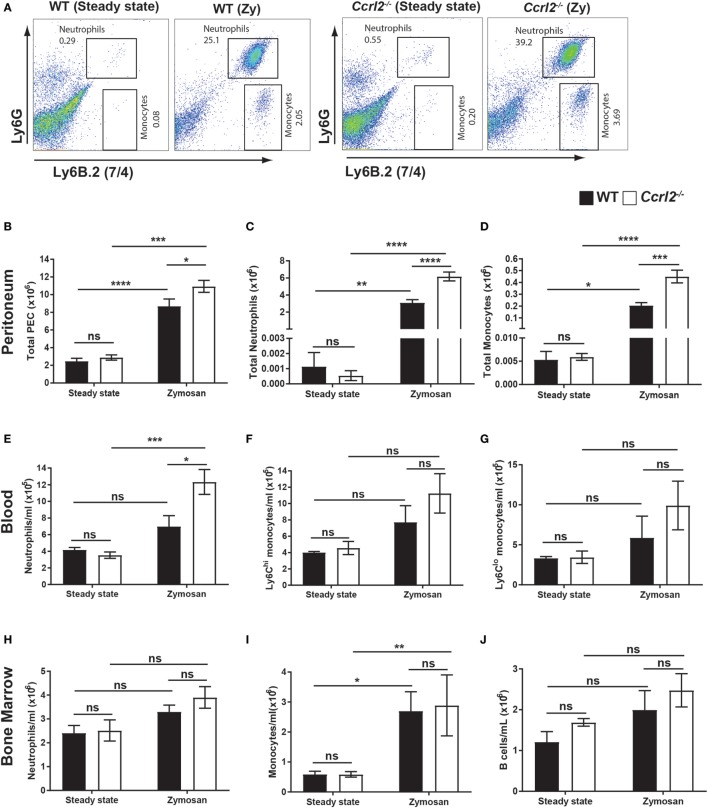
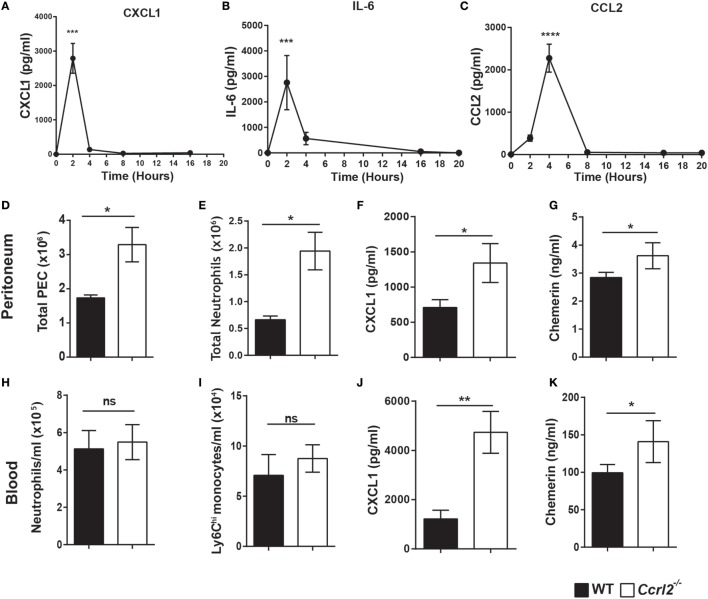
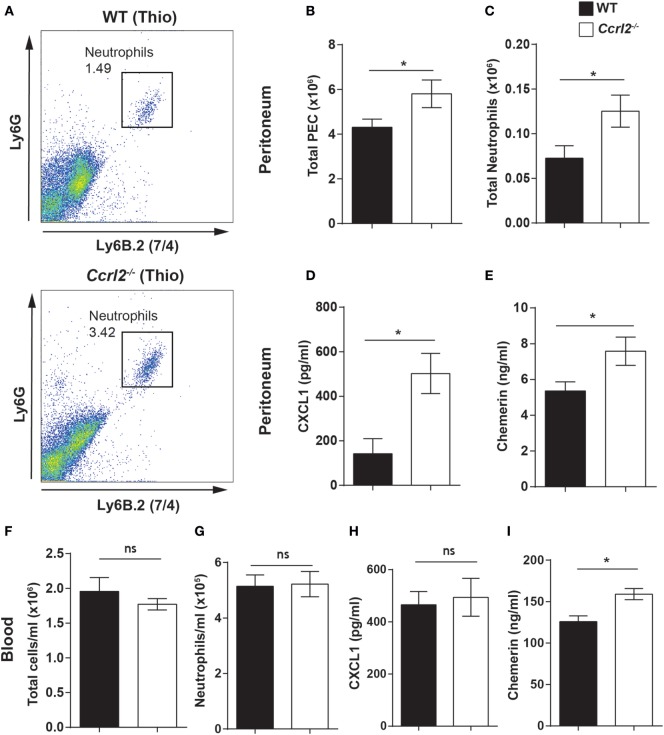
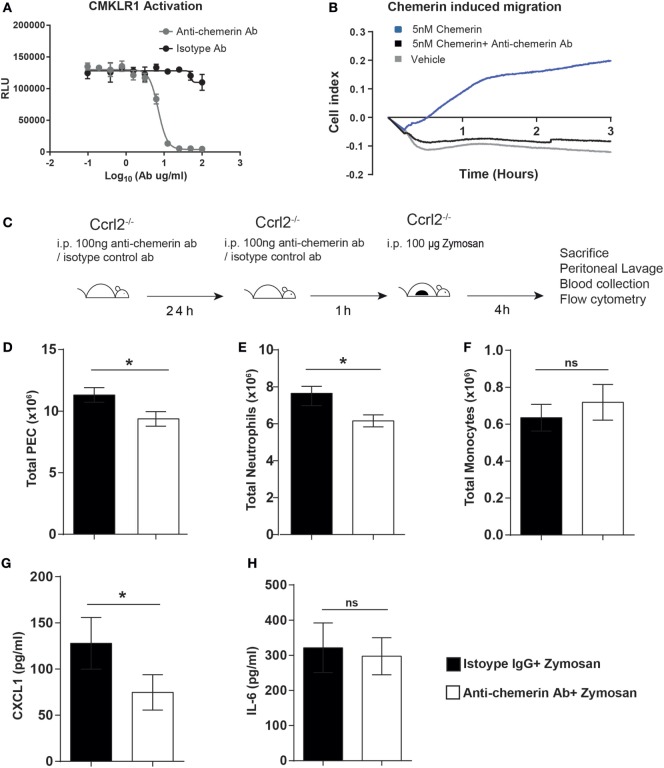
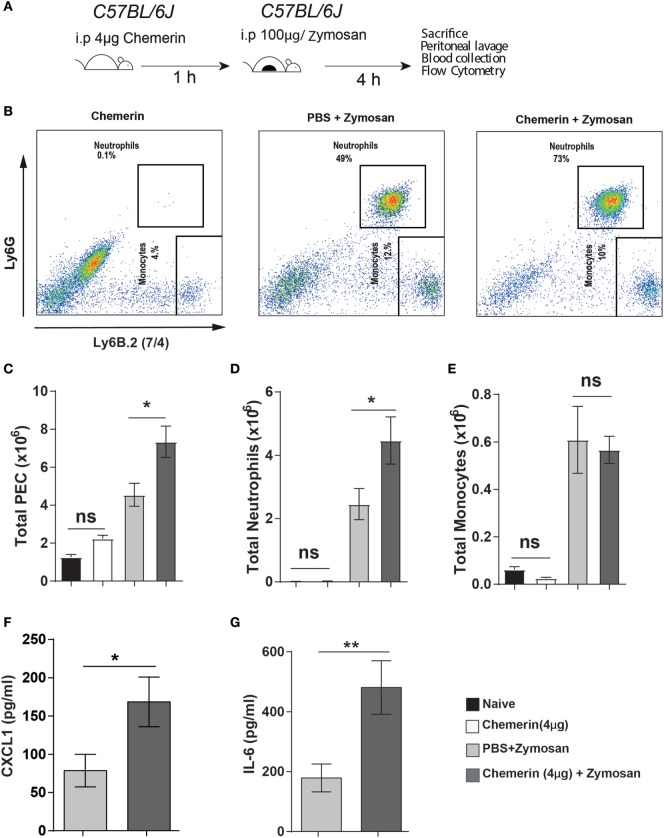
Chemerin is a chemotactic protein that induces migration of several immune cells including macrophages, immature dendritic cells, and NK cells. Chemerin binds to three G protein-coupled receptors (GPCRs), including CCRL2. The exact function of CCRL2 remains unclear. CCRL2 expression is rapidly upregulated during inflammation, but it lacks the intracellular DRYLAIV motif required for classical GPCR downstream signalling pathways, and it has not been reported to internalise chemerin upon binding. The aim of this study was to investigate what role if any CCRL2 plays during acute inflammation. Using the zymosan- and thioglycollate-induced murine models of acute inflammation, we report that mice deficient in the gene display exaggerated local and systemic inflammatory responses, characterised by increased myeloid cell recruitment. This amplified myeloid cell recruitment was associated with increased chemerin and CXCL1 levels. Furthermore, we report that the inflammatory phenotype observed in these mice is dependent upon elevated levels of endogenous chemerin. Antibody neutralisation of chemerin activity in mice abrogated the amplified inflammatory responses. Importantly, chemerin did not directly recruit myeloid cells but rather increased the production of other chemotactic proteins such as CXCL1. Administration of recombinant chemerin to wild-type mice before inflammatory challenge recapitulated the increased myeloid cell recruitment and inflammatory mediator production observed in mice. We have demonstrated that the absence of CCRL2 results in increased levels of local and systemic chemerin levels and exacerbated inflammatory responses during acute inflammatory challenge. These results further highlight the importance of chemerin as a therapeutic target in inflammatory diseases.
趋化素是一种趋化蛋白,可诱导包括巨噬细胞、未成熟树突状细胞和自然杀伤细胞在内的多种免疫细胞迁移。趋化素与三种G蛋白偶联受体(GPCR)结合,包括CCRL2。CCRL2的确切功能尚不清楚。CCRL2的表达在炎症过程中迅速上调,但它缺乏经典GPCR下游信号通路所需的细胞内DRYLAIV基序,并且尚未有报道称其在结合趋化素后会发生内化。本研究的目的是调查CCRL2在急性炎症过程中是否发挥作用以及发挥何种作用。使用酵母聚糖和巯基乙酸盐诱导的急性炎症小鼠模型,我们报告称基因缺失的小鼠表现出局部和全身炎症反应加剧,其特征是髓样细胞募集增加。这种髓样细胞募集的增加与趋化素和CXCL1水平的升高有关。此外,我们报告称在这些小鼠中观察到的炎症表型依赖于内源性趋化素水平的升高。对小鼠趋化素活性进行抗体中和可消除放大的炎症反应。重要的是,趋化素并不直接募集髓样细胞,而是增加其他趋化蛋白如CXCL1的产生。在炎症刺激前给野生型小鼠注射重组趋化素,重现了在小鼠中观察到的髓样细胞募集增加和炎症介质产生增加的现象。我们已经证明,CCRL2的缺失导致急性炎症刺激期间局部和全身趋化素水平升高以及炎症反应加剧。这些结果进一步凸显了趋化素作为炎症性疾病治疗靶点的重要性。