Tsai Johnson Lui-Lui, Zou Taotao, Liu Jia, Chen Tianfeng, Chan Anna On-Yee, Yang Chen, Lok Chun-Nam, Che Chi-Ming
State Key Laboratory of Synthetic Chemistry , Institute of Molecular Functional Materials , Chemical Biology Centre and Department of Chemistry , The University of Hong Kong , Pokfulam Road , Hong Kong , China . Email:
HKU Shenzhen Institute of Research and Innovation , Shenzhen 518053 , China.
Chem Sci. 2015 Jul 1;6(7):3823-3830. doi: 10.1039/c4sc03635b. Epub 2015 Apr 28.
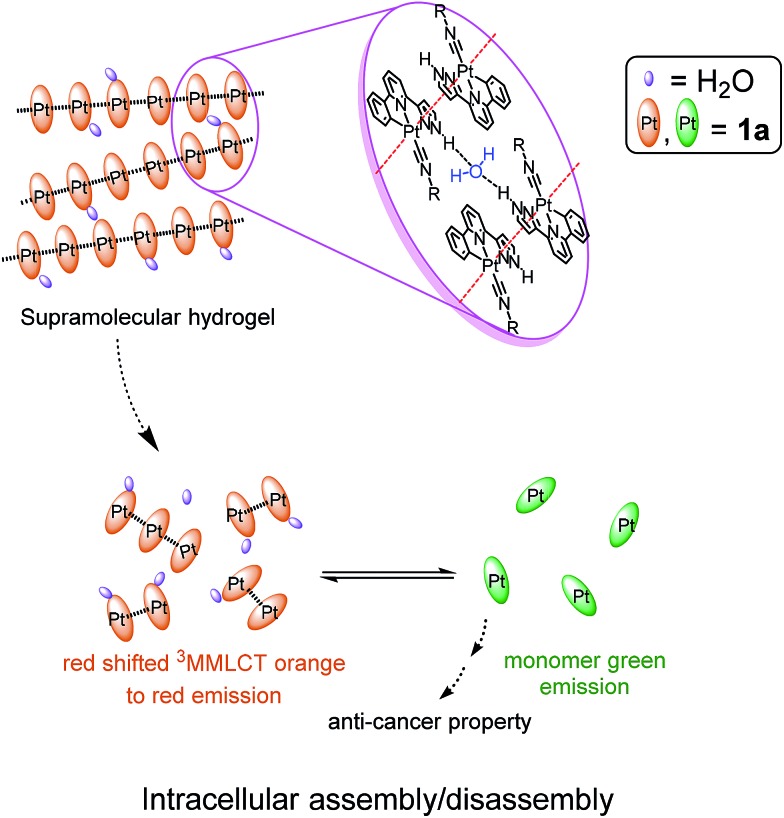
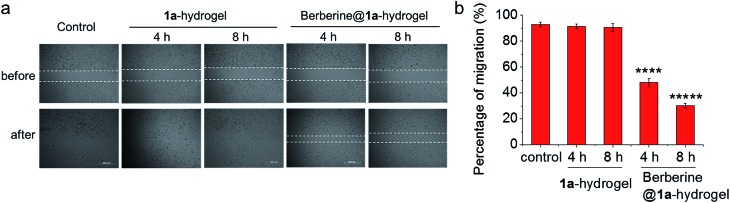
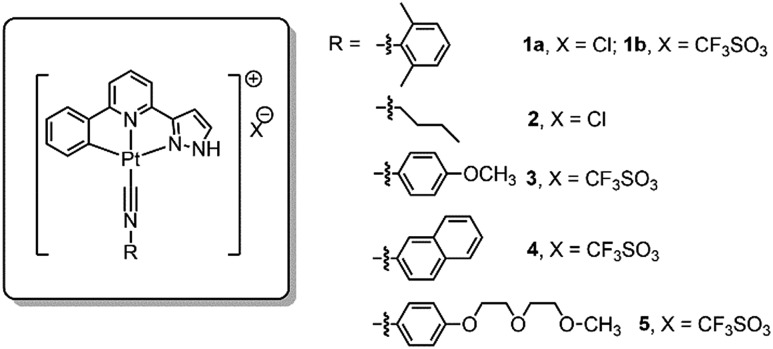
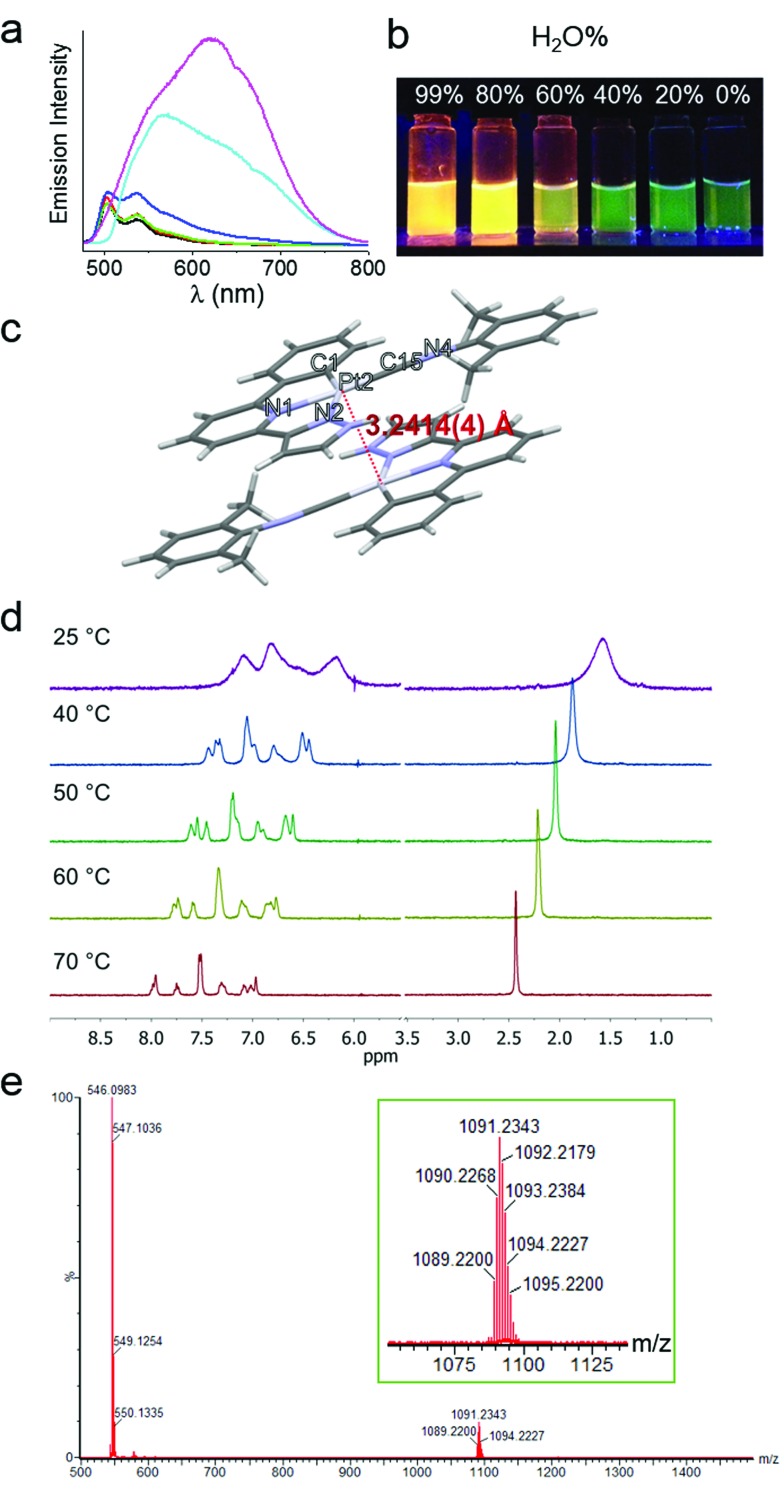
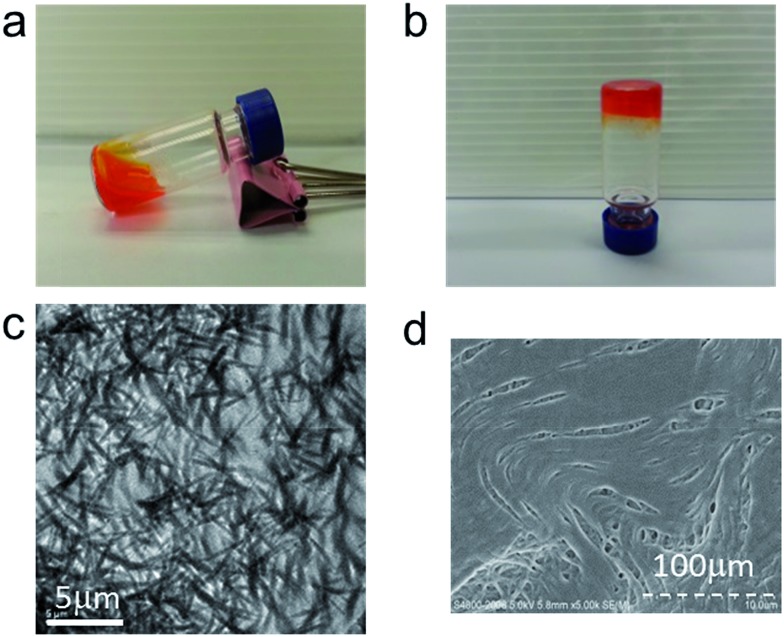
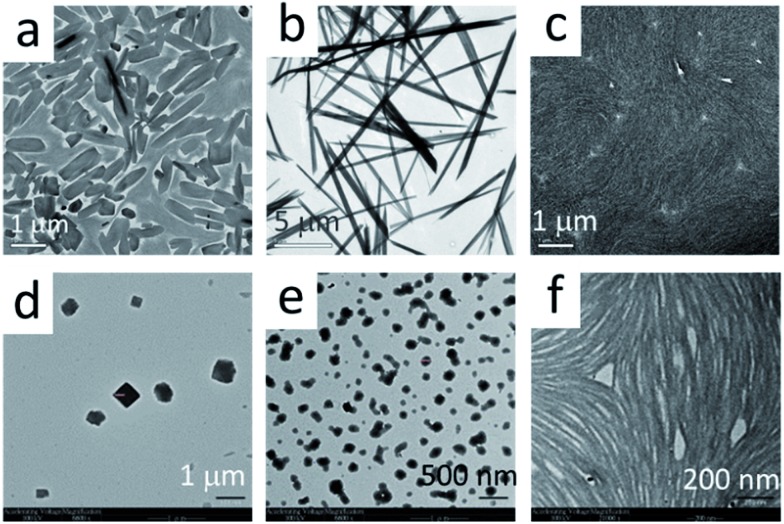
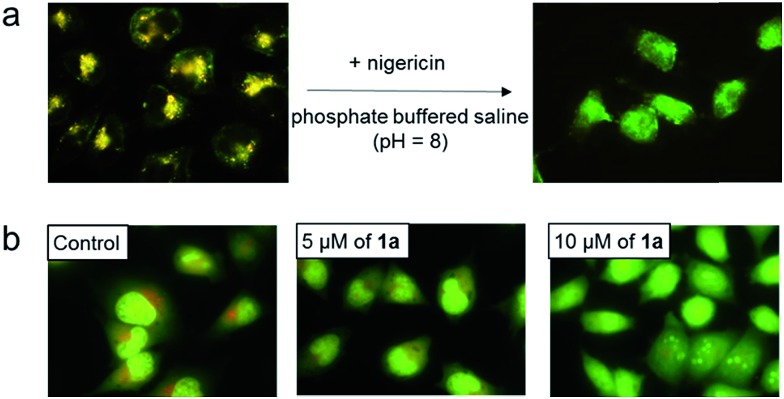
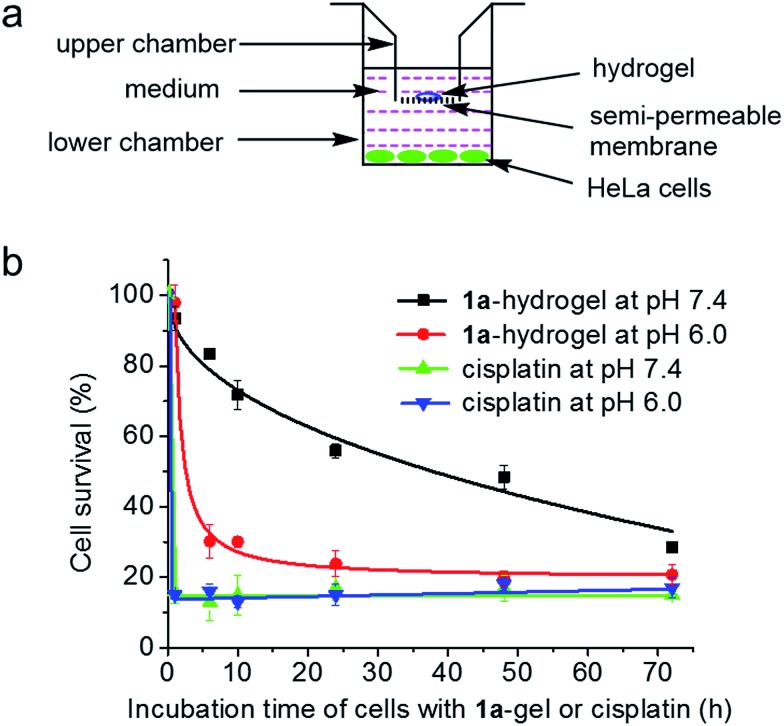
Supramolecular interactions are of paramount importance in biology and chemistry, and can be used to develop new vehicles for drug delivery. Recently, there is a surge of interest on self-assembled functional supramolecular structures driven by intermolecular metal-metal interactions in cellular conditions. Herein we report a series of luminescent Pt(ii) complexes [Pt(C^N^N)(C[triple bond, length as m-dash]NR)] [HC^N^N = 2-phenyl-6-(1-pyrazol-3-yl)-pyridine)] containing pincer type ligands having pyrazole moieties. These Pt(ii) complexes exert potent cytotoxicity to a panel of cancer cell lines including primary bladder cancer cells and display strong phosphorescence that is highly sensitive to the local environment. The self-assembly of these complexes is significantly affected by pH of the solution medium. Based on TEM, SEM, ESI-MS, absorption and emission spectroscopy, and fluorescence microscopy together with cell based assays, [Pt(C^N^N)(C[triple bond, length as m-dash]NR)] complexes were observed to self-assemble into orange phosphorescent polymeric aggregates driven by intermolecular Pt(ii)-Pt(ii) and ligand-ligand interactions in a low-pH physiological medium. Importantly, the intracellular assembly and dis-assembly of [Pt(C^N^N)(C[triple bond, length as m-dash]NR)] are accompanied by change of emission color from orange to green. These [Pt(C^N^N)(C[triple bond, length as m-dash]NR)] complexes accumulated in the lysosomes of cancer cells, increased the lysosomal membrane permeability and induced cell death. One of these platinum(ii) complexes formed hydrogels which displayed pH-responsive and sustained release properties, leading to low-pH-stimulated and time-dependent cytotoxicity towards cancer cells. These hydrogels can function as vehicles to deliver anti-cancer agent cargo, such as the bioactive natural products studied in this work.
超分子相互作用在生物学和化学中至关重要,可用于开发新型药物递送载体。最近,由细胞条件下分子间金属 - 金属相互作用驱动的自组装功能性超分子结构引发了人们极大的兴趣。在此,我们报道了一系列含有吡唑部分的钳型配体的发光Pt(ii)配合物[Pt(C^N^N)(C≡NR)] [HC^N^N = 2 - 苯基 - 6 - (1 - 吡唑 - 3 - 基) - 吡啶]。这些Pt(ii)配合物对包括原发性膀胱癌细胞在内的一系列癌细胞系具有强大的细胞毒性,并表现出对局部环境高度敏感的强磷光。这些配合物的自组装受到溶液介质pH值的显著影响。基于透射电子显微镜(TEM)、扫描电子显微镜(SEM)、电喷雾电离质谱(ESI - MS)、吸收和发射光谱以及荧光显微镜,结合细胞实验,观察到[Pt(C^N^N)(C≡NR)]配合物在低pH生理介质中通过分子间Pt(ii) - Pt(ii)和配体 - 配体相互作用自组装成橙色磷光聚合物聚集体。重要的是,[Pt(C^N^N)(C≡NR)]在细胞内的组装和解组装伴随着发射颜色从橙色变为绿色。这些[Pt(C^N^N)(C≡NR)]配合物在癌细胞的溶酶体中积累,增加了溶酶体膜通透性并诱导细胞死亡。其中一种铂(ii)配合物形成了具有pH响应和缓释特性的水凝胶,导致对癌细胞的低pH刺激和时间依赖性细胞毒性。这些水凝胶可作为载体来递送抗癌剂货物,例如本研究中所研究的生物活性天然产物。