Department of Anatomy, Poznan University of Medical Sciences, 60-781 Poznan, Poland.
Division of Infertility and Reproductive Endocrinology, Department of Gynecology, Obstetrics and Gynecological Oncology, Poznan University of Medical Sciences, 60-101 Poznan, Poland.
Int J Mol Sci. 2017 Dec 9;18(12):2673. doi: 10.3390/ijms18122673.
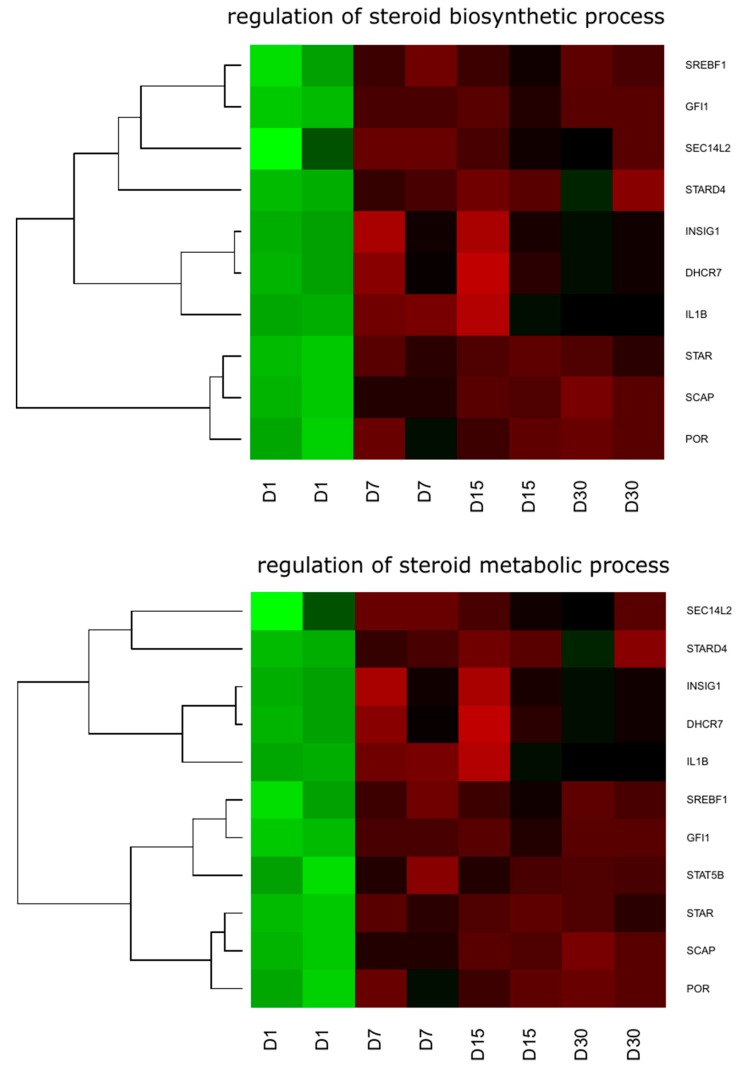
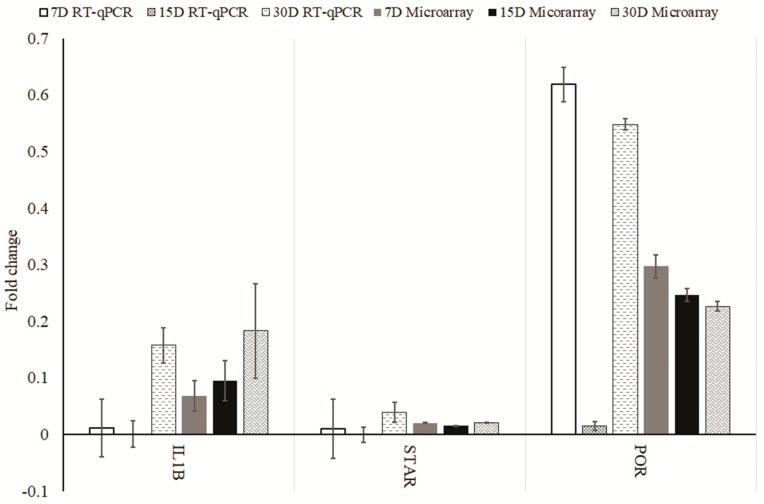
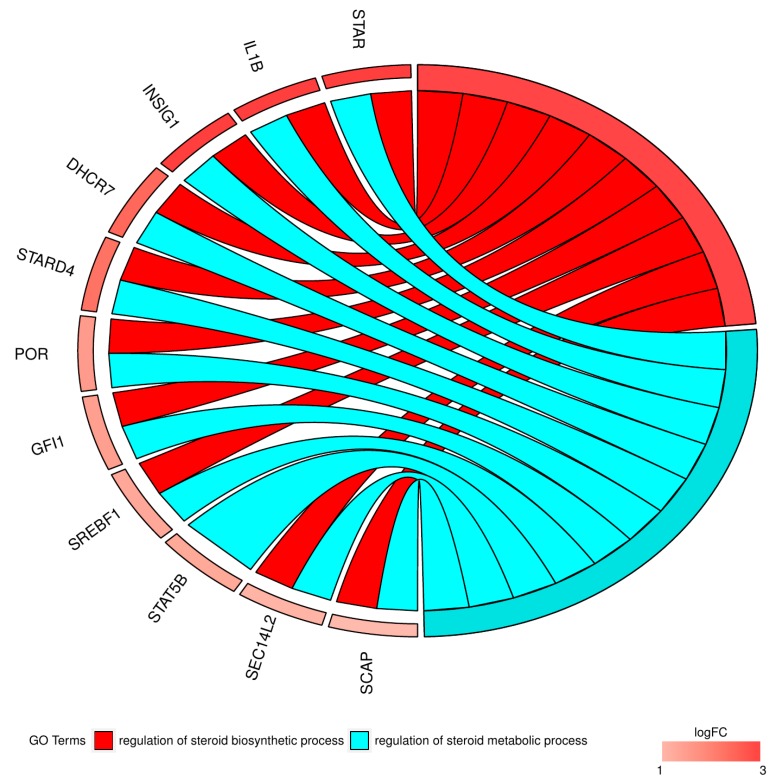
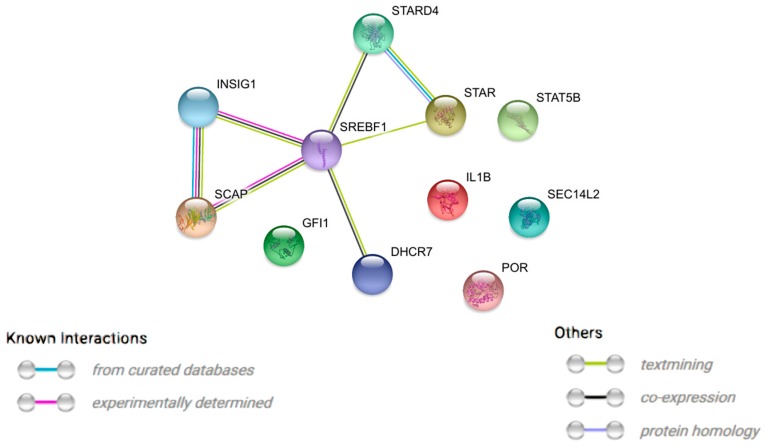
Because of the deep involvement of granulosa cells in the processes surrounding the cycles of menstruation and reproduction, there is a great need for a deeper understanding of the ways in which they function during the various stages of those cycles. One of the main ways in which the granulosa cells influence the numerous sex associated processes is hormonal interaction. Expression of steroid sex hormones influences a range of both primary and secondary sexual characteristics, as well as regulate the processes of oogenesis, folliculogenesis, ovulation, and pregnancy. Understanding of the exact molecular mechanisms underlying those processes could not only provide us with deep insight into the regulation of the reproductive cycle, but also create new clinical advantages in detection and treatment of various diseases associated with sex hormone abnormalities. We have used the microarray approach validated by RT-qPCR, to analyze the patterns of gene expression in primary cultures of human granulosa cells at days 1, 7, 15, and 30 of said cultures. We have especially focused on genes belonging to ontology groups associated with steroid biosynthesis and metabolism, namely "Regulation of steroid biosynthesis process" and "Regulation of steroid metabolic process". Eleven genes have been chosen, as they exhibited major change under a culture condition. Out of those, ten genes, namely , and , belong to both groups. Patterns of expression of those genes were analyzed, along with brief description of their functions. That analysis helped us achieve a better understanding of the exact molecular processes underlying steroid biosynthesis and metabolism in human granulosa cells.
由于颗粒细胞深深参与了月经周期和生殖过程的各个方面,因此非常需要深入了解它们在这些周期的各个阶段中的功能方式。颗粒细胞影响众多与性别相关过程的主要方式之一是激素相互作用。类固醇性激素的表达影响一系列主要和次要的性特征,并调节卵母细胞发生、卵泡发生、排卵和妊娠的过程。对这些过程背后的确切分子机制的理解不仅可以为我们提供对生殖周期调节的深入了解,还可以为检测和治疗与性激素异常相关的各种疾病创造新的临床优势。我们使用经 RT-qPCR 验证的微阵列方法,分析了在培养的第 1、7、15 和 30 天的人颗粒细胞原代培养物中的基因表达模式。我们特别关注属于与类固醇生物合成和代谢相关的本体论组的基因,即“类固醇生物合成过程的调节”和“类固醇代谢过程的调节”。选择了十一个基因,因为它们在培养条件下发生了重大变化。其中十个基因,即、和,属于这两个组。分析了这些基因的表达模式,并简要描述了它们的功能。该分析帮助我们更好地理解了人类颗粒细胞中类固醇生物合成和代谢的确切分子过程。