Embers Monica E, Hasenkampf Nicole R, Jacobs Mary B, Tardo Amanda C, Doyle-Meyers Lara A, Philipp Mario T, Hodzic Emir
Division of Bacteriology and Parasitology, Tulane National Primate Research Center, Tulane University Health Sciences Center, Covington, LA, United States of America.
Division of Veterinary Medicine, Tulane National Primate Research Center, Tulane University Health Sciences Center, Covington, LA, United States of America.
PLoS One. 2017 Dec 13;12(12):e0189071. doi: 10.1371/journal.pone.0189071. eCollection 2017.
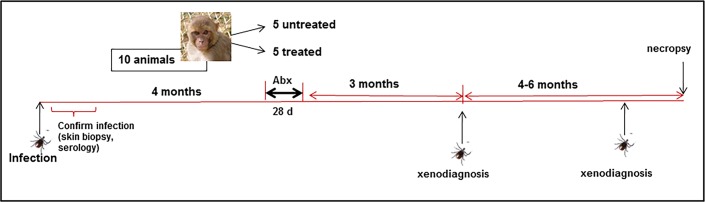
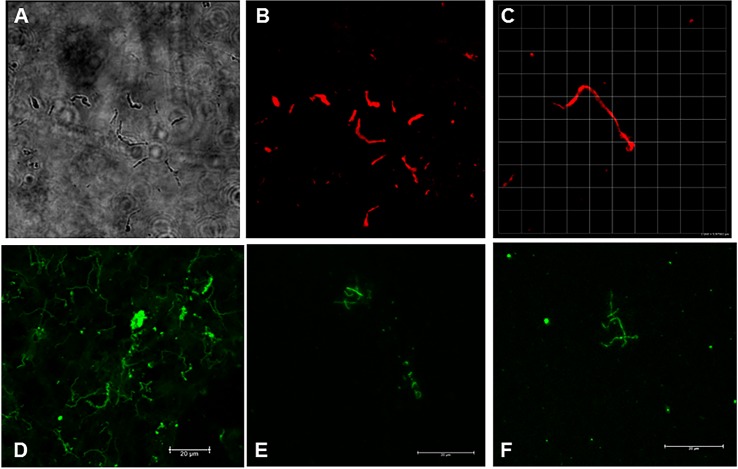
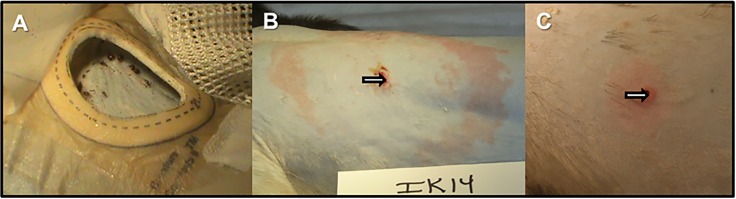
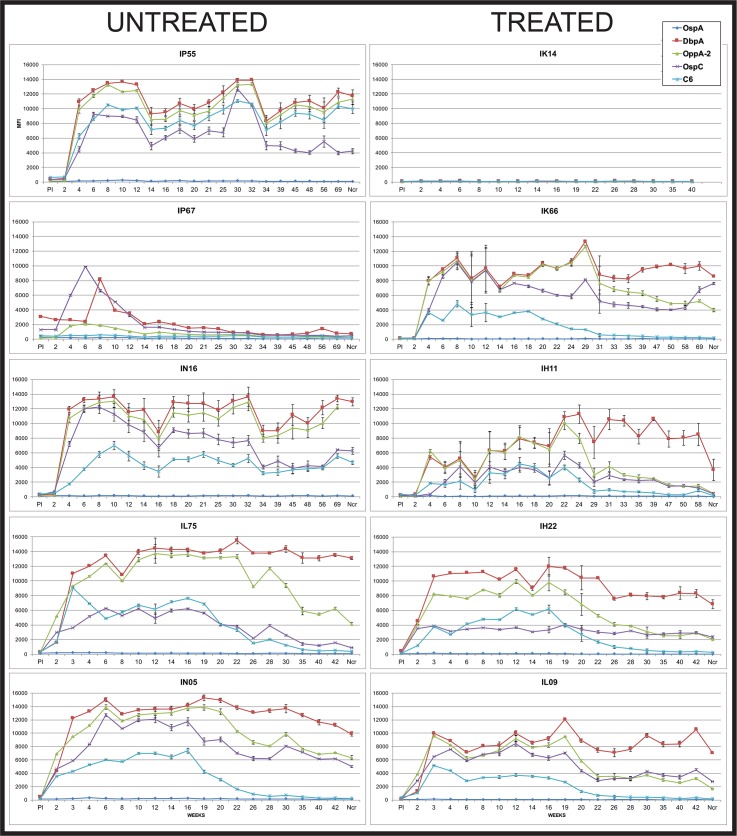
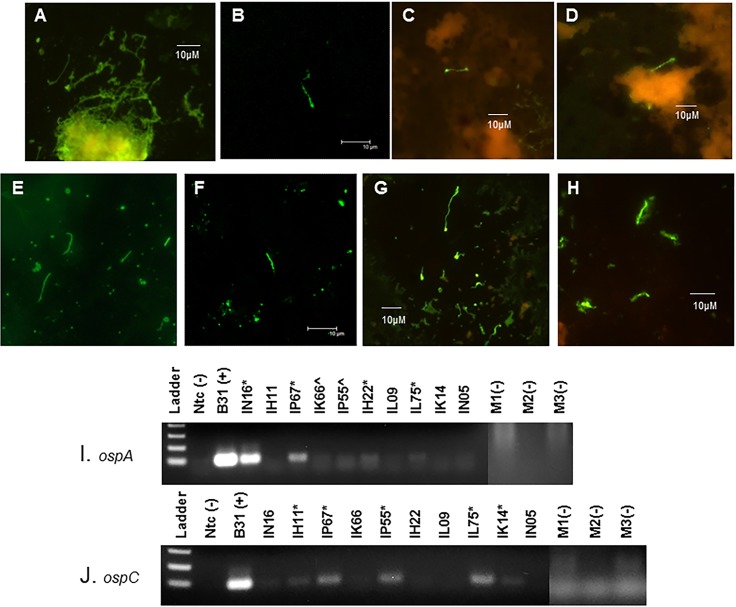
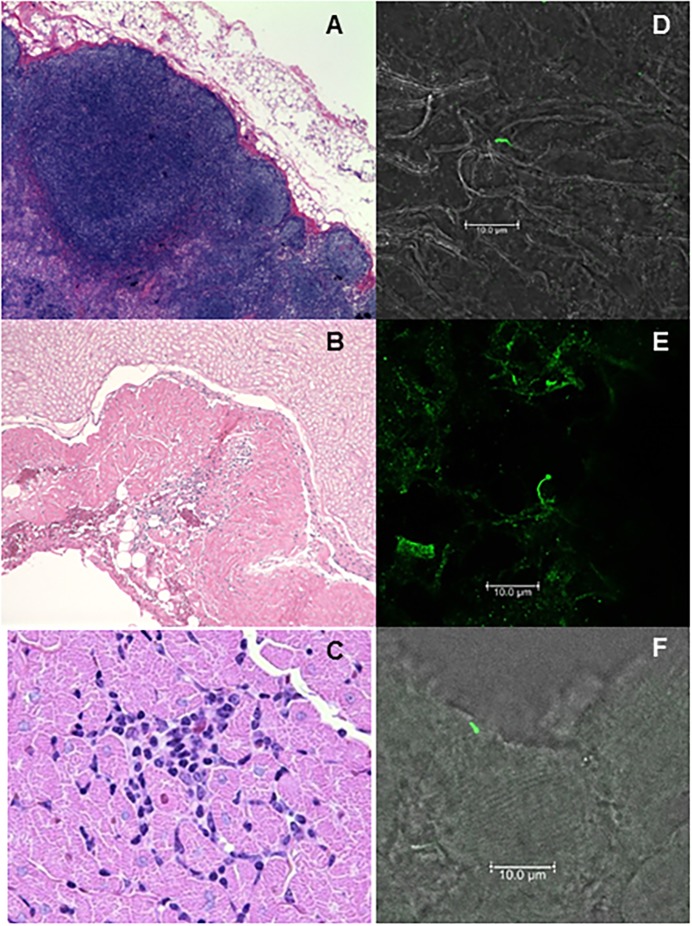
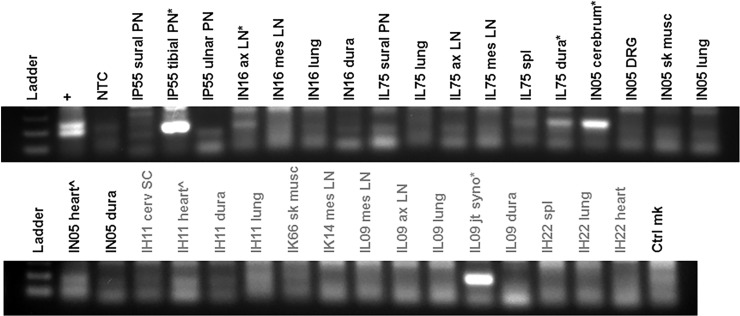
The efficacy and accepted regimen of antibiotic treatment for Lyme disease has been a point of significant contention among physicians and patients. While experimental studies in animals have offered evidence of post-treatment persistence of Borrelia burgdorferi, variations in methodology, detection methods and limitations of the models have led to some uncertainty with respect to translation of these results to human infection. With all stages of clinical Lyme disease having previously been described in nonhuman primates, this animal model was selected in order to most closely mimic human infection and response to treatment. Rhesus macaques were inoculated with B. burgdorferi by tick bite and a portion were treated with recommended doses of doxycycline for 28 days at four months post-inoculation. Signs of infection, clinical pathology, and antibody responses to a set of five antigens were monitored throughout the ~1.2 year study. Persistence of B. burgdorferi was evaluated using xenodiagnosis, bioassays in mice, multiple methods of molecular detection, immunostaining with polyclonal and monoclonal antibodies and an in vivo culture system. Our results demonstrate host-dependent signs of infection and variation in antibody responses. In addition, we observed evidence of persistent, intact, metabolically-active B. burgdorferi after antibiotic treatment of disseminated infection and showed that persistence may not be reflected by maintenance of specific antibody production by the host.
莱姆病抗生素治疗的疗效和公认方案一直是医生和患者之间激烈争论的焦点。虽然动物实验研究提供了伯氏疏螺旋体治疗后持续存在的证据,但方法学、检测方法的差异以及模型的局限性导致这些结果转化为人类感染情况时存在一些不确定性。鉴于此前已在非人灵长类动物中描述了临床莱姆病的各个阶段,选择这种动物模型是为了最接近地模拟人类感染及对治疗的反应。恒河猴通过蜱叮咬接种伯氏疏螺旋体,一部分在接种后四个月用推荐剂量的强力霉素治疗28天。在约1.2年的研究过程中,监测感染迹象、临床病理学以及对一组五种抗原的抗体反应。使用异种接种诊断法、小鼠生物测定法、多种分子检测方法、多克隆和单克隆抗体免疫染色以及体内培养系统评估伯氏疏螺旋体的持续存在情况。我们的结果表明存在宿主依赖性感染迹象和抗体反应差异。此外,我们观察到在抗生素治疗播散性感染后存在持续、完整、代谢活跃的伯氏疏螺旋体的证据,并表明持续性可能无法通过宿主维持特异性抗体产生来体现。