Laboratory of Molecular Neuro-Oncology, Department of Neurology, University Hospital and University of Zurich, Zurich, 8091, Switzerland.
Cell Death Dis. 2017 Dec 13;8(12):3210. doi: 10.1038/s41419-017-0051-2.
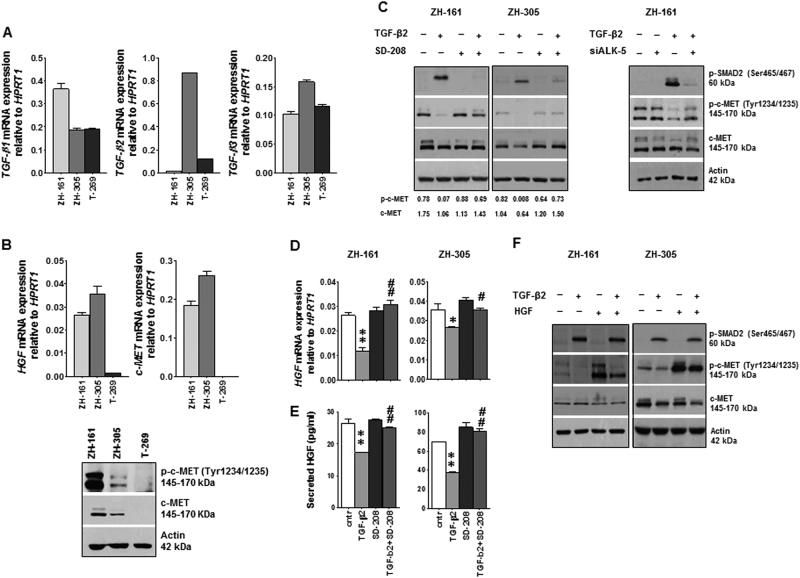
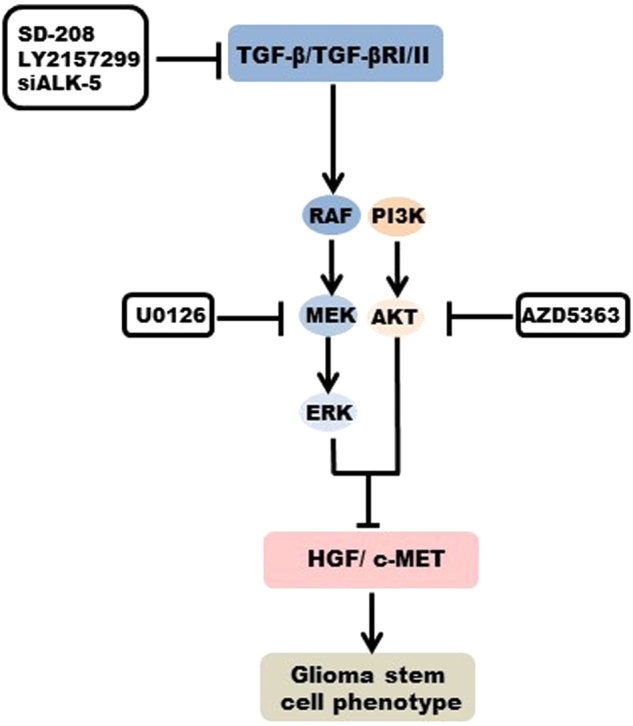
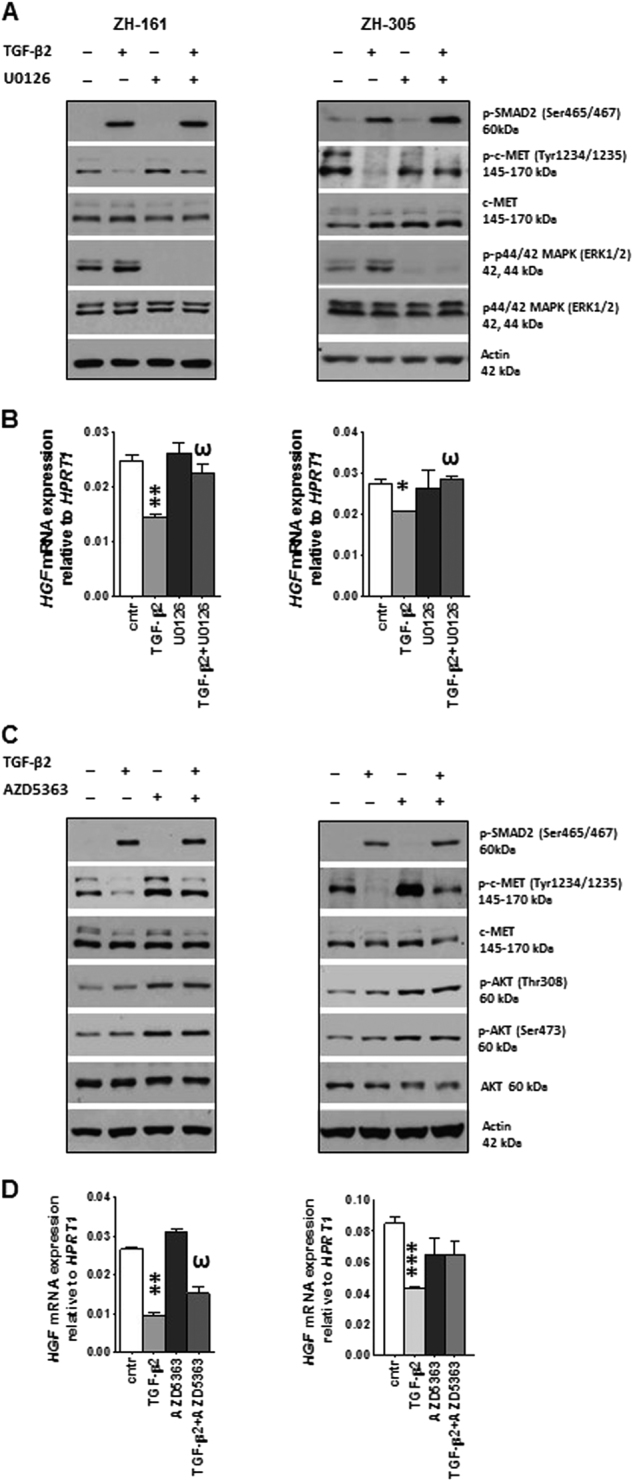
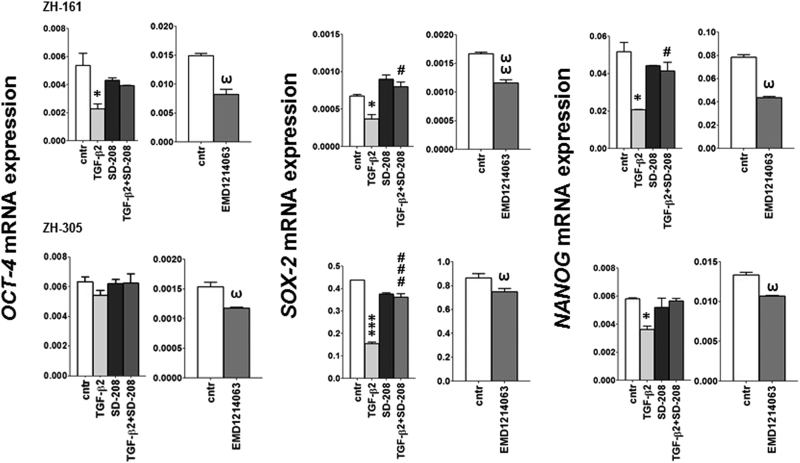
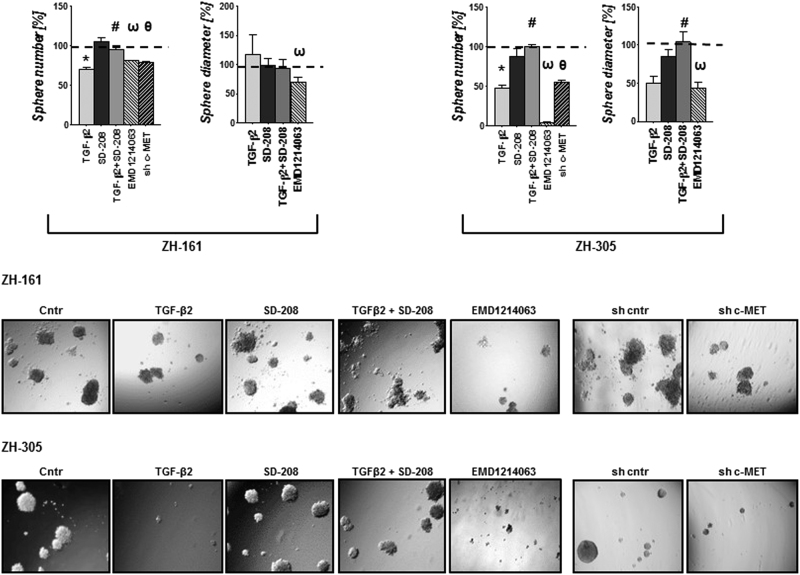
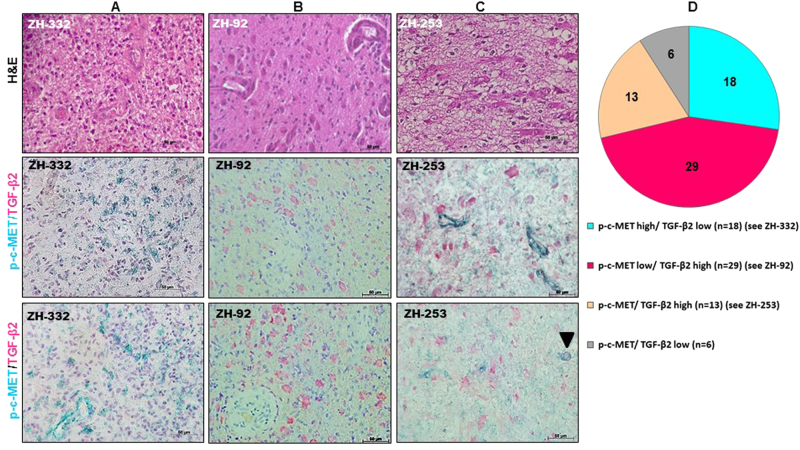
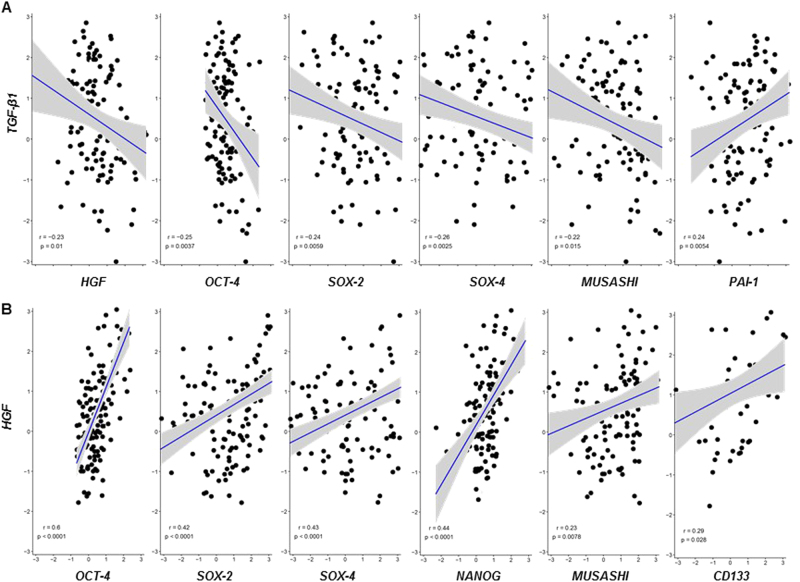
Multiple target inhibition has gained considerable interest in combating drug resistance in glioblastoma, however, understanding the molecular mechanisms of crosstalk between signaling pathways and predicting responses of cancer cells to targeted interventions has remained challenging. Despite the significant role attributed to transforming growth factor (TGF)-β family and hepatocyte growth factor (HGF)/c-MET signaling in glioblastoma pathogenesis, their functional interactions have not been well characterized. Using genetic and pharmacological approaches to stimulate or antagonize the TGF-β pathway in human glioma-initiating cells (GIC), we observed that TGF-β exerts an inhibitory effect on c-MET phosphorylation. Inhibition of either mitogen-activated protein kinase (MAPK)/ extracellular signal-regulated kinase (ERK) or phosphatidylinositol 3-kinase (PI3K)/protein kinase B (PKB/AKT) signaling pathway attenuated this effect. A comparison of c-MET-driven and c-MET independent GIC models revealed that TGF-β inhibits stemness in GIC at least in part via its negative regulation of c-MET activity, suggesting that stem cell (SC) maintenance may be controlled by the balance between these two oncogenic pathways. Importantly, immunohistochemical analyses of human glioblastoma and ex vivo single-cell gene expression profiling of TGF-β and HGF confirm the negative interaction between both pathways. These novel insights into the crosstalk of two major pathogenic pathways in glioblastoma may explain some of the disappointing results when targeting either pathway alone in human glioblastoma patients and inform on potential future designs on targeted pharmacological or genetic intervention.
多种靶点抑制在克服胶质母细胞瘤的耐药性方面引起了相当的关注,然而,理解信号通路之间的串扰的分子机制并预测癌细胞对靶向干预的反应仍然具有挑战性。尽管转化生长因子 (TGF)-β 家族和肝细胞生长因子 (HGF)/c-MET 信号在胶质母细胞瘤发病机制中具有重要作用,但它们的功能相互作用尚未得到很好的描述。通过遗传和药理学方法刺激或拮抗人神经胶质瘤起始细胞 (GIC) 中的 TGF-β 途径,我们观察到 TGF-β 对 c-MET 磷酸化具有抑制作用。抑制丝裂原活化蛋白激酶 (MAPK)/细胞外信号调节激酶 (ERK) 或磷脂酰肌醇 3-激酶 (PI3K)/蛋白激酶 B (PKB/AKT) 信号通路均可减弱这种作用。对 c-MET 驱动和 c-MET 非依赖性 GIC 模型的比较表明,TGF-β 通过其对 c-MET 活性的负调控至少部分抑制 GIC 的干性,这表明干细胞 (SC) 的维持可能受这两条致癌途径之间的平衡控制。重要的是,人胶质母细胞瘤的免疫组织化学分析和 TGF-β 和 HGF 的体外单细胞基因表达谱分析证实了这两条通路之间的负相互作用。这些关于胶质母细胞瘤中两种主要发病途径串扰的新见解可以解释为什么在人类胶质母细胞瘤患者中单独靶向这两种途径时会出现一些令人失望的结果,并为靶向药理学或遗传干预的潜在未来设计提供信息。