Nelson Mark J, Crossley Kay M, Bourke Michael G, Russell Trevor G
PHYSIOTHERAPY DEPARTMENT, QEII JUBILEE HOSPITAL, METRO SOUTH HEALTH, BRISBANE, AUSTRALIA.
FACULTY OF HEALTH AND BEHAVIOURAL SCIENCES, UNIVERSITY OF QUEENSLAND, BRISBANE, AUSTRALIA.
Int J Telerehabil. 2017 Nov 20;9(2):31-38. doi: 10.5195/ijt.2017.6235. eCollection 2017 Fall.
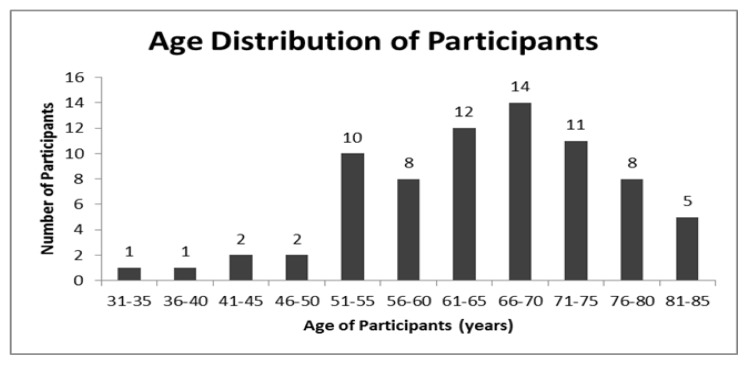
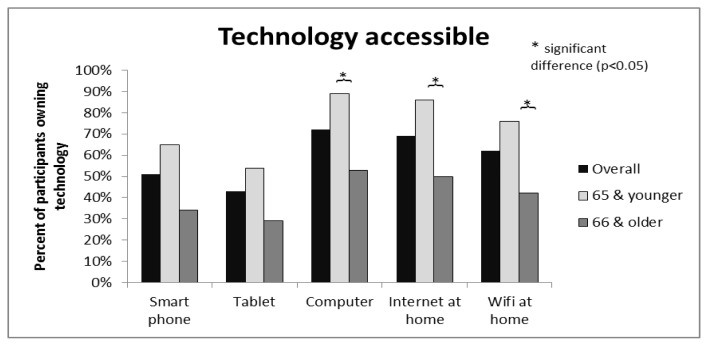
Despite documented benefits, many Total Joint Replacement (TJR) patients find it difficult to access rehabilitation following discharge from hospital. One solution to improve access for TJR patients is telerehabilitation. This study aimed to assess the feasibility of introducing a telerehabilitation program for TJR patients. TJR patients at QEII Jubilee Hospital were invited to complete a questionnaire regarding their access, feelings towards and preferences in using technology. Seventy-five patients were recruited. Most patients had computer access (72%) and internet (69%) at home. Sixty-five percent of participants were willing to participate in telerehabilitation. A significant difference was found between older and younger patients. Watching videos on an electronic device was the preferred method for a technology-based home exercise program and phone call the preferred method of communication. Results indicate telerehabilitation in the TJR population is feasible from the perspective of access to, feelings toward, and preferences for technology.
尽管有文献记载了全关节置换(TJR)的益处,但许多TJR患者在出院后很难获得康复治疗。改善TJR患者康复治疗可及性的一个解决方案是远程康复。本研究旨在评估为TJR患者引入远程康复计划的可行性。邀请了伊丽莎白女王二世银禧医院的TJR患者填写一份关于他们使用技术的可及性、感受和偏好的问卷。招募了75名患者。大多数患者家中可以使用电脑(72%)和网络(69%)。65%的参与者愿意参与远程康复。老年患者和年轻患者之间存在显著差异。在电子设备上观看视频是基于技术的家庭锻炼计划的首选方法,而打电话是首选的沟通方式。结果表明,从技术的可及性、感受和偏好的角度来看,TJR人群的远程康复是可行的。