Instituto Nacional de Saúde, Maputo, Mozambique.
Institute of Tropical Medicine, Department of Biomedical Sciences, Antwerp, Belgium.
BMC Immunol. 2017 Dec 16;18(1):50. doi: 10.1186/s12865-017-0235-7.
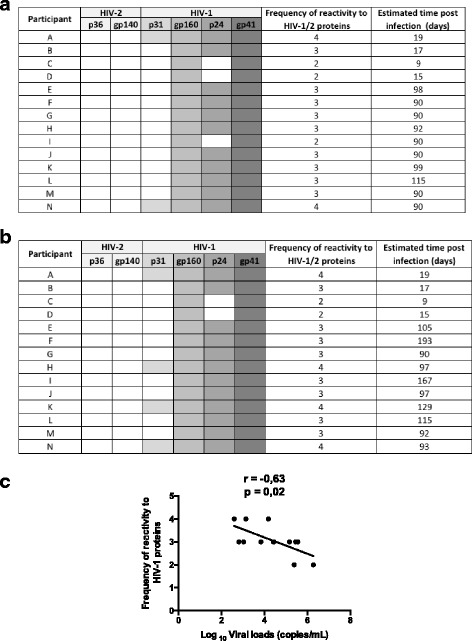
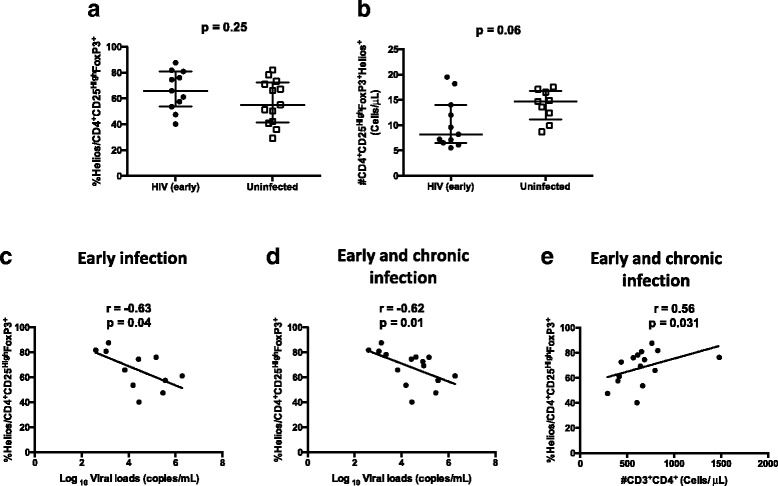
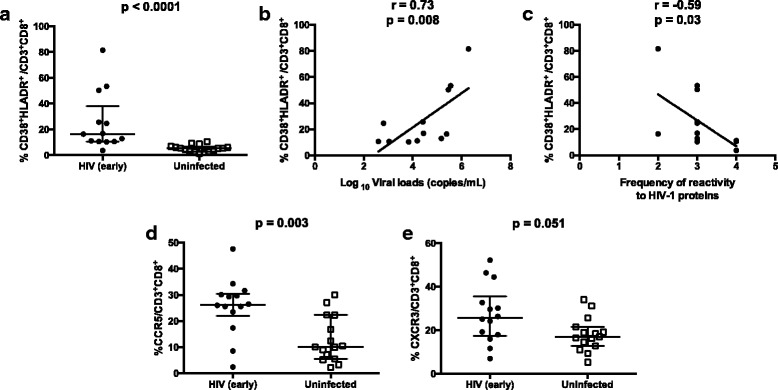
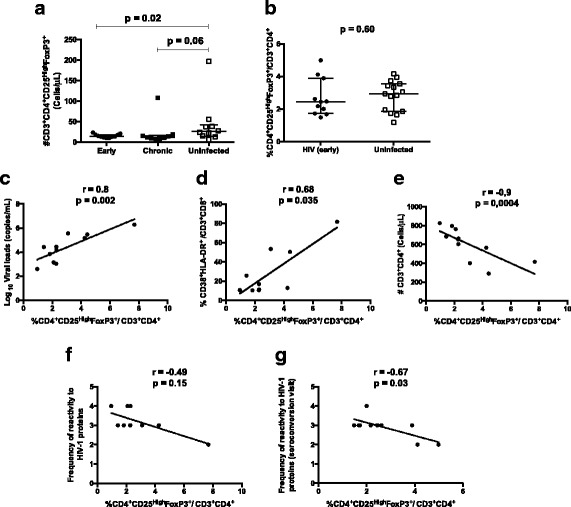
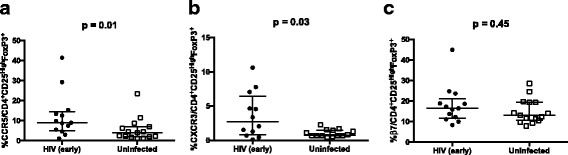
The acute phase of HIV infection is characterized by massive depletion of CD4 T cells, high viral plasma levels and pronounced systemic immune activation. Regulatory T cells (Tregs) have the potential to control systemic immune activation but also to suppress antigen specific T and B cell response. The co-expression of FoxP3 and Helios transcription factors, has been described for identification of highly suppressive Tregs. The aim of this study was to characterize the phenotype of classic Tregs during early HIV infection, and to assess the correlations between the frequencies and phenotype of Tregs with the plasma viral load, CD4 counts, immune activation and the frequency of antibodies reactive to HIV-1 proteins, measured by an immunochromatographic test.
The relative frequency of classic Tregs cells in peripheral blood correlated positively with HIV viral load and immune activation of CD8 T cells, and inversely with absolute CD4 counts and development of anti-HIV antibodies in subjects with early HIV infection. However, the expression of Helios in classic Tregs was inversely correlated with viral replication and immune activation, and positively with recovery of CD4 T cell counts and appearance of antibodies reactive to HIV-1 proteins.
These results raise the hypothesis that classic Tregs are inefficient at controlling systemic immune activation in subjects with early HIV infection and may be associated with delayed production of antibodies against HIV proteins, delaying the control of viral replication. Conversely, Helios expressing Tregs might contribute to control of viral replication by mechanisms involving the limitation of systemic immune activation.
HIV 感染的急性期以大量 CD4 T 细胞耗竭、高病毒血浆水平和明显的全身免疫激活为特征。调节性 T 细胞(Tregs)具有控制全身免疫激活的潜力,但也具有抑制抗原特异性 T 和 B 细胞反应的潜力。FoxP3 和 Helios 转录因子的共表达已被描述用于鉴定高度抑制性 Tregs。本研究旨在描述早期 HIV 感染期间经典 Tregs 的表型,并评估 Tregs 的频率和表型与血浆病毒载量、CD4 计数、免疫激活以及通过免疫层析试验测量的 HIV-1 蛋白反应性抗体的频率之间的相关性。
外周血中经典 Tregs 细胞的相对频率与 HIV 病毒载量和 CD8 T 细胞的免疫激活呈正相关,与早期 HIV 感染患者的绝对 CD4 计数和抗 HIV 抗体的产生呈负相关。然而,经典 Tregs 中 Helios 的表达与病毒复制和免疫激活呈负相关,与 CD4 T 细胞计数的恢复和对 HIV-1 蛋白反应性抗体的出现呈正相关。
这些结果提出了一个假设,即在早期 HIV 感染患者中,经典 Tregs 不能有效控制全身免疫激活,并且可能与 HIV 蛋白抗体产生的延迟有关,从而延迟了病毒复制的控制。相反,表达 Helios 的 Tregs 可能通过涉及限制全身免疫激活的机制有助于控制病毒复制。