CRTD - Center for Regenerative Therapies Dresden, Technische Universität Dresden, Dresden, Germany.
German Center for Neurodegenerative Diseases (DZNE) Dresden, Dresden, Germany.
Sci Rep. 2017 Dec 19;7(1):17859. doi: 10.1038/s41598-017-18184-2.
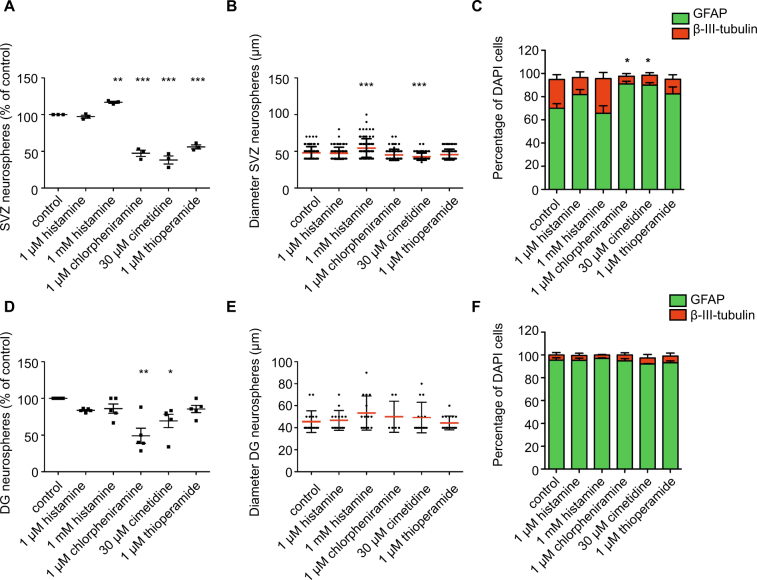
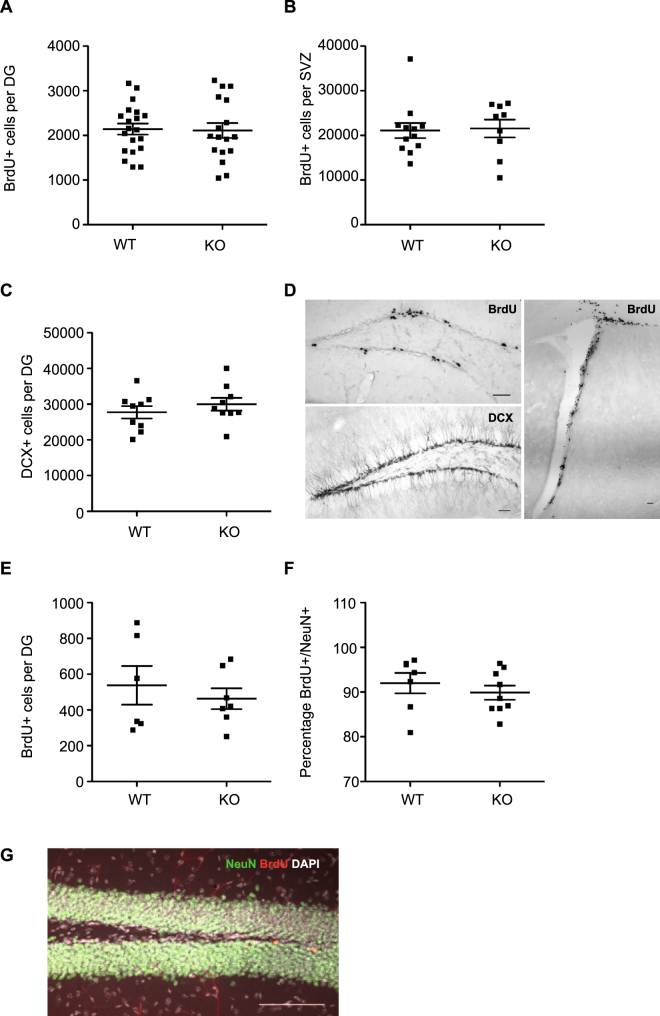
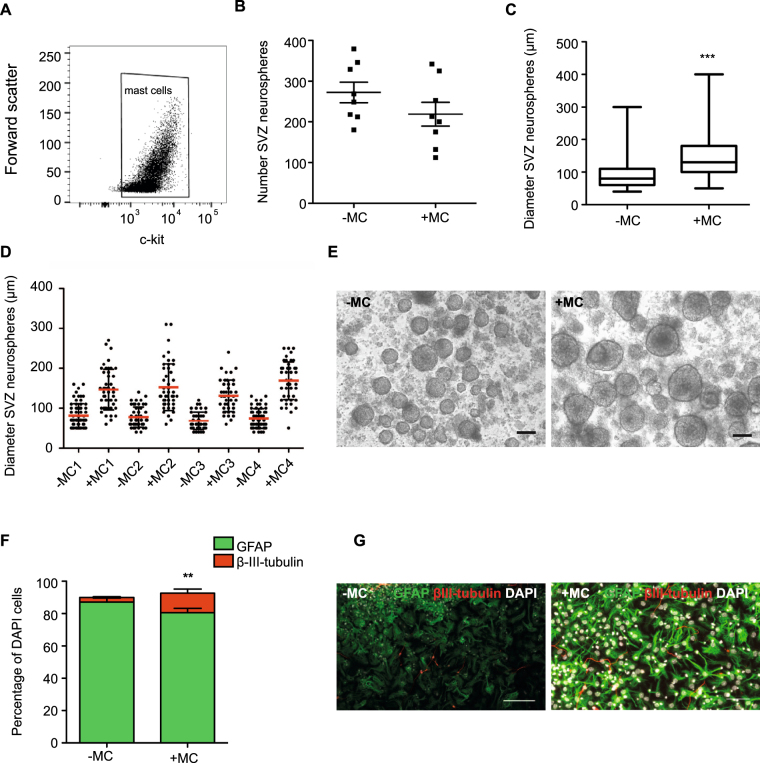
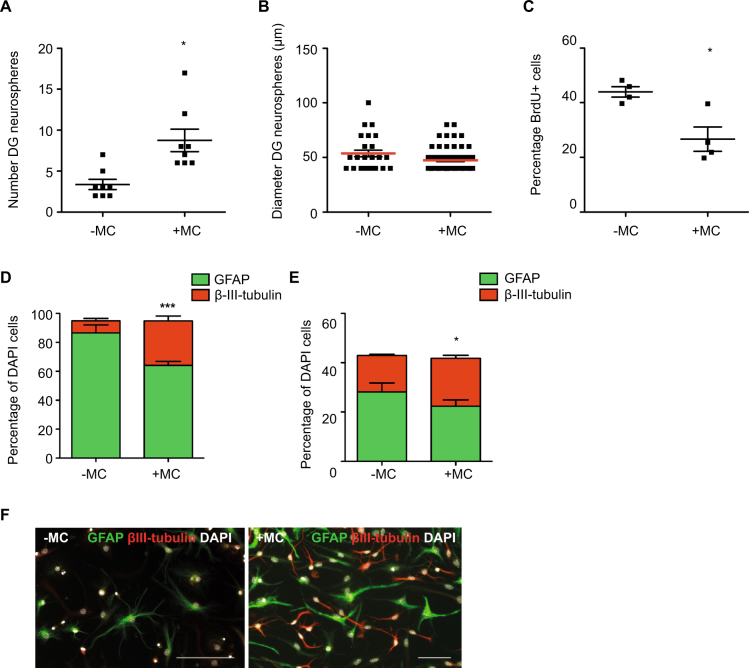
There is growing evidence that both peripheral and resident immune cells play an important part in regulating adult neural stem cell proliferation and neurogenesis, although the contribution of the various immune cell types is still unclear. Mast cells, a population of immune cells known for their role in the allergic response, have been implicated in the regulation of adult hippocampal neurogenesis. Mast cell-deficient c-kit mice have previously been shown to exhibit significantly decreased adult hippocampal neurogenesis and associated learning and memory deficits. However, given that numerous other cell types also express high levels of c-kit, the utility of these mice as a reliable model of mast cell-specific depletion is questionable. We show here, using a different model of mast cell deficiency (Mcpt5CreR26), that precursor proliferation and adult neurogenesis are not influenced by mast cells in vivo. Interestingly, when applied at supraphysiological doses, mast cells can activate latent hippocampal precursor cells and increase subventricular zone precursor proliferation in vitro, an effect that can be blocked with specific histamine-receptor antagonists. Thus, we conclude that while both mast cells and their major chemical mediator histamine have the potential to affect neural precursor proliferation and neurogenesis, this is unlikely to occur under physiological conditions.
越来越多的证据表明,外周和固有免疫细胞在调节成体神经干细胞增殖和神经发生中都起着重要作用,尽管各种免疫细胞类型的贡献仍不清楚。肥大细胞是一种已知在过敏反应中起作用的免疫细胞群,其在调节成年海马神经发生中起作用。先前已经表明,肥大细胞缺陷的 c-kit 小鼠表现出明显减少的成年海马神经发生和相关的学习和记忆缺陷。然而,鉴于许多其他细胞类型也高水平表达 c-kit,这些小鼠作为肥大细胞特异性耗竭的可靠模型的实用性值得怀疑。我们在这里使用另一种肥大细胞缺陷模型(Mcpt5CreR26)表明,体内肥大细胞不会影响前体细胞增殖和成年神经发生。有趣的是,当以超生理剂量应用时,肥大细胞可以激活潜伏的海马前体细胞并增加体外室下区前体细胞增殖,这种作用可以被特异性组胺受体拮抗剂阻断。因此,我们得出结论,尽管肥大细胞及其主要化学递质组胺有可能影响神经前体细胞的增殖和神经发生,但在生理条件下不太可能发生这种情况。