Xiang Jianxing, Yan Sen, Li Shi-Hua, Li Xiao-Jiang
Department of Human Genetics, Emory University School of Medicine, Atlanta, Georgia, United States of America.
State Key Laboratory of Molecular Developmental Biology, Institute of Genetics and Developmental Biology, Chinese Academy of Sciences, Beijing, China.
PLoS Genet. 2015 Apr 15;11(4):e1005175. doi: 10.1371/journal.pgen.1005175. eCollection 2015 Apr.
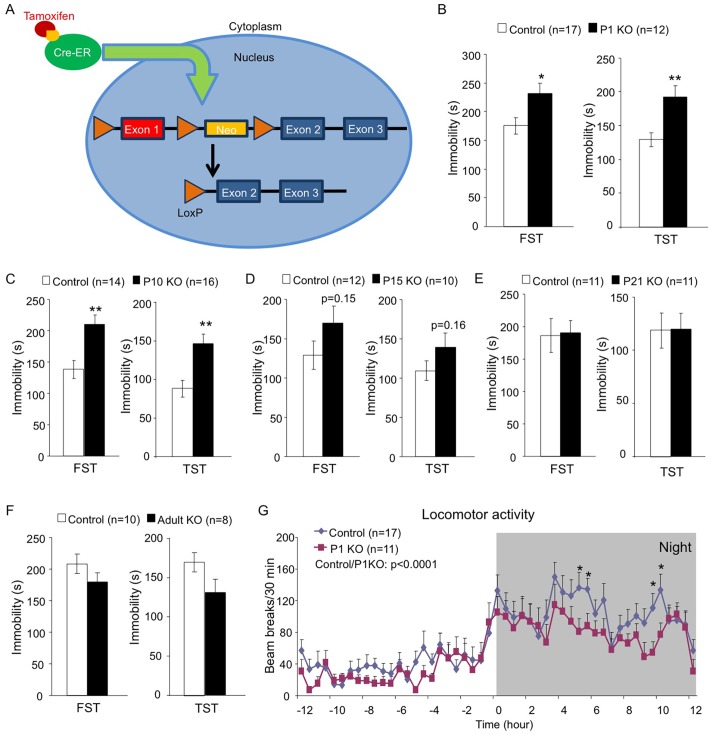
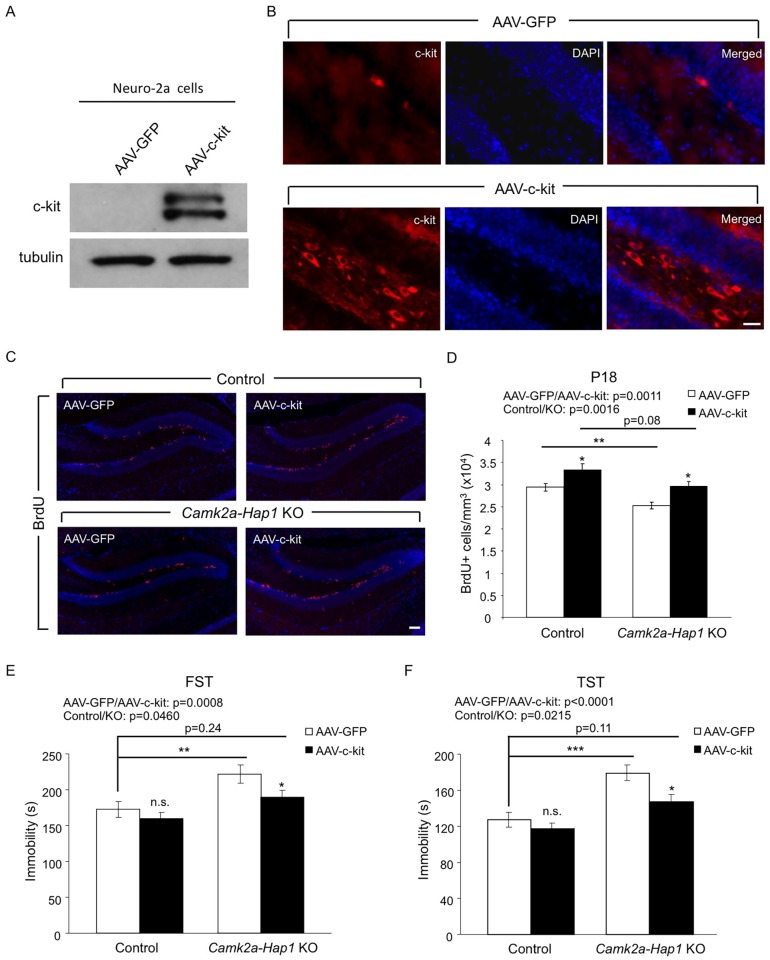
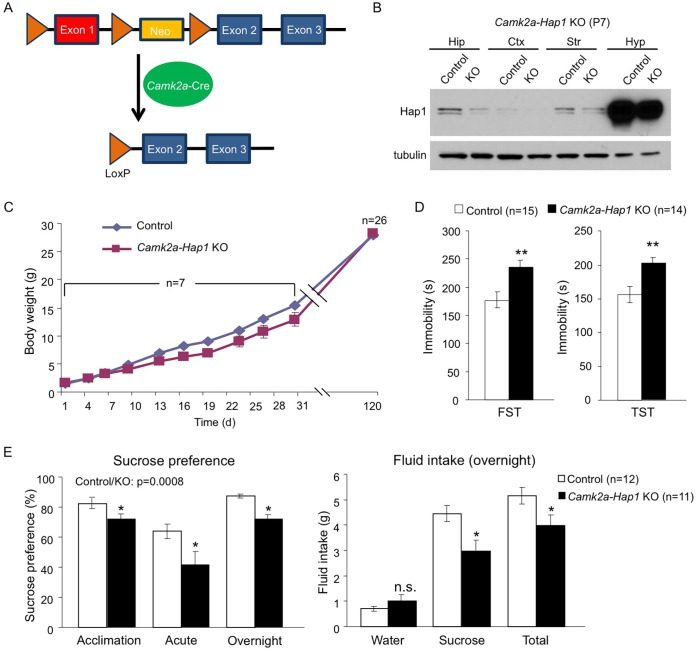
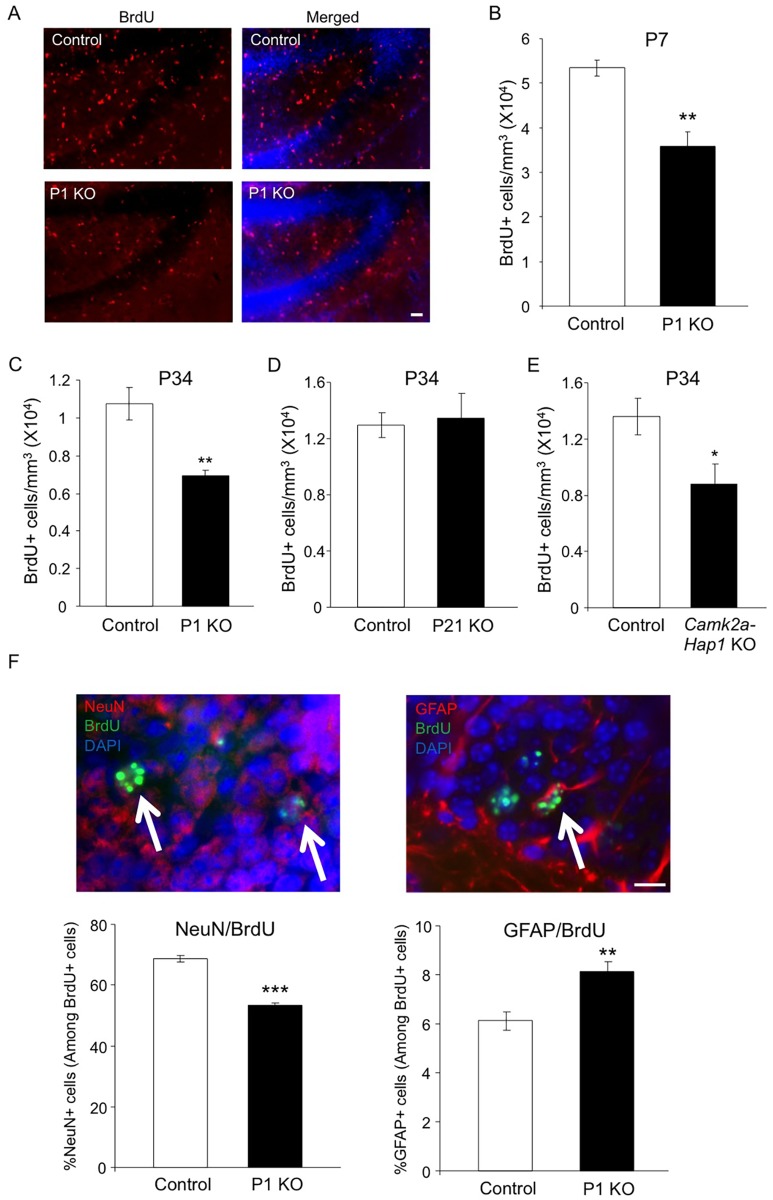
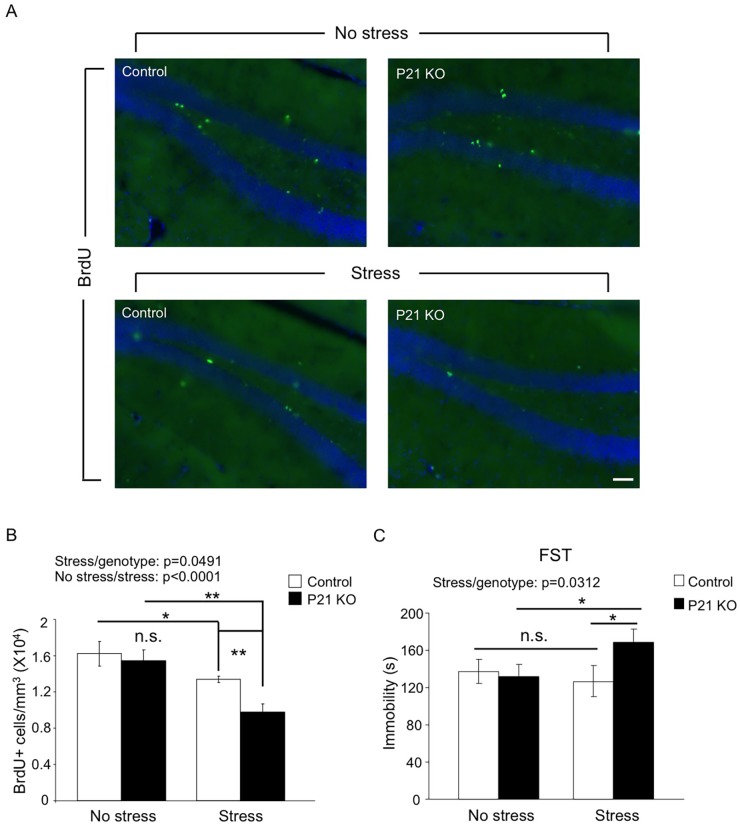
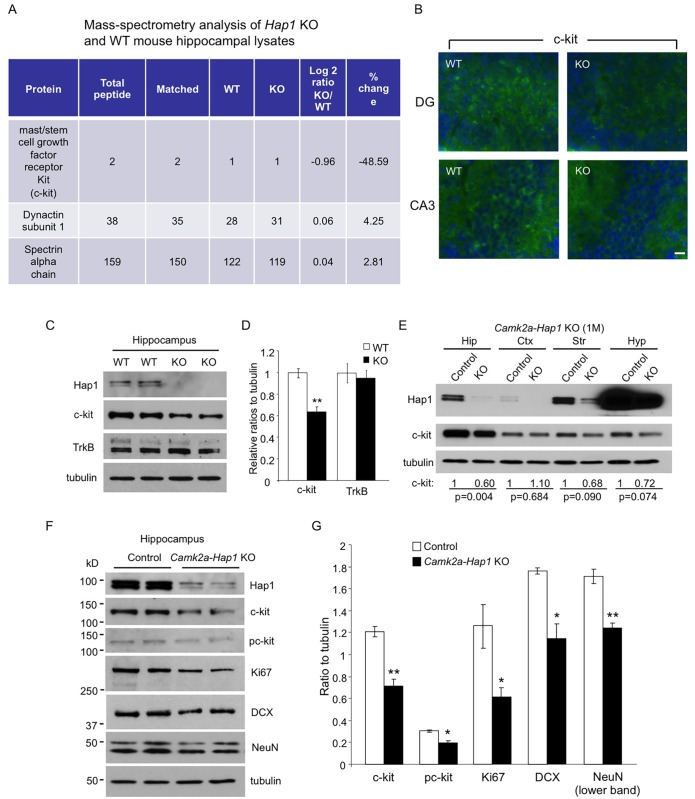
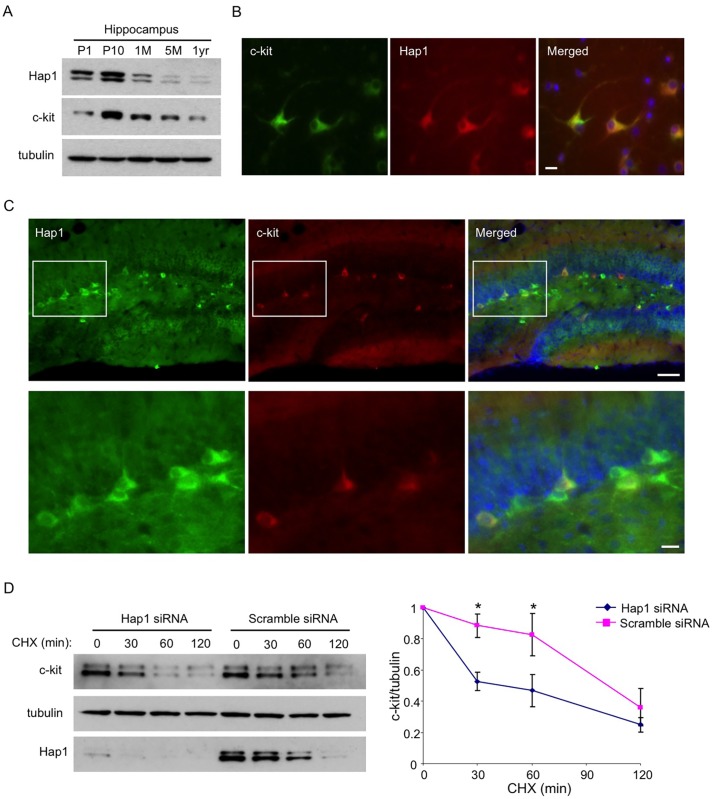
Depression is a serious mental disorder that affects a person's mood, thoughts, behavior, physical health, and life in general. Despite our continuous efforts to understand the disease, the etiology of depressive behavior remains perplexing. Recently, aberrant early life or postnatal neurogenesis has been linked to adult depressive behavior; however, genetic evidence for this is still lacking. Here we genetically depleted the expression of huntingtin-associated protein 1 (Hap1) in mice at various ages or in selective brain regions. Depletion of Hap1 in the early postnatal period, but not later life, led to a depressive-like phenotype when the mice reached adulthood. Deletion of Hap1 in adult mice rendered the mice more susceptible to stress-induced depressive-like behavior. Furthermore, early Hap1 depletion impaired postnatal neurogenesis in the dentate gyrus (DG) of the hippocampus and reduced the level of c-kit, a protein expressed in neuroproliferative zones of the rodent brain and that is stabilized by Hap1. Importantly, stereotaxically injected adeno-associated virus (AAV) that directs the expression of c-kit in the hippocampus promoted postnatal hippocampal neurogenesis and ameliorated the depressive-like phenotype in conditional Hap1 KO mice, indicating a link between postnatal-born hippocampal neurons and adult depression. Our results demonstrate critical roles for Hap1 and c-kit in postnatal neurogenesis and adult depressive behavior, and also suggest that genetic variations affecting postnatal neurogenesis may lead to adult depression.
抑郁症是一种严重的精神障碍,会影响人的情绪、思维、行为、身体健康以及整体生活。尽管我们不断努力去了解这种疾病,但抑郁行为的病因仍然令人困惑。最近,异常的早期生活或产后神经发生与成年后的抑郁行为有关;然而,这方面的遗传学证据仍然缺乏。在这里,我们通过基因手段在不同年龄段或特定脑区降低了小鼠中亨廷顿相关蛋白1(Hap1)的表达。产后早期而非成年后降低Hap1的表达,会导致小鼠成年后出现类似抑郁的表型。成年小鼠中删除Hap1会使它们更容易受到应激诱导的类似抑郁行为的影响。此外,早期Hap1缺失会损害海马齿状回(DG)的产后神经发生,并降低c-kit的水平,c-kit是一种在啮齿动物脑的神经增殖区表达且由Hap1稳定的蛋白。重要的是,立体定向注射能在海马中指导c-kit表达的腺相关病毒(AAV)可促进产后海马神经发生,并改善条件性Hap1基因敲除小鼠的类似抑郁表型,这表明产后出生的海马神经元与成年抑郁症之间存在联系。我们的结果证明了Hap1和c-kit在产后神经发生和成年抑郁行为中的关键作用,也表明影响产后神经发生的基因变异可能导致成年抑郁症。