Hauck Ludger, Stanley-Hasnain Shanna, Fung Amelia, Grothe Daniela, Rao Vivek, Mak Tak W, Billia Filio
Toronto General Research Institute, Toronto, Ontario, Canada.
Division of Cardiovascular Surgery, UHN, Toronto, Ontario, Canada.
PLoS One. 2017 Dec 21;12(12):e0189861. doi: 10.1371/journal.pone.0189861. eCollection 2017.
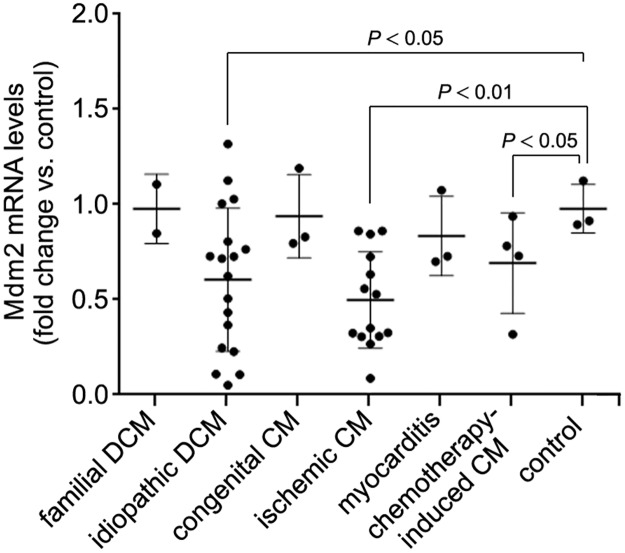
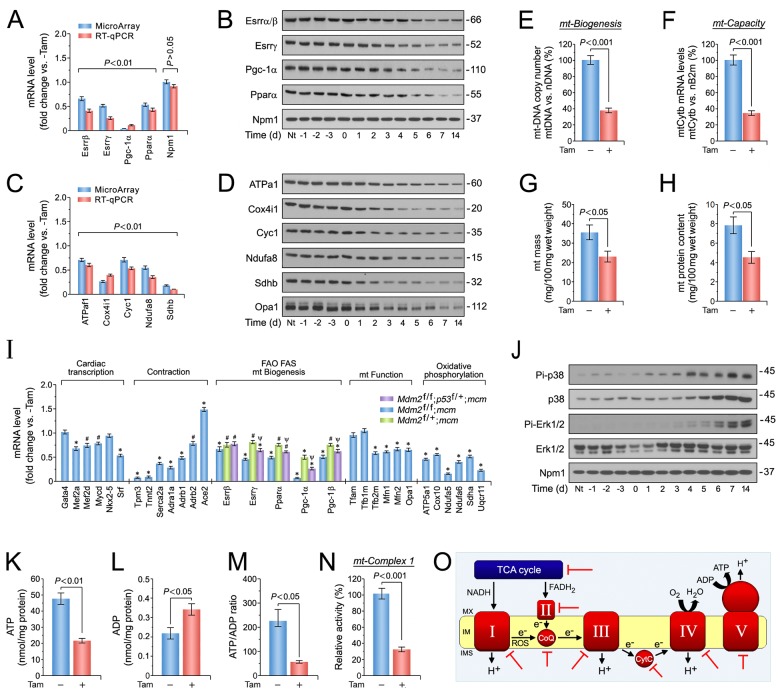
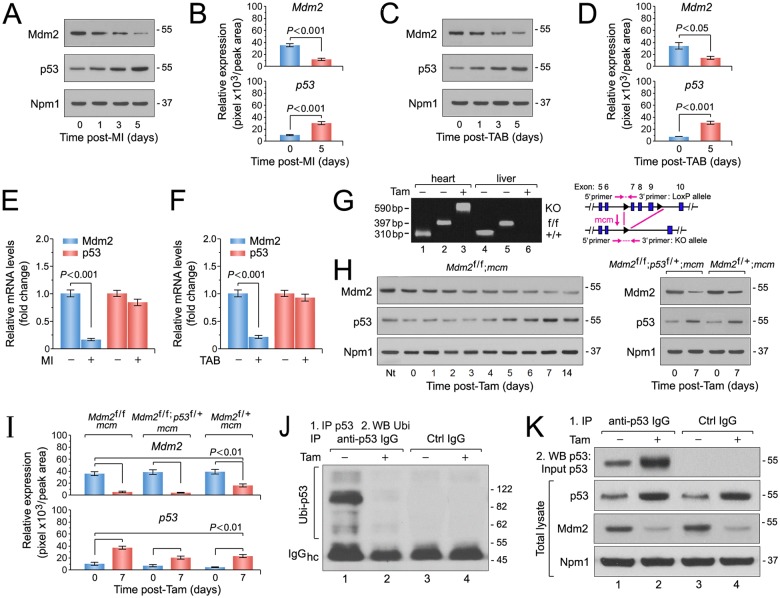
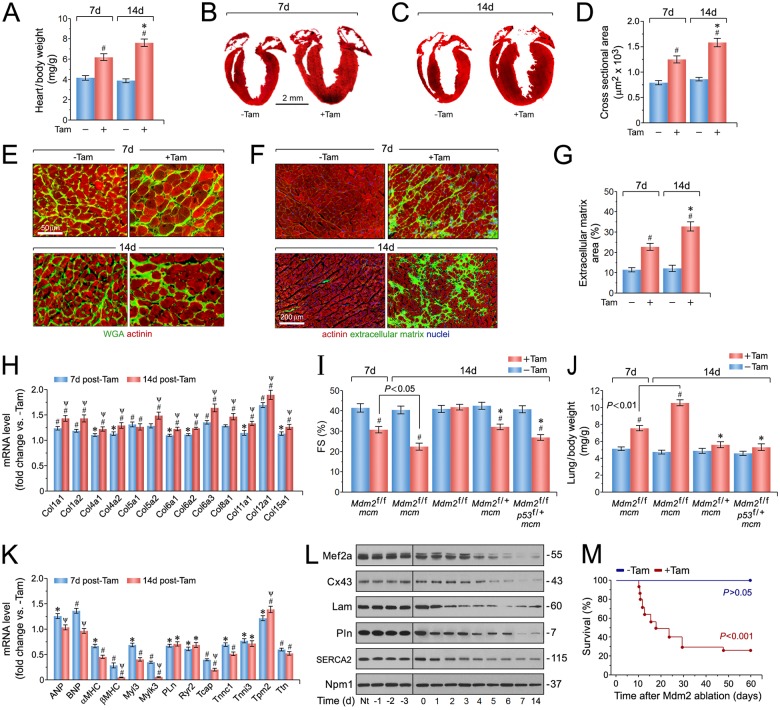
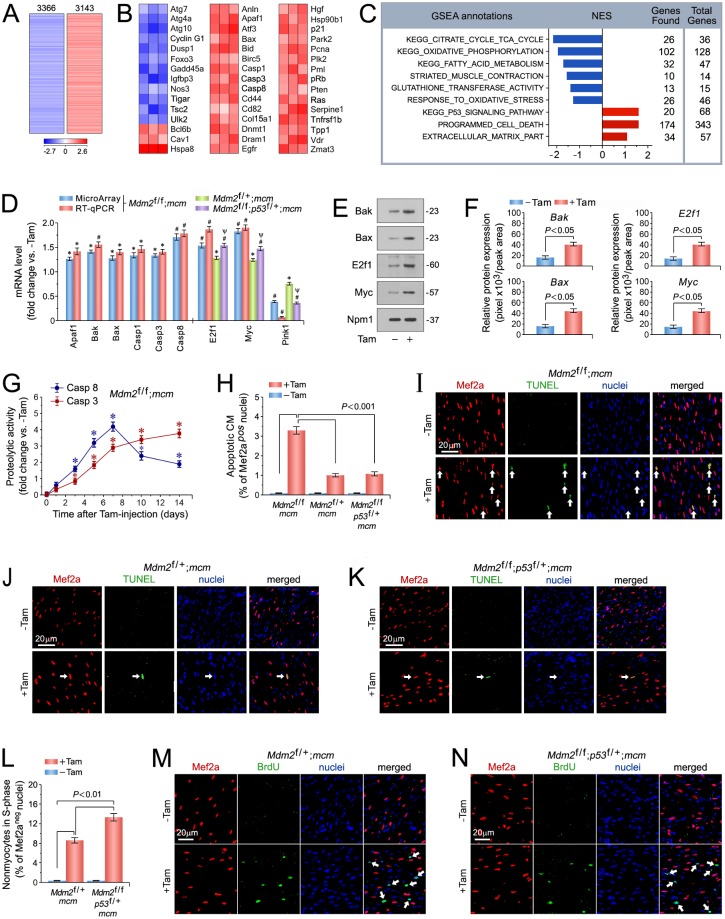
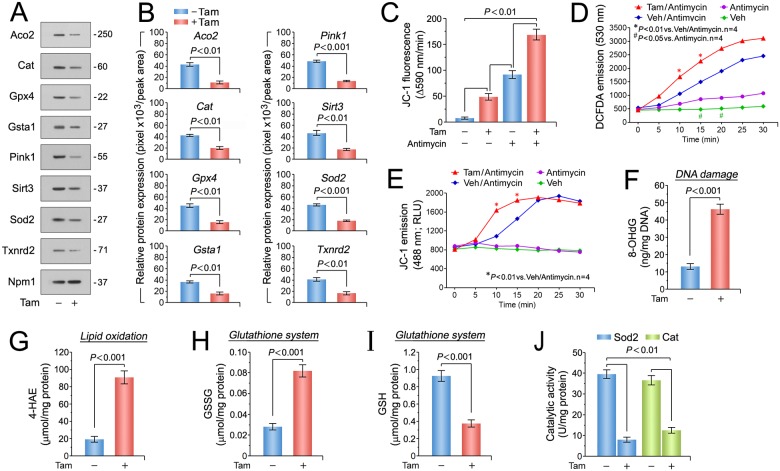
The maintenance of normal heart function requires proper control of protein turnover. The ubiquitin-proteasome system is a principal regulator of protein degradation. Mdm2 is the main E3 ubiquitin ligase for p53 in mitotic cells thereby regulating cellular growth, DNA repair, oxidative stress and apoptosis. However, which of these Mdm2-related activities are preserved in differentiated cardiomyocytes has yet to be determined. We sought to elucidate the role of Mdm2 in the control of normal heart function. We observed markedly reduced Mdm2 mRNA levels accompanied by highly elevated p53 protein expression in the hearts of wild type mice subjected to myocardial infarction or trans-aortic banding. Accordingly, we generated conditional cardiac-specific Mdm2 gene knockout (Mdm2f/f;mcm) mice. In adulthood, Mdm2f/f;mcm mice developed spontaneous cardiac hypertrophy, left ventricular dysfunction with early mortality post-tamoxifen. A decreased polyubiquitination of myocardial p53 was observed, leading to its stabilization and activation, in the absence of acute stress. In addition, transcriptomic analysis of Mdm2-deficient hearts revealed that there is an induction of E2f1 and c-Myc mRNA levels with reduced expression of the Pgc-1a/Ppara/Esrrb/g axis and Pink1. This was associated with a significant degree of cardiomyocyte apoptosis, and an inhibition of redox homeostasis and mitochondrial bioenergetics. All these processes are early, Mdm2-associated events and contribute to the development of pathological hypertrophy. Our genetic and biochemical data support a role for Mdm2 in cardiac growth control through the regulation of p53, the Pgc-1 family of transcriptional coactivators and the pivotal antioxidant Pink1.
正常心脏功能的维持需要对蛋白质周转进行适当控制。泛素-蛋白酶体系统是蛋白质降解的主要调节因子。Mdm2是有丝分裂细胞中p53的主要E3泛素连接酶,从而调节细胞生长、DNA修复、氧化应激和细胞凋亡。然而,这些与Mdm2相关的活动中哪些在分化的心肌细胞中得以保留尚未确定。我们试图阐明Mdm2在正常心脏功能控制中的作用。我们观察到,在经历心肌梗死或经主动脉缩窄的野生型小鼠心脏中,Mdm2 mRNA水平显著降低,同时p53蛋白表达高度升高。因此,我们构建了条件性心脏特异性Mdm2基因敲除(Mdm2f/f;mcm)小鼠。成年后,Mdm2f/f;mcm小鼠出现自发性心脏肥大、左心室功能障碍,并在给予他莫昔芬后早期死亡。在没有急性应激的情况下,观察到心肌p53的多聚泛素化减少,导致其稳定和激活。此外,对Mdm2缺陷心脏的转录组分析显示,E2f1和c-Myc mRNA水平升高,而Pgc-1a/Ppara/Esrrb/g轴和Pink1的表达降低。这与显著程度的心肌细胞凋亡以及氧化还原稳态和线粒体生物能量学的抑制有关。所有这些过程都是早期的、与Mdm2相关的事件,并促成了病理性肥大的发展。我们的基因和生化数据支持Mdm2通过调节p53、转录共激活因子Pgc-1家族和关键抗氧化剂Pink1在心脏生长控制中的作用。