Beltz Barbara S, Benton Jeanne L
Neuroscience Program, Wellesley College, Wellesley, MA, United States.
Front Neurosci. 2017 Dec 7;11:662. doi: 10.3389/fnins.2017.00662. eCollection 2017.
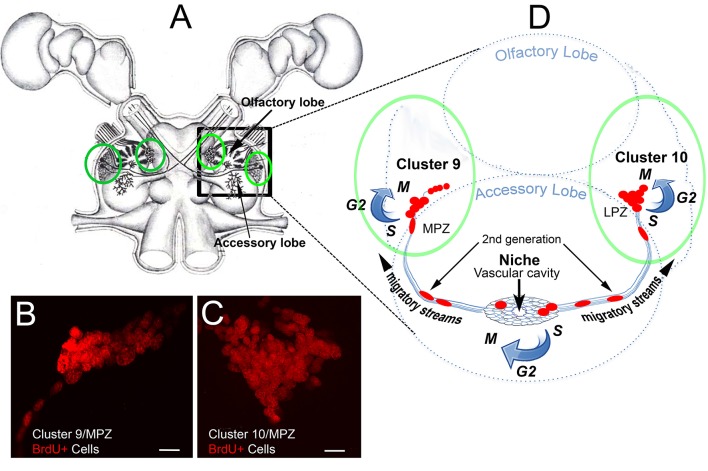
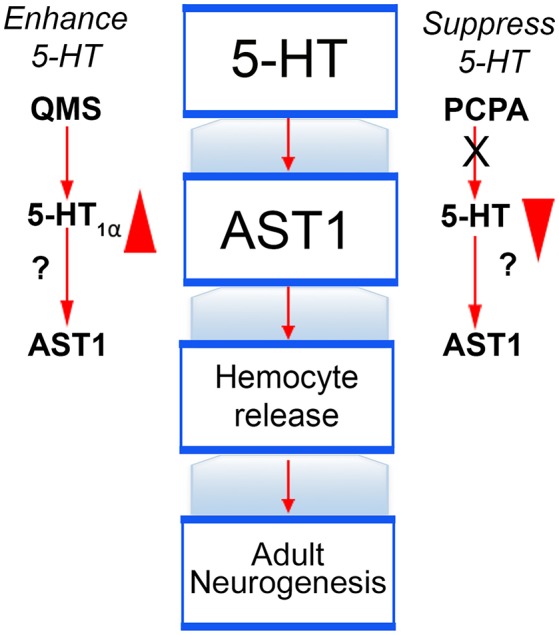
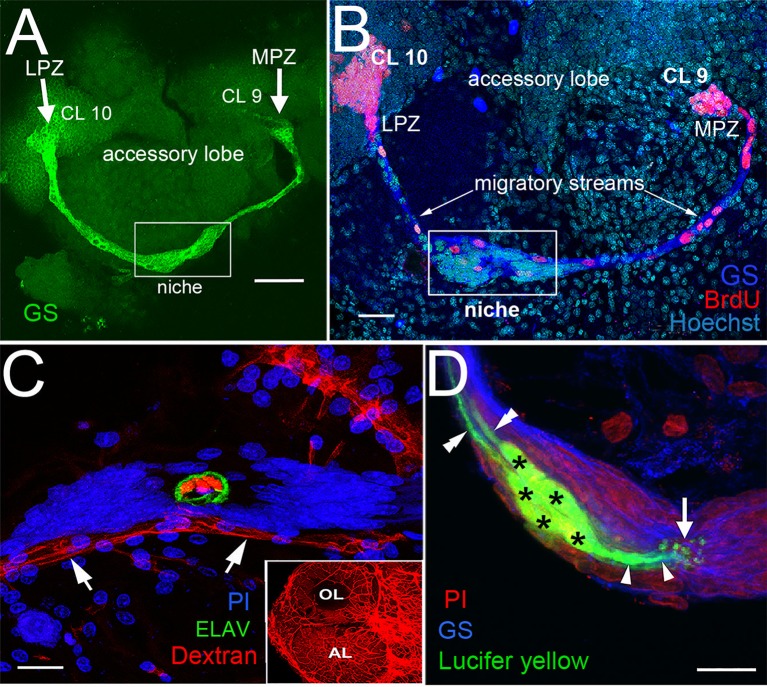
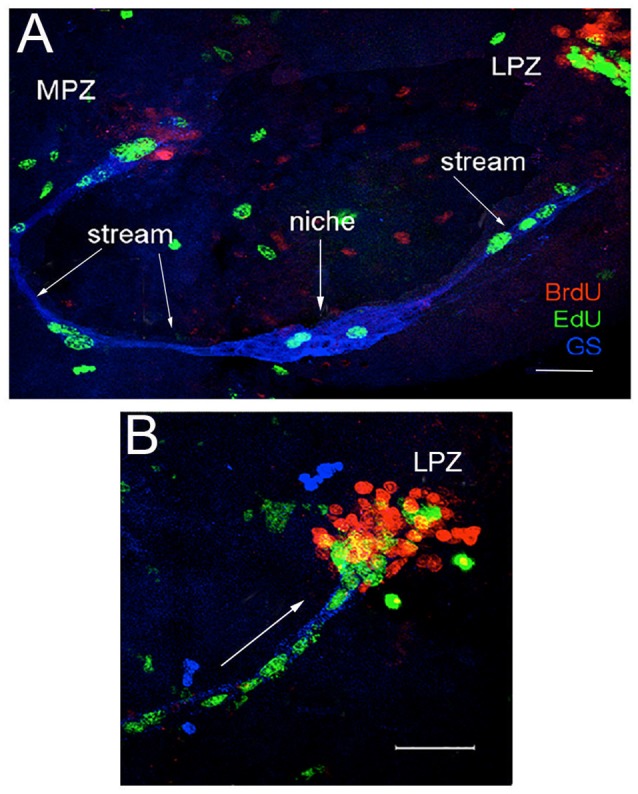
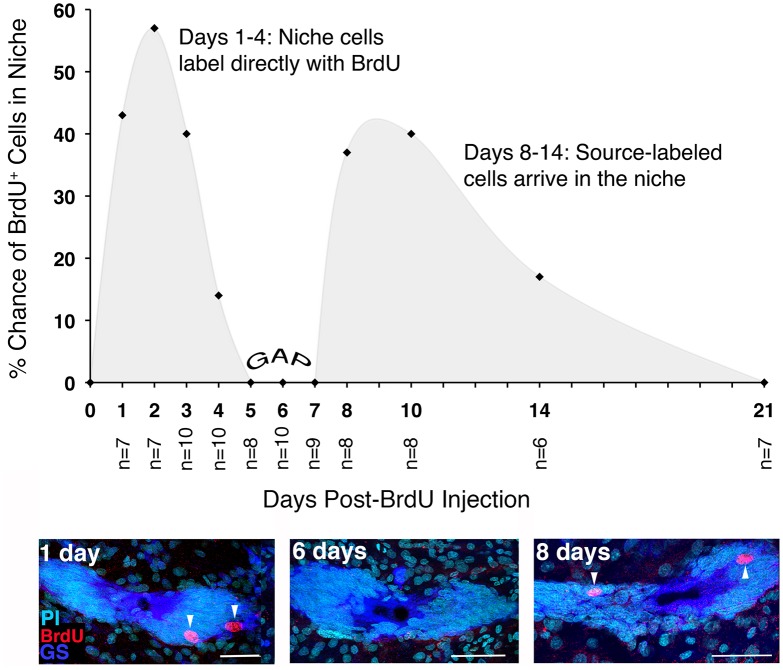
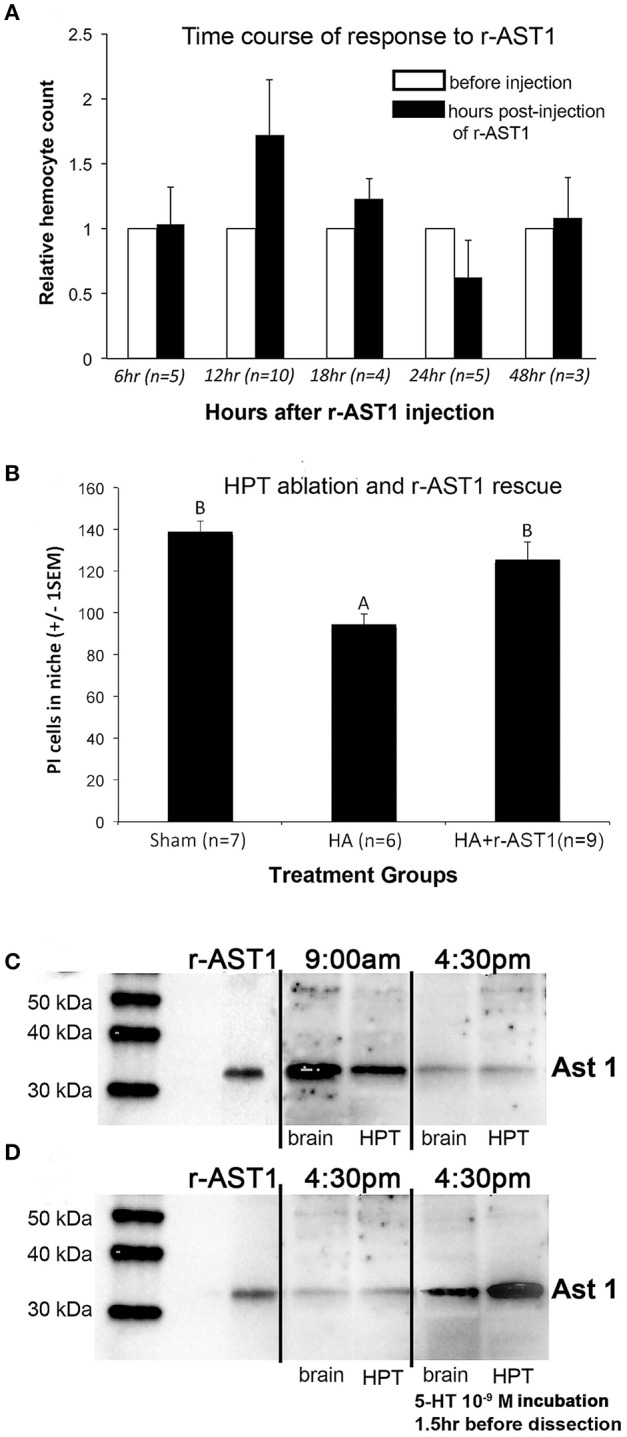
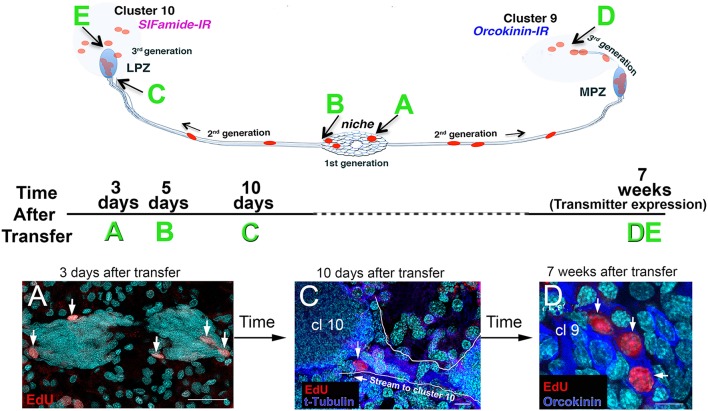
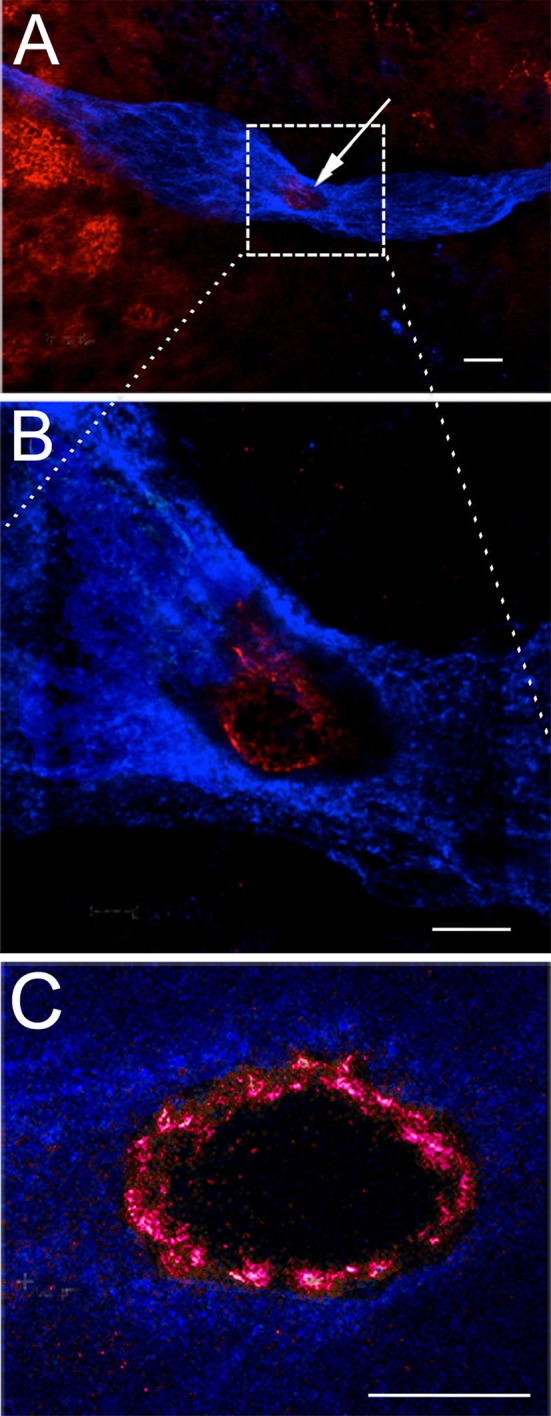
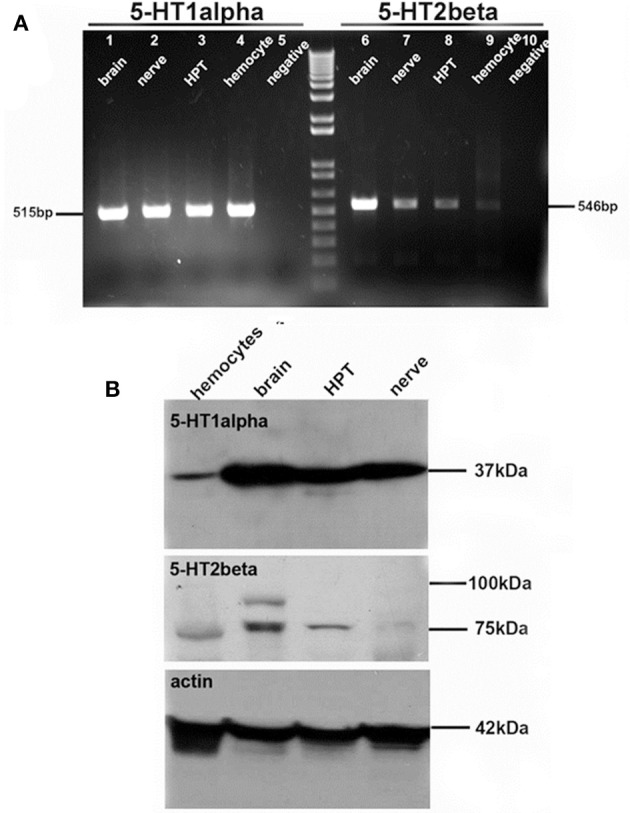
New neurons continue to be born and integrated into the brains of adult decapod crustaceans. Evidence in crayfish indicates that the 1st-generation neural precursors that generate these adult-born neurons originate in the immune system and travel to the neurogenic niche via the circulatory system. These precursors are attracted to the niche, become integrated amongst niche cells, and undergo mitosis within a few days; both daughters of this division migrate away from the niche toward the brain clusters where they will divide again and differentiate into neurons. In the crustacean brain, the rate of neuronal production is highly sensitive to serotonin (5-hydroxytryptamine, 5-HT) levels. These effects are lineage-dependent, as serotonin's influence is limited to late 2nd-generation neural precursors and their progeny. Experiments indicate that serotonin regulates adult neurogenesis in the crustacean brain by multiple mechanisms: via direct effects of serotonin released from brain neurons into the hemolymph or by local release onto target cells, or by indirect influences via a serotonin-mediated release of agents from other regions, such as hormones from the sinus gland and cytokines from hematopoietic tissues. Evidence in crayfish also indicates that serotonin mediates the attraction of neural precursors generated by the immune system to the neurogenic niche. Thus, studies in the crustacean brain have revealed multiple roles for this monoamine in adult neurogenesis, and identified several pathways by which serotonin influences the generation of new neurons.
新的神经元持续生成并整合到成年十足目甲壳动物的大脑中。小龙虾的证据表明,产生这些成年新生神经元的第一代神经前体细胞起源于免疫系统,并通过循环系统迁移至神经发生微环境。这些前体细胞被微环境吸引,融入微环境细胞之中,并在数天内进行有丝分裂;此次分裂产生的两个子细胞从微环境迁移至脑簇,在那里它们将再次分裂并分化为神经元。在甲壳动物大脑中,神经元生成速率对血清素(5-羟色胺,5-HT)水平高度敏感。这些效应具有谱系依赖性,因为血清素的影响仅限于第二代晚期神经前体细胞及其后代。实验表明,血清素通过多种机制调节甲壳动物大脑中的成年神经发生:通过脑神经元释放到血淋巴中的血清素的直接作用,或通过局部释放到靶细胞上,或通过血清素介导的来自其他区域的因子释放的间接影响,例如来自窦腺的激素和造血组织的细胞因子。小龙虾的证据还表明,血清素介导免疫系统产生的神经前体细胞向神经发生微环境的吸引。因此,对甲壳动物大脑的研究揭示了这种单胺在成年神经发生中的多种作用,并确定了血清素影响新神经元生成的几种途径。