Bamba Yohei, Nonaka Masahiro, Sasaki Natsu, Shofuda Tomoko, Kanematsu Daisuke, Suemizu Hiroshi, Higuchi Yuichiro, Pooh Ritsuko K, Kanemura Yonehiro, Okano Hideyuki, Yamasaki Mami
Department of Physiology, Keio University School of Medicine, Tokyo, Japan.
Department of Pediatric Neurosurgery, Kansai Medical University, Hirakata, Japan.
Asian Spine J. 2017 Dec;11(6):870-879. doi: 10.4184/asj.2017.11.6.870. Epub 2017 Dec 7.
We established induced pluripotent stem cells (iPSCs) and neural stem/progenitor cells (NSPCs) from three newborns with spina bifida aperta (SBa) using clinically practical methods.
We aimed to develop stem cell lines derived from newborns with SBa for future therapeutic use.
SBa is a common congenital spinal cord abnormality that causes defects in neurological and urological functions. Stem cell transplantation therapies are predicted to provide beneficial effects for patients with SBa. However, the availability of appropriate cell sources is inadequate for clinical use because of their limited accessibility and expandability, as well as ethical issues.
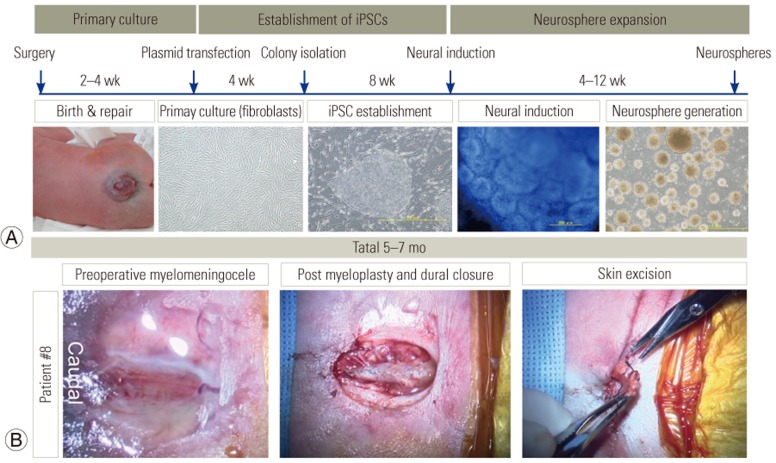
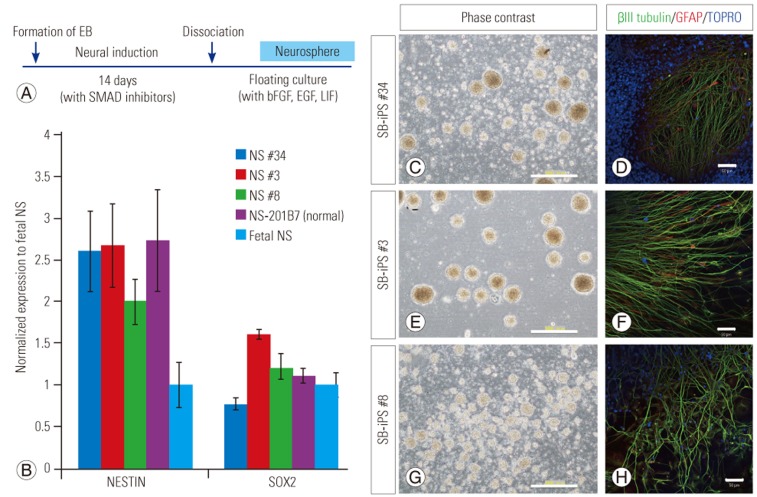
Fibroblast cultures were established from small fragments of skin obtained from newborns with SBa during SBa repair surgery. The cultured cells were transfected with episomal plasmid vectors encoding reprogramming factors necessary for generating iPSCs. These cells were then differentiated into NSPCs by chemical compound treatment, and NSPCs were expanded using neurosphere technology.
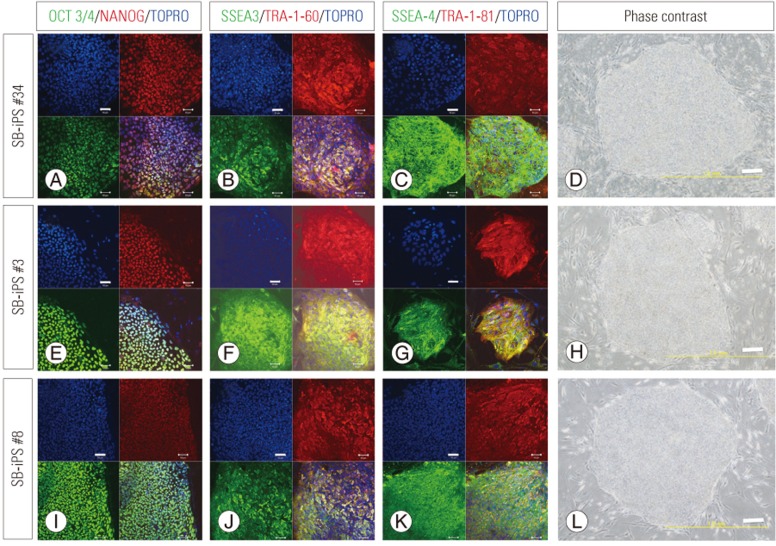
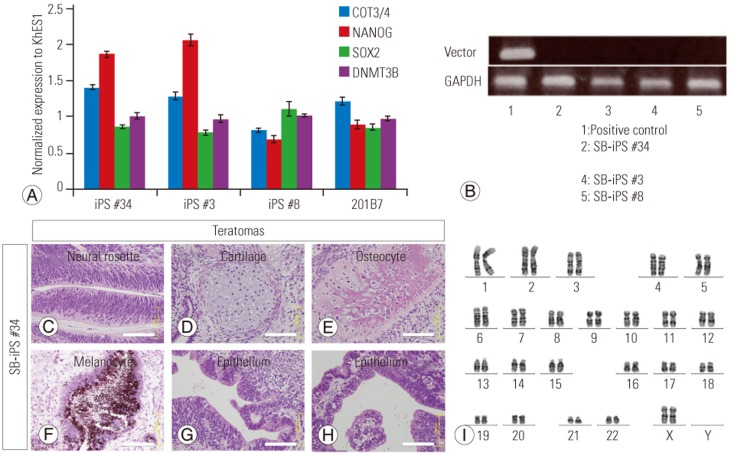
We successfully generated iPSC lines from the neonatal dermal fibroblasts of three newborns with SBa. We confirmed that these lines exhibited the characteristics of human pluripotent stem cells. We successfully generated NSPCs from all SBa newborn-derived iPSCs with a combination of neural induction and neurosphere technology.
We successfully generated iPSCs and iPSC-NSPCs from surgical samples obtained from newborns with SBa with the goal of future clinical use in patients with SBa.
我们采用临床实用方法,从三名开放性脊柱裂(SBa)新生儿中建立了诱导多能干细胞(iPSC)和神经干/祖细胞(NSPC)。
我们旨在开发源自SBa新生儿的干细胞系,以供未来治疗使用。
SBa是一种常见的先天性脊髓异常,会导致神经和泌尿系统功能缺陷。干细胞移植疗法预计对SBa患者有益。然而,由于合适细胞来源的获取有限、可扩展性差以及伦理问题,其在临床应用中并不充足。
在SBa修复手术期间,从患有SBa的新生儿获取的小皮肤碎片中建立成纤维细胞培养物。用编码生成iPSC所需重编程因子的游离质粒载体转染培养的细胞。然后通过化合物处理将这些细胞分化为NSPC,并使用神经球技术扩增NSPC。
我们成功地从三名患有SBa的新生儿的新生儿真皮成纤维细胞中生成了iPSC系。我们证实这些细胞系表现出人类多能干细胞的特征。我们通过神经诱导和神经球技术的组合,成功地从所有源自SBa新生儿的iPSC中生成了NSPC。
我们成功地从患有SBa的新生儿的手术样本中生成了iPSC和iPSC-NSPC,目标是未来用于SBa患者的临床治疗。