Translational and Molecular Imaging Institute, Icahn School of Medicine at Mount Sinai , New York, New York 10029, United States.
Department of Medical Biochemistry, Academic Medical Center , 1105 AZ Amsterdam, The Netherlands.
Acc Chem Res. 2018 Jan 16;51(1):127-137. doi: 10.1021/acs.accounts.7b00339. Epub 2017 Dec 27.
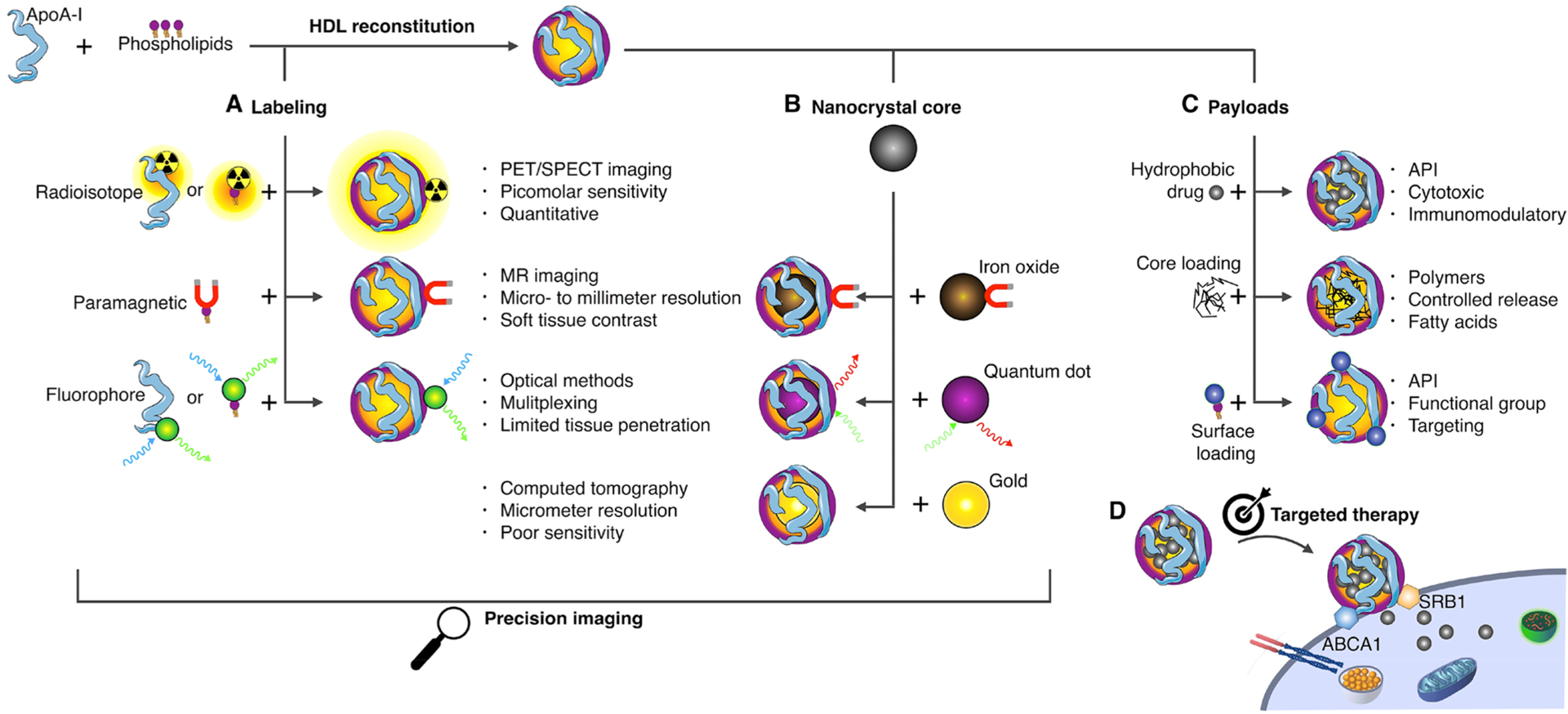
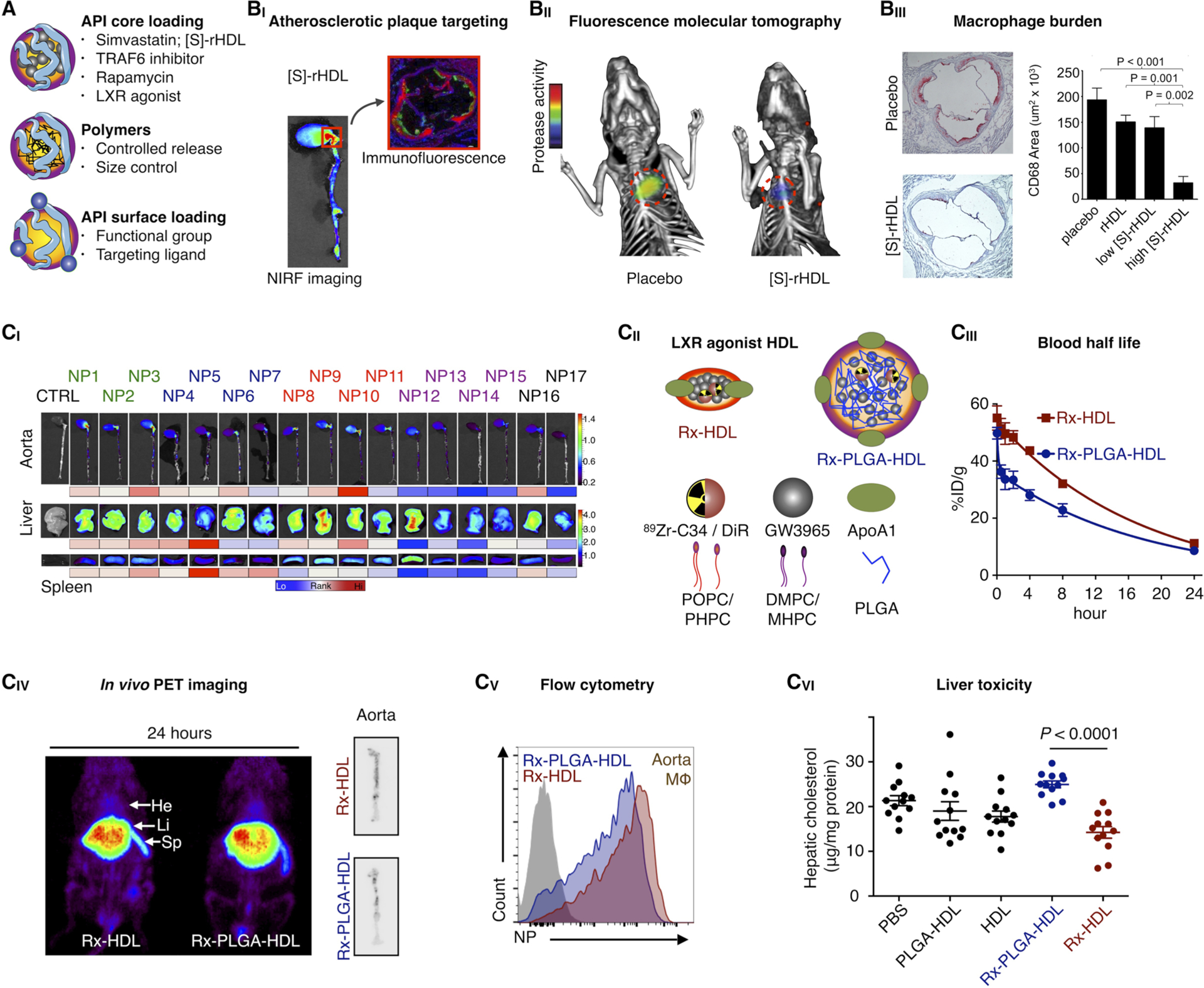
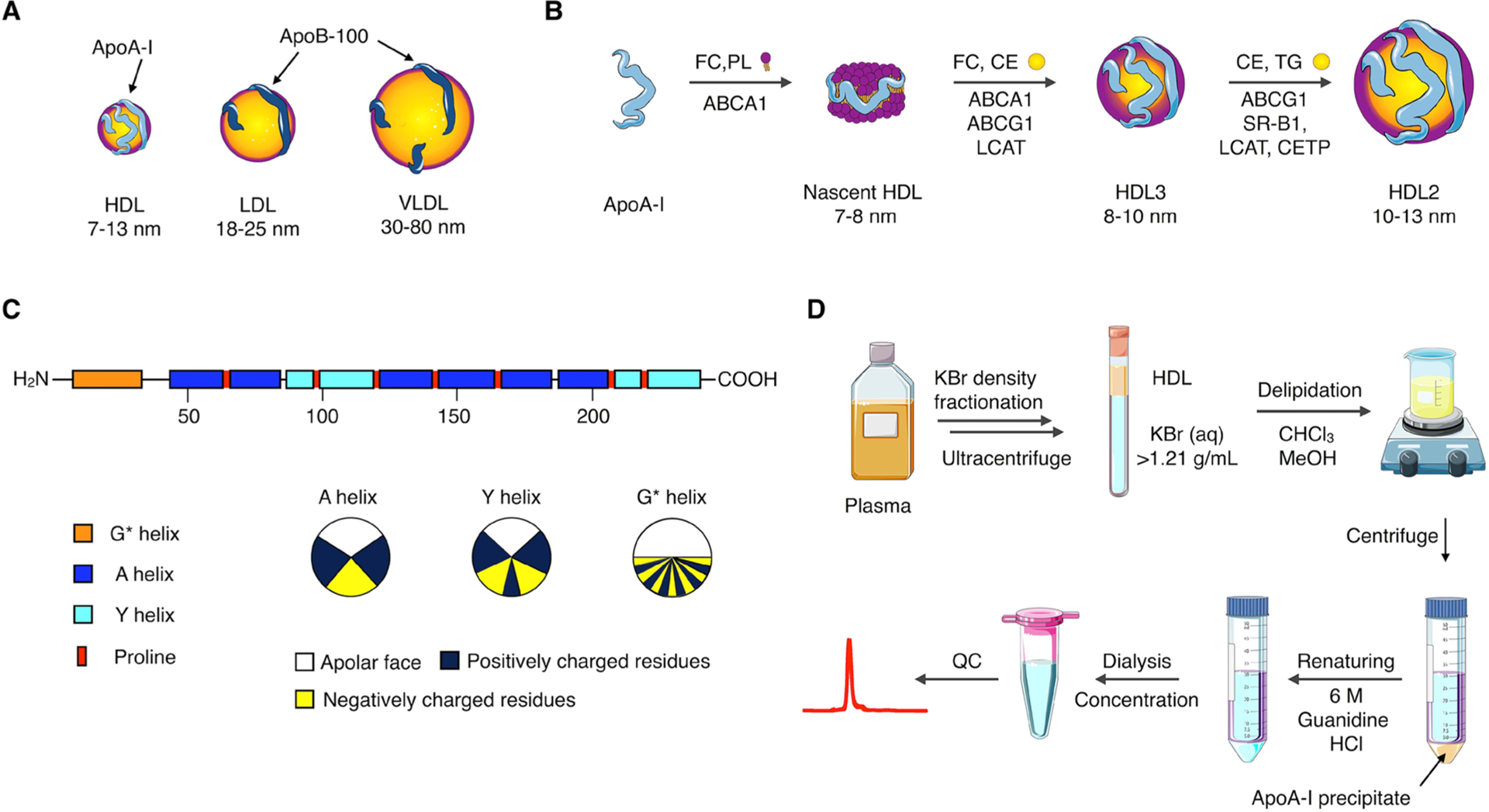
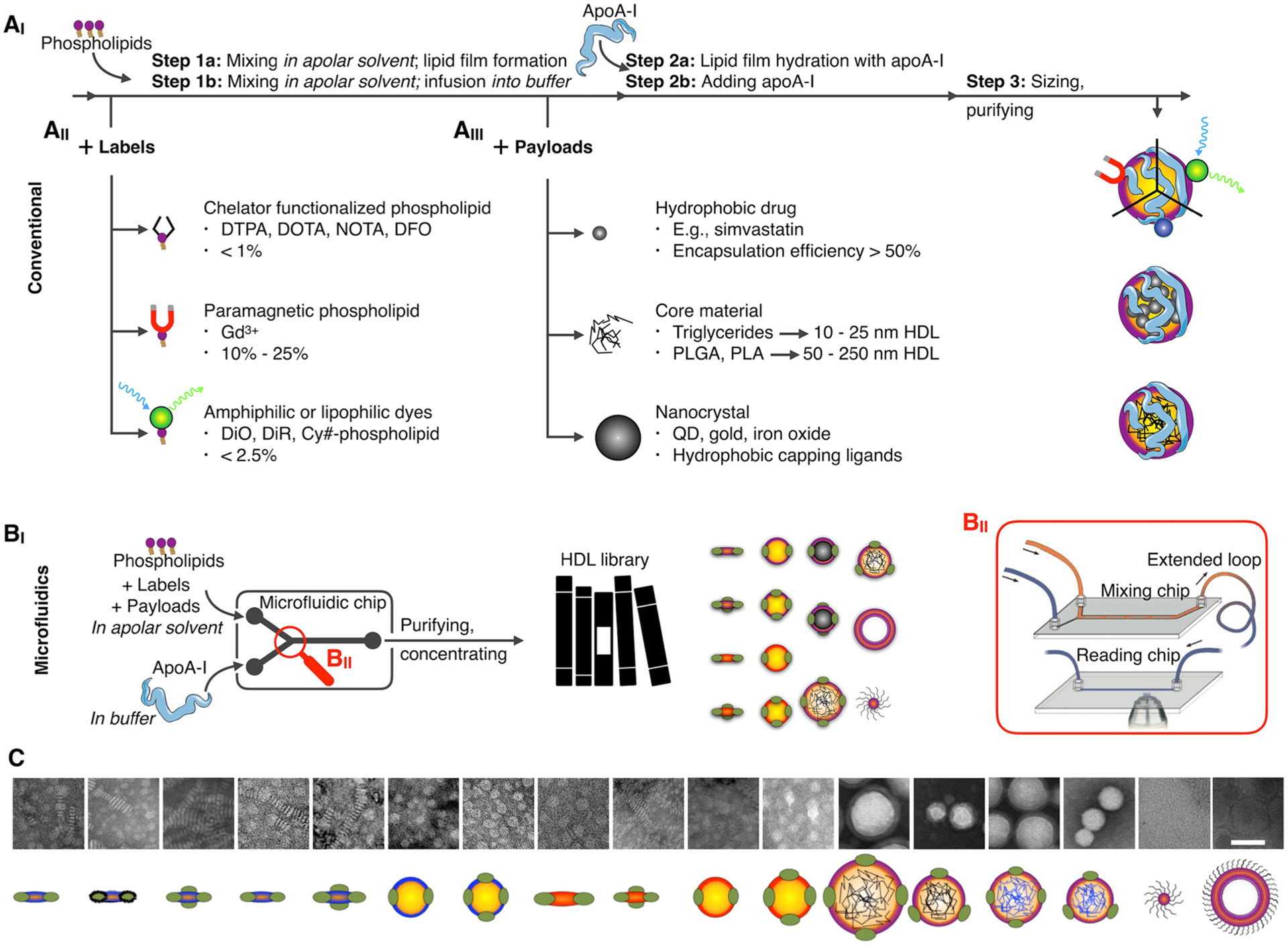
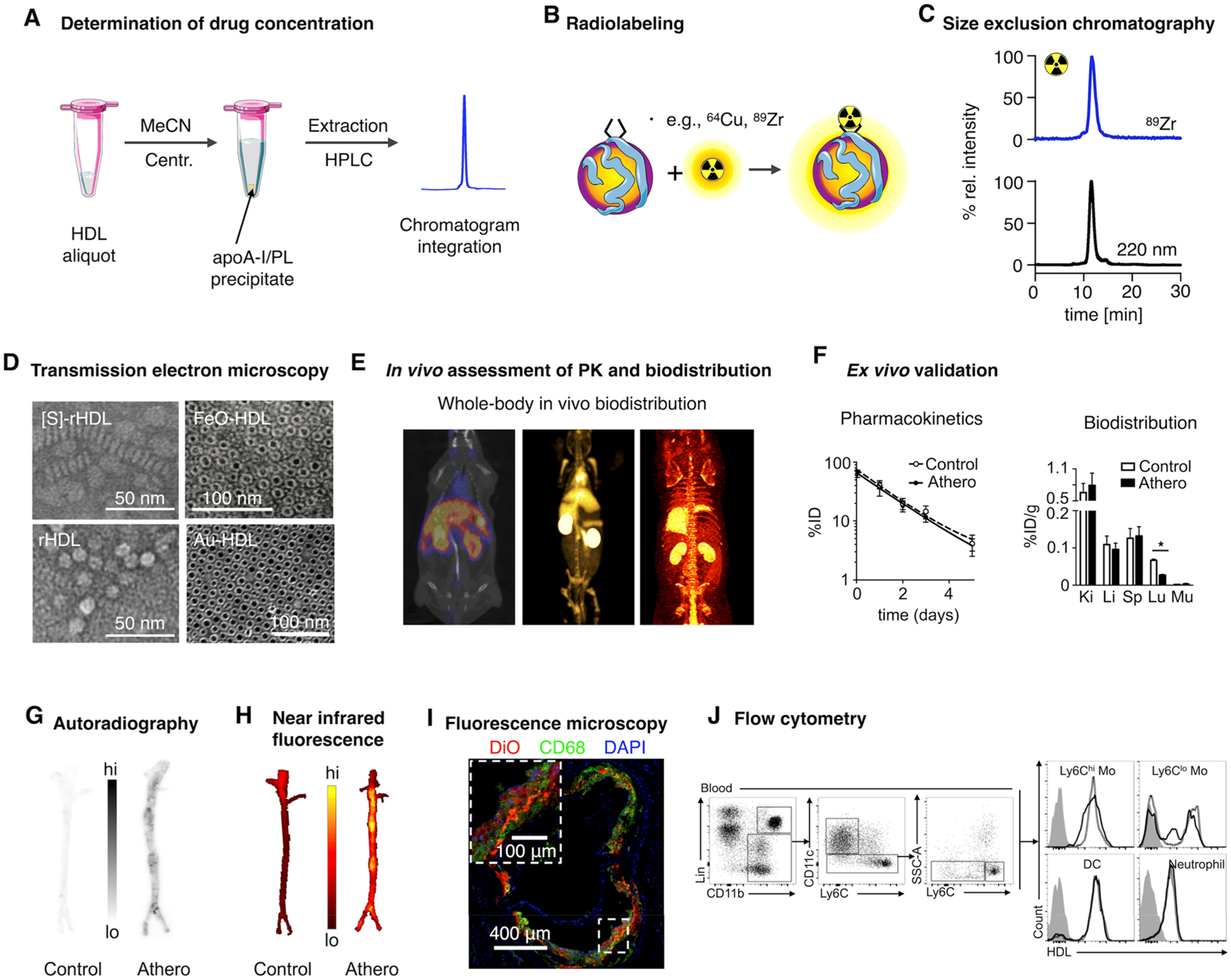
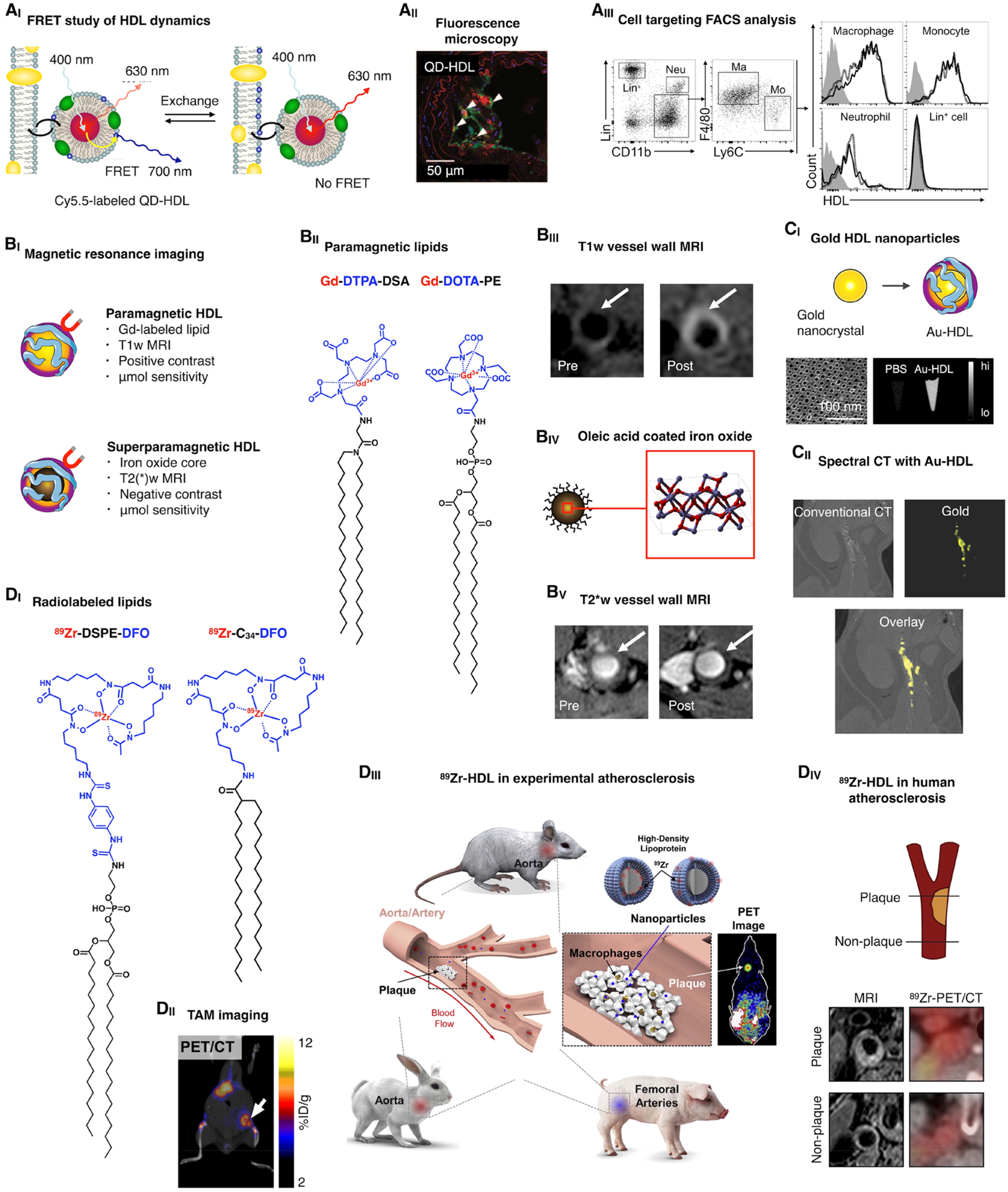
Nature is an inspirational source for biomedical engineering developments. Particularly, numerous nanotechnological approaches have been derived from biological concepts. For example, among many different biological nanosized materials, viruses have been extensively studied and utilized, while exosome research has gained much traction in the 21st century. In our body, fat is transported by lipoproteins, intriguing supramolecular nanostructures that have important roles in cell function, lipid metabolism, and disease. Lipoproteins' main constituents are phospholipids and apolipoproteins, forming a corona that encloses a hydrophobic core of triglycerides and cholesterol esters. Within the lipoprotein family, high-density lipoprotein (HDL), primarily composed of apolipoprotein A1 (apoA-I) and phospholipids, measuring a mere 10 nm, is the smallest and densest particle. Its endogenous character makes HDL particularly suitable as a nanocarrier platform to target a range of inflammatory diseases. For a decade and a half, our laboratories have focused on HDL's exploitation, repurposing, and reengineering for diagnostic and therapeutic applications, generating versatile hybrid nanomaterials, referred to as nanobiologics, that are inherently biocompatible and biodegradable, efficiently cross different biological barriers, and intrinsically interact with immune cells. The latter is facilitated by HDL's intrinsic ability to interact with the ATP-binding cassette receptor A1 (ABCA1) and ABCG1, as well as scavenger receptor type B1 (SR-BI). In this Account, we will provide an up-to-date overview on the available methods for extraction, isolation, and purification of apoA-I from native HDL, as well as its recombinant production. ApoA-I's subsequent use for the reconstitution of HDL (rHDL) and other HDL-derived nanobiologics, including innovative microfluidic-based production methods, and their characterization will be discussed. The integration of different hydrophobic and amphiphilic imaging labels, including chelated radioisotopes and paramagnetic or fluorescent lipids, renders HDL nanobiologics suitable for diagnostic purposes. Nanoengineering also allows HDL reconstitution with core payloads, such as diagnostically active nanocrystals, as well as hydrophobic drugs or controlled release polymers for therapeutic purposes. The platform technology's specificity for inflammatory myeloid cells and methods to modulate specificity will be highlighted. This Account will build toward examples of in vivo studies in cardiovascular disease and cancer models, including diagnostic studies by magnetic resonance imaging (MRI), computed tomography (CT), and positron emission tomography (PET). A translational success story about the escalation of zirconium-89 radiolabeled HDL (Zr-HDL) PET imaging from atherosclerotic mice to rabbits and pigs and all the way to cardiovascular disease patients is highlighted. Finally, recent advances in nanobiologic-facilitated immunotherapy of inflammation are spotlighted. Lessons, success stories, and perspectives on the use of these nature-inspired HDL mimetics are an integral part of this Account.
自然界是生物医学工程发展的灵感来源。特别是,许多纳米技术方法都源自于生物学概念。例如,在许多不同的生物纳米材料中,病毒已经得到了广泛的研究和利用,而外泌体研究在 21 世纪也得到了很大的关注。在我们体内,脂肪是由脂蛋白运输的,这些有趣的超分子纳米结构在细胞功能、脂质代谢和疾病中起着重要作用。脂蛋白的主要成分是磷脂和载脂蛋白,形成一个包膜,包围着甘油三酯和胆固醇酯的疏水性核心。在脂蛋白家族中,高密度脂蛋白(HDL)主要由载脂蛋白 A1(apoA-I)和磷脂组成,直径仅为 10nm,是最小和最密集的颗粒。其内源性特征使其特别适合作为纳米载体平台,用于靶向一系列炎症性疾病。十五年来,我们的实验室一直专注于 HDL 的开发、再利用和再工程,以用于诊断和治疗应用,生成了多种混合纳米材料,称为纳米生物制剂,这些材料具有固有生物相容性和生物降解性,能够有效地穿过不同的生物屏障,并与免疫细胞内在相互作用。这得益于 HDL 与 ATP 结合盒式受体 A1(ABCA1)和 ABCG1 以及清道夫受体 B1(SR-BI)的内在相互作用能力。在本报告中,我们将提供有关从天然 HDL 中提取、分离和纯化 apoA-I 的最新方法概述,以及其重组生产方法。apoA-I 随后用于再形成 HDL(rHDL)和其他源自 HDL 的纳米生物制剂,包括创新的基于微流控的生产方法及其表征将进行讨论。将不同的疏水性和两亲性成像标记物(包括螯合放射性同位素和顺磁或荧光脂质)整合到 HDL 纳米生物制剂中,使其适用于诊断目的。纳米工程还允许用核心有效载荷(如诊断活性纳米晶体)以及疏水性药物或控释聚合物进行 HDL 再形成,用于治疗目的。该平台技术对炎症性髓样细胞的特异性以及调节特异性的方法将被强调。本报告将以心血管疾病和癌症模型中的体内研究为例,包括磁共振成像(MRI)、计算机断层扫描(CT)和正电子发射断层扫描(PET)的诊断研究。一个关于放射性标记的 HDL(Zr-HDL)PET 成像从动脉粥样硬化小鼠到兔子和猪再到心血管疾病患者的成功转化的故事被突出强调。最后,我们将介绍纳米生物制剂促进炎症免疫治疗的最新进展。本报告的一个组成部分是对这些受自然启发的 HDL 模拟物的使用的经验、成功案例和观点进行总结。