Luebbert Christian C, Clarke Tessa M, Pointet Roberta, Frahm Grant E, Tam Sharon, Lorbetskie Barry, Sauvé Simon, Johnston Michael J W
Centre for Biologics Evaluation, Biologics and Genetic Therapies Directorate, Health Canada, Ottawa, Ontario, Canada.
PLoS One. 2017 Dec 27;12(12):e0189814. doi: 10.1371/journal.pone.0189814. eCollection 2017.
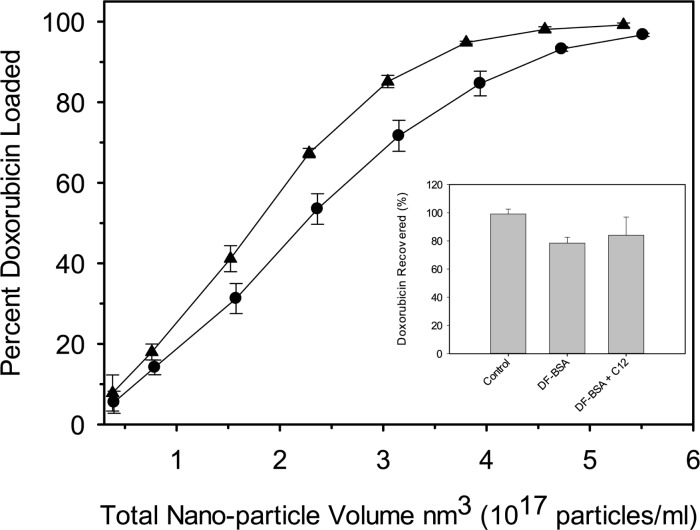
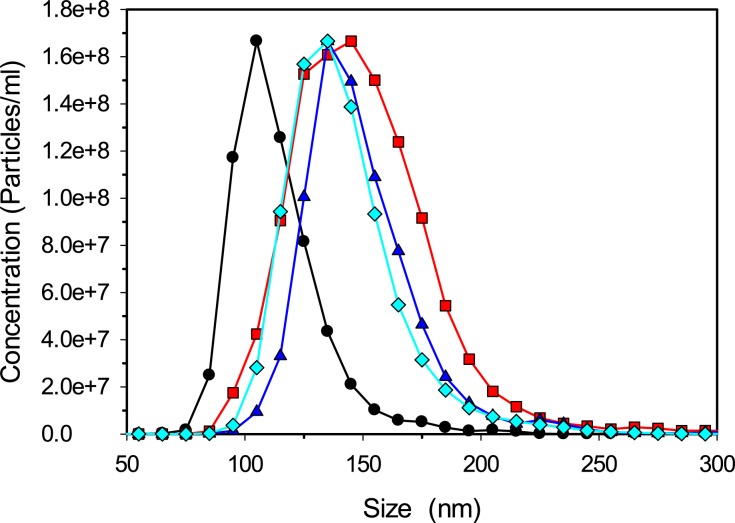
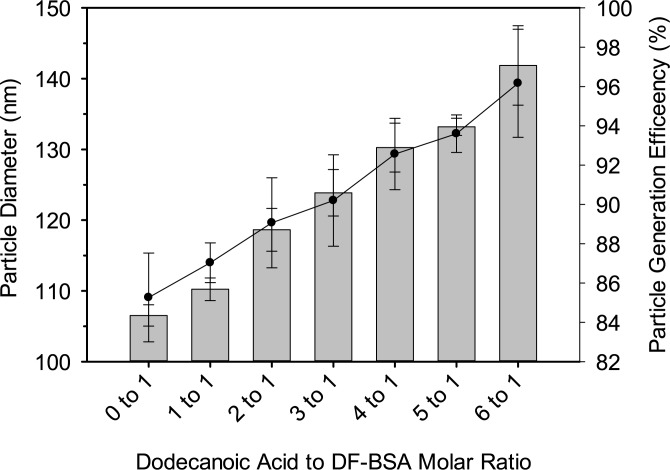
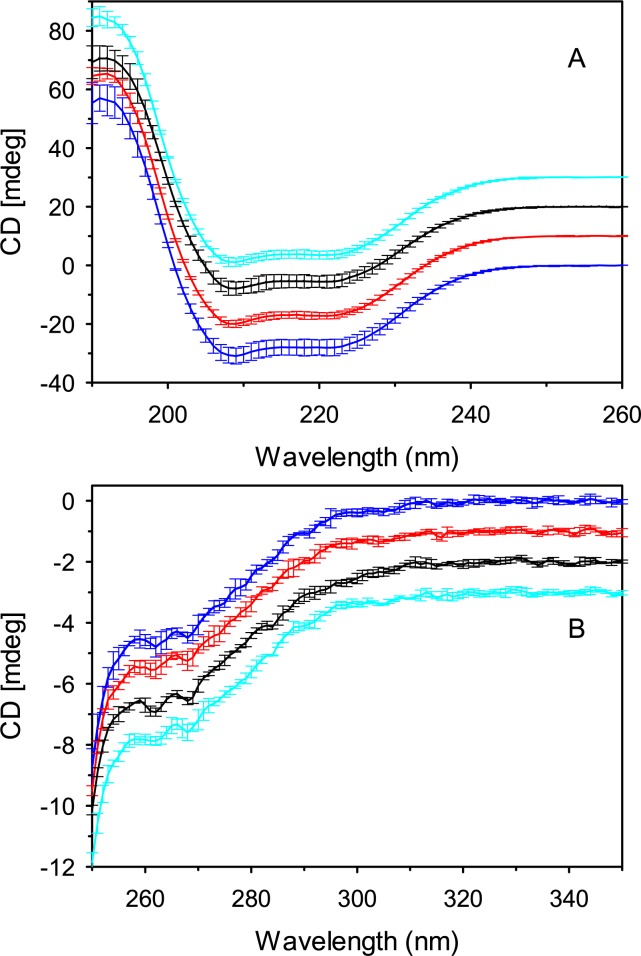
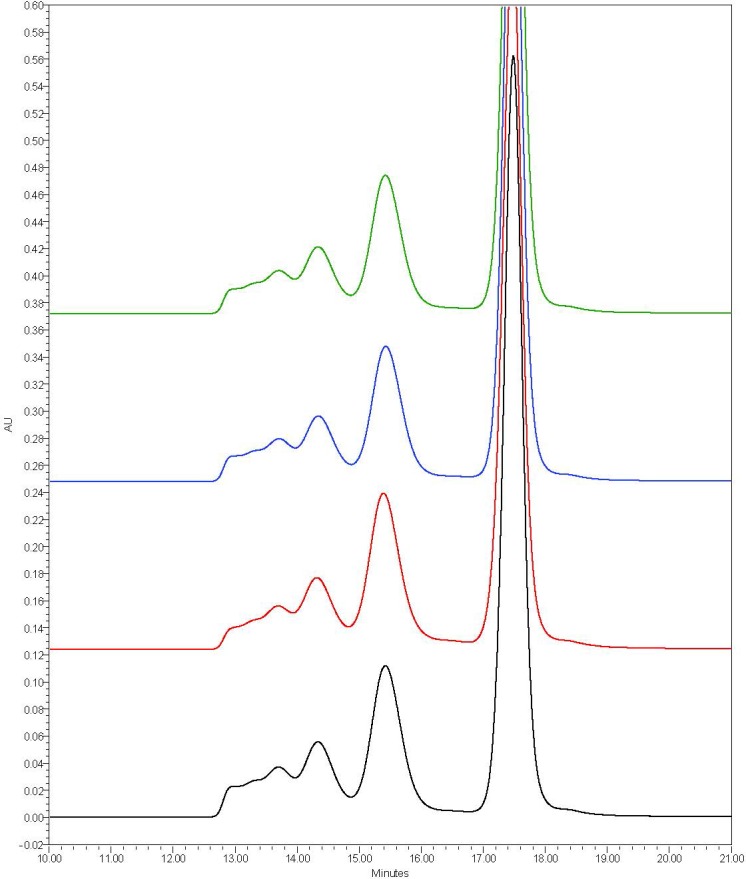
We have previously identified extensive glycation, bound fatty acids and increased quantities of protein aggregates in commercially available recombinant HSA (rHSA) expressed in Oryza sativa (Asian rice) (OsrHSA) when compared to rHSA from other expression systems. We propose these differences may alter some attributes of nanoparticles fabricated with OsrHSA, as studies have associated greater quantities of aggregates with increased nanoparticle diameters. To determine if this is the case, nanoparticles were fabricated with OsrHSA from various suppliers using ethanol desolvation and subsequent glutaraldehyde cross-linking. All nanoparticles fabricated with OsrHSA showed larger diameters of approximately 20 to 90nm than particles fabricated with either defatted bovine serum albumin (DF-BSA) (100.9 ± 2.8nm) or human plasma albumin (pHSA) (112.0 ± 4.0nm). It was hypothesized that the larger nanoparticle diameters were due to the presence of bound fatty acids and this was confirmed through defatting OsrHSA prior to particle fabrication which yielded particles with diameters similar to those fabricated with pHSA. For additional conformation, DF-BSA was incubated with dodecanoic acid prior to desolvation yielding particles with significantly larger diameters. Further studies showed the increased nanoparticle diameters were due to the bound fatty acids modulating electrostatic interactions between albumin nanoparticles during the desolvation and not changes in protein structure, stability or generation of additional albumin oligomers. Finally the presence of dodecanoic acid was shown to improve doxorubicin loading efficiency onto preformed albumin nanoparticles.
与其他表达系统生产的重组人血清白蛋白(rHSA)相比,我们之前已经确定,在水稻(亚洲稻)中表达的市售重组人血清白蛋白(OsrHSA)中存在广泛的糖基化、结合脂肪酸以及蛋白质聚集体数量增加的情况。我们推测,这些差异可能会改变用OsrHSA制备的纳米颗粒的某些特性,因为研究表明,聚集体数量增加与纳米颗粒直径增大有关。为了确定是否如此,使用乙醇去溶剂化和随后的戊二醛交联,用来自不同供应商的OsrHSA制备了纳米颗粒。所有用OsrHSA制备的纳米颗粒的直径都比用脱脂牛血清白蛋白(DF-BSA)(100.9±2.8nm)或人血浆白蛋白(pHSA)(112.0±4.0nm)制备的颗粒大,约为20至90nm。据推测,较大的纳米颗粒直径是由于存在结合脂肪酸,这一点通过在制备颗粒之前对OsrHSA进行脱脂得到了证实,脱脂后得到的颗粒直径与用pHSA制备的颗粒相似。为了进一步证实,在去溶剂化之前,将DF-BSA与十二烷酸孵育,得到直径明显更大的颗粒。进一步的研究表明,纳米颗粒直径的增加是由于结合脂肪酸在去溶剂化过程中调节了白蛋白纳米颗粒之间的静电相互作用,而不是蛋白质结构、稳定性的改变或额外白蛋白寡聚物的产生。最后,研究表明十二烷酸的存在提高了阿霉素在预先形成的白蛋白纳米颗粒上的负载效率。