Functional and Applied Biomechanics Section, Rehabilitation Medicine, Clinical Center, National Institutes of Health, Bethesda, MD 20892-1604, USA.
Combined Neurosciences IRB, National Institutes of Health, Bethesda, MD 20892-1604, USA.
Toxins (Basel). 2017 Dec 28;10(1):18. doi: 10.3390/toxins10010018.
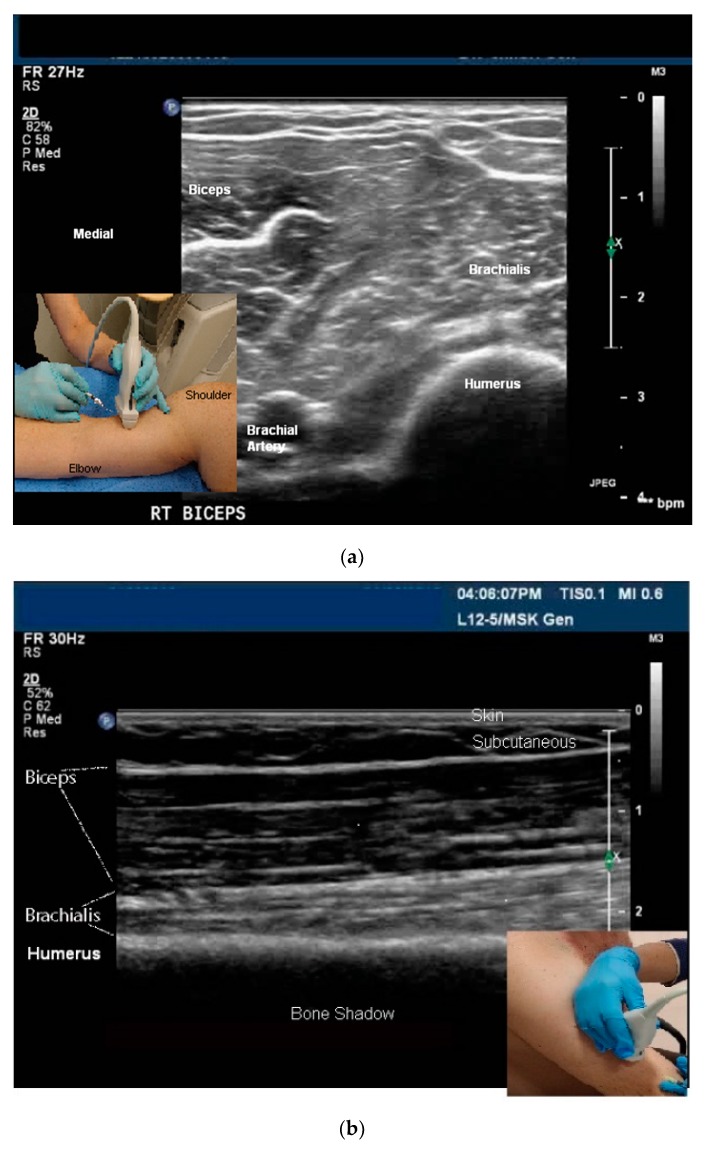
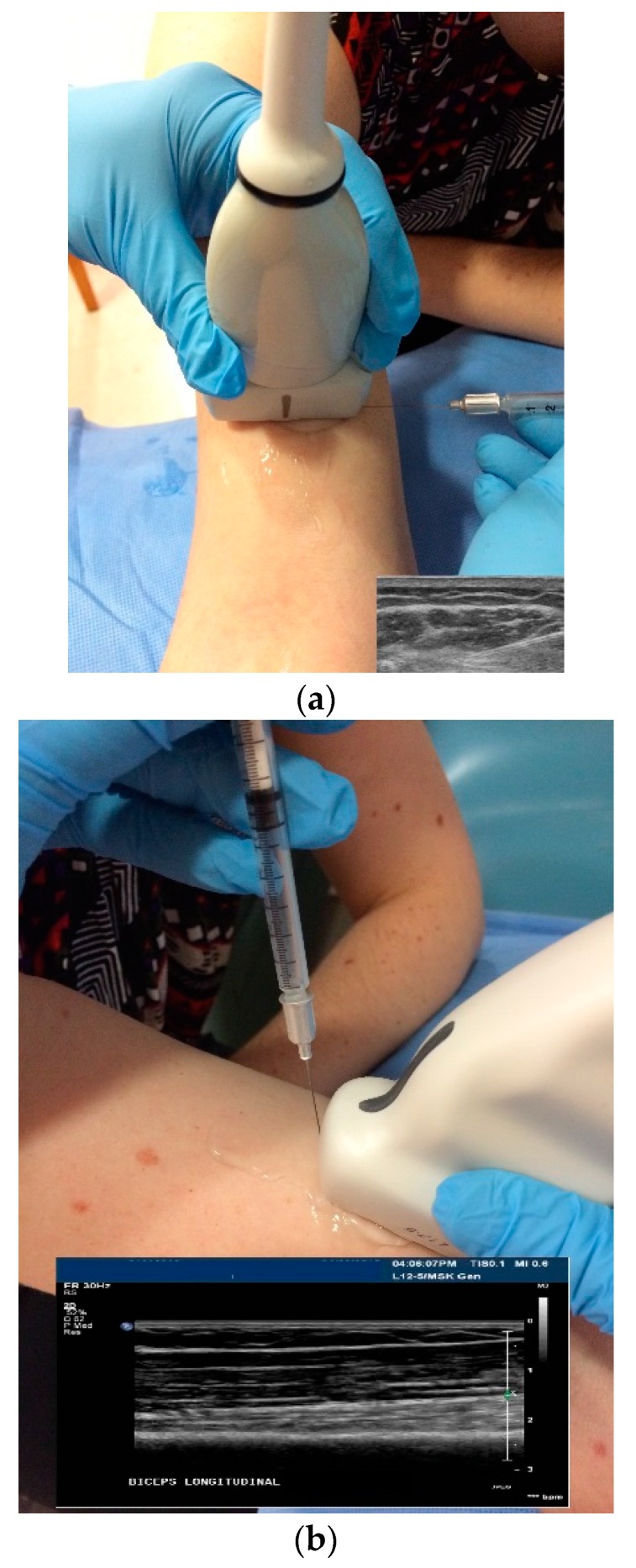
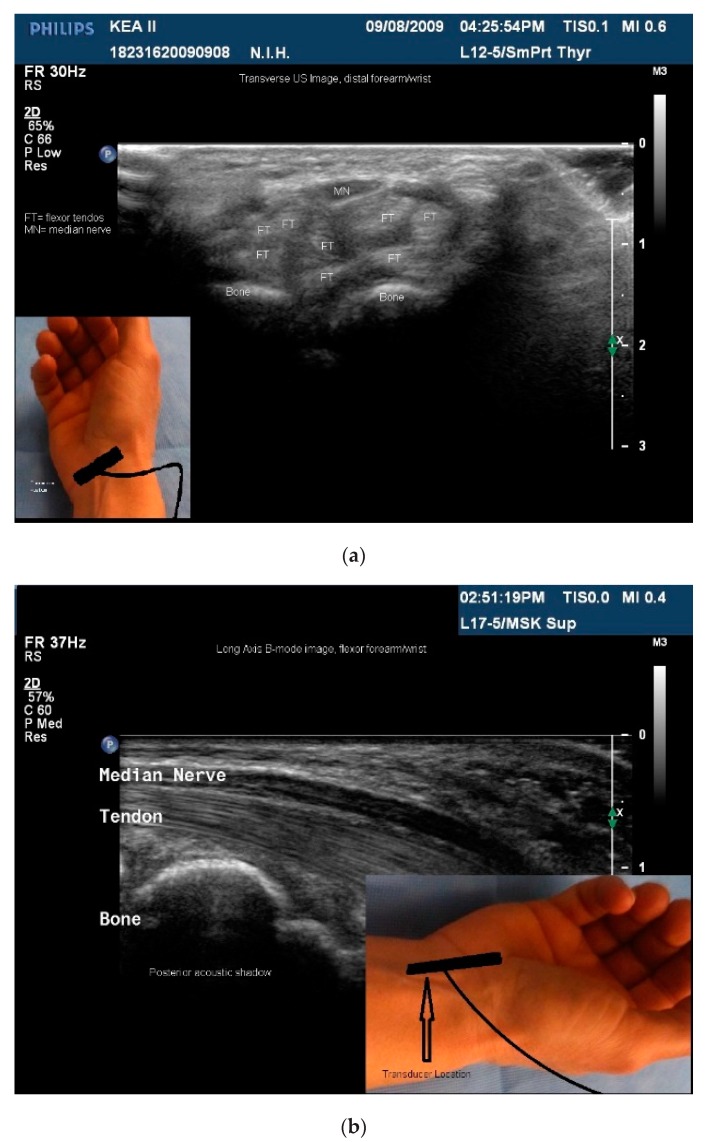
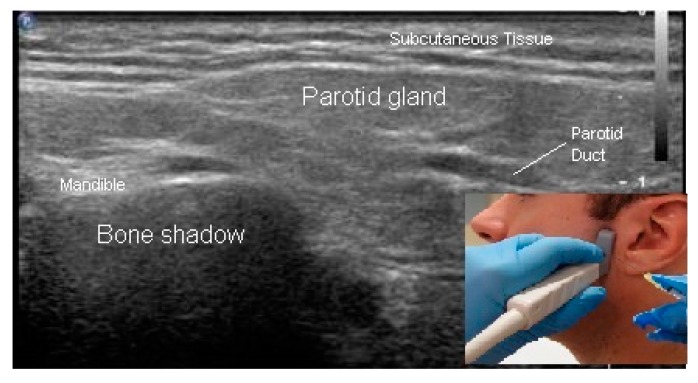
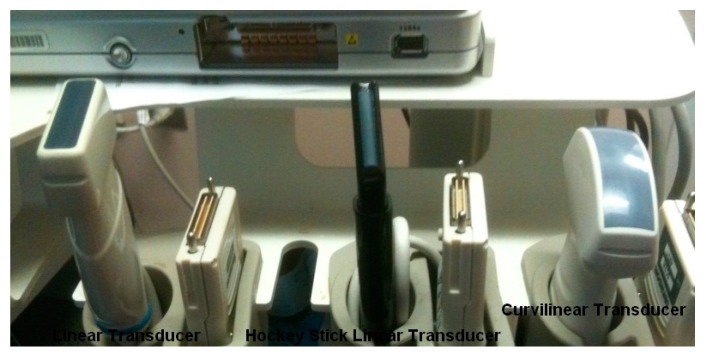
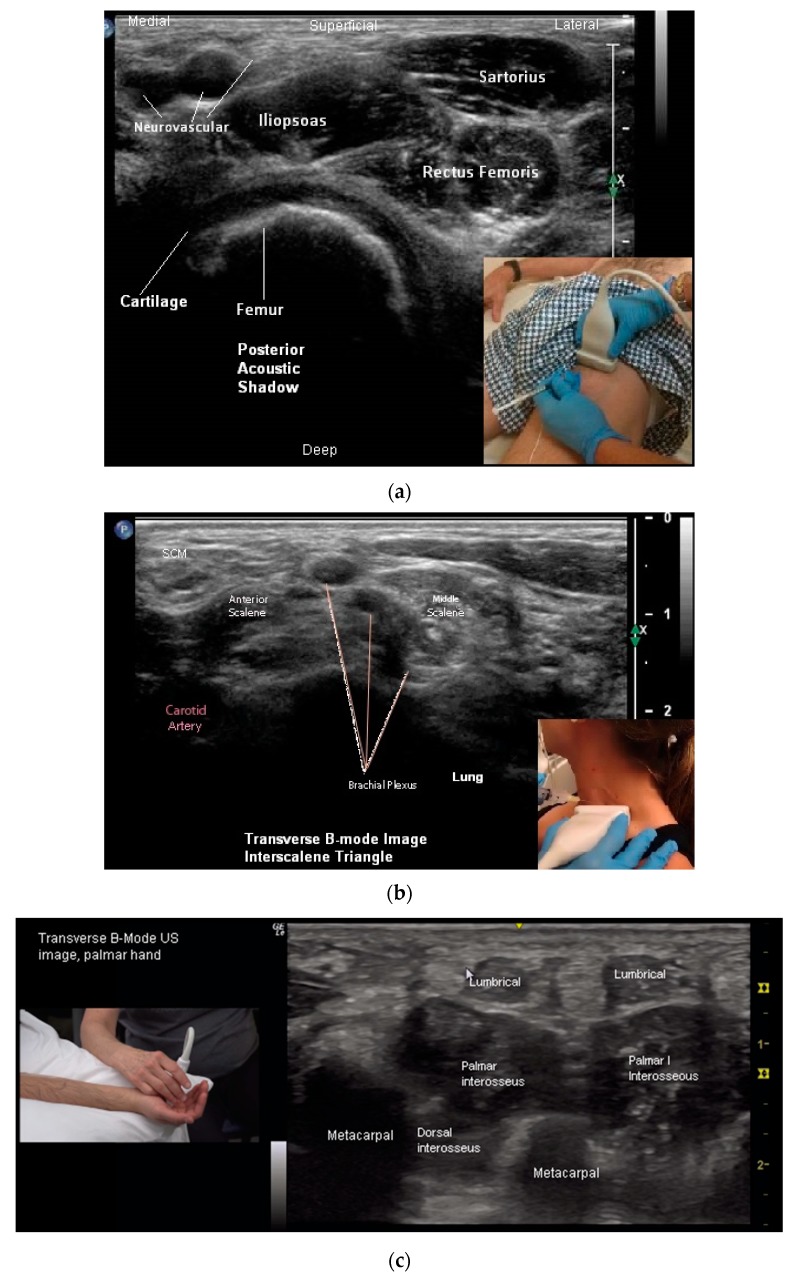
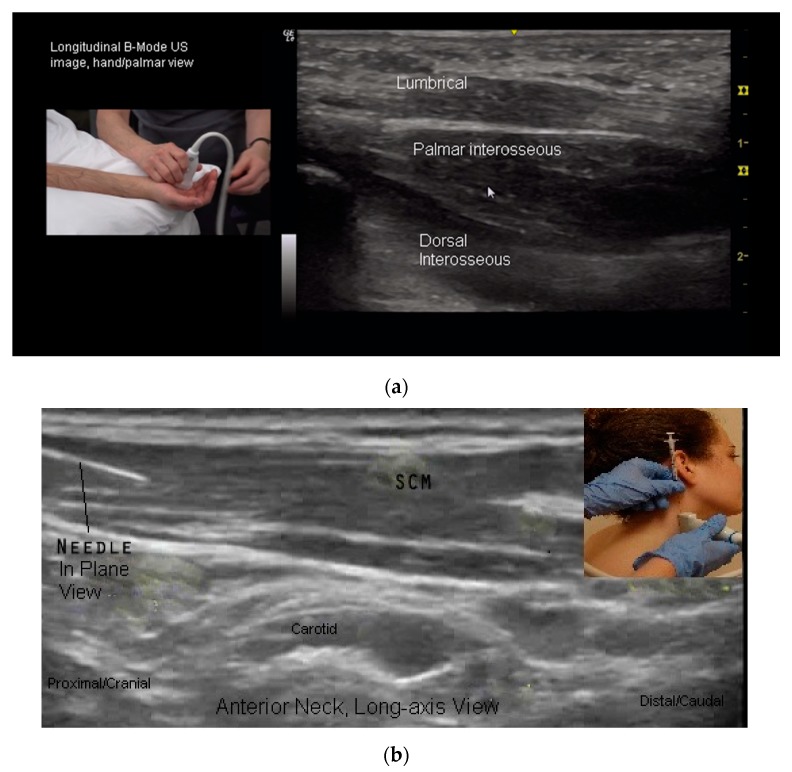
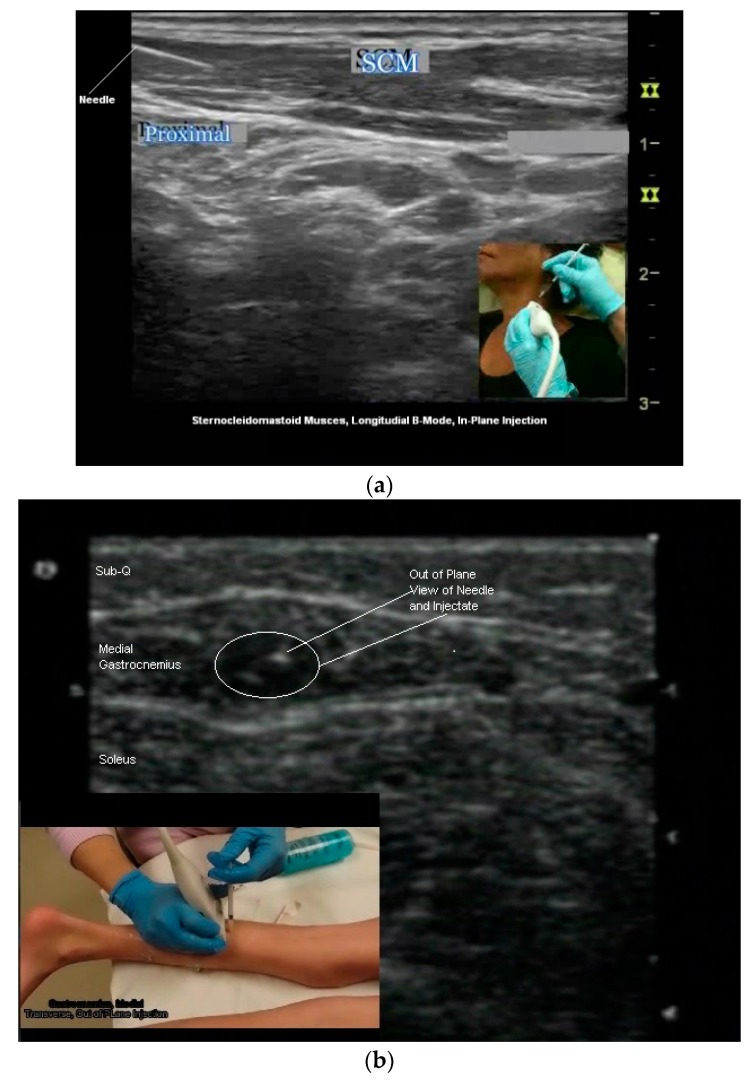
Injections of botulinum neurotoxins (BoNTs) are prescribed by clinicians for a variety of disorders that cause over-activity of muscles; glands; pain and other structures. Accurately targeting the structure for injection is one of the principle goals when performing BoNTs procedures. Traditionally; injections have been guided by anatomic landmarks; palpation; range of motion; electromyography or electrical stimulation. Ultrasound (US) based imaging based guidance overcomes some of the limitations of traditional techniques. US and/or US combined with traditional guidance techniques is utilized and or recommended by many expert clinicians; authors and in practice guidelines by professional academies. This article reviews the advantages and disadvantages of available guidance techniques including US as well as technical aspects of US guidance and a focused literature review related to US guidance for chemodenervation procedures including BoNTs injection.
肉毒毒素(BoNTs)注射是临床医生治疗多种疾病的方法,这些疾病会导致肌肉、腺体、疼痛和其他结构过度活跃。在进行 BoNTs 手术时,准确地将注射部位定位到目标结构是主要目标之一。传统上,注射是通过解剖标志、触诊、运动范围、肌电图或电刺激来引导的。基于超声(US)的成像引导克服了传统技术的一些局限性。许多专家临床医生、作者和专业学会的实践指南都推荐使用超声和/或 US 与传统引导技术相结合的方法。本文综述了现有的引导技术的优缺点,包括 US 以及 US 引导的技术方面,以及与 BoNTs 注射相关的化学神经切断术 US 引导的文献综述。