Institute of Virology, Hannover Medical School, Hannover, Germany.
NRENNT-Niedersachsen Research Network on Neuroinfectiology, Hannover, Germany.
PLoS Pathog. 2017 Dec 28;13(12):e1006813. doi: 10.1371/journal.ppat.1006813. eCollection 2017 Dec.
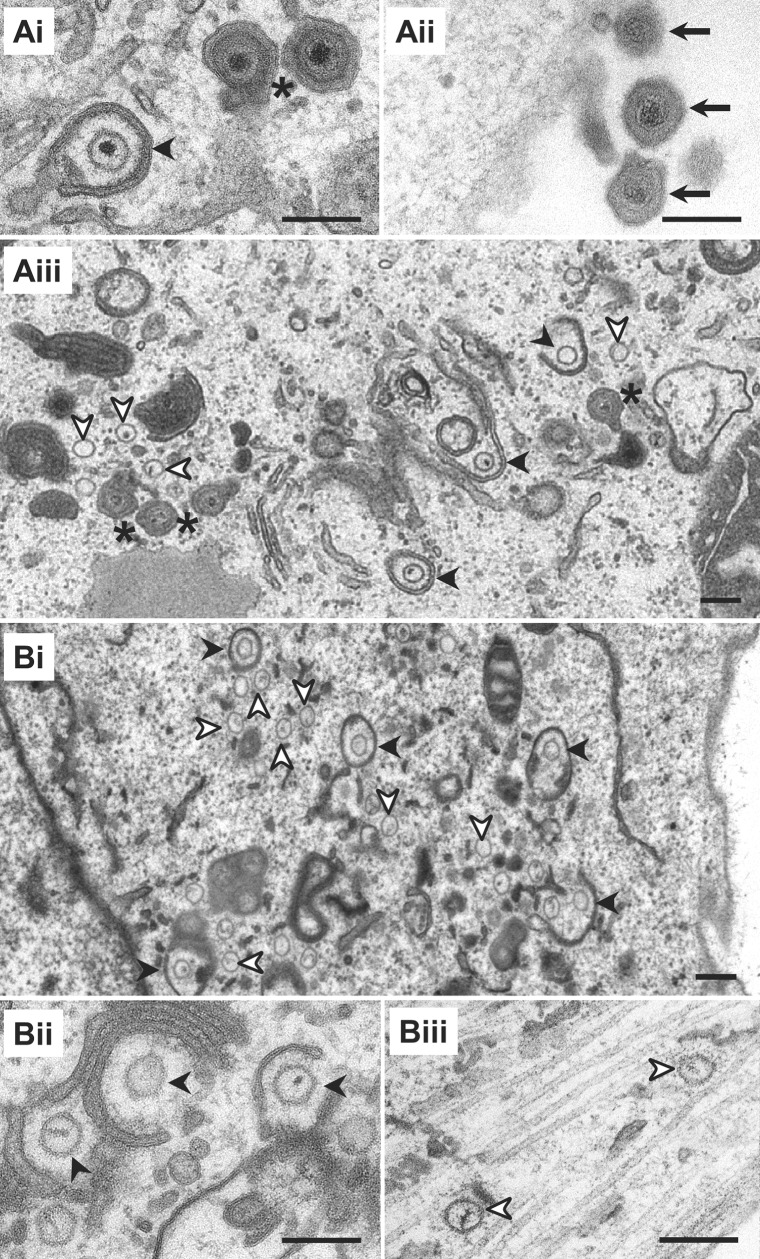
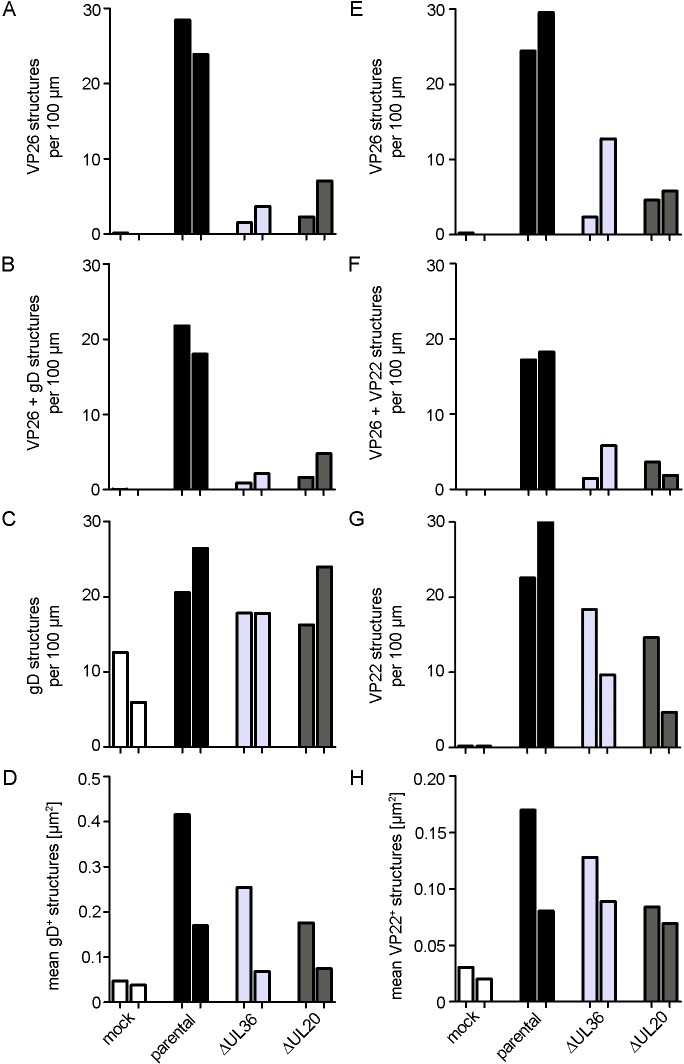
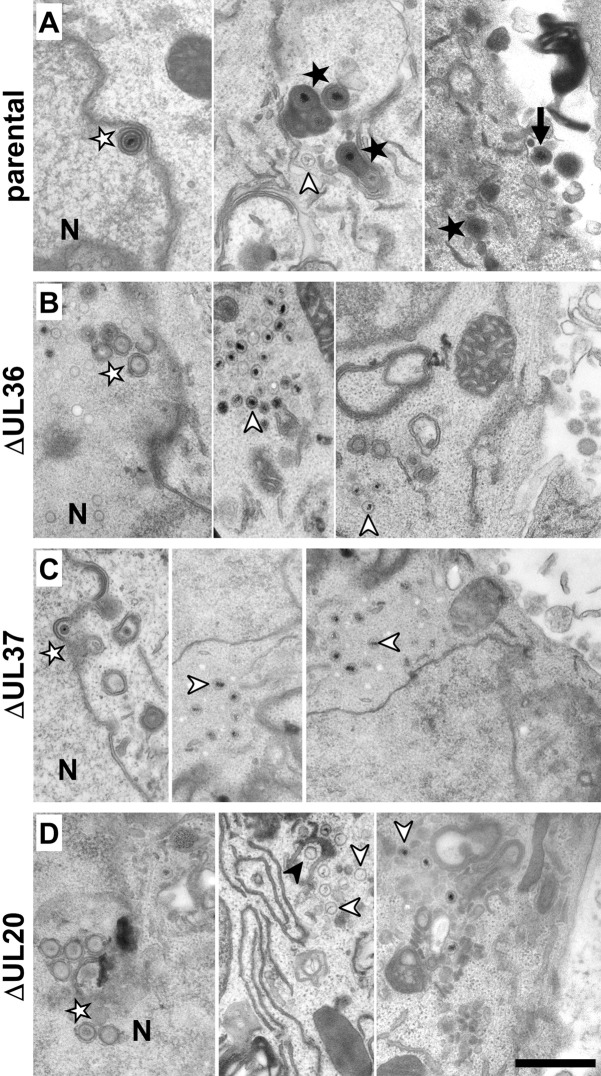
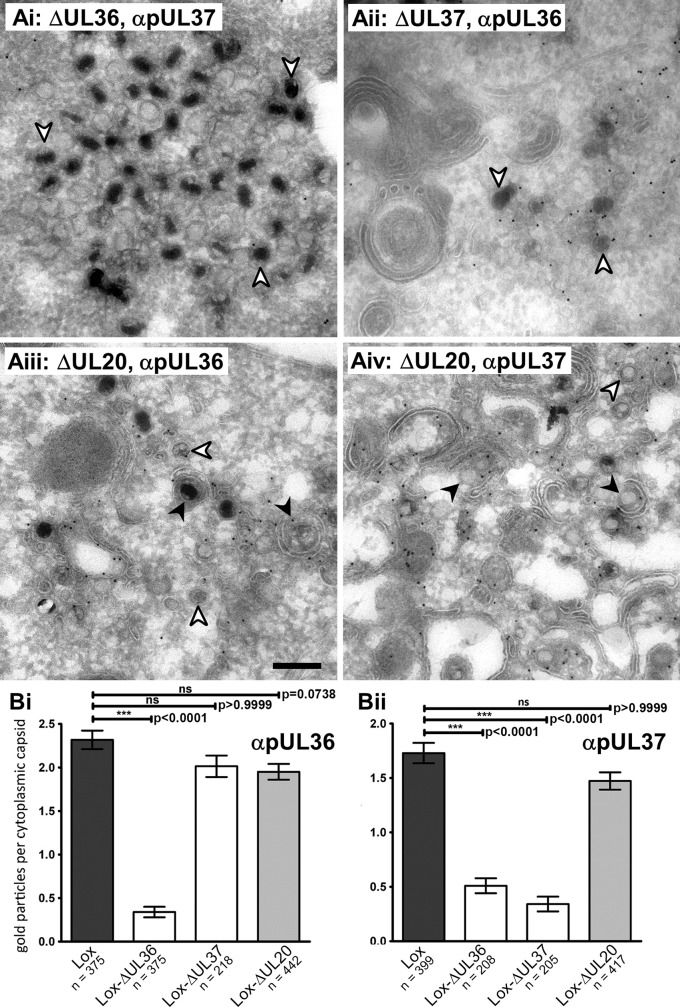
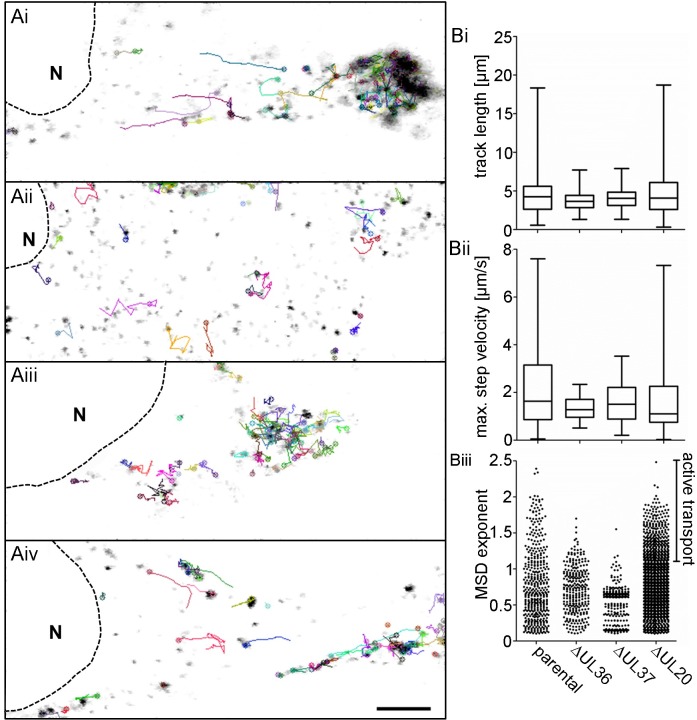
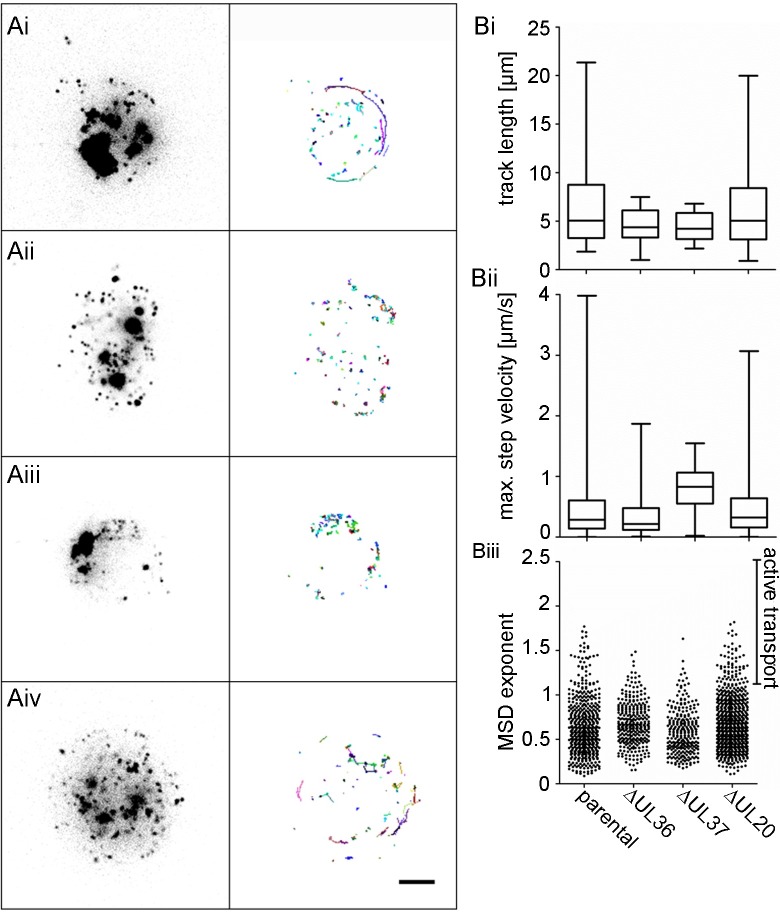
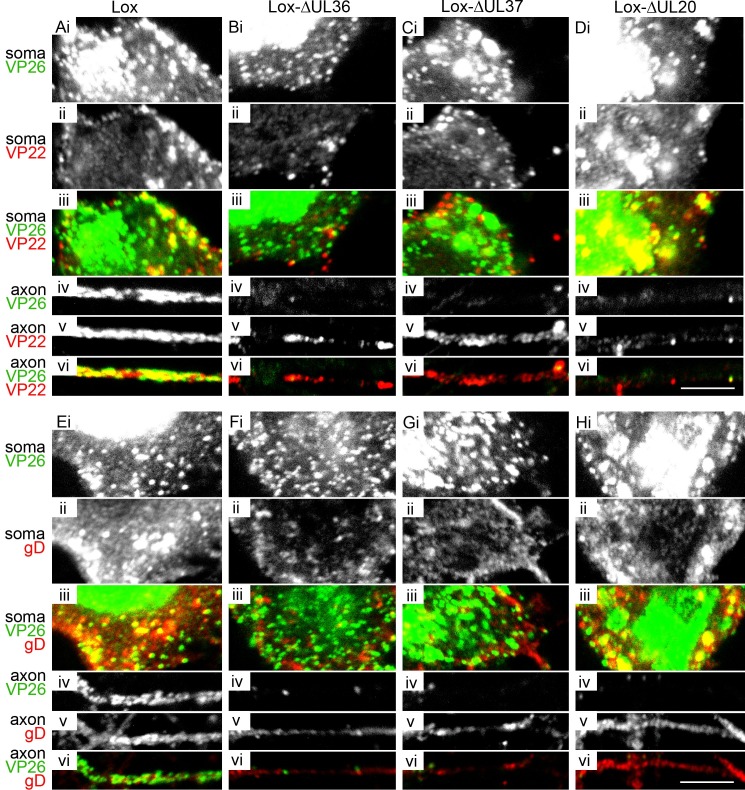
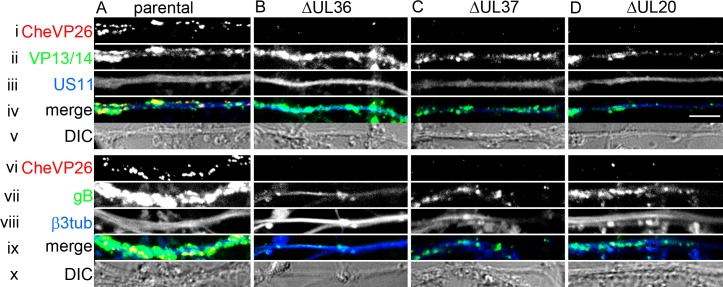
Upon reactivation from latency and during lytic infections in neurons, alphaherpesviruses assemble cytosolic capsids, capsids associated with enveloping membranes, and transport vesicles harboring fully enveloped capsids. It is debated whether capsid envelopment of herpes simplex virus (HSV) is completed in the soma prior to axonal targeting or later, and whether the mechanisms are the same in neurons derived from embryos or from adult hosts. We used HSV mutants impaired in capsid envelopment to test whether the inner tegument proteins pUL36 or pUL37 necessary for microtubule-mediated capsid transport were sufficient for axonal capsid targeting in neurons derived from the dorsal root ganglia of adult mice. Such neurons were infected with HSV1-ΔUL20 whose capsids recruited pUL36 and pUL37, with HSV1-ΔUL37 whose capsids associate only with pUL36, or with HSV1-ΔUL36 that assembles capsids lacking both proteins. While capsids of HSV1-ΔUL20 were actively transported along microtubules in epithelial cells and in the somata of neurons, those of HSV1-ΔUL36 and -ΔUL37 could only diffuse in the cytoplasm. Employing a novel image analysis algorithm to quantify capsid targeting to axons, we show that only a few capsids of HSV1-ΔUL20 entered axons, while vesicles transporting gD utilized axonal transport efficiently and independently of pUL36, pUL37, or pUL20. Our data indicate that capsid motility in the somata of neurons mediated by pUL36 and pUL37 does not suffice for targeting capsids to axons, and suggest that capsid envelopment needs to be completed in the soma prior to targeting of herpes simplex virus to the axons, and to spreading from neurons to neighboring cells.
在潜伏状态重新激活和在神经元的裂解感染期间,α疱疹病毒组装细胞质衣壳、与包膜相关的衣壳和携带完全包膜衣壳的运输小泡。疱疹单纯病毒 (HSV) 的衣壳包被是否在靶向轴突之前或之后在体部完成,以及胚胎或成年宿主来源的神经元中的机制是否相同,这一点存在争议。我们使用衣壳包被缺陷的 HSV 突变体来测试对于微管介导的衣壳运输所必需的衣壳内被膜蛋白 pUL36 或 pUL37 是否足以用于源自成年小鼠背根神经节的神经元中的轴突衣壳靶向。这些神经元被感染了 HSV1-ΔUL20,其衣壳募集了 pUL36 和 pUL37,被感染了 HSV1-ΔUL37,其衣壳仅与 pUL36 相关联,或被感染了 HSV1-ΔUL36,其组装缺乏这两种蛋白质的衣壳。虽然 HSV1-ΔUL20 的衣壳在上皮细胞和神经元的体部中沿微管被主动运输,但 HSV1-ΔUL36 和 -ΔUL37 的衣壳只能在细胞质中扩散。我们采用了一种新的图像分析算法来定量分析衣壳向轴突的靶向性,结果表明只有 HSV1-ΔUL20 的少数衣壳进入了轴突,而运输 gD 的囊泡则有效地利用了轴突运输,并且与 pUL36、pUL37 或 pUL20 无关。我们的数据表明,由 pUL36 和 pUL37 介导的神经元体部中的衣壳运动不足以将衣壳靶向到轴突,并且表明衣壳包被需要在靶向单纯疱疹病毒到轴突之前和在从神经元到邻近细胞的传播之前在体部中完成。