IRCCS Neuromed, Pozzilli, Italy.
Department of Experimental Medicine, Sapienza University, Rome, Italy.
Elife. 2017 Dec 29;6:e33415. doi: 10.7554/eLife.33415.
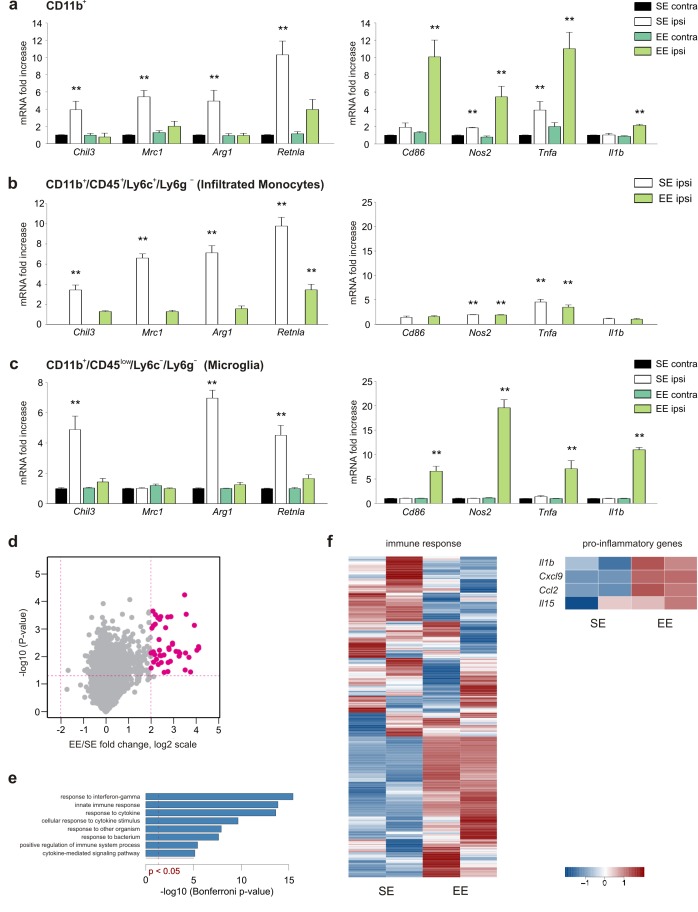
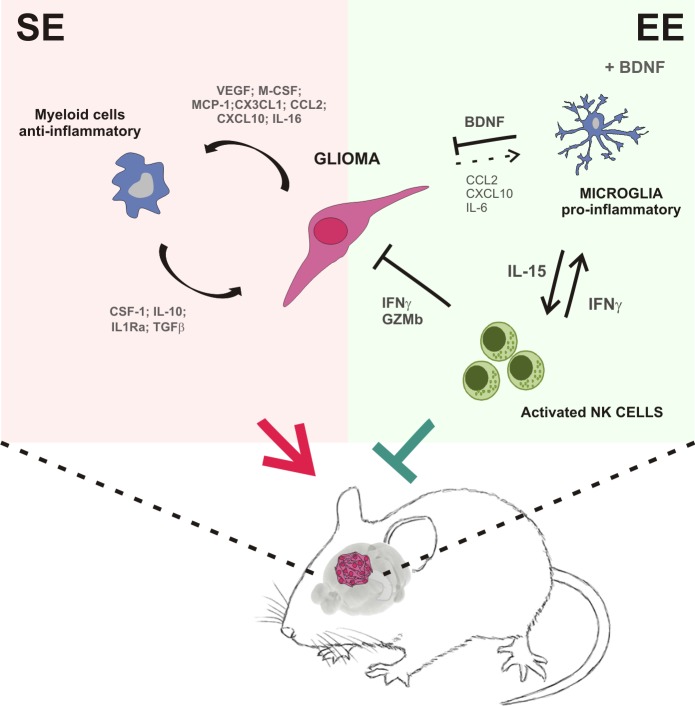
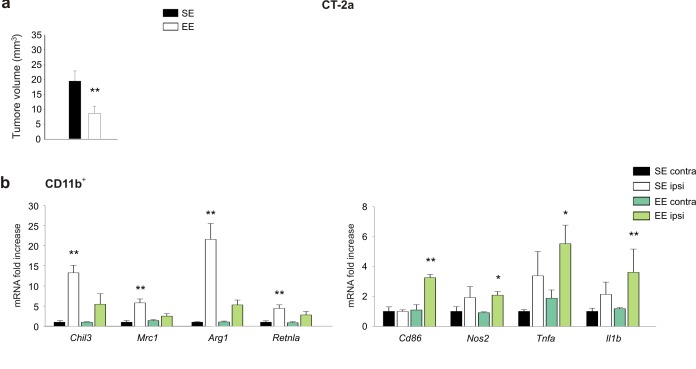
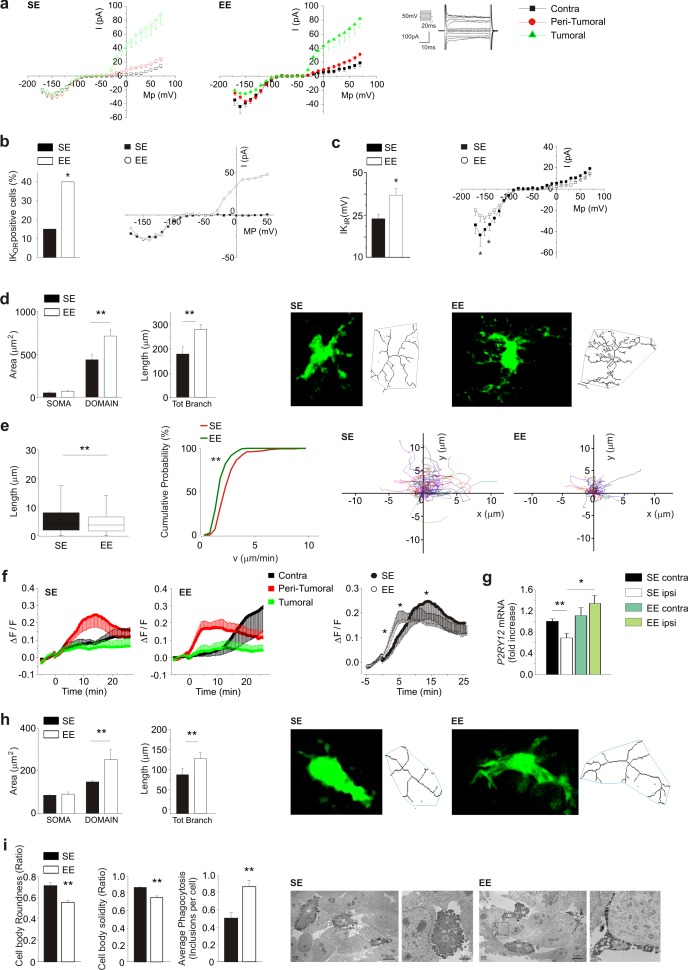
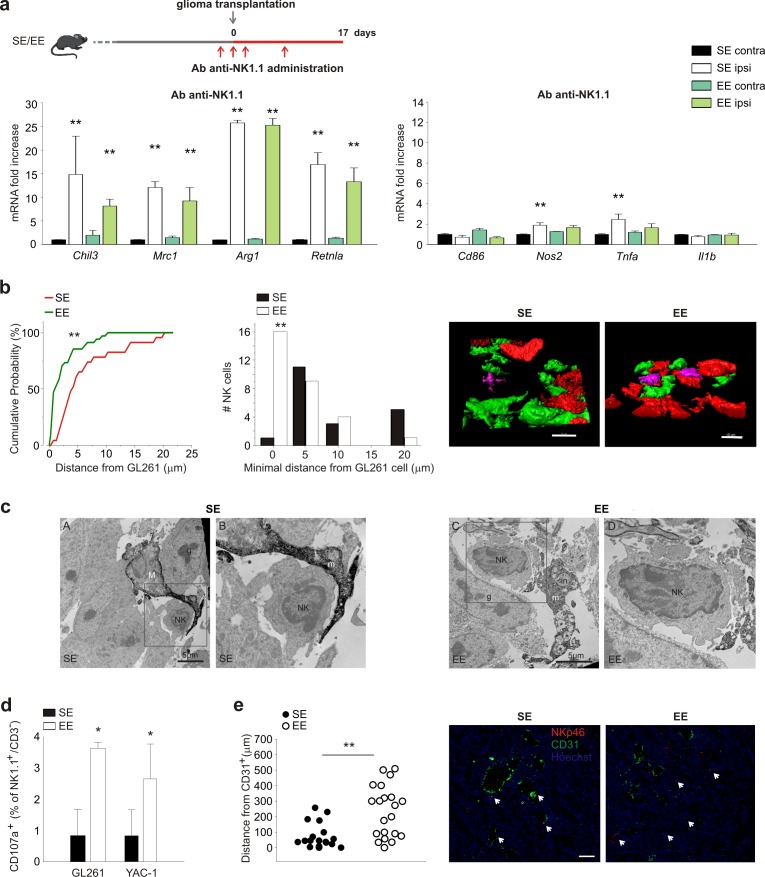
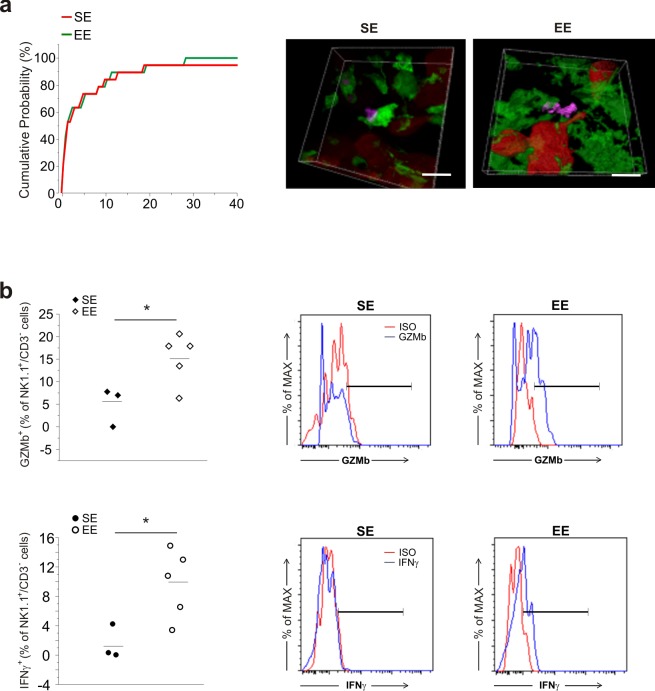
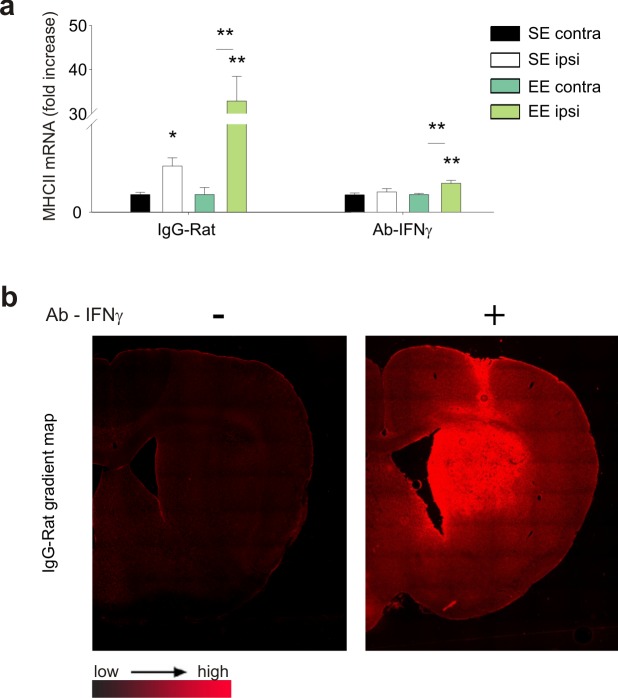
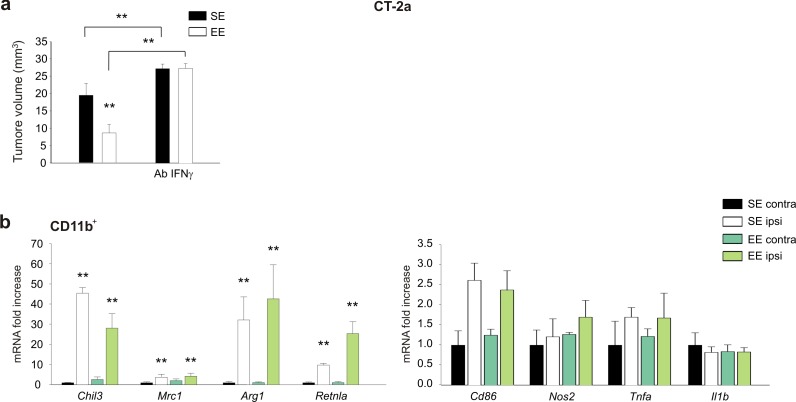
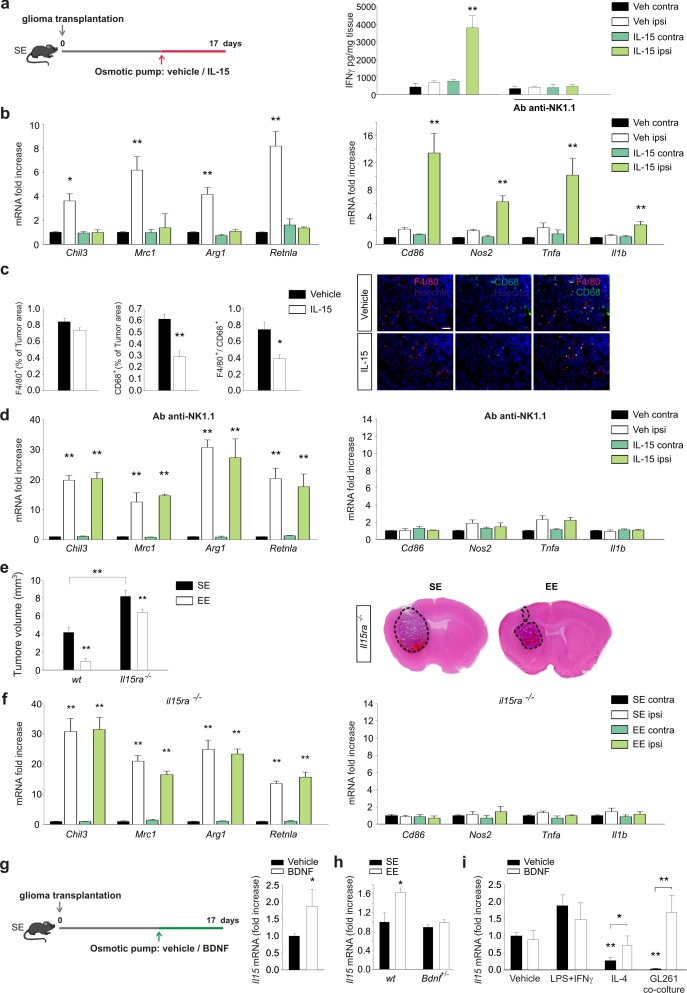
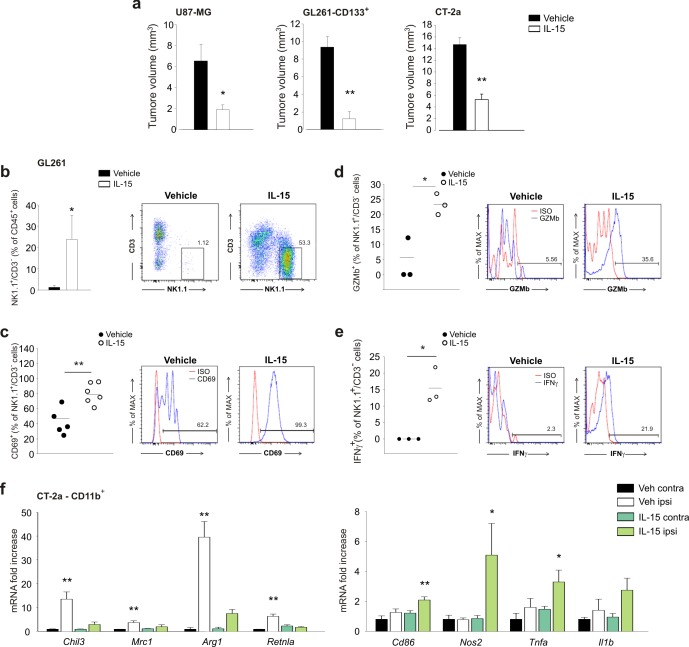
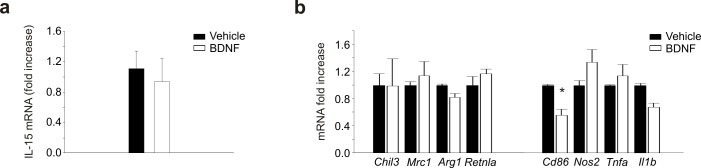
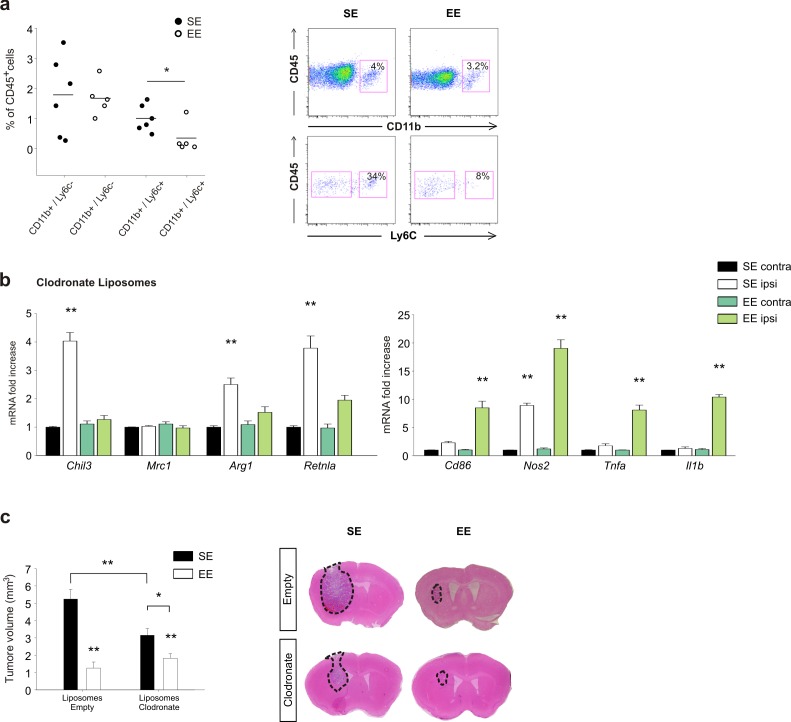
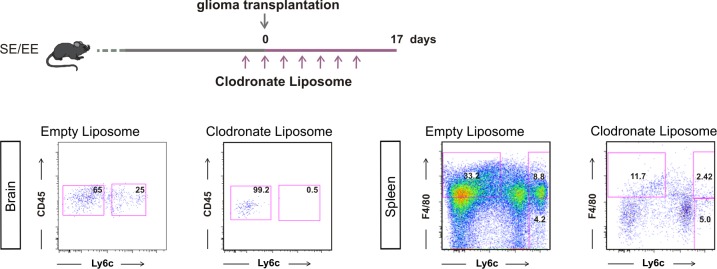
In glioma, microglia and infiltrating macrophages are exposed to factors that force them to produce cytokines and chemokines, which contribute to tumor growth and to maintaining a pro-tumorigenic, immunosuppressed microenvironment. We demonstrate that housing glioma-bearing mice in enriched environment (EE) reverts the immunosuppressive phenotype of infiltrating myeloid cells, by modulating inflammatory gene expression. Under these conditions, the branching and patrolling activity of myeloid cells is increased, and their phagocytic activity is promoted. Modulation of gene expression depends on interferon-(IFN)-γ produced by natural killer (NK) cells. This modulation disappears in mice depleted of NK cells or lacking IFN-γ, and was mimicked by exogenous interleukin-15 (IL-15). Further, we describe a key role for brain-derived neurotrophic factor (BDNF) that is produced in the brain of mice housed in EE, in mediating the expression of IL-15 in CD11b cells. These data define novel mechanisms linking environmental cues to the acquisition of a pro-inflammatory, anti-tumor microenvironment in mouse brain.
在神经胶质瘤中,小胶质细胞和浸润的巨噬细胞暴露于迫使它们产生细胞因子和趋化因子的因素中,这些因素有助于肿瘤生长和维持促肿瘤、免疫抑制的微环境。我们证明,将携带神经胶质瘤的小鼠饲养在丰富环境(EE)中,通过调节炎症基因表达,可逆转浸润性髓样细胞的免疫抑制表型。在这些条件下,髓样细胞的分支和巡逻活动增加,其吞噬活性得到促进。基因表达的调节取决于自然杀伤(NK)细胞产生的干扰素-γ(IFN-γ)。这种调节在 NK 细胞耗竭或缺乏 IFN-γ的小鼠中消失,并且可以被外源性白细胞介素-15(IL-15)模拟。此外,我们描述了脑源性神经营养因子(BDNF)的关键作用,BDNF 由饲养在 EE 中的小鼠大脑产生,介导 CD11b 细胞中 IL-15 的表达。这些数据定义了将环境线索与小鼠大脑中促炎、抗肿瘤微环境的获得联系起来的新机制。