Fan Cun-Dong, Sun Jing-Yi, Fu Xiao-Ting, Hou Ya-Jun, Li Yuan, Yang Ming-Feng, Fu Xiao-Yan, Sun Bao-Liang
Key Lab of Cerebral Microcirculation in Universities of Shandong, Taishan Medical University, Taian, China.
Wonju Severance Christian Hospital, Yonsei University Wonju College of Medicine, Wonju, South Korea.
Front Physiol. 2017 Dec 12;8:1041. doi: 10.3389/fphys.2017.01041. eCollection 2017.
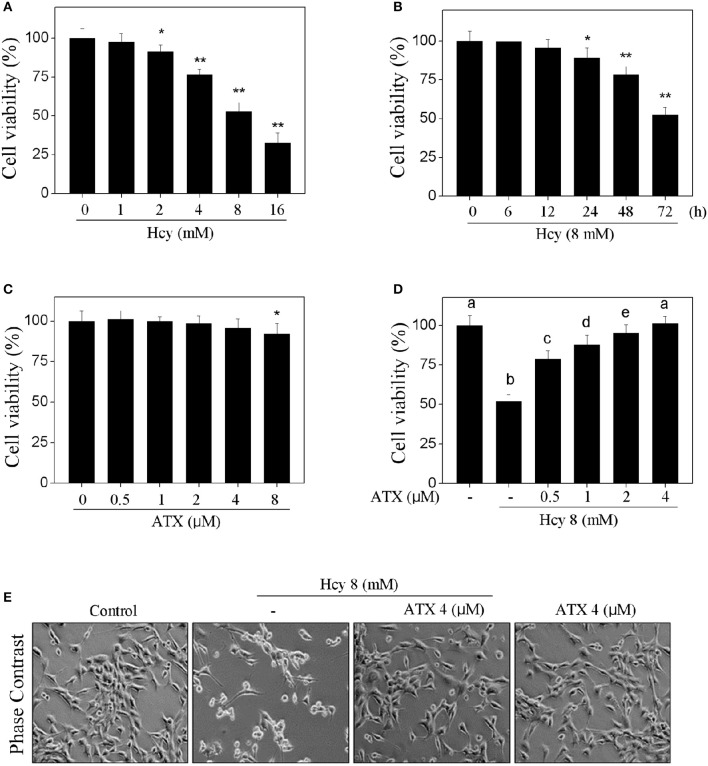
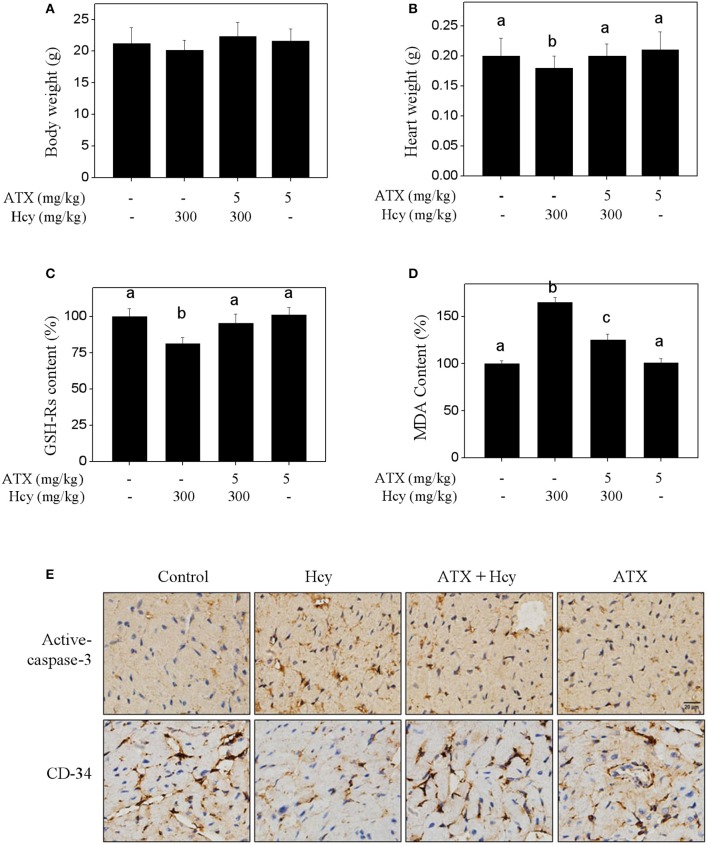
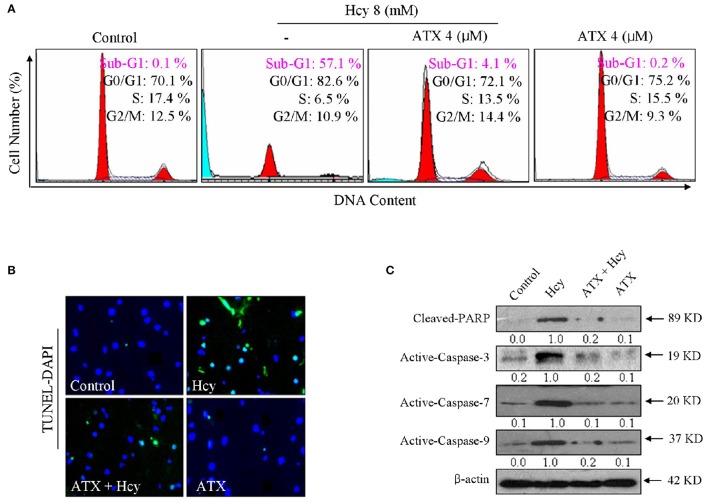
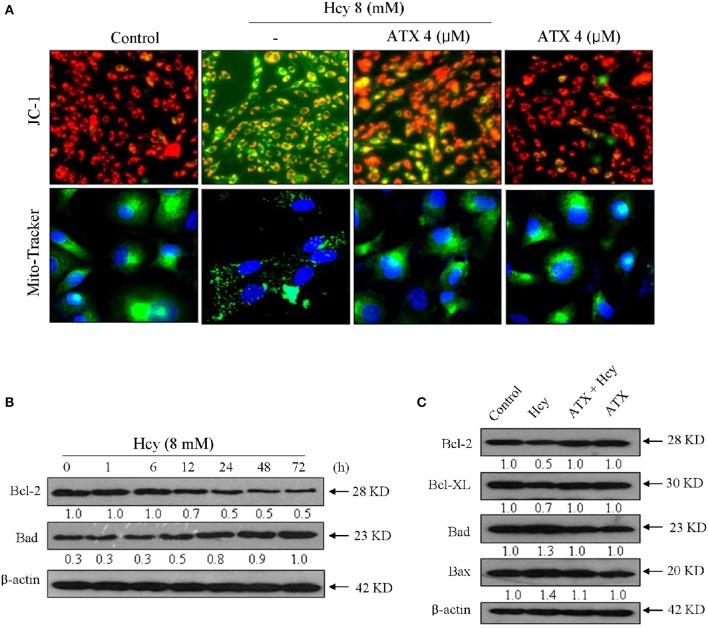
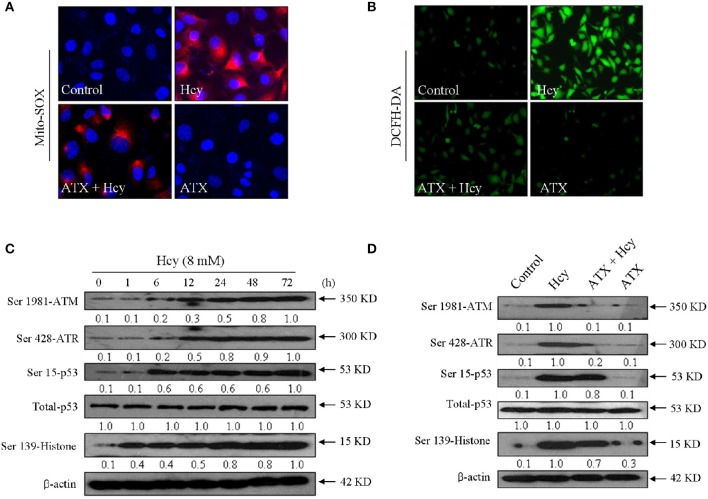
Homocysteine (Hcy) as an independent risk factor contributes to the occurrence and development of human cardiovascular diseases (CVD). Induction of oxidative stress and apoptosis was commonly accepted as the major mechanism in Hcy-induced cardiotoxicity. Astaxanthin (ATX) as one of the most powerful antioxidants exhibits novel cardioprotective potential against Hcy-induced endothelial dysfunction. However, the protective effect and mechanism of ATX against Hcy-induced cardiotoxicity in cardiomyocytes have not been elucidated yet. Herein, H9c2 rat cardiomyocytes and Hcy-injured animal model were employed in the present study. The MTT, flow cytometry analysis (FCM), TUNEL-DAPI and western blotting results all demonstrated that ATX significantly alleviated Hcy-induced cytotoxicity in H9c2 cells through inhibition of mitochondria-mediated apoptosis. The JC-1 and Mito-tracker staining both revealed that ATX pre-treatment blocked Hcy-induced mitochondrial dysfunction by regulating Bcl-2 family expression. Moreover, DCFH-DA and Mito-SOX staining showed that ATX effectively attenuated Hcy-induced oxidative damage via scavenging intracellular reactive oxygen species (ROS). Importantly, the ELISA and immunohistochemical results indicated that Hcy-induced cardiotoxicity was also significantly inhibited by ATX through inhibition of oxidative damage and apoptosis, and improvement of the angiogenesis. Taken together, our results demonstrated that ATX suppressed Hcy-induced cardiotoxicity and by inhibiting mitochondrial dysfunction and oxidative damage. Our findings validated the strategy of using ATX may be a highly efficient way to combat Hcy-mediated human CVD.
同型半胱氨酸(Hcy)作为一个独立的风险因素,参与了人类心血管疾病(CVD)的发生和发展。氧化应激和细胞凋亡的诱导通常被认为是Hcy诱导心脏毒性的主要机制。虾青素(ATX)作为最强大的抗氧化剂之一,对Hcy诱导的内皮功能障碍具有新的心脏保护潜力。然而,ATX对Hcy诱导的心肌细胞心脏毒性的保护作用和机制尚未阐明。在此,本研究采用H9c2大鼠心肌细胞和Hcy损伤动物模型。MTT、流式细胞术分析(FCM)、TUNEL-DAPI和蛋白质印迹结果均表明,ATX通过抑制线粒体介导的细胞凋亡,显著减轻了Hcy诱导的H9c2细胞毒性。JC-1和线粒体跟踪染色均显示,ATX预处理通过调节Bcl-2家族表达,阻止了Hcy诱导的线粒体功能障碍。此外,DCFH-DA和Mito-SOX染色表明,ATX通过清除细胞内活性氧(ROS)有效减轻了Hcy诱导的氧化损伤。重要的是,ELISA和免疫组织化学结果表明,ATX还通过抑制氧化损伤和细胞凋亡以及改善血管生成,显著抑制了Hcy诱导的心脏毒性。综上所述,我们的结果表明,ATX通过抑制线粒体功能障碍和氧化损伤,抑制了Hcy诱导的心脏毒性。我们的研究结果证实,使用ATX可能是对抗Hcy介导的人类CVD的一种高效方法。