Chen Xuemei, Wang Shuai, Zhou Ying, Han Yanfei, Li Shengtian, Xu Qing, Xu Longyong, Zhu Ziqi, Deng Youming, Yu Lu, Song Lulu, Chen Adele Pin, Song Juan, Takahashi Eiki, He Guang, He Lin, Li Weidong, Chen Charlie Degui
Bio-X Institutes, Key Laboratory for the Genetics of Development and Neuropsychiatric Disorders (Ministry of Education), Shanghai Key Laboratory of Psychotic Disorders, and Brain Science and Technology Research Center, Shanghai Jiao Tong University, 800 Dongchuan Road, Shanghai, 200240, China.
State Key Laboratory of Molecular Biology, Shanghai Key laboratory of Molecular Andrology, Institute of Biochemistry and Cell Biology, Shanghai Institutes for Biological Sciences, Chinese Academy of Sciences, Shanghai, 200031, China.
Nat Commun. 2018 Jan 9;9(1):114. doi: 10.1038/s41467-017-02531-y.
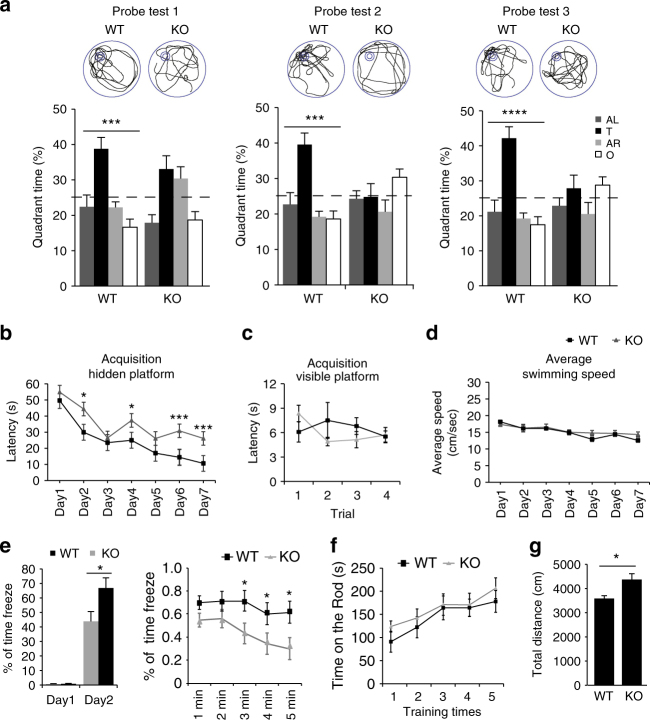
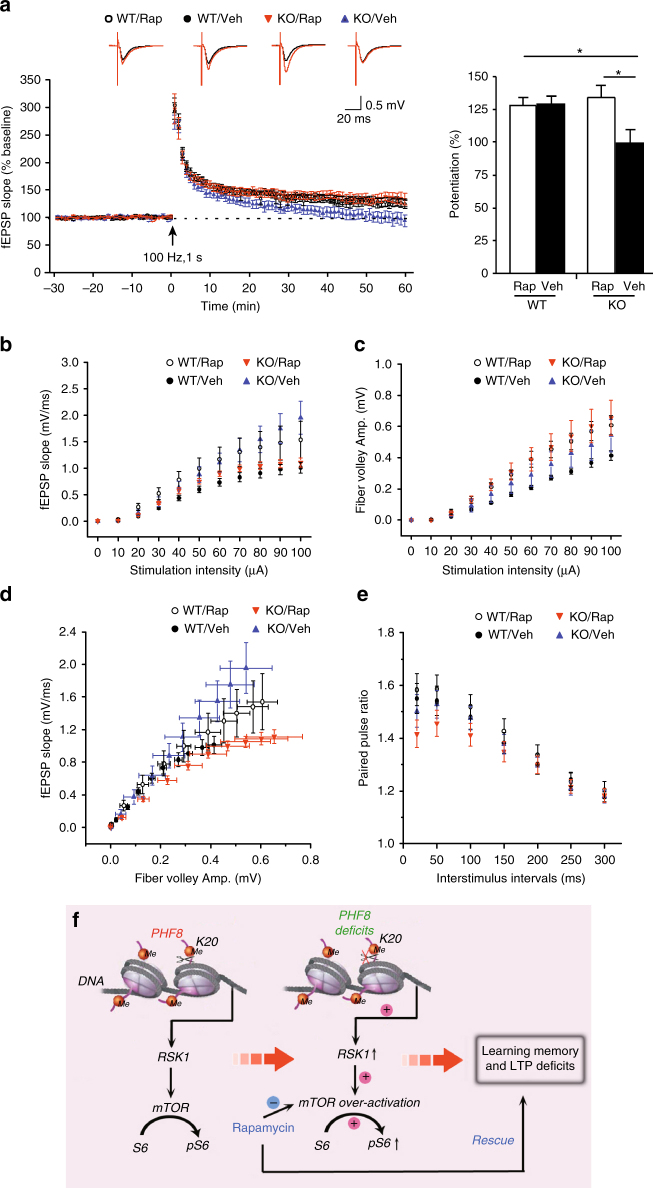
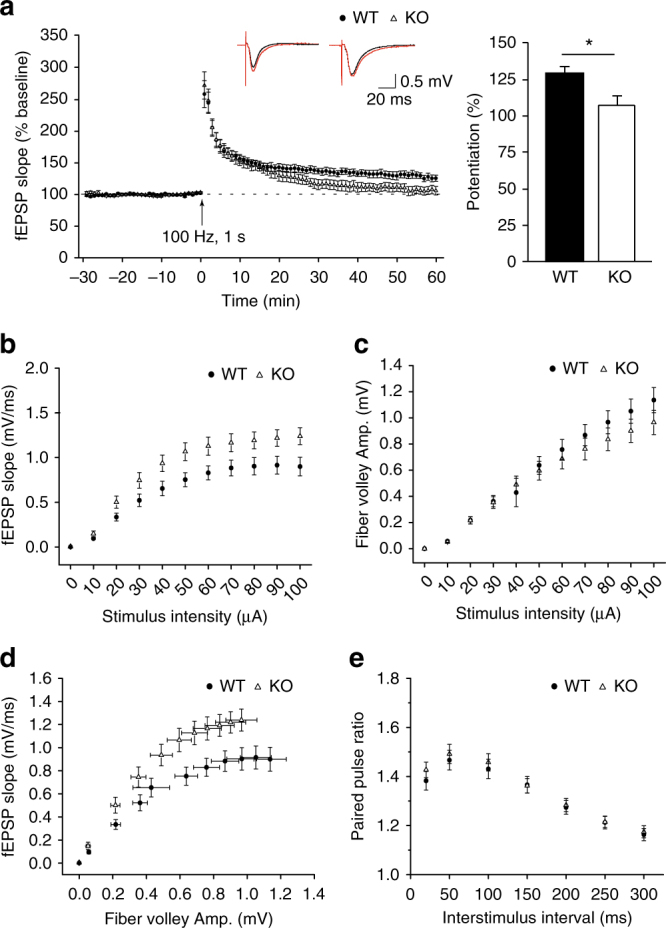
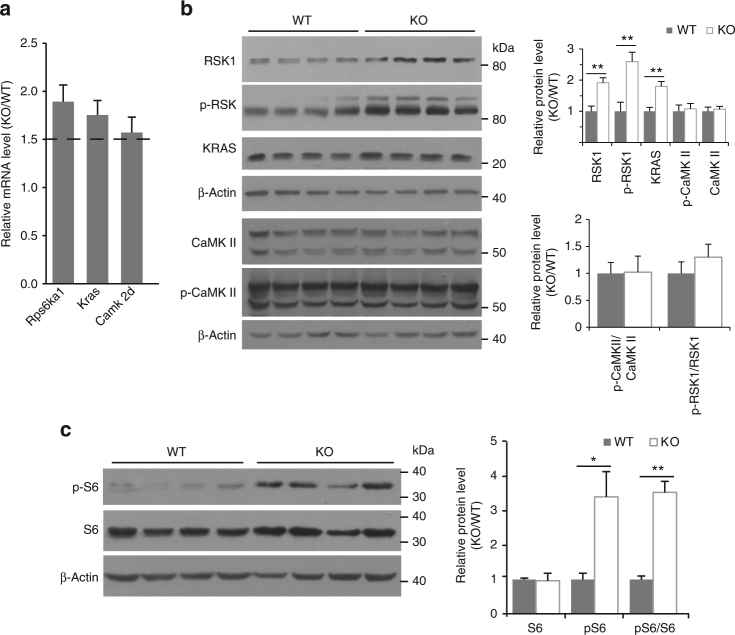
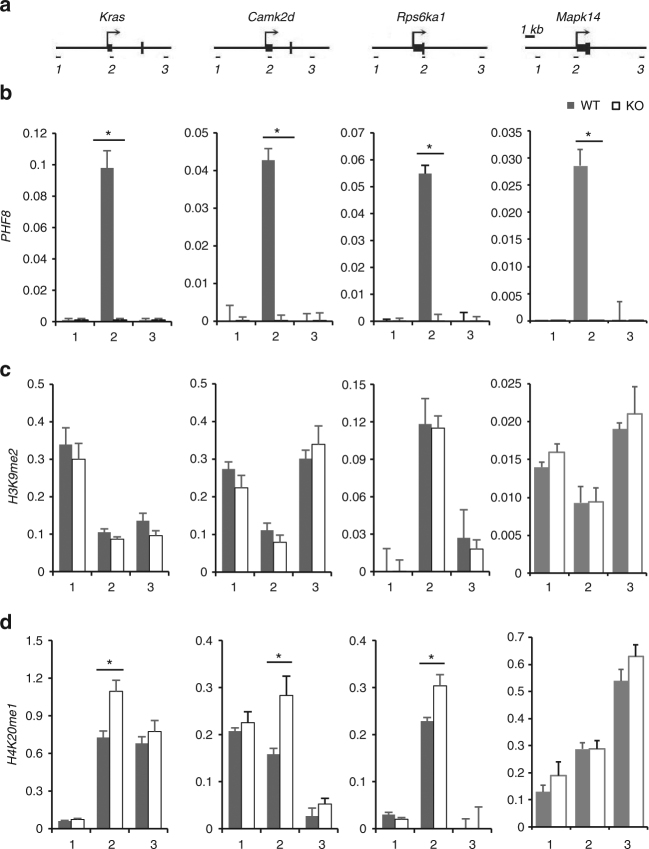
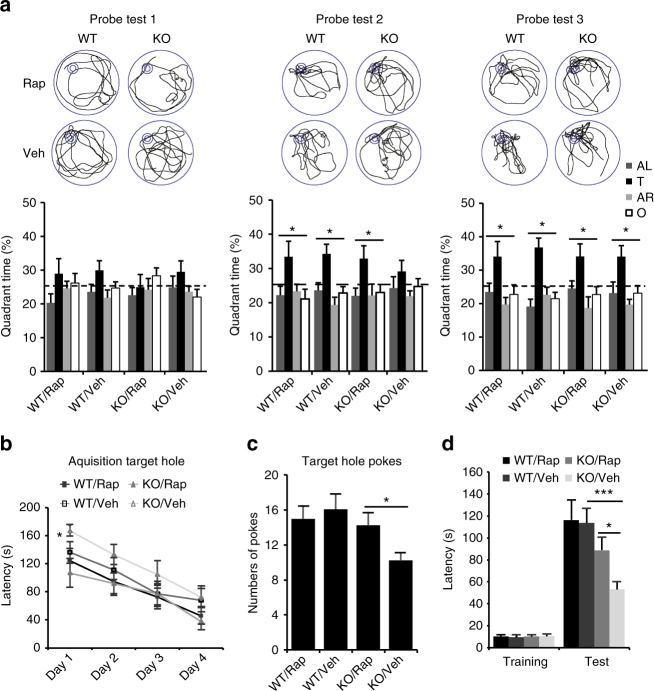
Epigenomic abnormalities caused by genetic mutation in epigenetic regulators can result in neurodevelopmental disorders, deficiency in neural plasticity and mental retardation. As a histone demethylase, plant homeodomain finger protein 8 (Phf8) is a candidate gene for syndromal and non-specific forms of X-chromosome-linked intellectual disability (XLID). Here we report that Phf8 knockout mice displayed impaired learning and memory, and impaired hippocampal long-term potentiation (LTP) without gross morphological defects. We also show that mTOR signaling pathway is hyperactive in hippocampus in Phf8 knockout mouse. Mechanistically, we show that demethylation of H4K20me1 by Phf8 results in transcriptional suppression of RSK1 and homeostasis of mTOR signaling. Pharmacological suppression of mTOR signaling with rapamycin in Phf8 knockout mice recovers the weakened LTP and cognitive deficits. Together, our results indicate that loss of Phf8 in animals causes deficient learning and memory by epigenetic disruption of mTOR signaling, and provides a potential therapeutic drug target to treat XLID.
由表观遗传调控因子中的基因突变引起的表观基因组异常可导致神经发育障碍、神经可塑性缺陷和智力迟钝。作为一种组蛋白去甲基化酶,植物同源结构域手指蛋白8(Phf8)是X染色体连锁智力障碍(XLID)综合征型和非特异性形式的候选基因。在此我们报告,Phf8基因敲除小鼠表现出学习和记忆受损,以及海马体长期增强(LTP)受损,但无明显形态缺陷。我们还表明,mTOR信号通路在Phf8基因敲除小鼠的海马体中过度活跃。从机制上讲,我们表明Phf8对H4K20me1的去甲基化导致RSK1的转录抑制和mTOR信号的稳态。用雷帕霉素对Phf8基因敲除小鼠的mTOR信号进行药理学抑制可恢复减弱的LTP和认知缺陷。总之,我们的结果表明,动物体内Phf8的缺失通过mTOR信号的表观遗传破坏导致学习和记忆缺陷,并为治疗XLID提供了一个潜在的治疗药物靶点。