Wong Kayleigh, Trudel Guy, Laneuville Odette
Bone and Joint Research Laboratory, The Ottawa Hospital Rehabilitation Centre, Ottawa, Ontario.
Department of Medicine, Bone and Joint Research Laboratory, The Ottawa Hospital Rehabilitation Centre, Ottawa, Ontario.
Drug Des Devel Ther. 2017 Dec 21;12:15-24. doi: 10.2147/DDDT.S144602. eCollection 2018.
A knee joint contracture, a loss in passive range of motion (ROM), can be caused by prolonged immobility. In a rat knee immobilization flexion contracture model, the posterior capsule was shown to contribute to an irreversible limitation in ROM, and collagen pathways were identified as differentially expressed over the development of a contracture. Collagenases purified from are currently prescribed to treat Dupuytren's and Peyronie's contractures due to their ability to degrade collagen. The potential application of collagenases to target collagen in the posterior capsule was tested in this model.
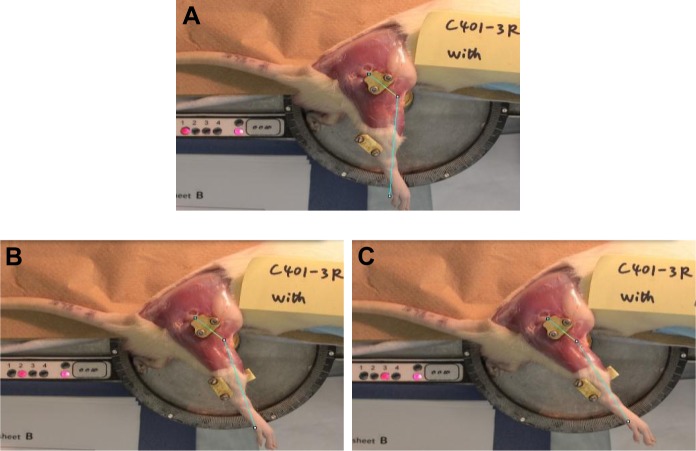
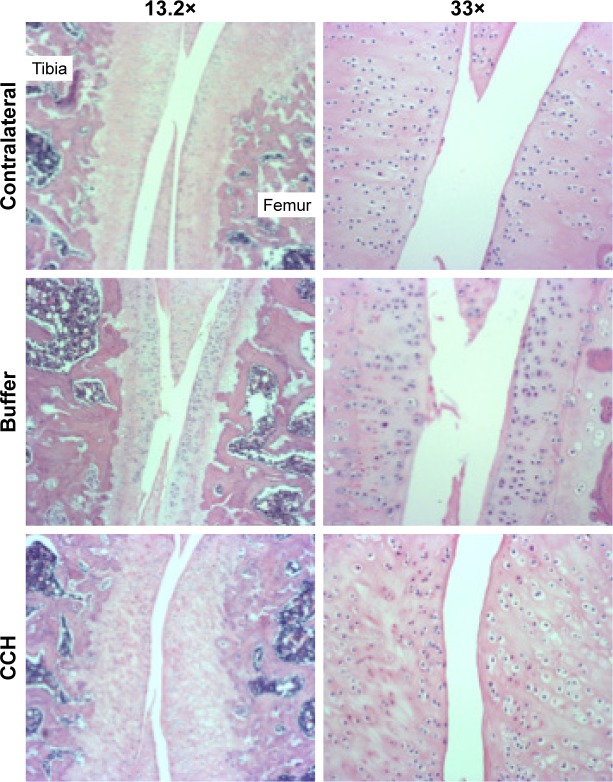
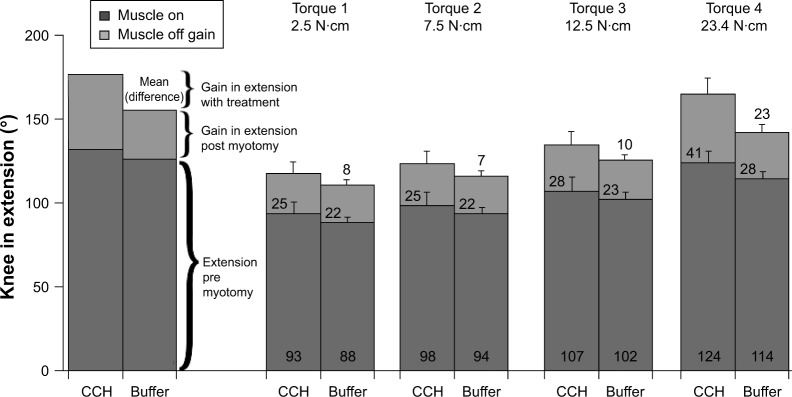
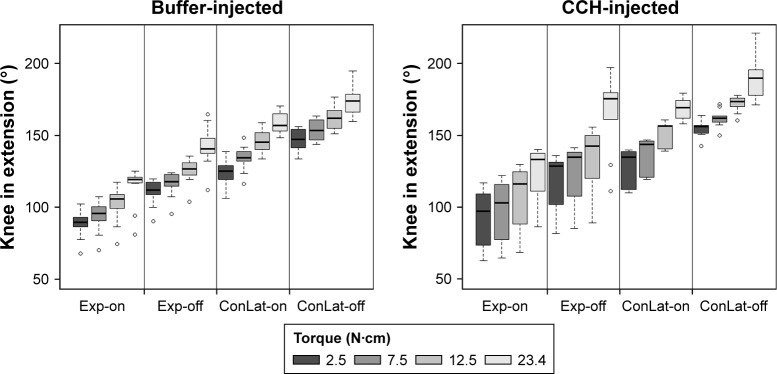
Rats had one hind leg immobilized, developing a knee flexion contracture. After 4 weeks, the immobilization device was removed, and the rats received one 50 µL intra-articular injection of 0.6 mg/mL purified collagenase. Control rats were injected with only the buffer. After 2 weeks of spontaneous remobilization following the injections, ROM was measured with a rat knee arthrometer, and histological sections were immunostained with antibodies against rat collagen types I and III.
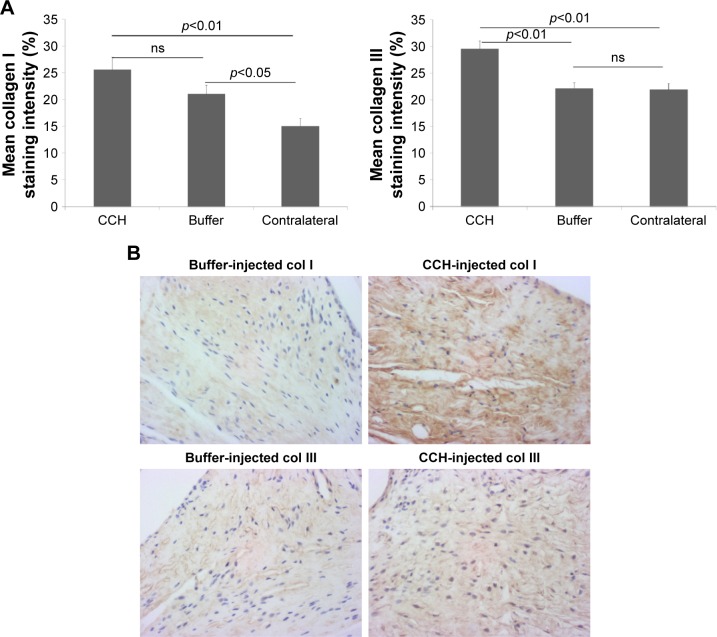
RESULTS/CONCLUSION: Compared with buffer-injected control knees, collagenase-treated knees showed increased ROM in extension by 8.0°±3.8° (-value <0.05). Immunohistochemical analysis revealed an increase in collagen type III staining (<0.01) in the posterior capsule of collagenase-treated knees indicating an effect on the extracellular matrix due to the collagenase. Collagen I staining was unchanged (>0.05). The current study provides experimental evidence for the pharmacological treatment of knee flexion contractures with intra-articular collagenase injection, improving the knee ROM.
膝关节挛缩,即被动活动范围(ROM)丧失,可由长期制动引起。在大鼠膝关节制动性屈曲挛缩模型中,已表明后关节囊会导致ROM出现不可逆的受限,并且在挛缩发展过程中确定了胶原途径存在差异表达。由于其降解胶原的能力,从[具体来源未给出]纯化的胶原酶目前被用于治疗杜普伊特伦挛缩症和佩罗尼氏挛缩症。在此模型中测试了胶原酶靶向作用于后关节囊胶原的潜在应用。
将大鼠的一条后腿制动,使其出现膝关节屈曲挛缩。4周后,移除制动装置,给大鼠进行一次50μL、浓度为0.6mg/mL的纯化胶原酶关节内注射。对照大鼠仅注射缓冲液。注射后进行2周的自主活动,然后用大鼠膝关节测角仪测量ROM,并用抗大鼠I型和III型胶原抗体对组织学切片进行免疫染色。
结果/结论:与注射缓冲液的对照膝关节相比,胶原酶治疗的膝关节伸展时的ROM增加了8.0°±3.8°(P值<0.05)。免疫组织化学分析显示,胶原酶治疗的膝关节后关节囊中III型胶原染色增加(P<0.01),表明胶原酶对细胞外基质有作用。I型胶原染色未改变(P>0.05)。本研究为关节内注射胶原酶治疗膝关节屈曲挛缩、改善膝关节ROM提供了实验证据。