Regulatory Biology Laboratory, Salk Institute for Biological Studies, La Jolla, California 92037, USA.
Laboratory of Genetics, Salk Institute for Biological Studies, La Jolla, California 92037, USA.
Nature. 2018 Jan 18;553(7688):351-355. doi: 10.1038/nature25170. Epub 2018 Jan 10.
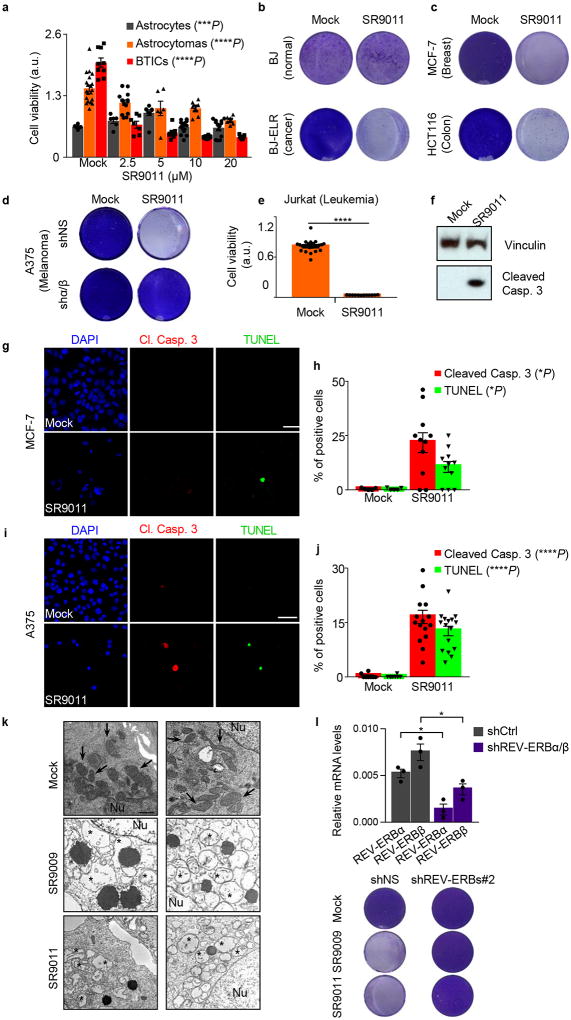
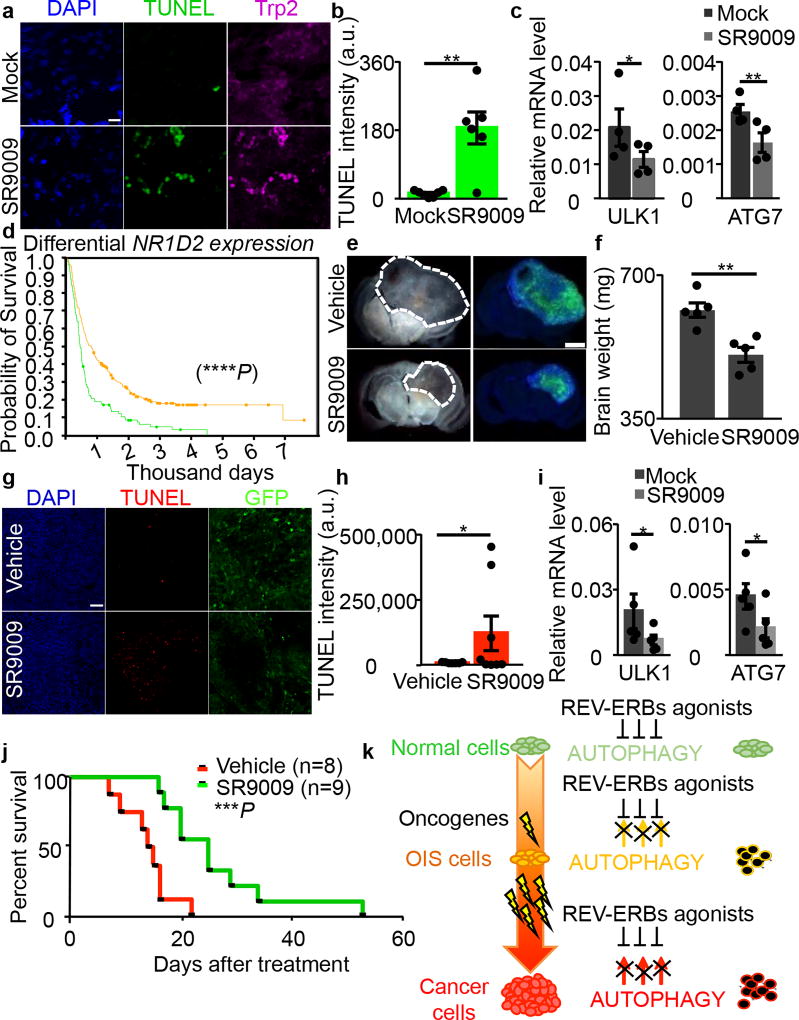
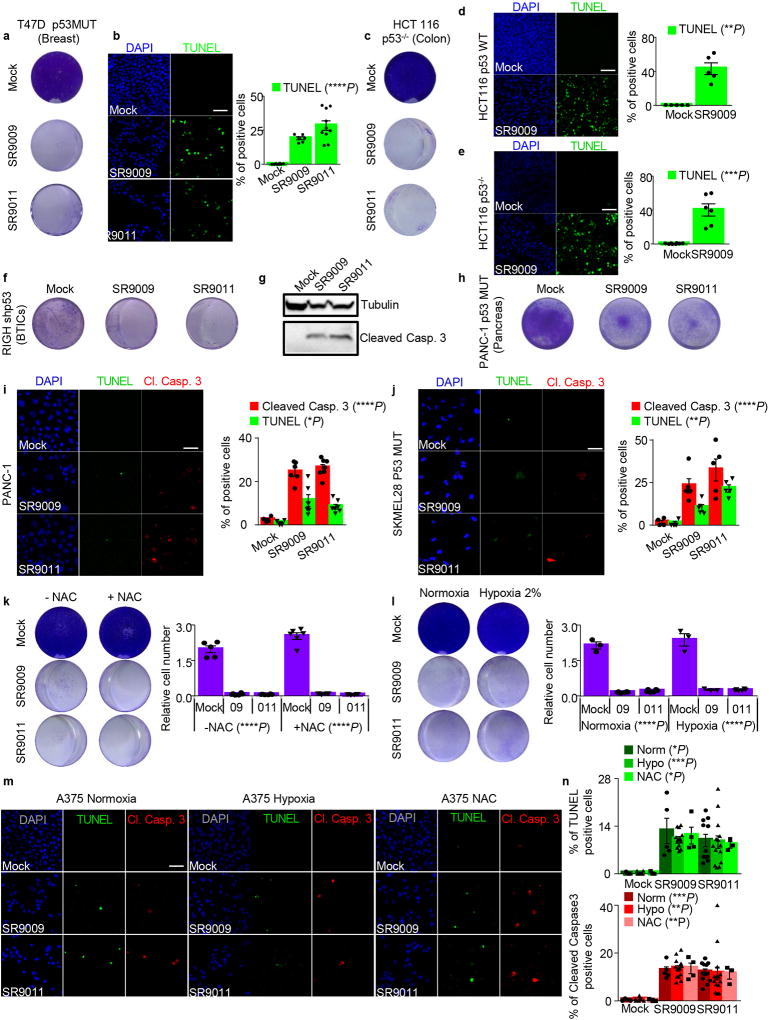
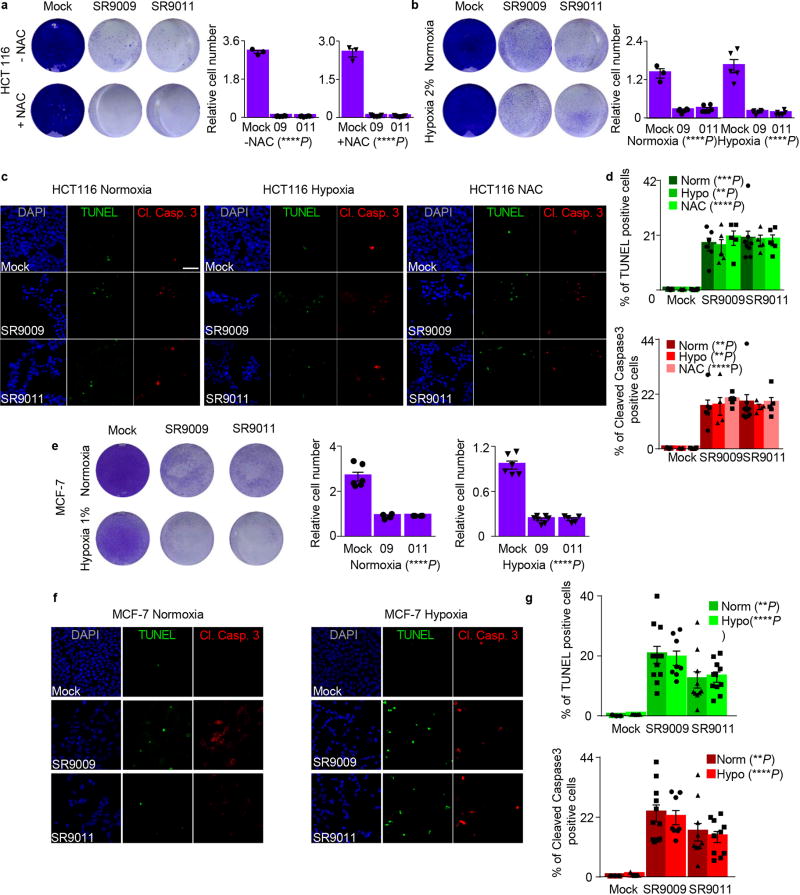
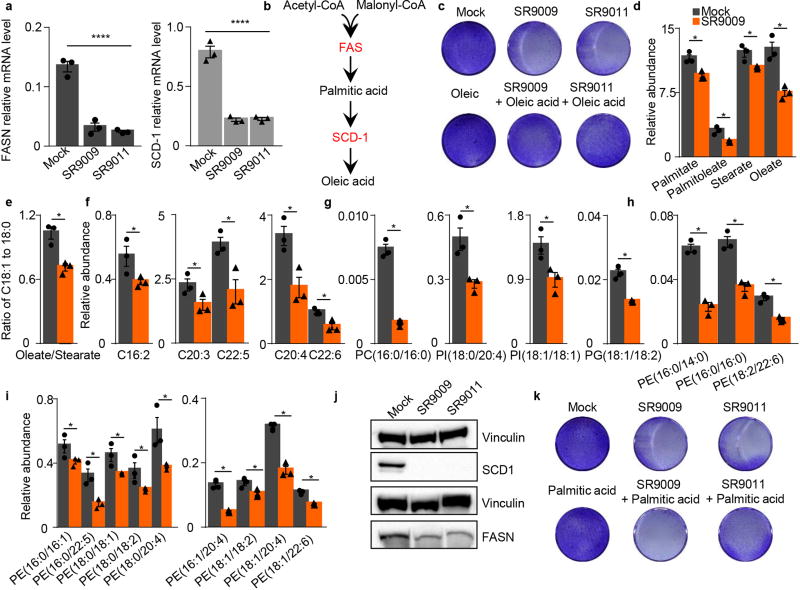
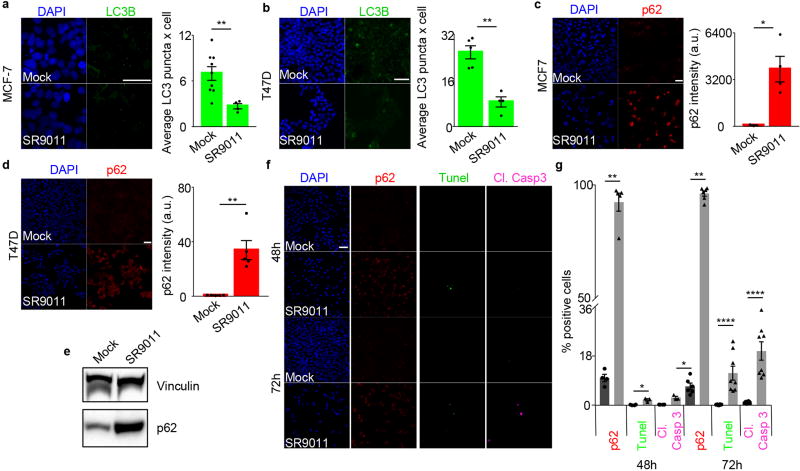
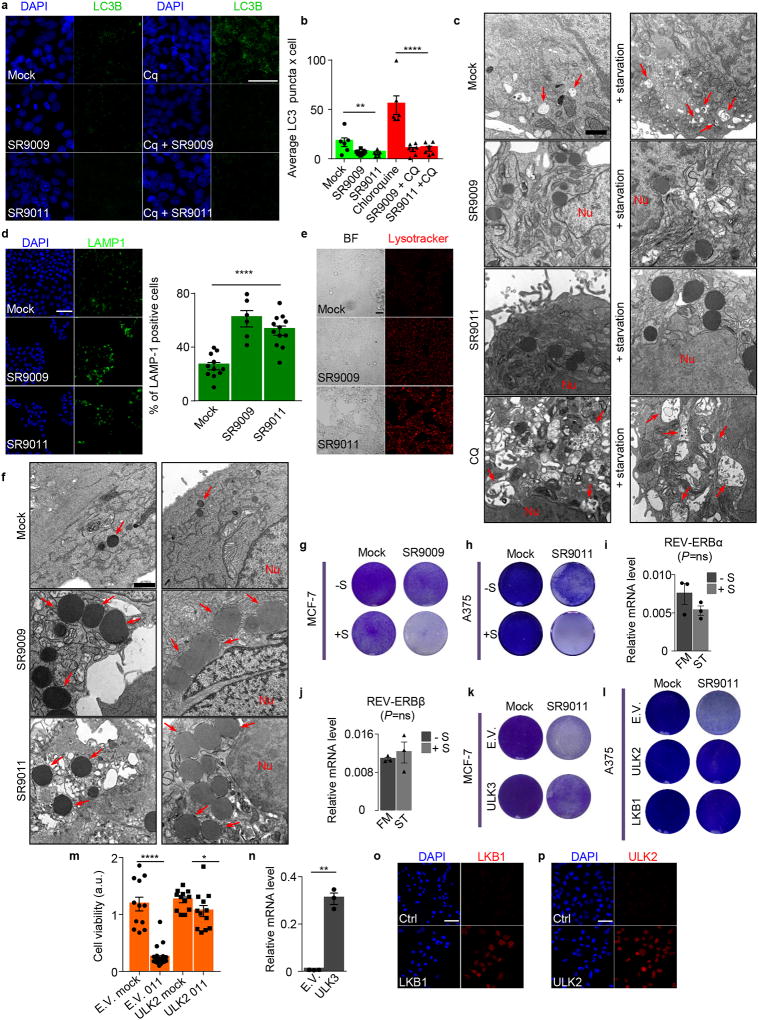
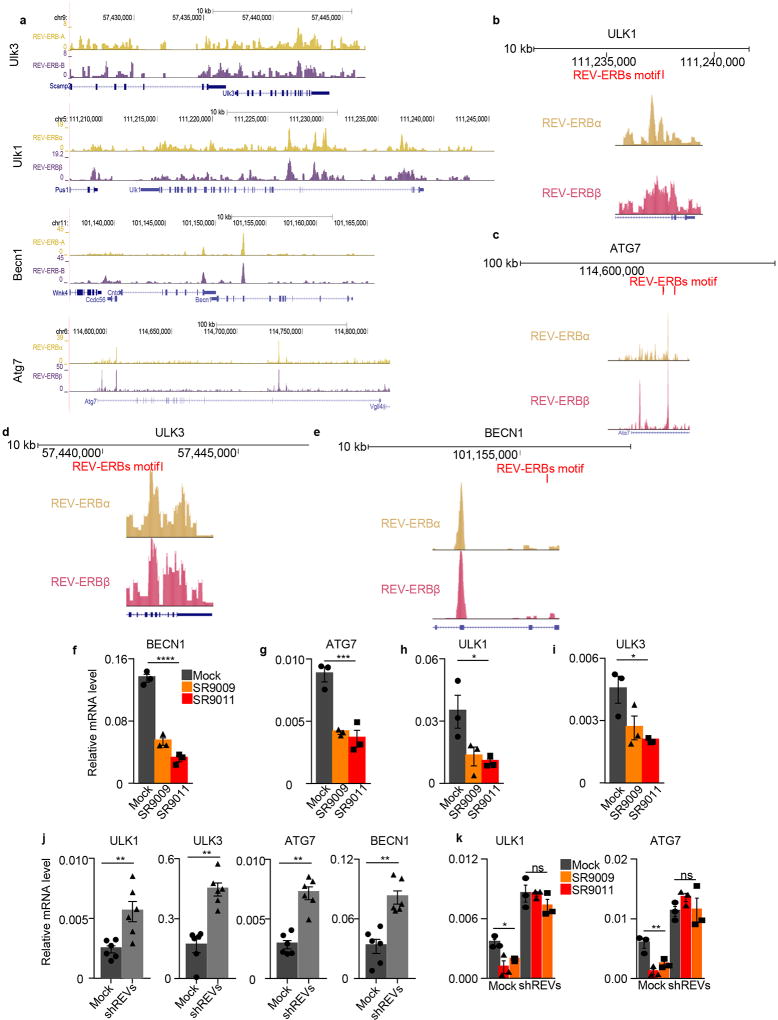
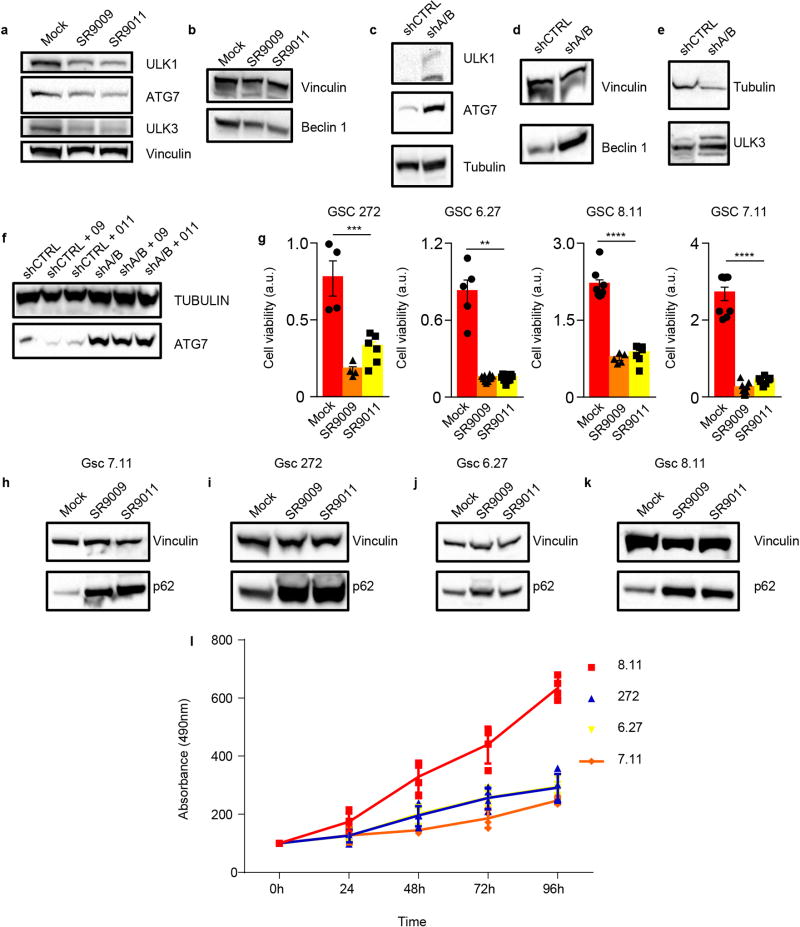
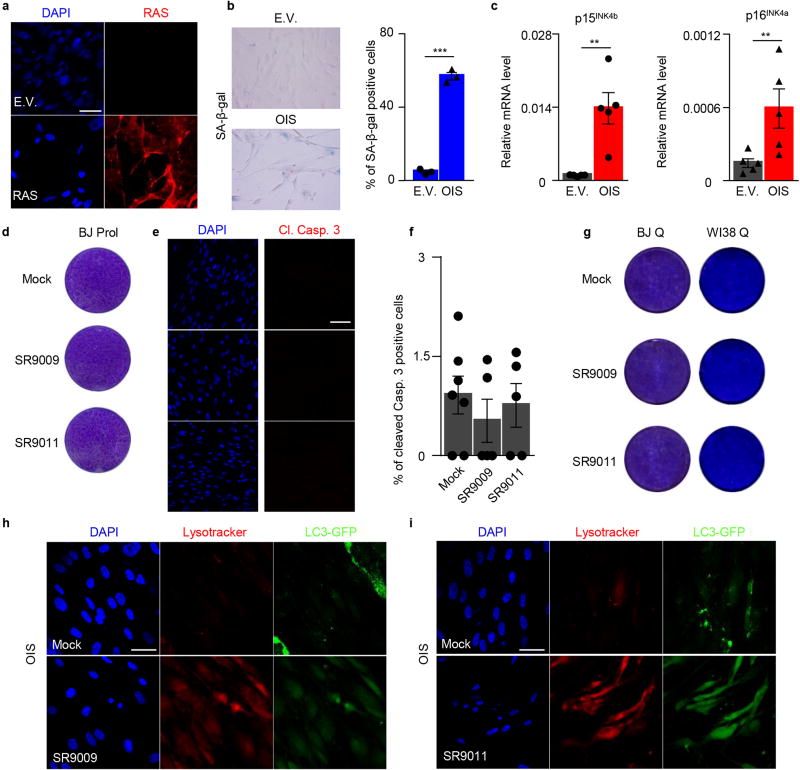
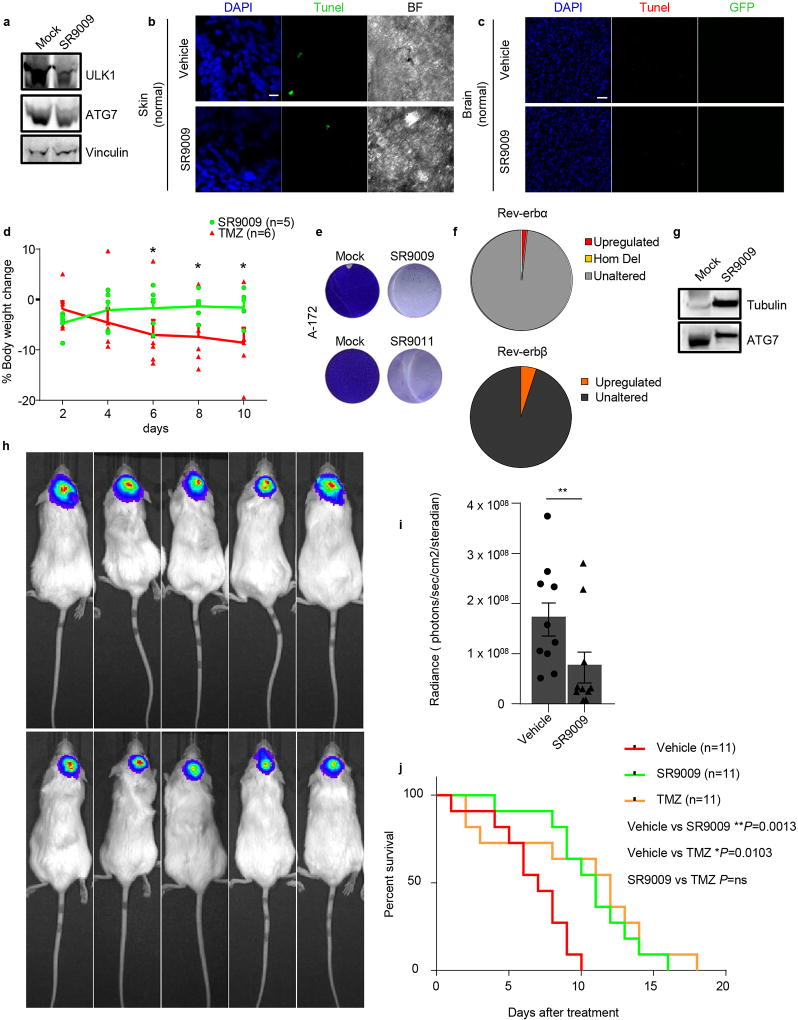
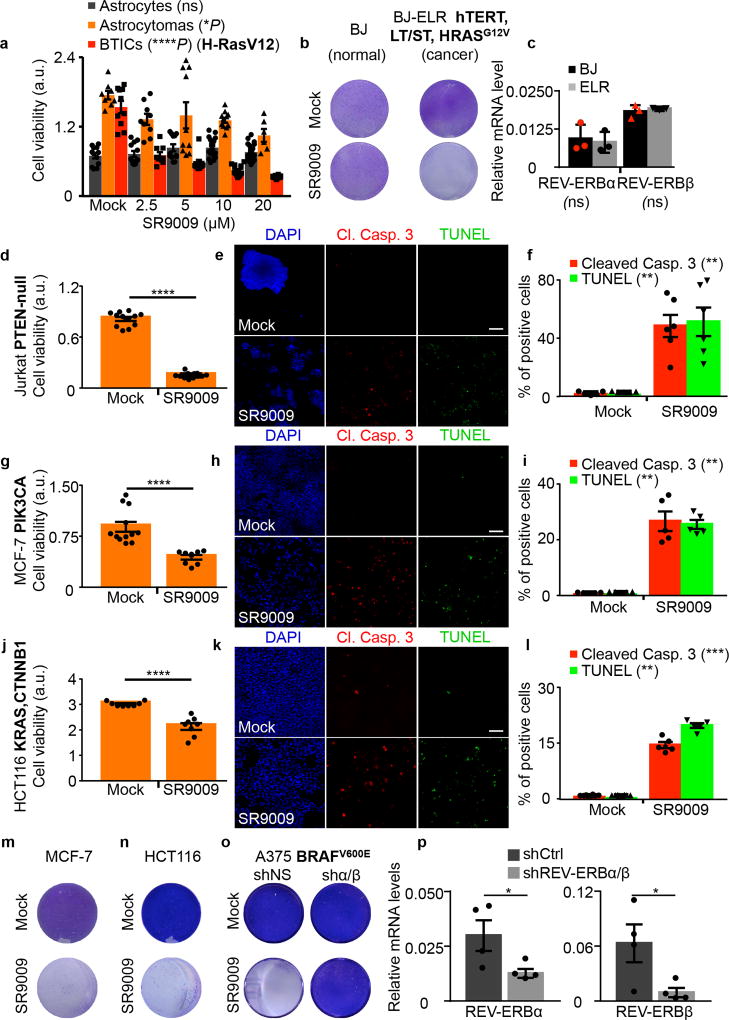
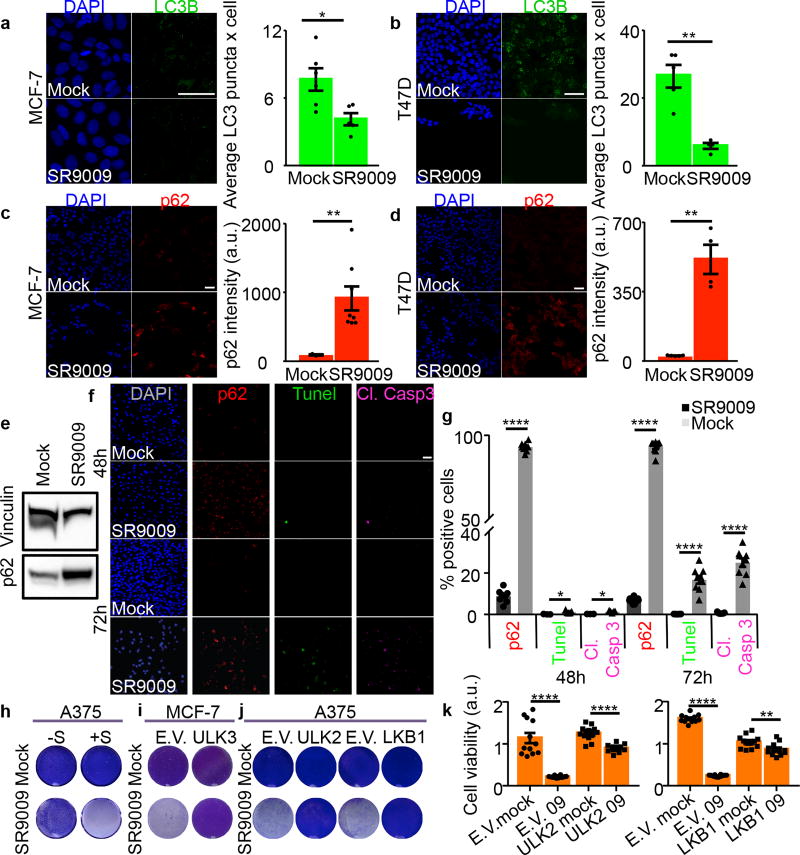
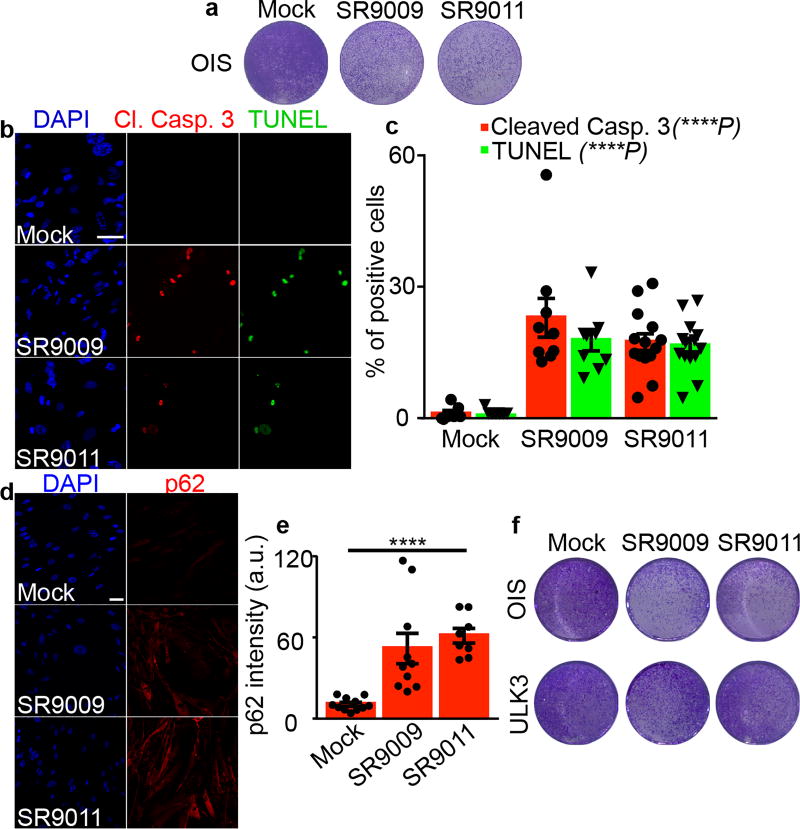
The circadian clock imposes daily rhythms in cell proliferation, metabolism, inflammation and DNA damage response. Perturbations of these processes are hallmarks of cancer and chronic circadian rhythm disruption predisposes individuals to tumour development. This raises the hypothesis that pharmacological modulation of the circadian machinery may be an effective therapeutic strategy for combating cancer. REV-ERBs, the nuclear hormone receptors REV-ERBα (also known as NR1D1) and REV-ERBβ (also known as NR1D2), are essential components of the circadian clock. Here we show that two agonists of REV-ERBs-SR9009 and SR9011-are specifically lethal to cancer cells and oncogene-induced senescent cells, including melanocytic naevi, and have no effect on the viability of normal cells or tissues. The anticancer activity of SR9009 and SR9011 affects a number of oncogenic drivers (such as HRAS, BRAF, PIK3CA and others) and persists in the absence of p53 and under hypoxic conditions. The regulation of autophagy and de novo lipogenesis by SR9009 and SR9011 has a critical role in evoking an apoptotic response in malignant cells. Notably, the selective anticancer properties of these REV-ERB agonists impair glioblastoma growth in vivo and improve survival without causing overt toxicity in mice. These results indicate that pharmacological modulation of circadian regulators is an effective antitumour strategy, identifying a class of anticancer agents with a wide therapeutic window. We propose that REV-ERB agonists are inhibitors of autophagy and de novo lipogenesis, with selective activity towards malignant and benign neoplasms.
昼夜节律钟在细胞增殖、代谢、炎症和 DNA 损伤反应中施加每日节律。这些过程的紊乱是癌症的标志,慢性昼夜节律破坏使个体易患肿瘤发展。这就提出了一个假设,即通过药理学调节昼夜节律机制可能是对抗癌症的有效治疗策略。REV-ERBs,核激素受体 REV-ERBα(也称为 NR1D1)和 REV-ERBβ(也称为 NR1D2),是昼夜节律钟的重要组成部分。在这里,我们表明两种 REV-ERBs 的激动剂-SR9009 和 SR9011-对癌细胞和癌基因诱导的衰老细胞(包括黑素细胞痣)具有特异性杀伤作用,对正常细胞或组织的活力没有影响。SR9009 和 SR9011 的抗癌活性影响许多致癌驱动因素(如 HRAS、BRAF、PIK3CA 等),并且在没有 p53 的情况下和在缺氧条件下仍然存在。SR9009 和 SR9011 对自噬和从头脂肪生成的调节在引发恶性细胞凋亡反应中起着关键作用。值得注意的是,这些 REV-ERB 激动剂的选择性抗癌特性会损害体内胶质母细胞瘤的生长并提高存活期,而不会在小鼠中引起明显毒性。这些结果表明,昼夜节律调节剂的药理学调节是一种有效的抗肿瘤策略,确定了一类具有广泛治疗窗口的抗癌药物。我们提出,REV-ERB 激动剂是自噬和从头脂肪生成的抑制剂,对恶性和良性肿瘤具有选择性活性。