Duan Xiaoqiong, Li Shilin, Holmes Jacinta A, Tu Zeng, Li Yujia, Cai Dachuan, Liu Xiao, Li Wenting, Yang Chunhui, Jiao Baihai, Schaefer Esperance A, Fusco Dahlene N, Salloum Shadi, Chen Limin, Lin Wenyu, Chung Raymond T
Institute of Blood Transfusion, Chinese Academy of Medical Sciences and Peking Union Medical College, Chengdu, China.
Liver Center, Department of Medicine, Massachusetts General Hospital, Harvard Medical School, Boston, Massachusetts, USA.
J Virol. 2018 Mar 14;92(7). doi: 10.1128/JVI.02009-17. Print 2018 Apr 1.
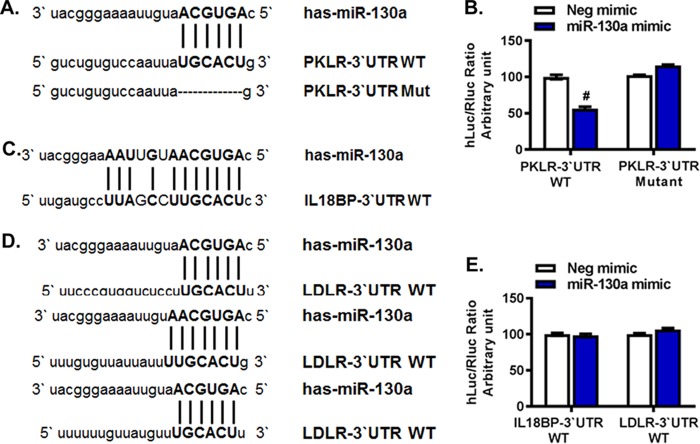
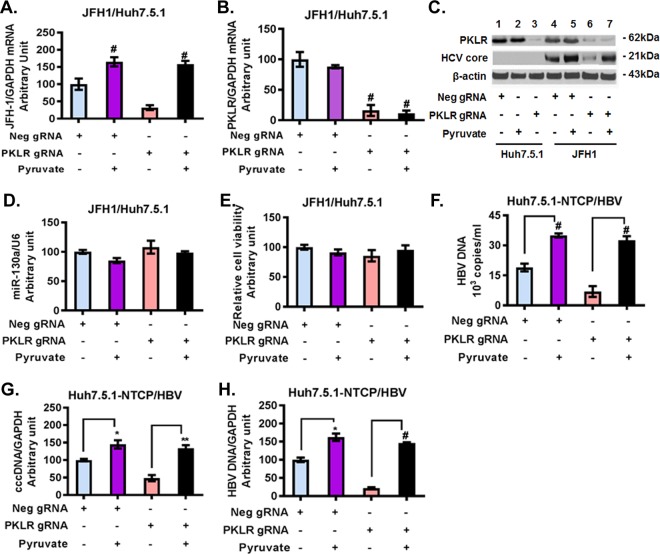
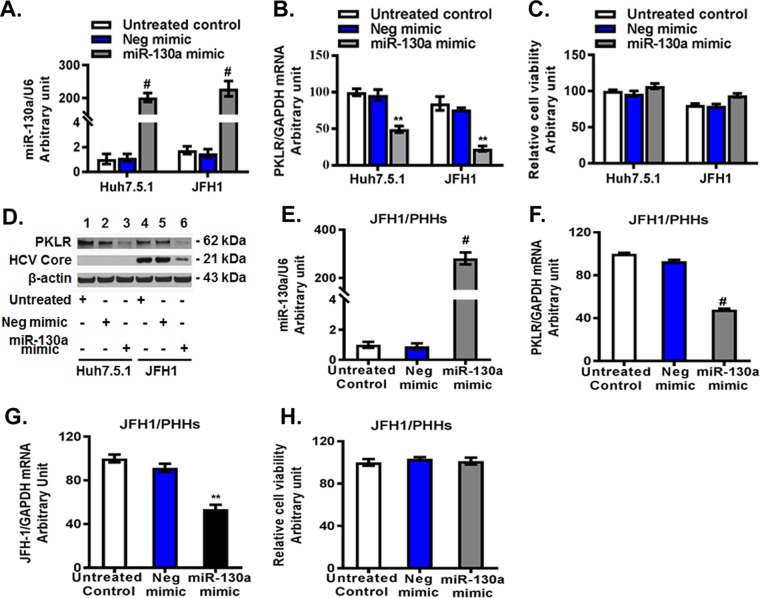
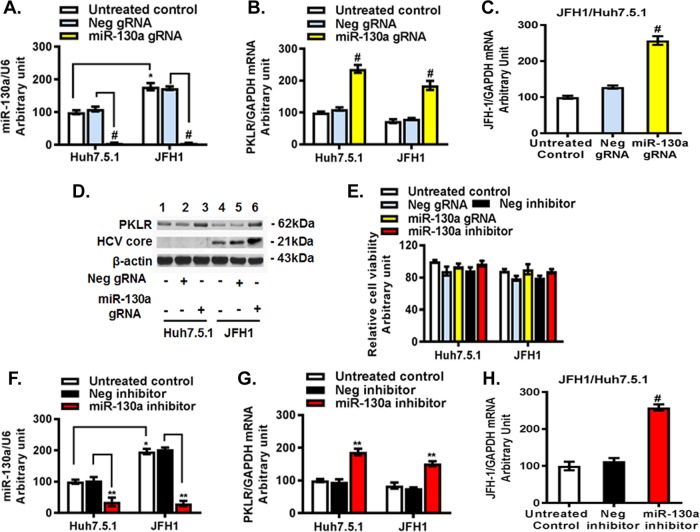
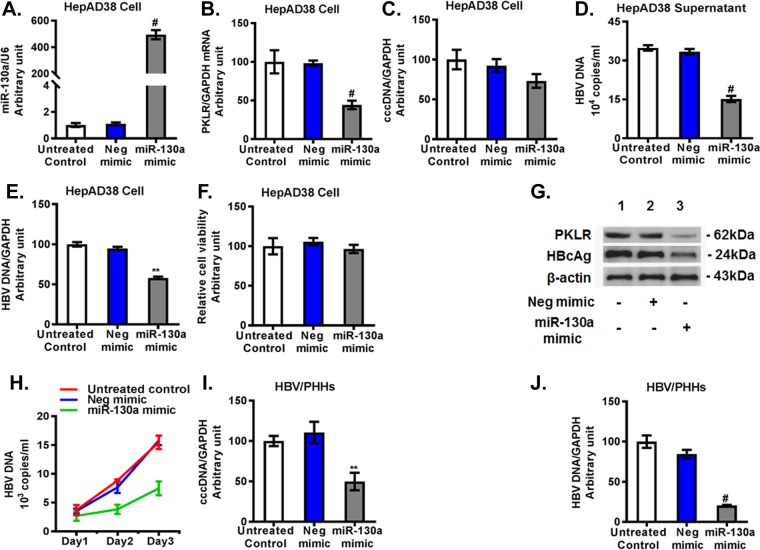
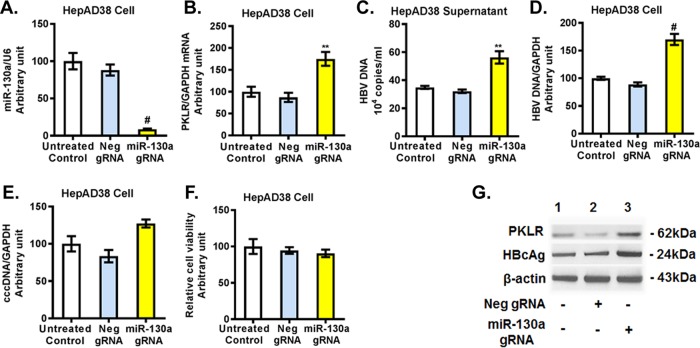
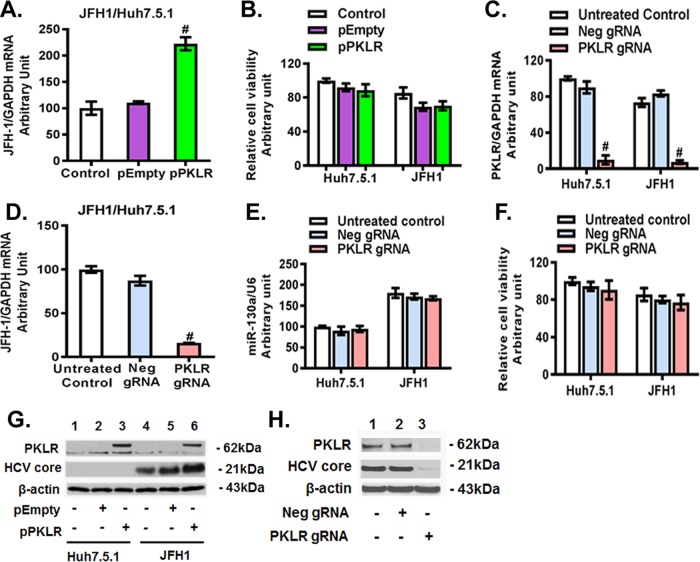
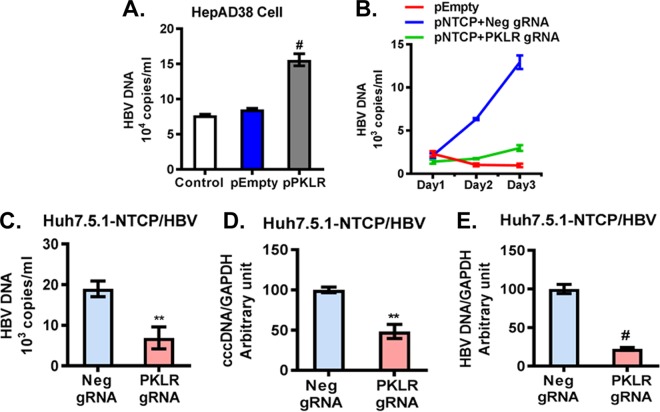
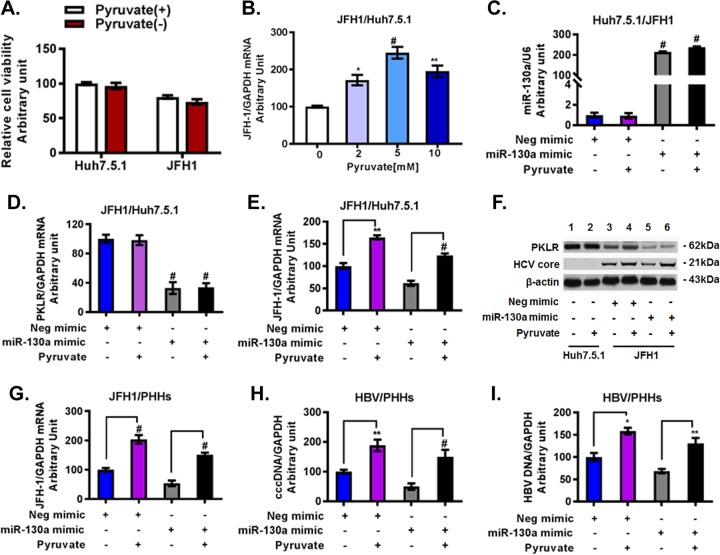
Hepatitis C virus (HCV) infection has been shown to regulate microRNA 130a (miR-130a) in patient biopsy specimens and in cultured cells. We sought to identify miR-130a target genes and to explore the mechanisms by which miR-130a regulates HCV and hepatitis B virus (HBV) replication. We used bioinformatics software, including miRanda, TargetScan, PITA, and RNAhybrid, to predict potential miR-130a target genes. miR-130a and its target genes were overexpressed or were knocked down by use of small interfering RNA (siRNA) or clustered regularly interspaced short palindromic repeat (CRISPR)/Cas9 guide RNA (gRNA). Selected gene mRNAs and their proteins, together with HCV replication in OR6 cells, HCV JFH1-infected Huh7.5.1 cells, and HCV JFH1-infected primary human hepatocytes (PHHs) and HBV replication in HepAD38 cells, HBV-infected NTCP-Huh7.5.1 cells, and HBV-infected PHHs, were measured by quantitative reverse transcription-PCR (qRT-PCR) and Western blotting, respectively. We selected 116 predicted target genes whose expression was related to viral pathogenesis or immunity for qPCR validation. Of these, the gene encoding pyruvate kinase in liver and red blood cell (PKLR) was confirmed to be regulated by miR-130a overexpression. miR-130a overexpression (via a mimic) knocked down PKLR mRNA and protein levels. A miR-130a inhibitor and gRNA increased PKLR expression, HCV replication, and HBV replication, while miR-130a gRNA and PKLR overexpression increased HCV and HBV replication. Supplemental pyruvate increased HCV and HBV replication and rescued the inhibition of HCV and HBV replication by the miR-130a mimic and PKLR knockdown. We concluded that miR-130a regulates HCV and HBV replication through its targeting of PKLR and subsequent pyruvate production. Our data provide novel insights into key metabolic enzymatic pathway steps regulated by miR-130a, including the steps involving PKLR and pyruvate, which are subverted by HCV and HBV replication. We identified that miR-130a regulates the target gene and its subsequent effect on pyruvate production. Pyruvate is a key intermediate in several metabolic pathways, and we identified that pyruvate plays a key role in regulation of HCV and HBV replication. This previously unrecognized, miRNA-regulated antiviral mechanism has implications for the development of host-directed strategies to interrupt the viral life cycle and prevent establishment of persistent infection for HCV, HBV, and potentially other viral infections.
丙型肝炎病毒(HCV)感染已被证明可在患者活检标本和培养细胞中调节微小RNA 130a(miR-130a)。我们试图鉴定miR-130a的靶基因,并探索miR-130a调节HCV和乙型肝炎病毒(HBV)复制的机制。我们使用了包括miRanda、TargetScan、PITA和RNAhybrid在内的生物信息学软件来预测潜在的miR-130a靶基因。通过使用小干扰RNA(siRNA)或成簇规律间隔短回文重复序列(CRISPR)/Cas9引导RNA(gRNA),miR-130a及其靶基因被过表达或敲低。通过定量逆转录PCR(qRT-PCR)和蛋白质免疫印迹法分别检测选定基因的mRNA及其蛋白质,以及OR6细胞、HCV JFH1感染的Huh7.5.1细胞、HCV JFH1感染的原代人肝细胞(PHH)中的HCV复制,以及HepAD38细胞、HBV感染的NTCP-Huh7.5.1细胞、HBV感染的PHH中的HBV复制。我们选择了116个预测的靶基因,其表达与病毒发病机制或免疫相关,用于qPCR验证。其中,编码肝脏和红细胞丙酮酸激酶(PKLR)的基因被证实受miR-130a过表达的调控。miR-130a过表达(通过模拟物)降低了PKLR mRNA和蛋白质水平。miR-130a抑制剂和gRNA增加了PKLR表达、HCV复制和HBV复制,而miR-130a gRNA和PKLR过表达增加了HCV和HBV复制。补充丙酮酸增加了HCV和HBV复制,并挽救了miR-130a模拟物和PKLR敲低对HCV和HBV复制的抑制作用。我们得出结论,miR-130a通过靶向PKLR和随后的丙酮酸生成来调节HCV和HBV复制。我们的数据为miR-130a调节的关键代谢酶途径步骤提供了新的见解,包括涉及PKLR和丙酮酸的步骤,这些步骤被HCV和HBV复制所颠覆。我们发现miR-130a调节靶基因及其对丙酮酸生成的后续影响。丙酮酸是几种代谢途径中的关键中间体,我们发现丙酮酸在调节HCV和HBV复制中起关键作用。这种先前未被认识的、由miRNA调节的抗病毒机制对开发宿主导向策略以中断病毒生命周期并预防HCV、HBV以及可能的其他病毒感染的持续感染具有重要意义。