Moreno Leandro F, Ahmed Abdalla A O, Brankovics Balázs, Cuomo Christina A, Menken Steph B J, Taj-Aldeen Saad J, Faidah Hani, Stielow J Benjamin, Teixeira Marcus de M, Prenafeta-Boldú Francesc X, Vicente Vania A, de Hoog Sybren
Westerdijk Fungal Biodiversity Institute, 3584 CT Utrecht, The Netherlands.
Institute of Biodiversity and Ecosystem Dynamics, University of Amsterdam, 1090 GE, The Netherlands.
G3 (Bethesda). 2018 Mar 2;8(3):909-922. doi: 10.1534/g3.117.300421.
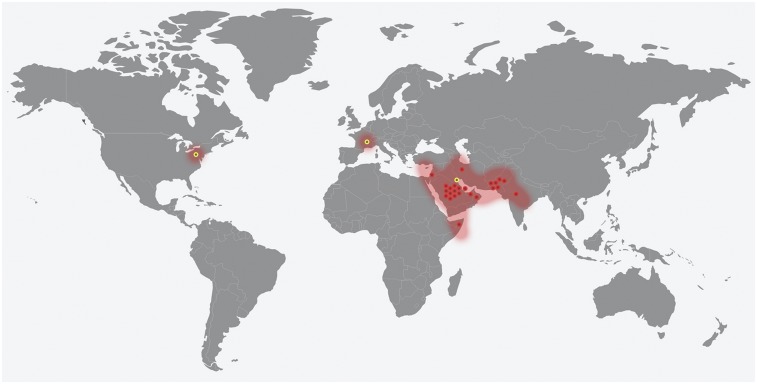
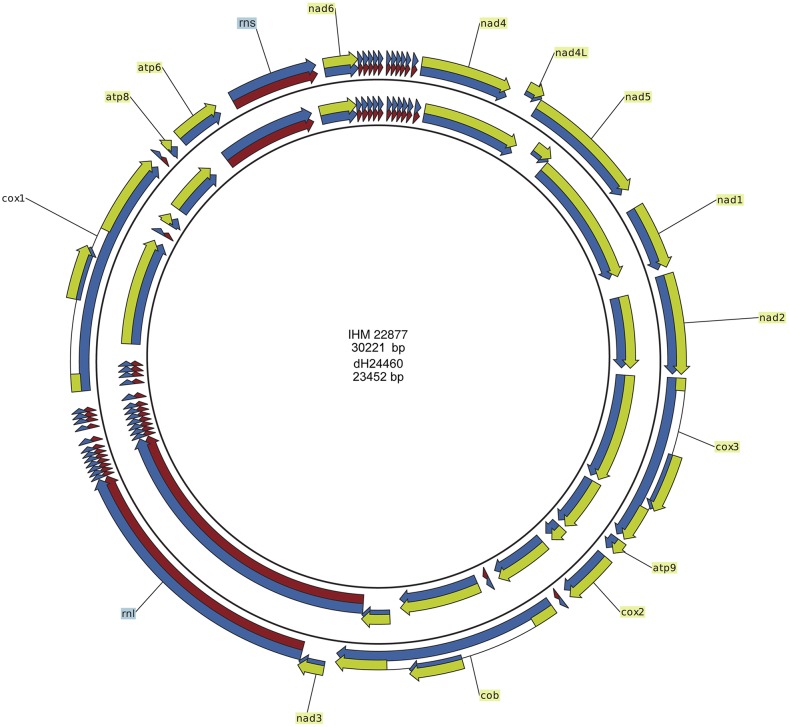
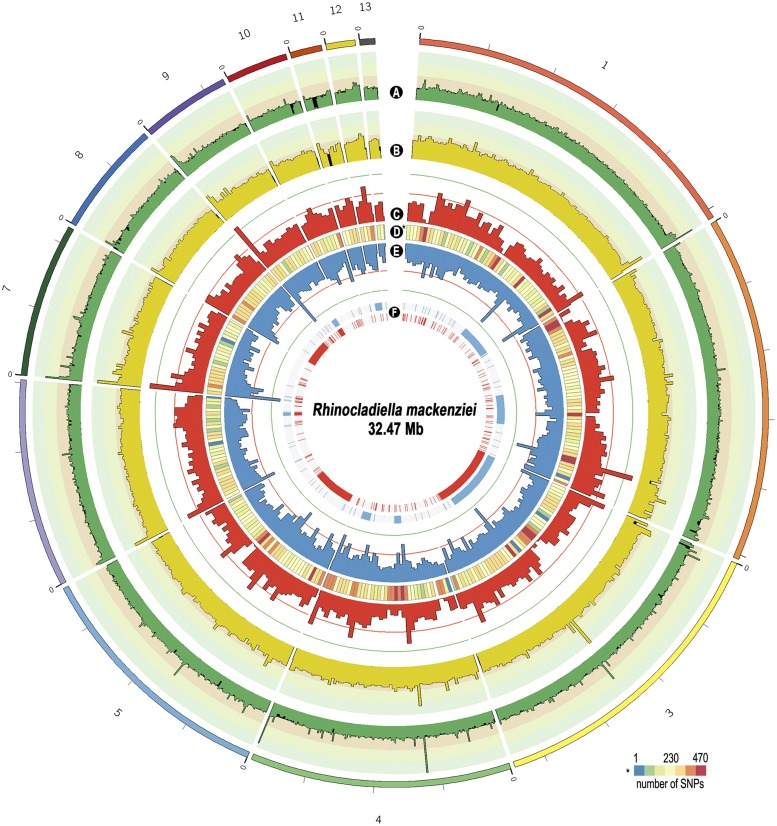
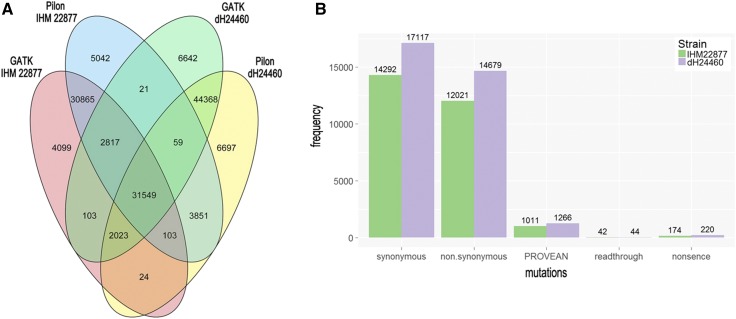
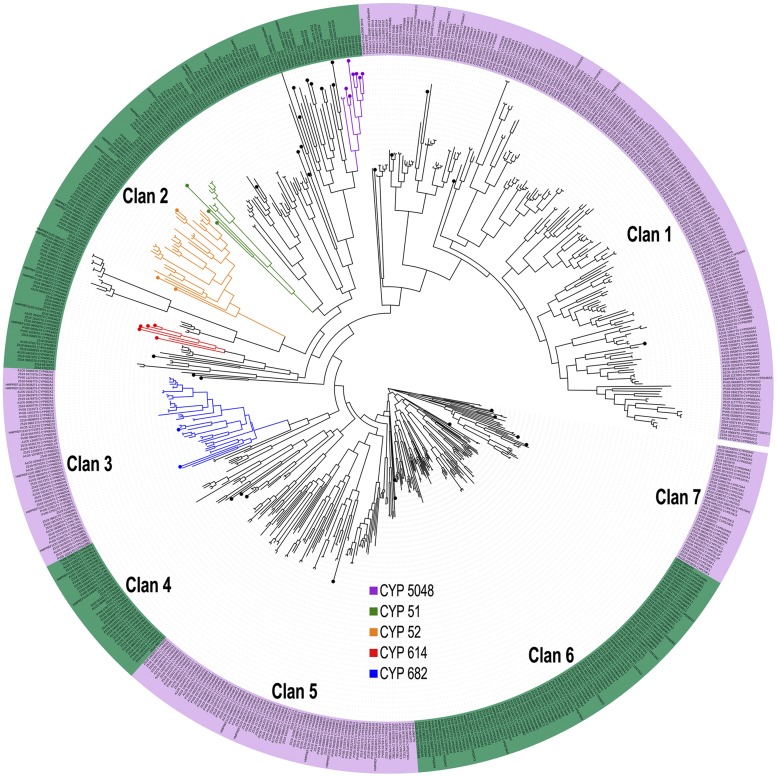
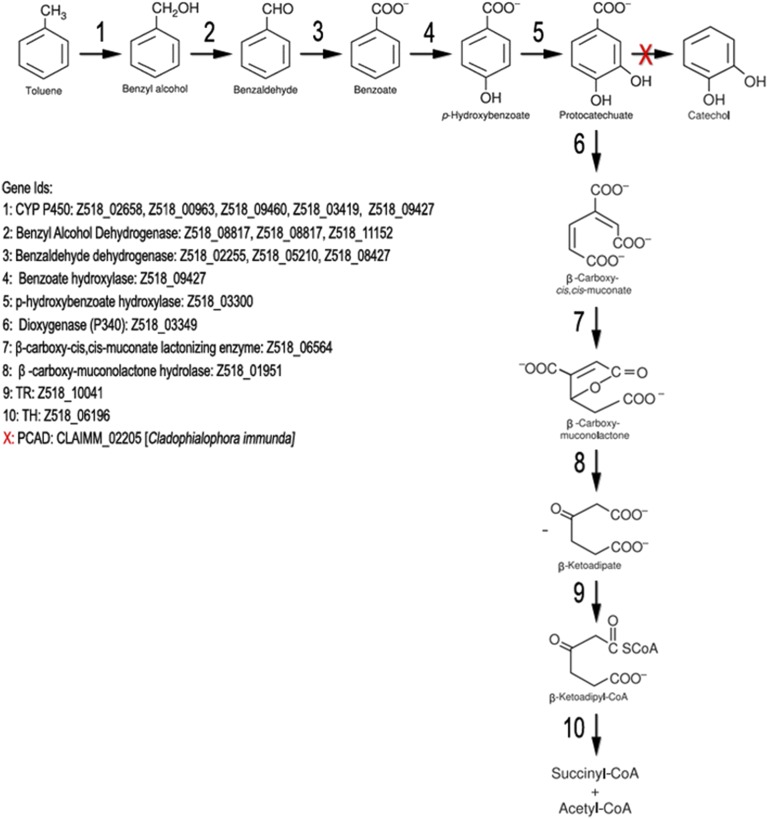
accounts for the majority of fungal brain infections in the Middle East, and is restricted to the arid climate zone between Saudi Arabia and Pakistan. Neurotropic dissemination caused by this fungus has been reported in immunocompromised, but also immunocompetent individuals. If untreated, the infection is fatal. Outside of humans, the environmental niche of is unknown, and the fungus has been only cultured from brain biopsies. In this paper, we describe the whole-genome resequencing of two strains from patients in Saudi Arabia and Qatar. We assessed intraspecies variation and genetic signatures to uncover the genomic basis of the pathogenesis, and potential niche adaptations. We found that the duplicated genes (paralogs) are more susceptible to accumulating significant mutations. Comparative genomics with other filamentous ascomycetes revealed a diverse arsenal of genes likely engaged in pathogenicity, such as the degradation of aromatic compounds and iron acquisition. In addition, intracellular accumulation of trehalose and choline suggests possible adaptations to the conditions of an arid climate region. Specifically, protein family contractions were found, including short-chain dehydrogenase/reductase SDR, the cytochrome P450 (CYP) (E-class), and the G-protein β WD-40 repeat. Gene composition and metabolic potential indicate extremotolerance and hydrocarbon assimilation, suggesting a possible environmental habitat of oil-polluted desert soil.
是中东地区大多数真菌性脑部感染的病因,且局限于沙特阿拉伯和巴基斯坦之间的干旱气候区。这种真菌引起的嗜神经播散在免疫功能低下个体中已有报道,但在免疫功能正常个体中也有发生。如果不进行治疗,感染将是致命的。在人类之外,该真菌的环境生态位尚不清楚,且仅从脑活检组织中培养出该真菌。在本文中,我们描述了来自沙特阿拉伯和卡塔尔患者的两株该真菌菌株的全基因组重测序。我们评估了种内变异和遗传特征,以揭示发病机制的基因组基础以及潜在的生态位适应性。我们发现重复基因(旁系同源基因)更容易积累显著突变。与其他丝状子囊菌的比较基因组学揭示了一系列可能参与致病性的基因,例如芳香化合物降解和铁摄取相关基因。此外,海藻糖和胆碱的细胞内积累表明可能适应干旱气候区域的条件。具体而言,发现了蛋白质家族收缩,包括短链脱氢酶/还原酶SDR、细胞色素P450(CYP)(E类)以及G蛋白β WD - 40重复序列。基因组成和代谢潜力表明具有极端耐受性和碳氢化合物同化能力,提示可能的环境栖息地是受石油污染的沙漠土壤。