Zaghloul Nahla, Addorisio Meghan E, Silverman Harold A, Patel Hardik L, Valdés-Ferrer Sergio I, Ayasolla Kamesh R, Lehner Kurt R, Olofsson Peder S, Nasim Mansoor, Metz Christine N, Wang Ping, Ahmed Mohamed, Chavan Sangeeta S, Diamond Betty, Tracey Kevin J, Pavlov Valentin A
Cohen Children's Medical Center, Northwell Health, New Hyde Park, NY, United States.
Neonatology Research Laboratory, Feinstein Institute for Medical Research, Northwell Health, Manhasset, NY, United States.
Front Immunol. 2017 Dec 15;8:1673. doi: 10.3389/fimmu.2017.01673. eCollection 2017.
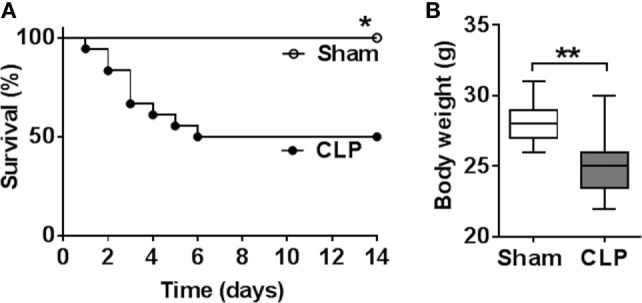
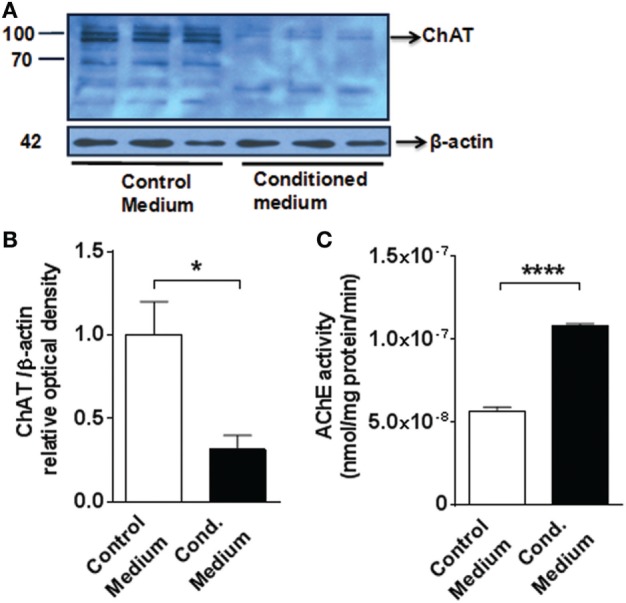
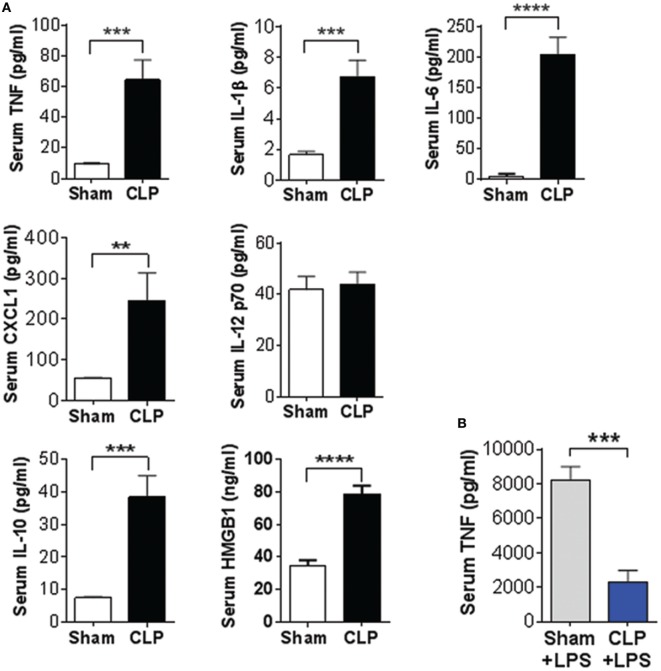
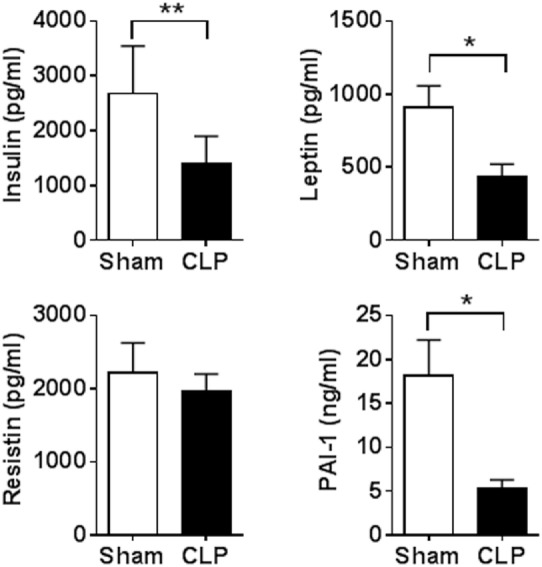
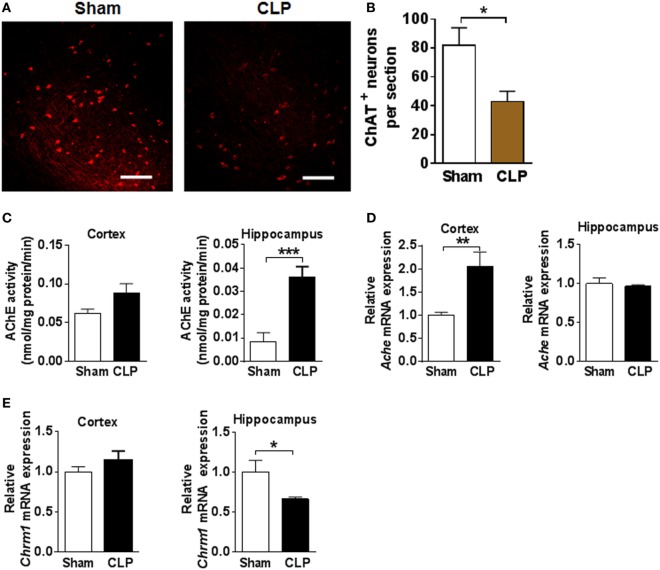
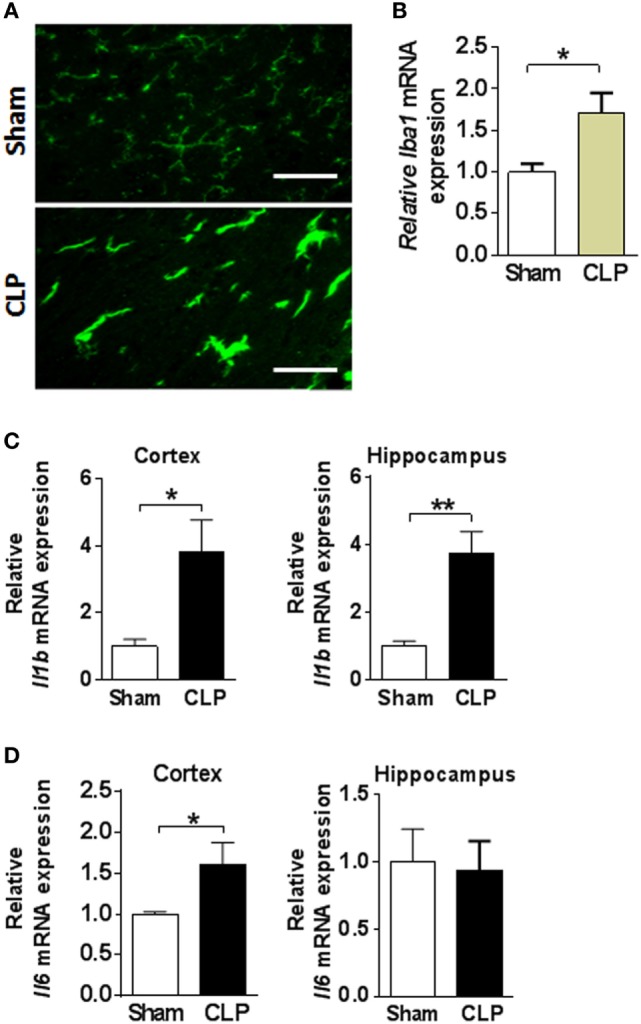
Sepsis, a complex disorder characterized by immune, metabolic, and neurological dysregulation, is the number one killer in the intensive care unit. Mortality remains alarmingly high even in among discharged from the hospital. There is no clear strategy for managing this lethal chronic sepsis illness, which is associated with severe functional disabilities and cognitive deterioration. Providing insight into the underlying pathophysiology is desperately needed to direct new therapeutic approaches. Previous studies have shown that brain cholinergic signaling importantly regulates cognition and inflammation. Here, we studied the relationship between peripheral immunometabolic alterations and brain cholinergic and inflammatory states in mouse survivors of cecal ligation and puncture (CLP)-induced sepsis. Within 6 days, CLP resulted in 50% mortality vs. 100% survival in sham-operated controls. As compared to sham controls, sepsis survivors had significantly lower body weight, higher serum TNF, interleukin (IL)-1β, IL-6, CXCL1, IL-10, and HMGB1 levels, a lower TNF response to LPS challenge, and lower serum insulin, leptin, and plasminogen activator inhibitor-1 levels on day 14. In the basal forebrain of mouse sepsis survivors, the number of cholinergic [choline acetyltransferase (ChAT)-positive] neurons was significantly reduced. In the hippocampus and the cortex of mouse sepsis survivors, the activity of acetylcholinesterase (AChE), the enzyme that degrades acetylcholine, as well as the expression of its encoding gene were significantly increased. In addition, the expression of the gene encoding the M1 muscarinic acetylcholine receptor was decreased in the hippocampus. In parallel with these forebrain cholinergic alterations, microglial activation (in the cortex) and increased and gene expression (in the cortex), and gene expression (in the hippocampus) were observed in mouse sepsis survivors. Furthermore, microglial activation was linked to decreased cortical ChAT protein expression and increased AChE activity. These results reinforce the notion of in sepsis survivors and characterize a previously unrecognized relationship between forebrain cholinergic dysfunction and neuroinflammation in sepsis survivors. This insight is of interest for new therapeutic approaches that focus on brain cholinergic signaling for patients with chronic sepsis illness, a problem with no specific treatment.
脓毒症是一种以免疫、代谢和神经调节紊乱为特征的复杂病症,是重症监护病房中的头号杀手。即便在出院患者中,死亡率仍高得惊人。对于这种与严重功能残疾和认知衰退相关的致命性慢性脓毒症疾病,目前尚无明确的管理策略。迫切需要深入了解其潜在的病理生理学,以指导新的治疗方法。先前的研究表明,脑胆碱能信号对认知和炎症起着重要的调节作用。在此,我们研究了盲肠结扎和穿刺(CLP)诱导的脓毒症小鼠存活者外周免疫代谢改变与脑胆碱能及炎症状态之间的关系。在6天内,CLP导致50%的死亡率,而假手术对照组的存活率为100%。与假手术对照组相比,脓毒症存活者在第14天时体重显著降低,血清肿瘤坏死因子(TNF)、白细胞介素(IL)-1β、IL-6、CXC趋化因子配体1(CXCL1)、IL-10和高迁移率族蛋白B1(HMGB1)水平升高,对脂多糖(LPS)刺激的TNF反应降低,血清胰岛素、瘦素和纤溶酶原激活物抑制剂-1水平降低。在小鼠脓毒症存活者的基底前脑,胆碱能[胆碱乙酰转移酶(ChAT)阳性]神经元数量显著减少。在小鼠脓毒症存活者的海马体和皮质中,降解乙酰胆碱的酶乙酰胆碱酯酶(AChE)的活性及其编码基因的表达显著增加。此外,海马体中M1毒蕈碱型乙酰胆碱受体编码基因的表达降低。与这些前脑胆碱能改变同时出现的是,在小鼠脓毒症存活者中观察到小胶质细胞激活(在皮质中)以及 和 基因表达增加(在皮质中), 基因表达增加(在海马体中)。此外,小胶质细胞激活与皮质ChAT蛋白表达降低和AChE活性增加有关。这些结果强化了脓毒症存活者中 的概念,并描述了脓毒症存活者前脑胆碱能功能障碍与神经炎症之间一种此前未被认识到的关系。这一见解对于针对慢性脓毒症疾病患者(一个尚无特异性治疗方法的问题)、聚焦于脑胆碱能信号的新治疗方法具有重要意义。