Institute for Protein Research, Osaka University, Osaka 565-0871, Japan.
Graduate School of Engineering, Yokohama National University, Yokohama 240-8501, Japan.
Molecules. 2018 Jan 12;23(1):148. doi: 10.3390/molecules23010148.
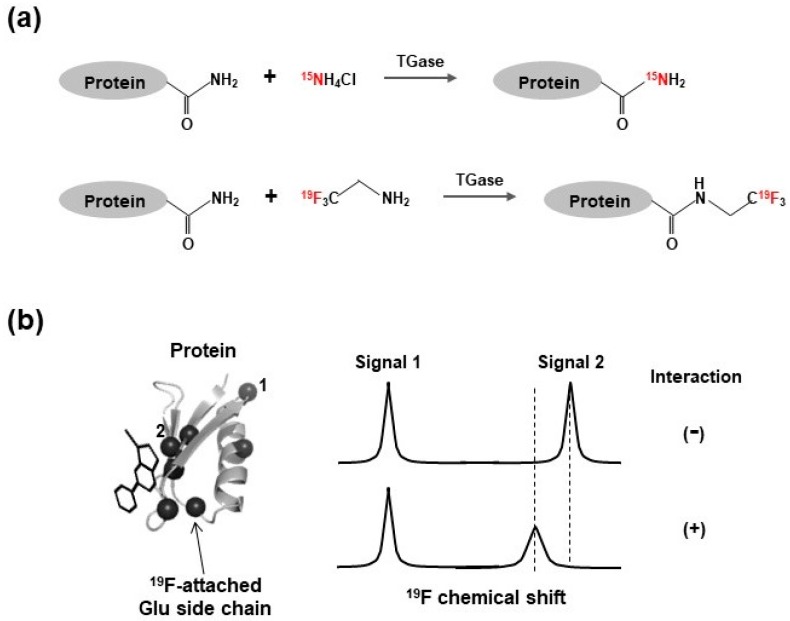
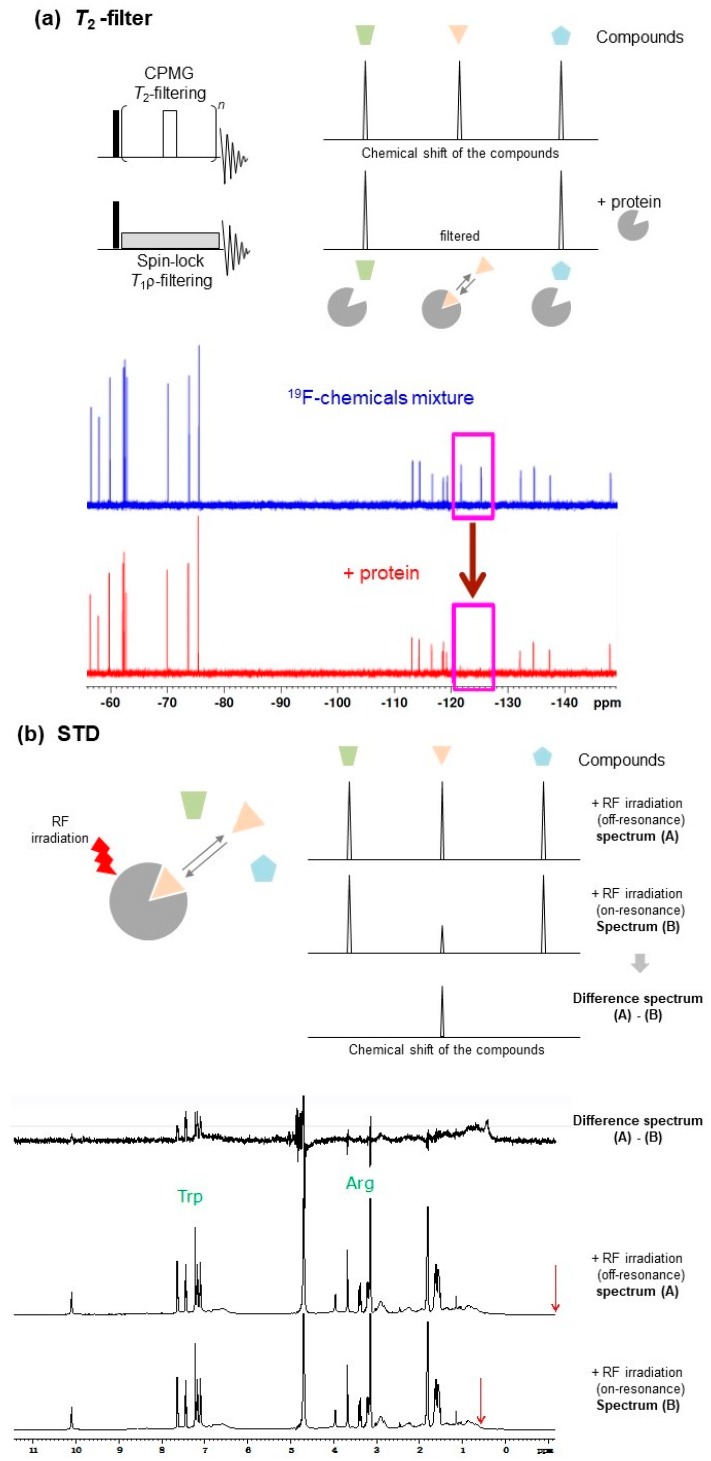
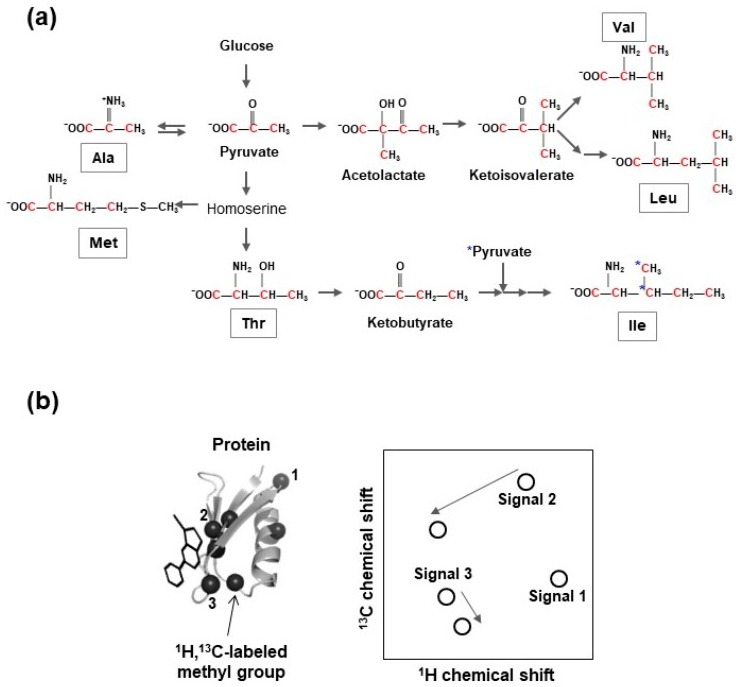
A variety of nuclear magnetic resonance (NMR) applications have been developed for structure-based drug discovery (SBDD). NMR provides many advantages over other methods, such as the ability to directly observe chemical compounds and target biomolecules, and to be used for ligand-based and protein-based approaches. NMR can also provide important information about the interactions in a protein-ligand complex, such as structure, dynamics, and affinity, even when the interaction is too weak to be detected by ELISA or fluorescence resonance energy transfer (FRET)-based high-throughput screening (HTS) or to be crystalized. In this study, we reviewed current NMR techniques. We focused on recent progress in NMR measurement and sample preparation techniques that have expanded the potential of NMR-based SBDD, such as fluorine NMR (F-NMR) screening, structure modeling of weak complexes, and site-specific isotope labeling of challenging targets.
各种基于核磁共振(NMR)的应用已经被开发出来,用于基于结构的药物发现(SBDD)。与其他方法相比,NMR 具有许多优势,例如能够直接观察化学化合物和靶生物分子,以及可用于配体和蛋白质方法。NMR 还可以提供有关蛋白质-配体复合物相互作用的重要信息,例如结构、动态和亲和力,即使相互作用太弱而无法通过 ELISA 或荧光共振能量转移(FRET)基于高通量筛选(HTS)或结晶检测到。在这项研究中,我们回顾了当前的 NMR 技术。我们专注于 NMR 测量和样品制备技术的最新进展,这些技术扩展了基于 NMR 的 SBDD 的潜力,例如氟 NMR(F-NMR)筛选、弱复合物的结构建模以及具有挑战性靶标的定点同位素标记。