Vikrant Sanjay, Parashar Anupam
Department of Nephrology, Indira Gandhi Medical College, Shimla, Himachal Pradesh, India.
Community Medicine, Indira Gandhi Medial College, Shimla, Himachal Pradesh, India.
Clin Kidney J. 2017 Aug;10(4):532-538. doi: 10.1093/ckj/sfx010. Epub 2017 Mar 28.
Acute kidney injury (AKI) after multiple Hymenoptera stings is well known but still a rare phenomenon.
We conducted a retrospective study of the clinicopathological spectrum of AKI due to multiple Hymenoptera stings over 13 years (July 2003-June 2016).
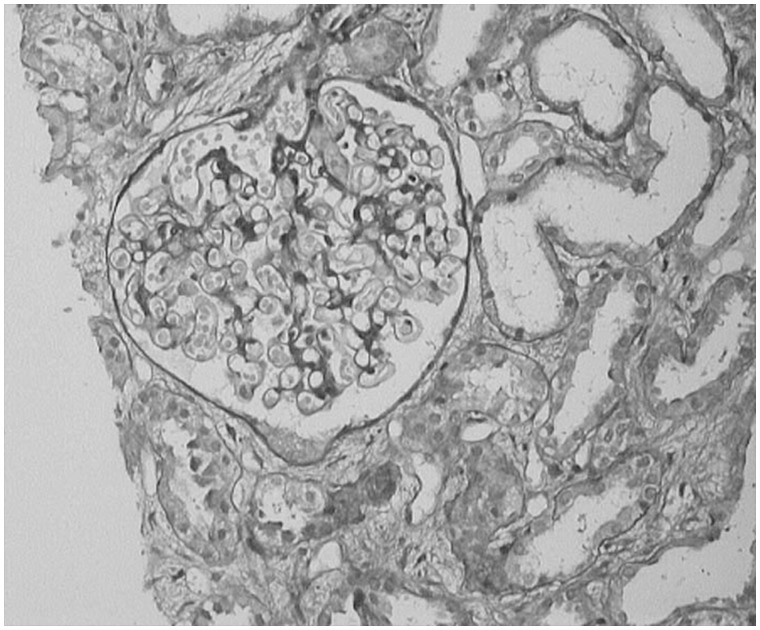
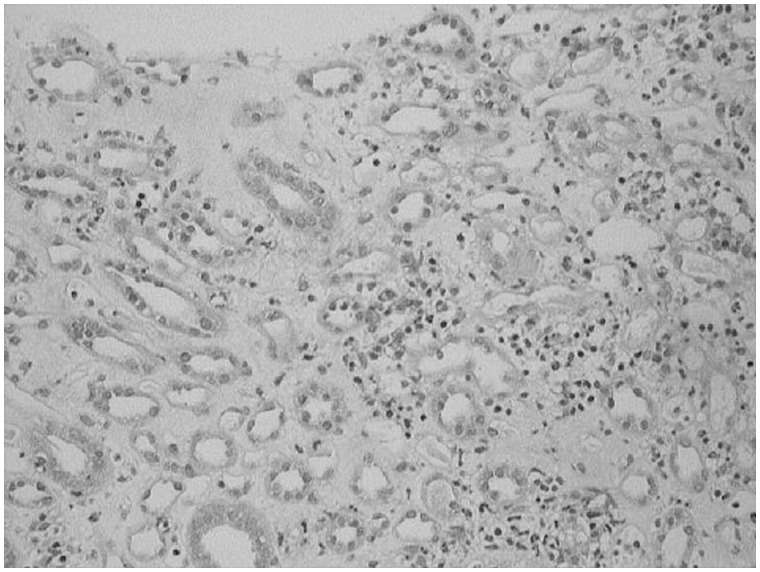
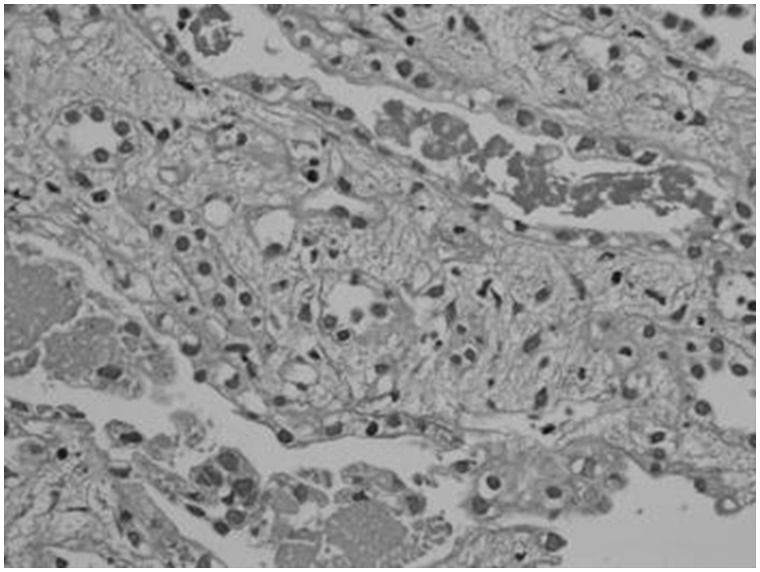
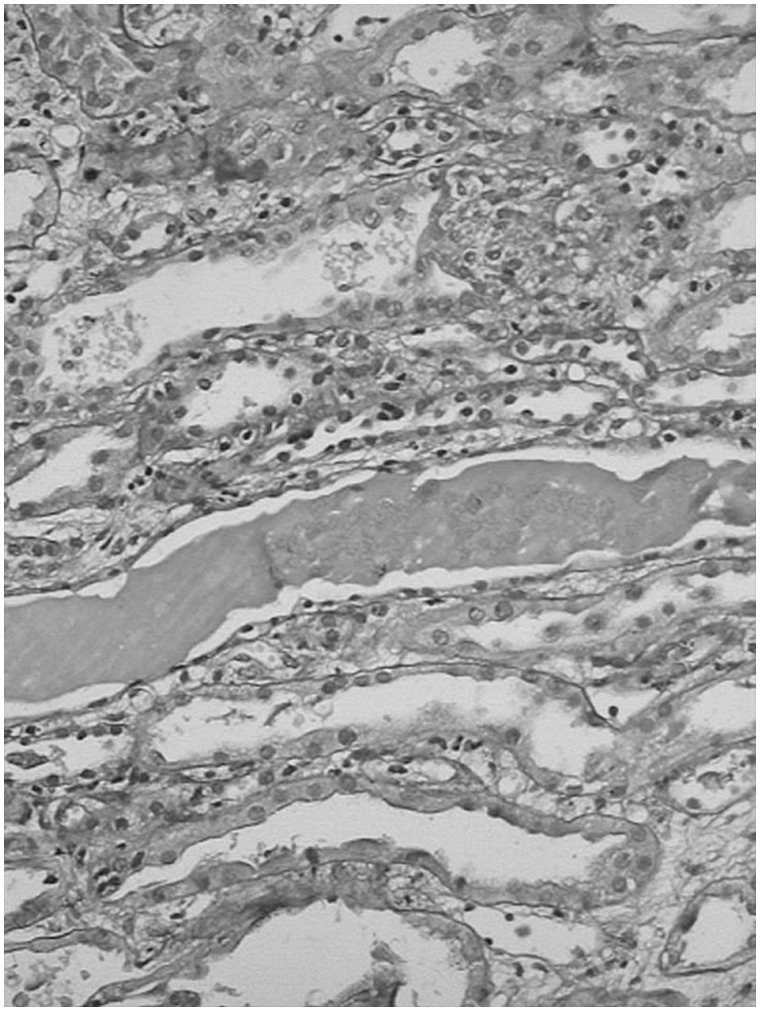
A total of 35 patients were diagnosed with AKI due to multiple Hymenoptera stings. The mean age of the patients was 44.7 ± 17.4 years and the majority (60%) were men. Haematological and biochemical laboratory abnormalities included anaemia (97.1%), leucocytosis (54.3%), hyperkalaemia (68.6%), severe metabolic acidosis (51.4%), hepatic dysfunction (74.3%), haemolysis (91.4%) and rhabdomyolysis (62.9%). The main complications included acute respiratory distress syndrome (ARDS) and encephalopathy in four (11.4%) patients each; gastrointestinal bleeding, hypertension and panniculitis in two (5.7%) patients each and one (2.9%) patient each developed intra-abdominal bleeding, stroke and polyserositis. Twenty-nine (83%) patients required dialysis. Ten (29%) patients died. A higher white blood cell count (P = 0.05) and the complications of ARDS (P = 0.004) and encephalopathy (P = 0.004) were associated with mortality. The kidney functions normalized at 5.5 ± 2.6 weeks in patients who survived. Kidney biopsy was done in 13 patients. The predominant lesion was acute tubular necrosis (ATN) with or without pigmented granular cast in 10 (77%) patients. In four (30.8%) patients, the kidney biopsy showed severe ATN and in the other six (46.2%), the kidney biopsy showed features of ATN associated with mild to moderate acute interstitial nephritis (AIN). In three (23%) patients the histopathological examination revealed only moderate AIN and these patients were treated with a short course of steroids.
AKI due to multiple Hymenoptera stings is severe and is associated with high mortality. On renal histology, ATN and AIN are common.
多发性膜翅目昆虫叮咬后导致的急性肾损伤(AKI)虽广为人知,但仍是一种罕见现象。
我们对13年(2003年7月至2016年6月)期间因多发性膜翅目昆虫叮咬所致AKI的临床病理特征进行了一项回顾性研究。
共有35例患者被诊断为因多发性膜翅目昆虫叮咬导致的AKI。患者的平均年龄为44.7±17.4岁,大多数(60%)为男性。血液学和生化实验室异常包括贫血(97.1%)、白细胞增多(54.3%)、高钾血症(68.6%)、严重代谢性酸中毒(51.4%)、肝功能障碍(74.3%)、溶血(91.4%)和横纹肌溶解(62.9%)。主要并发症包括急性呼吸窘迫综合征(ARDS)和脑病,各有4例(11.4%)患者发生;胃肠道出血、高血压和脂膜炎各有2例(5.7%)患者发生,腹腔内出血、中风和多发性浆膜炎各有1例(2.9%)患者发生。29例(83%)患者需要透析。10例(29%)患者死亡。较高的白细胞计数(P = 0.05)以及ARDS(P = 0.004)和脑病(P = 0.004)并发症与死亡率相关。存活患者的肾功能在5.5±2.6周时恢复正常。13例患者进行了肾活检。主要病变为急性肾小管坏死(ATN),10例(77%)患者伴有或不伴有色素颗粒管型。4例(30.8%)患者肾活检显示严重ATN,另外6例(46.2%)患者肾活检显示ATN合并轻度至中度急性间质性肾炎(AIN)的特征。3例(23%)患者组织病理学检查仅显示中度AIN,这些患者接受了短期类固醇治疗。
多发性膜翅目昆虫叮咬导致的AKI病情严重,死亡率高。在肾脏组织学上,ATN和AIN很常见。