Perucca Emilio
Division of Clinical and Experimental Pharmacology, Department of Internal Medicine and Therapeutics, University of Pavia, Pavia, Italy.
C. Mondino National Neurological Institute, Pavia, Italy.
J Epilepsy Res. 2017 Dec 31;7(2):61-76. doi: 10.14581/jer.17012. eCollection 2017 Dec.
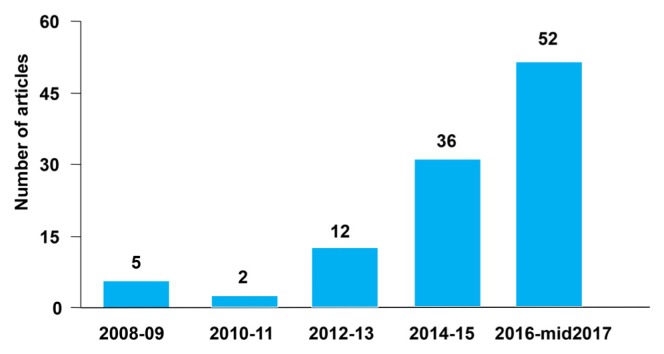
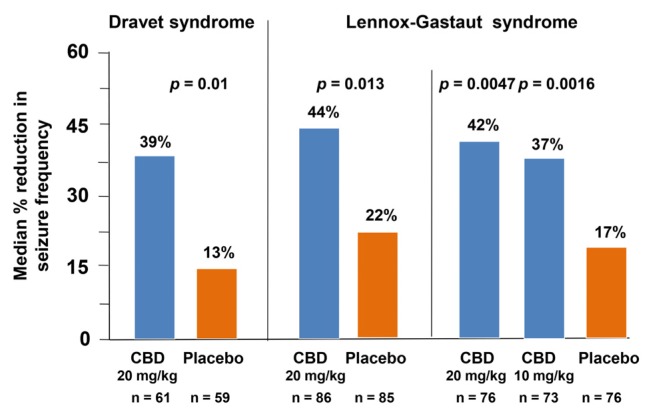
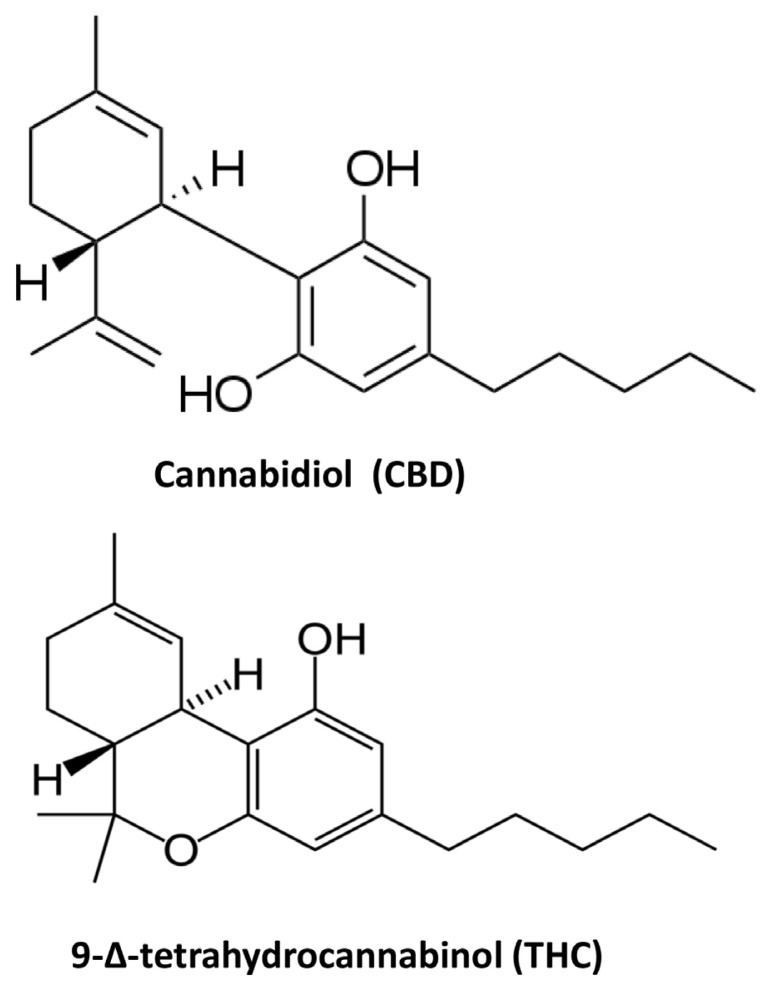
The interest in cannabis-based products for the treatment of refractory epilepsy has skyrocketed in recent years. Marijuana and other cannabis products with high content in Δ(9) - tetrahydrocannabinol (THC), utilized primarily for recreational purposes, are generally unsuitable for this indication, primarily because THC is associated with many undesired effects. Compared with THC, cannabidiol (CBD) shows a better defined anticonvulsant profile in animal models and is largely devoid of adverse psychoactive effects and abuse liability. Over the years, this has led to an increasing use of CBD-enriched extracts in seizure disorders, particularly in children. Although improvement in seizure control and other benefits on sleep and behavior have been often reported, interpretation of the data is made difficult by the uncontrolled nature of these observations. Evidence concerning the potential anti-seizure efficacy of cannabinoids reached a turning point in the last 12 months, with the completion of three high-quality placebo-controlled adjunctive-therapy trials of a purified CBD product in patients with Dravet syndrome and Lennox-Gastaut syndrome. In these studies, CBD was found to be superior to placebo in reducing the frequency of convulsive (tonic-clonic, tonic, clonic, and atonic) seizures in patients with Dravet syndrome, and the frequency of drop seizures in patients with Lennox-Gastaut syndrome. For the first time, there is now class 1 evidence that adjunctive use of CBD improves seizure control in patients with specific epilepsy syndromes. Based on currently available information, however, it is unclear whether the improved seizure control described in these trials was related to a direct action of CBD, or was mediated by drug interactions with concomitant medications, particularly a marked increased in plasma levels of N-desmethylclobazam, the active metabolite of clobazam. Clarification of the relative contribution of CBD to improved seizure outcome requires re-assessment of trial data for the subgroup of patients not comedicated with clobazam, or the conduction of further studies controlling for the confounding effect of this interaction.
近年来,基于大麻的产品用于治疗难治性癫痫的关注度急剧上升。大麻及其他主要用于娱乐目的、Δ(9) - 四氢大麻酚(THC)含量高的大麻产品,通常不适用于此适应症,主要是因为THC会带来许多不良影响。与THC相比,大麻二酚(CBD)在动物模型中显示出更明确的抗惊厥特性,并且基本没有不良精神活性作用和滥用倾向。多年来,这使得富含CBD的提取物在癫痫发作疾病中,尤其是儿童患者中使用越来越多。尽管经常有报告称癫痫发作控制得到改善以及对睡眠和行为有其他益处,但这些观察的非对照性质使得数据解读变得困难。关于大麻素潜在抗癫痫疗效的证据在过去12个月达到了一个转折点,三项针对患有德雷维特综合征和伦诺克斯 - 加斯东综合征患者的纯化CBD产品的高质量安慰剂对照辅助治疗试验完成。在这些研究中,发现CBD在降低德雷维特综合征患者的惊厥(强直 - 阵挛性、强直性、阵挛性和失张力性)发作频率以及伦诺克斯 - 加斯东综合征患者的跌倒发作频率方面优于安慰剂。首次有了1类证据表明辅助使用CBD可改善特定癫痫综合征患者的癫痫发作控制。然而,根据目前可得的信息,尚不清楚这些试验中描述的癫痫发作控制改善是与CBD的直接作用有关,还是由与同时服用药物的药物相互作用介导,特别是氯巴占的活性代谢物N - 去甲基氯巴占血浆水平显著升高。要明确CBD对改善癫痫发作结果的相对贡献,需要重新评估未同时服用氯巴占的患者亚组的试验数据,或者进行进一步研究以控制这种相互作用的混杂效应。