Birkbeck Institute for Data Analytics-Birkbeck, University of London, London WC1E7HX, United Kingdom.
Laboratory for the Modeling of Biological and Socio-technical Systems, Northeastern University, Boston, Massachusetts 02115, USA.
Phys Rev E. 2017 Oct;96(4-1):042310. doi: 10.1103/PhysRevE.96.042310. Epub 2017 Oct 26.
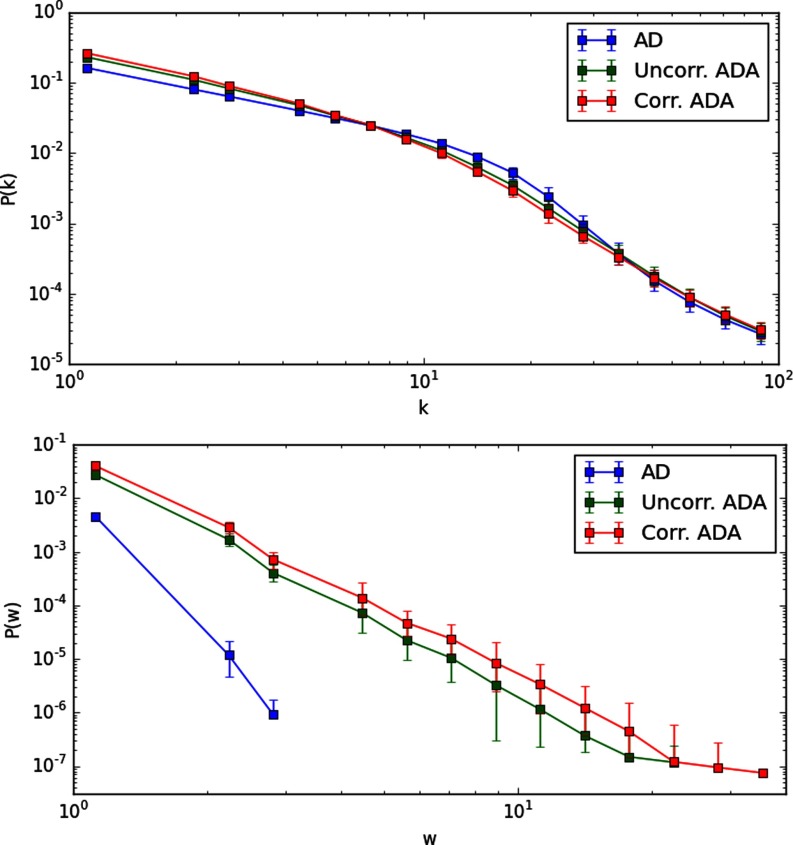
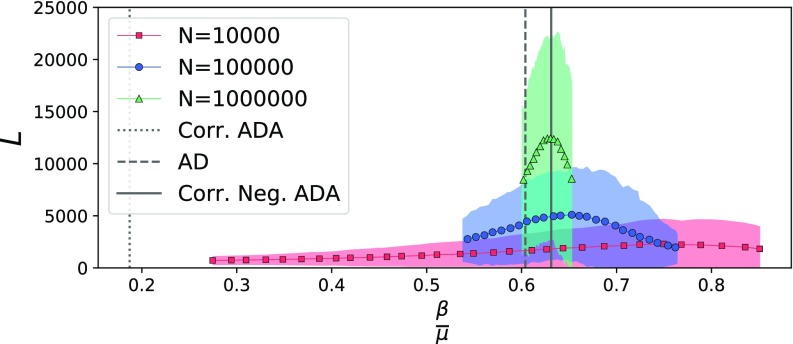
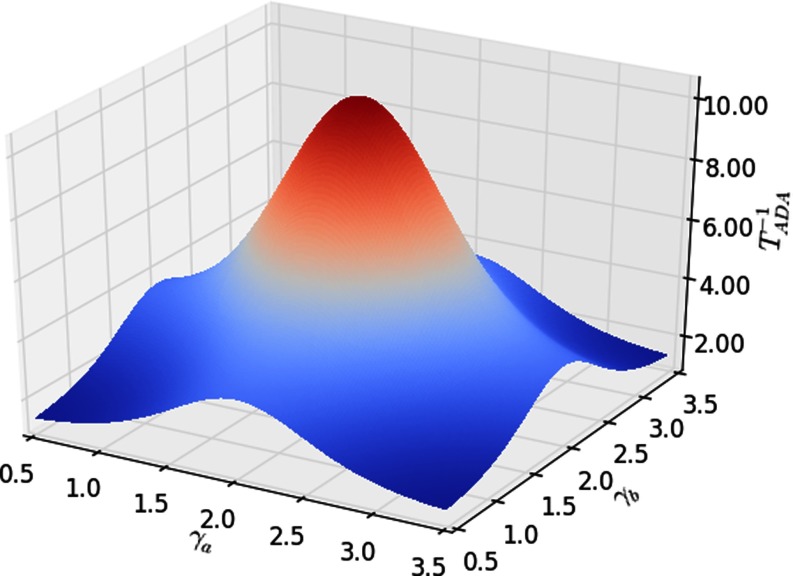
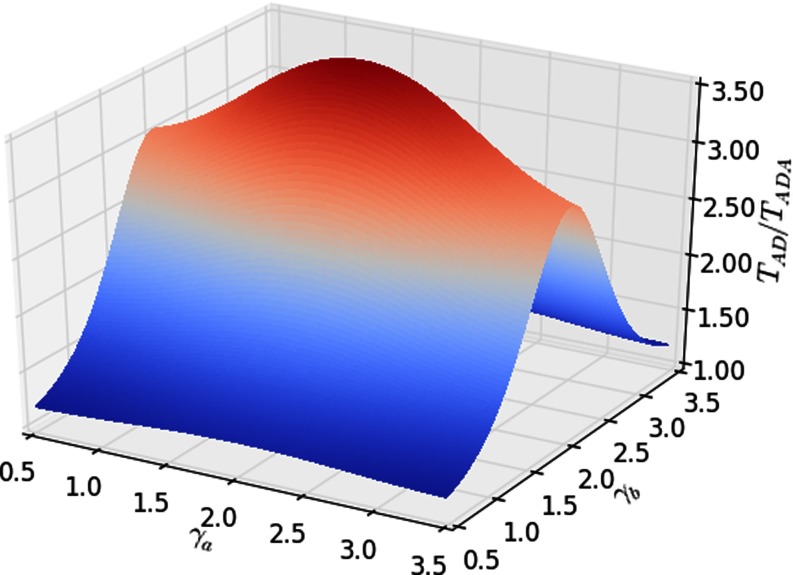
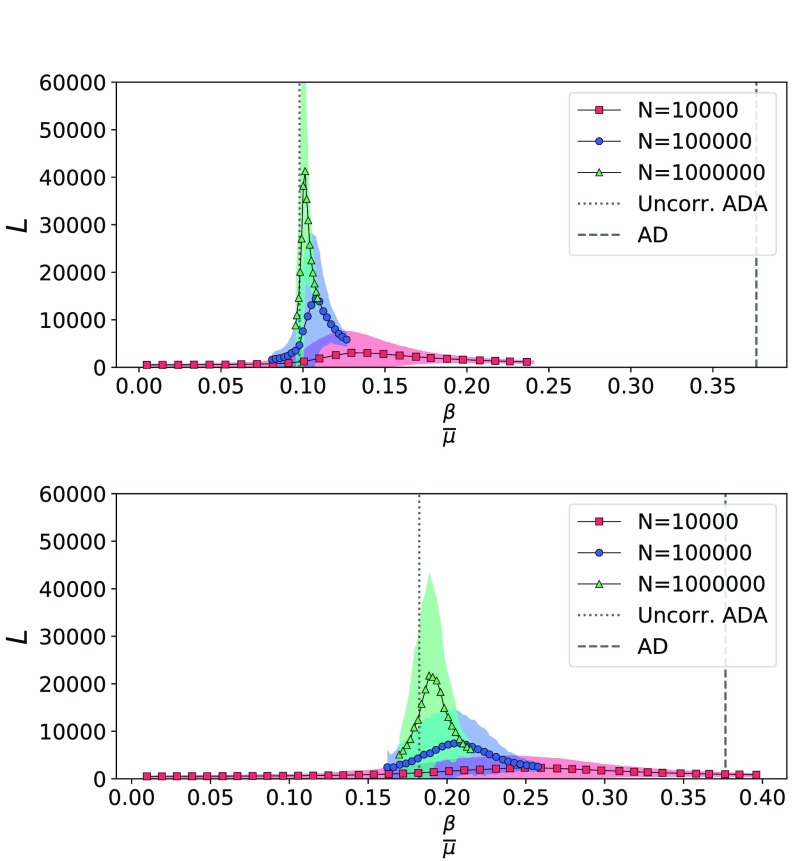
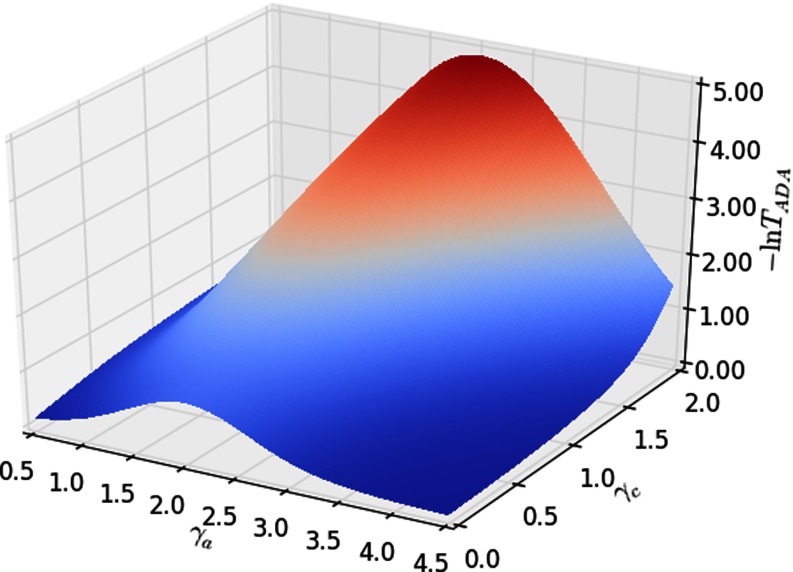
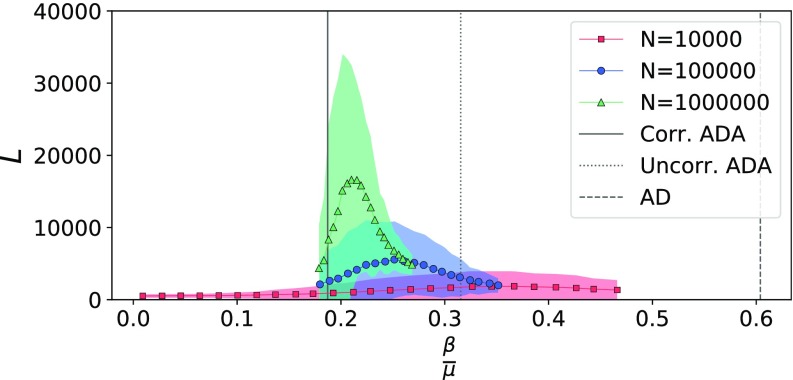
We study SIS epidemic spreading processes unfolding on a recent generalization of the activity-driven modeling framework. In this model of time-varying networks, each node is described by two variables: activity and attractiveness. The first describes the propensity to form connections, while the second defines the propensity to attract them. We derive analytically the epidemic threshold considering the time scale driving the evolution of contacts and the contagion as comparable. The solutions are general and hold for any joint distribution of activity and attractiveness. The theoretical picture is confirmed via large-scale numerical simulations performed considering heterogeneous distributions and different correlations between the two variables. We find that heterogeneous distributions of attractiveness alter the contagion process. In particular, in the case of uncorrelated and positive correlations between the two variables, heterogeneous attractiveness facilitates the spreading. On the contrary, negative correlations between activity and attractiveness hamper the spreading. The results presented contribute to the understanding of the dynamical properties of time-varying networks and their effects on contagion phenomena unfolding on their fabric.
我们研究了在最近提出的活动驱动建模框架的推广上展开的 SIS 传染病传播过程。在这个时变网络模型中,每个节点由两个变量描述:活跃度和吸引力。第一个变量描述了形成连接的倾向,而第二个变量定义了吸引连接的倾向。我们在考虑接触演变的时间尺度和传染率可比拟的情况下,从理论上推导出了传染病阈值。该解决方案具有普遍性,适用于活跃度和吸引力的任何联合分布。通过考虑异质分布和两个变量之间的不同相关性进行的大规模数值模拟,验证了理论图像。我们发现,吸引力的异质分布会改变传染病的传播过程。具体来说,在两个变量之间存在不相关和正相关的情况下,异质吸引力会促进传播。相反,活跃度和吸引力之间的负相关会阻碍传播。所提出的结果有助于理解时变网络的动态特性及其对其结构上展开的传染病现象的影响。