Crone Damien L, Bode Stefan, Murawski Carsten, Laham Simon M
Melbourne School of Psychological Sciences, University of Melbourne, Melbourne, Australia.
Department of Finance, University of Melbourne, Melbourne, Australia.
PLoS One. 2018 Jan 24;13(1):e0190954. doi: 10.1371/journal.pone.0190954. eCollection 2018.
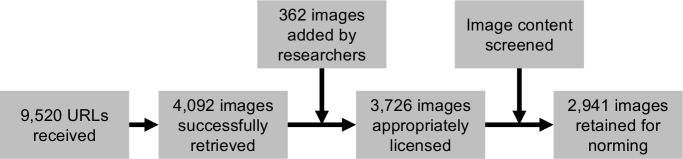
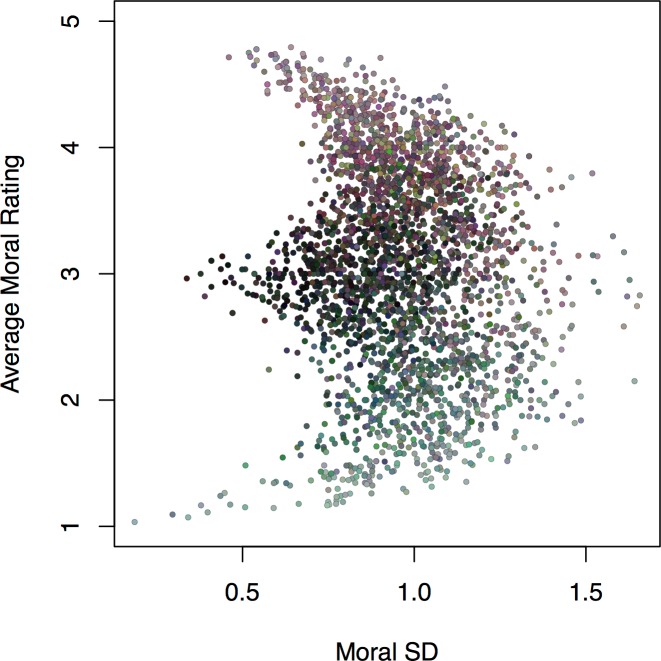
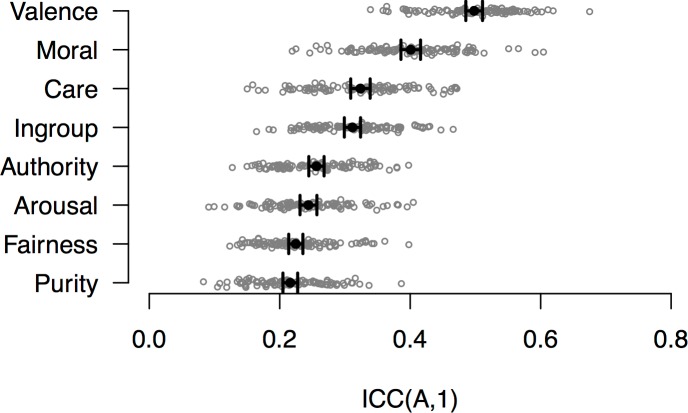
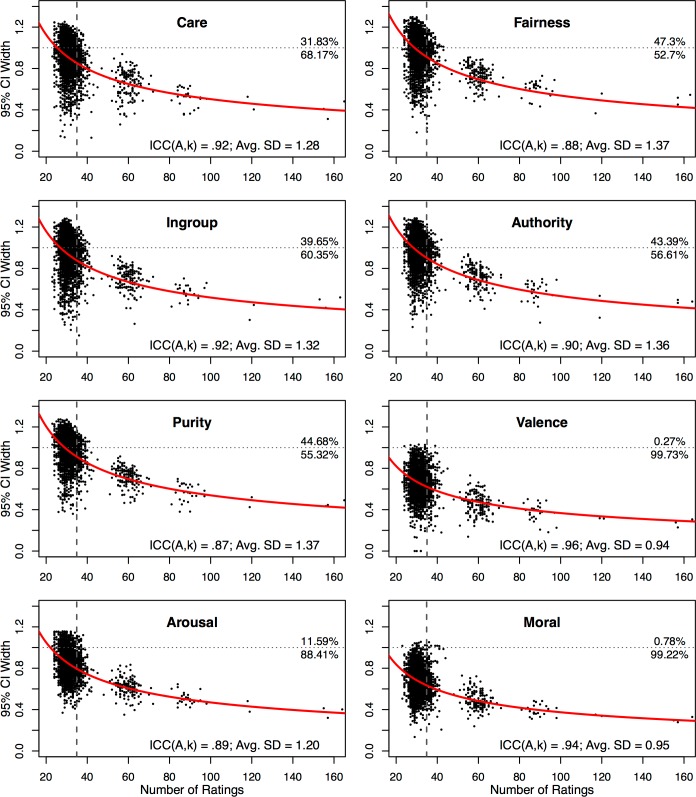
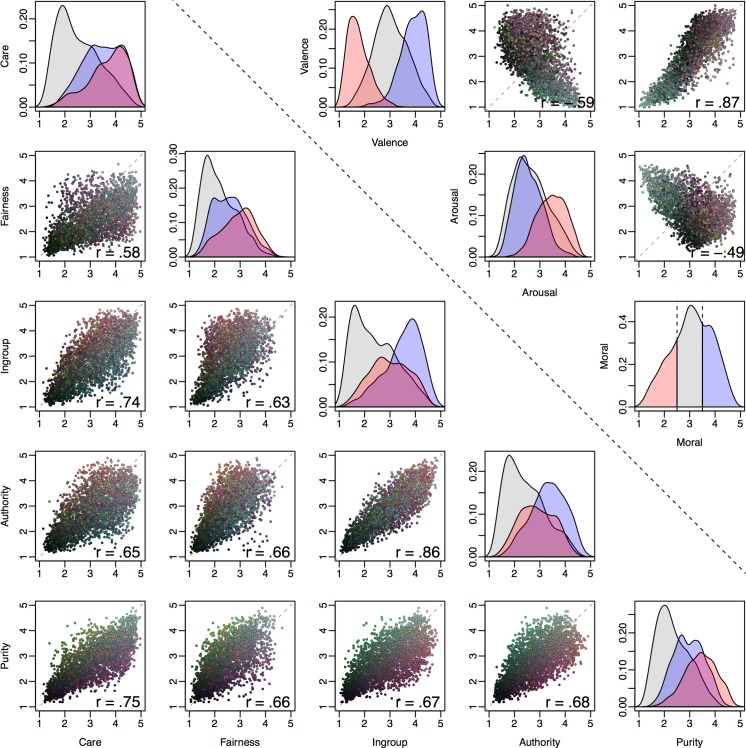
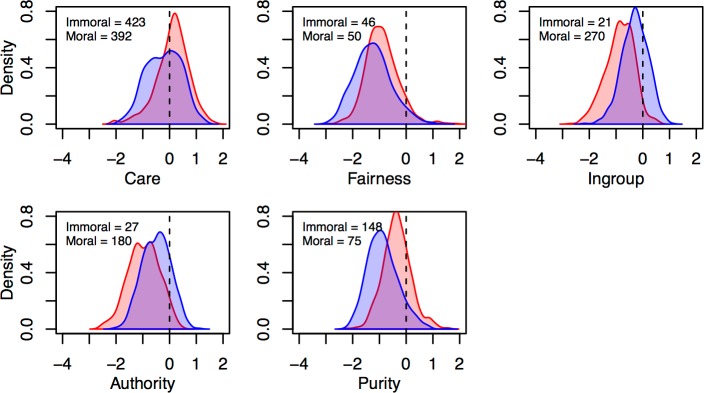
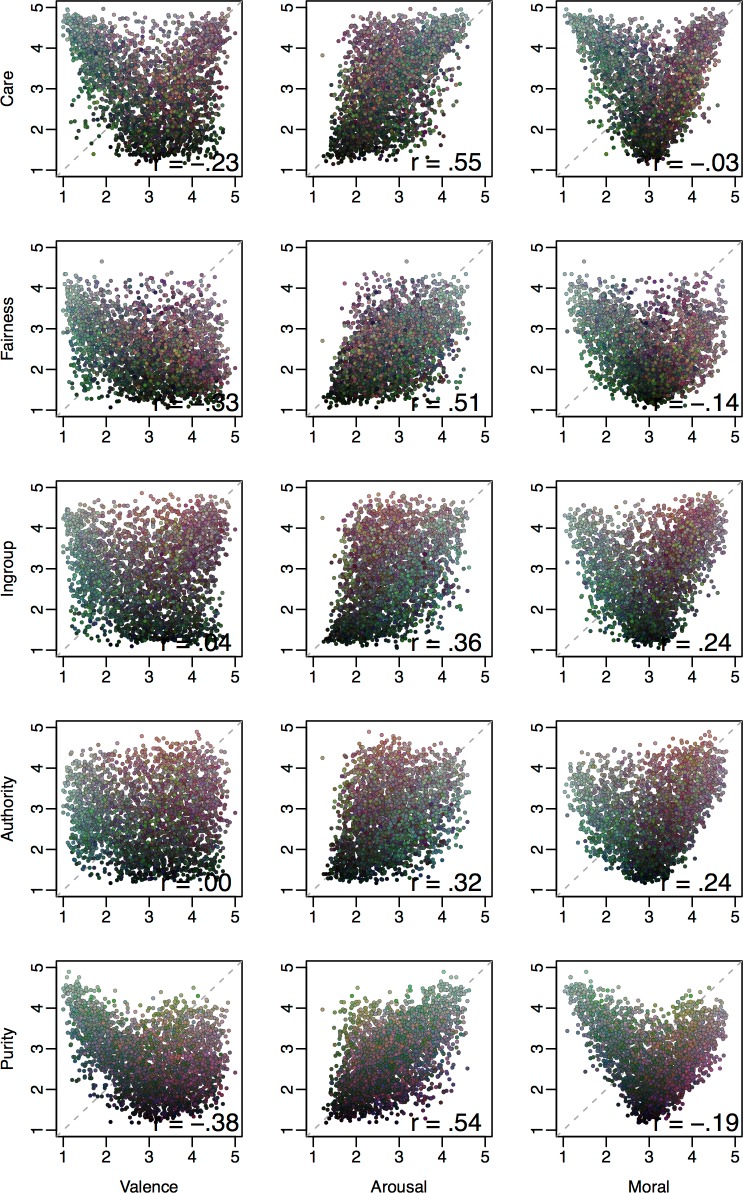
A major obstacle for the design of rigorous, reproducible studies in moral psychology is the lack of suitable stimulus sets. Here, we present the Socio-Moral Image Database (SMID), the largest standardized moral stimulus set assembled to date, containing 2,941 freely available photographic images, representing a wide range of morally (and affectively) positive, negative and neutral content. The SMID was validated with over 820,525 individual judgments from 2,716 participants, with normative ratings currently available for all images on affective valence and arousal, moral wrongness, and relevance to each of the five moral values posited by Moral Foundations Theory. We present a thorough analysis of the SMID regarding (1) inter-rater consensus, (2) rating precision, and (3) breadth and variability of moral content. Additionally, we provide recommendations for use aimed at efficient study design and reproducibility, and outline planned extensions to the database. We anticipate that the SMID will serve as a useful resource for psychological, neuroscientific and computational (e.g., natural language processing or computer vision) investigations of social, moral and affective processes. The SMID images, along with associated normative data and additional resources are available at https://osf.io/2rqad/.
道德心理学中严谨、可重复研究设计的一个主要障碍是缺乏合适的刺激集。在此,我们展示社会道德图像数据库(SMID),这是迄今为止汇编的最大的标准化道德刺激集,包含2941张可免费获取的照片图像,代表了广泛的道德(和情感上)积极、消极和中性内容。SMID通过来自2716名参与者的超过820525项个人判断进行了验证,目前可获得所有图像在情感效价和唤醒、道德错误性以及与道德基础理论提出的五个道德价值观中每一个的相关性方面的规范评分。我们对SMID进行了全面分析,涉及(1)评分者间的一致性,(2)评分精度,以及(3)道德内容的广度和可变性。此外,我们提供了旨在实现高效研究设计和可重复性的使用建议,并概述了数据库的计划扩展。我们预计SMID将成为社会、道德和情感过程的心理学、神经科学和计算(如自然语言处理或计算机视觉)研究的有用资源。SMID图像以及相关的规范数据和其他资源可在https://osf.io/2rqad/获取。