Department of Molecular and Cell Biology, Centro Nacional de Biotecnología (CNB-CSIC), Madrid, Spain.
Department of Microbiology and Immunology, University of Iowa Carver College of Medicine, Iowa City, IA, United States of America.
PLoS Pathog. 2018 Jan 25;14(1):e1006838. doi: 10.1371/journal.ppat.1006838. eCollection 2018 Jan.
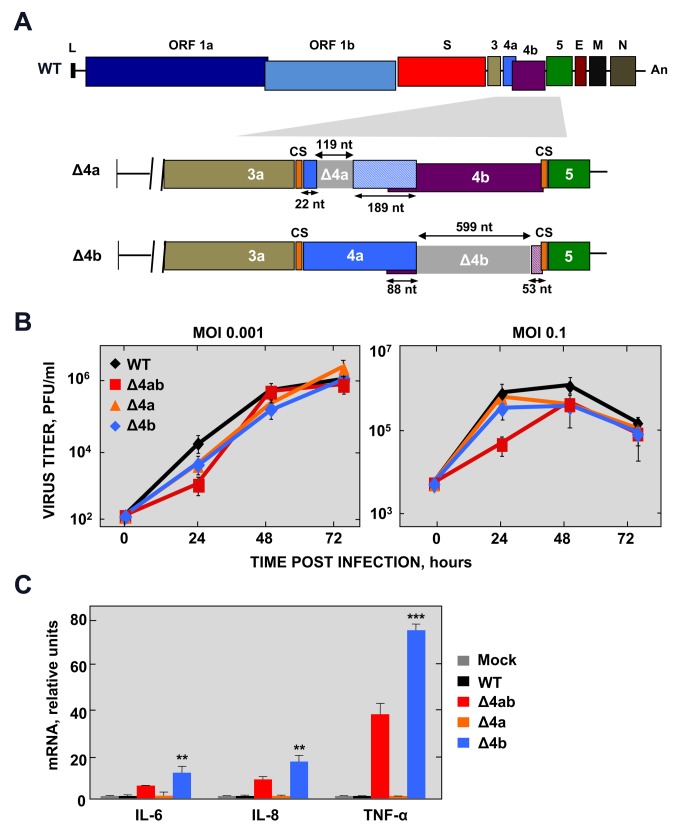
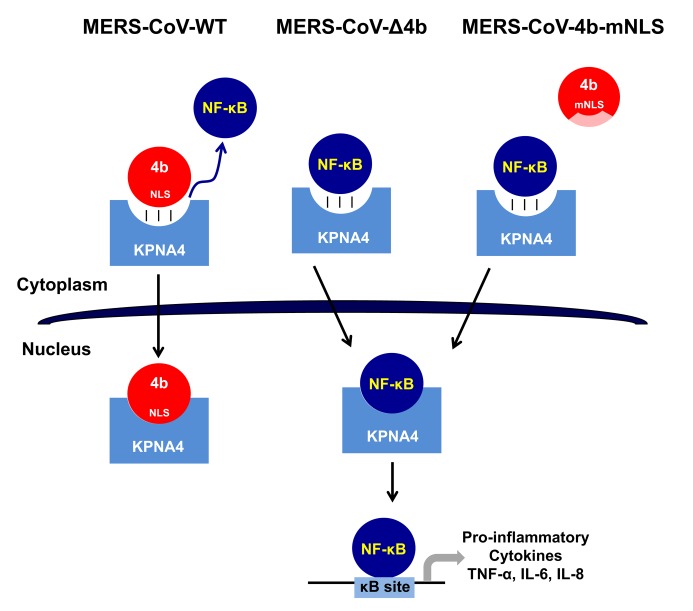
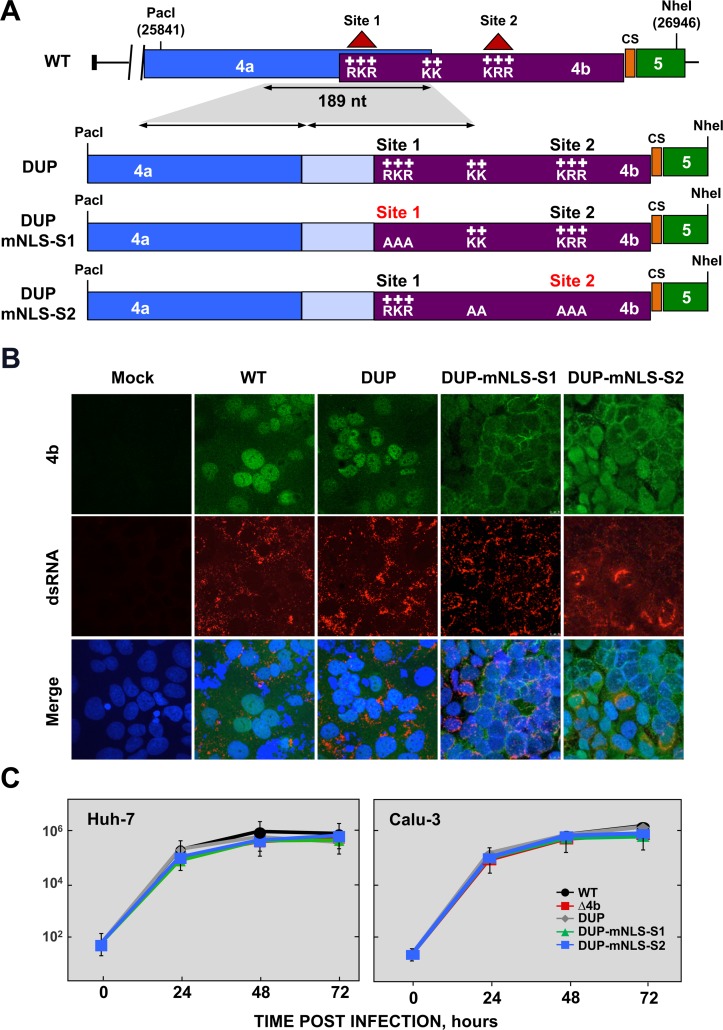
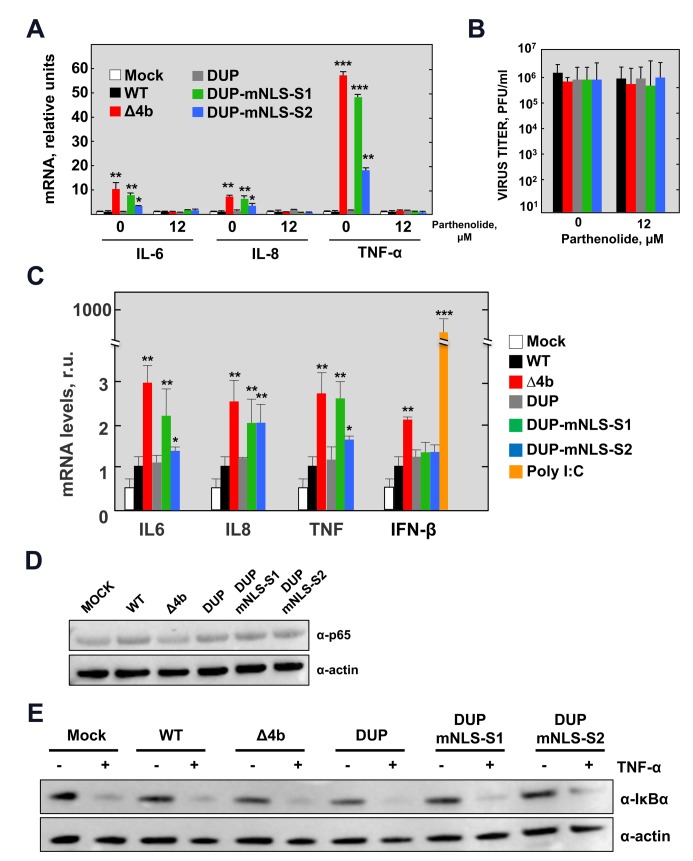
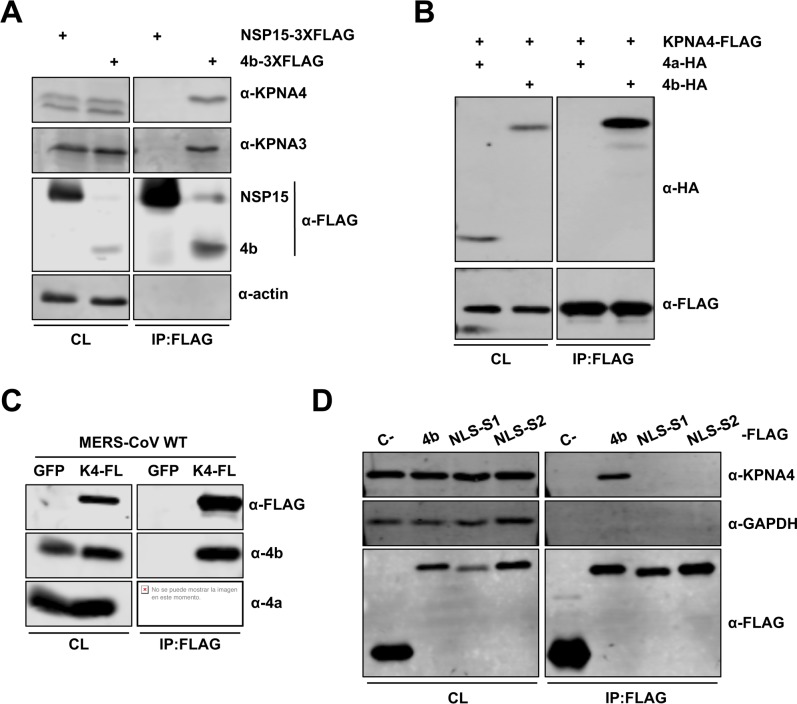
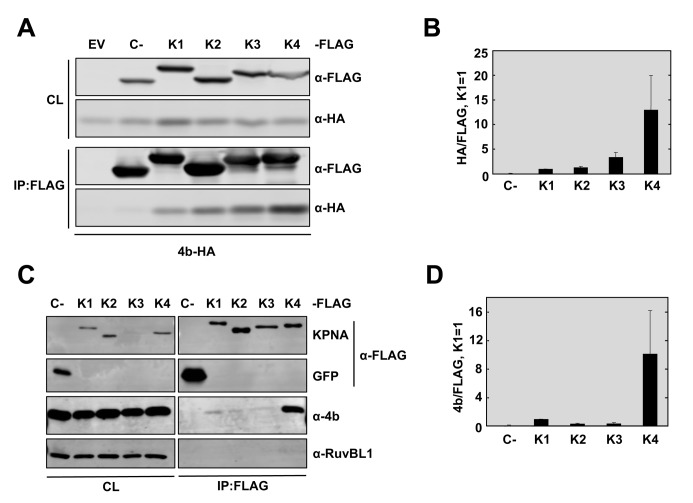
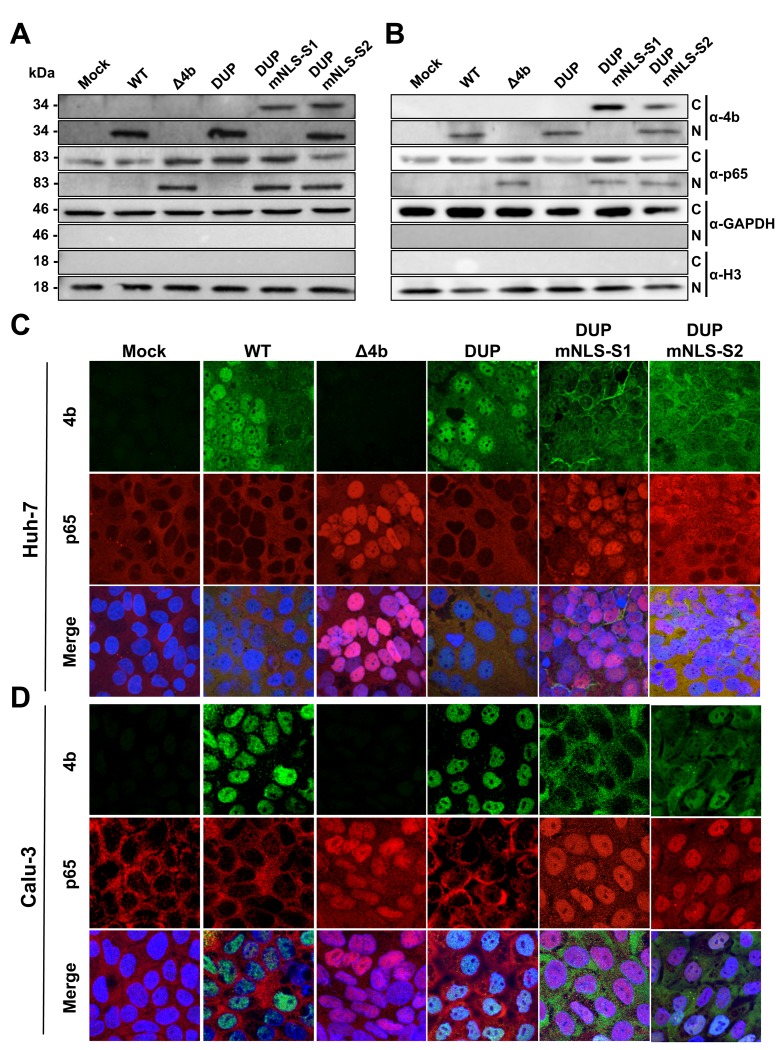
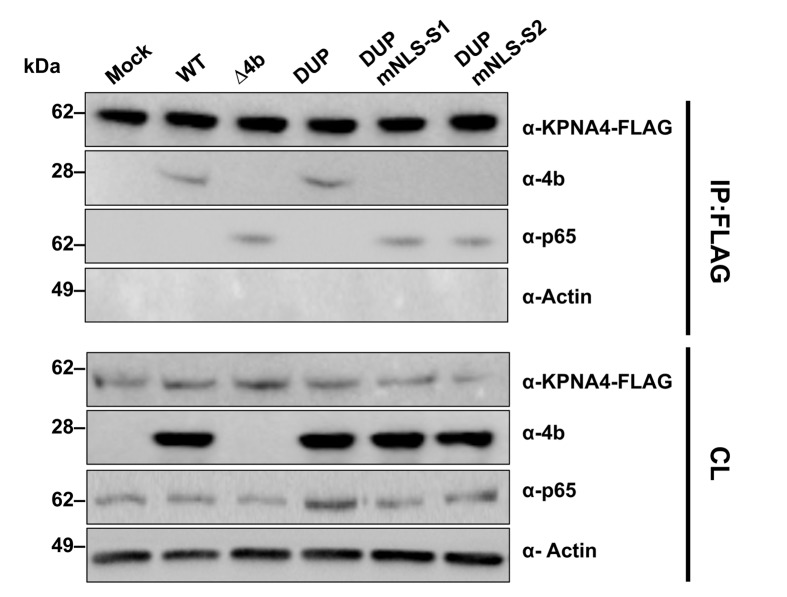
Middle East respiratory syndrome coronavirus (MERS-CoV) is a novel human coronavirus that emerged in 2012, causing severe pneumonia and acute respiratory distress syndrome (ARDS), with a case fatality rate of ~36%. When expressed in isolation, CoV accessory proteins have been shown to interfere with innate antiviral signaling pathways. However, there is limited information on the specific contribution of MERS-CoV accessory protein 4b to the repression of the innate antiviral response in the context of infection. We found that MERS-CoV 4b was required to prevent a robust NF-κB dependent response during infection. In wild-type virus infected cells, 4b localized to the nucleus, while NF-κB was retained in the cytoplasm. In contrast, in the absence of 4b or in the presence of cytoplasmic 4b mutants lacking a nuclear localization signal (NLS), NF-κB was translocated to the nucleus leading to the expression of pro-inflammatory cytokines. This indicates that NF-κB repression required the nuclear import of 4b mediated by a specific NLS. Interestingly, we also found that both in isolation and during infection, 4b interacted with α-karyopherin proteins in an NLS-dependent manner. In particular, 4b had a strong preference for binding karyopherin-α4 (KPNA4), which is known to translocate the NF-κB protein complex into the nucleus. Binding of 4b to KPNA4 during infection inhibited its interaction with NF-κB-p65 subunit. Thereby we propose a model where 4b outcompetes NF-κB for KPNA4 binding and translocation into the nucleus as a mechanism of interference with the NF-κB-mediated innate immune response.
中东呼吸综合征冠状病毒(MERS-CoV)是一种新型的人类冠状病毒,于 2012 年出现,可引起严重肺炎和急性呼吸窘迫综合征(ARDS),病死率约为 36%。当单独表达时,冠状病毒辅助蛋白已被证明会干扰先天抗病毒信号通路。然而,关于 MERS-CoV 辅助蛋白 4b 在感染背景下对先天抗病毒反应的抑制作用的具体贡献的信息有限。我们发现,MERS-CoV 4b 是在感染过程中防止 NF-κB 依赖性反应的必需蛋白。在野生型病毒感染的细胞中,4b 定位于细胞核,而 NF-κB 则保留在细胞质中。相比之下,在缺乏 4b 或存在缺乏核定位信号(NLS)的细胞质 4b 突变体的情况下,NF-κB 被转运到细胞核,导致促炎细胞因子的表达。这表明 NF-κB 抑制需要由特定 NLS 介导的 4b 的核输入。有趣的是,我们还发现,4b 无论是单独存在还是在感染过程中,都以 NLS 依赖的方式与 α-核孔蛋白(α-KP)相互作用。特别是,4b 与核孔蛋白-α4(KPNA4)具有很强的亲和力,KPNA4 已知可将 NF-κB 蛋白复合物转运到细胞核内。在感染过程中,4b 与 KPNA4 的结合抑制了其与 NF-κB-p65 亚基的相互作用。因此,我们提出了一种模型,其中 4b 通过与 KPNA4 竞争结合并转运到细胞核内,作为干扰 NF-κB 介导的先天免疫反应的机制。