Bopage Nisansala Swarnamali, Kamal Bandara Gunaherath G M, Jayawardena Kithsiri Hector, Wijeyaratne Sushila Chandrani, Abeysekera Ajita Mahendra, Somaratne Seneviratne
Department of Chemistry, The Open University of Sri Lanka, Nawala, Nugegoda, Sri Lanka.
Department of Zoology, The Open University of Sri Lanka, Nawala, Nugegoda, Sri Lanka.
BMC Complement Altern Med. 2018 Jan 25;18(1):29. doi: 10.1186/s12906-018-2089-9.
Different parts including the latex of Ficus racemosa L. has been used as a medicine for wound healing in the Ayurveda and in the indigenous system of medicine in Sri Lanka. This plant has been evaluated for its wound healing potential using animal models. The aim of this study was to obtain an insight into the wound healing process and identify the potential wound healing active substance/s present in F. racemosa L. bark using scratch wound assay (SWA) as the in-vitro assay method.
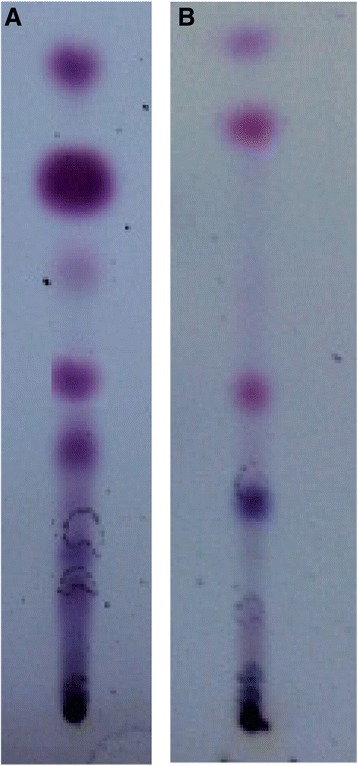
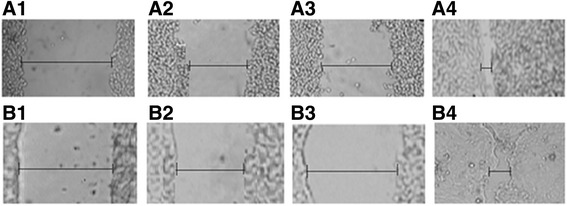
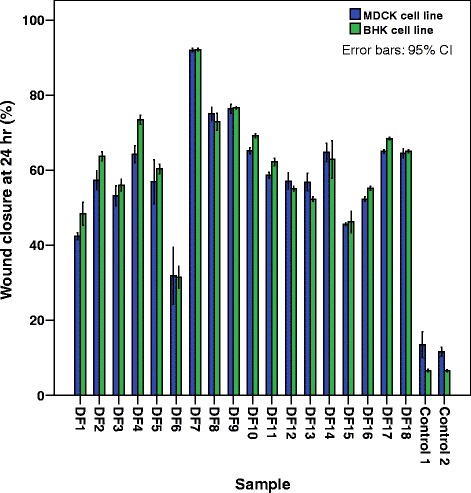
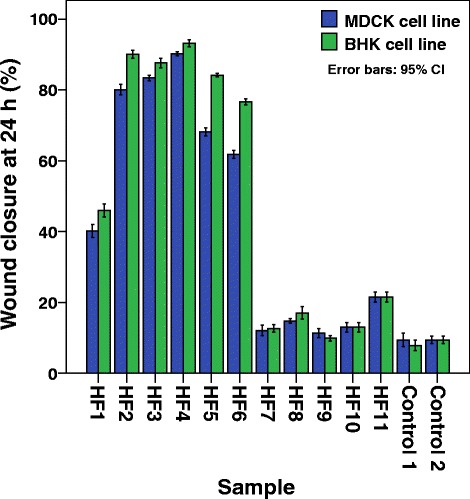
Stem bark extracts of F. racemosa were evaluated using scratch wound assay (SWA) on Baby Hamster Kidney (BHK 21) and Madin-Darby Canine Kidney (MDCK) cell lines and Kirby Bauer disc diffusion assay on common bacteria and fungi for cell migration enhancing ability and antimicrobial activity respectively. Dichloromethane and hexanes extracts which showed cell migration enhancement activity on SWA were subjected to bioactivity directed fractionation using column chromatography followed by preparative thin layer chromatography to identify the compounds responsible for the cell migration enhancement activity.
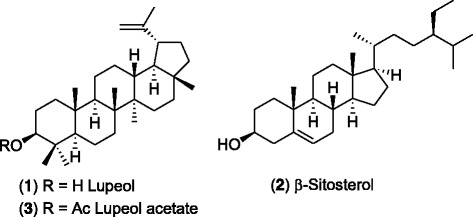
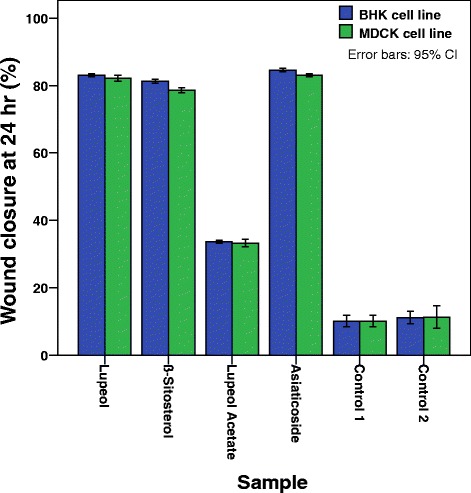
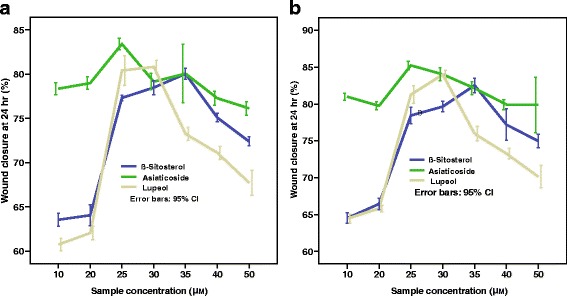
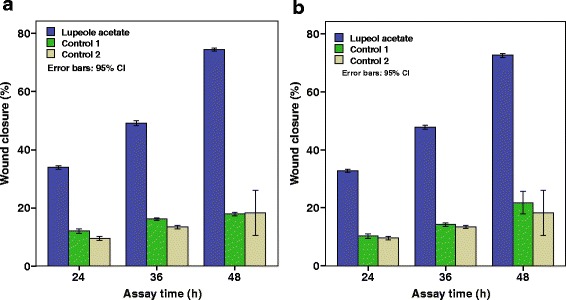
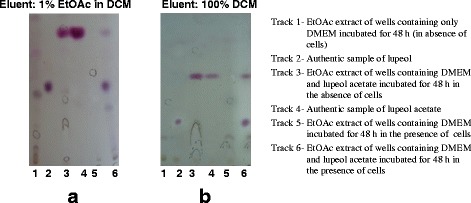
Dichloromethane and hexanes extracts showed cell migration enhancement activity on both cell lines, while EtOAc and MeOH extracts showed antibacterial activity against Staphylococcus and Bacillus species and antifungal activity against Saccharomyces spp. and Candida albicans. Lupeol (1) and β-sitosterol (2) were isolated as the potential wound healing active compounds which exhibited significant cell migration enhancement activity on BHK 21 and MDCK cell lines (> 80%) in par with the positive control, asiaticoside at a concentration of 25 μM. The optimum concentration of each compound required for the maximum wound healing has been determined as 30 μM and 35 μM for 1 and 2 respectively on both cell lines. It is also established that lupeol acetate (3) isolated from the hexanes extract act as a pro-drug by undergoing hydrolysis into lupeol in the vicinity of cells.
Different chemical constituents present in stem bark of Ficus racemosa L show enhancement of cell migration (which corresponds to the cell proliferation) as well as antimicrobial activity. This dual action of F. racemosa stem bark provides scientific support for its traditional use in wound healing.
包括聚果榕乳胶在内的不同部位在阿育吠陀医学和斯里兰卡本土医学体系中被用作伤口愈合药物。已使用动物模型对该植物的伤口愈合潜力进行了评估。本研究的目的是深入了解伤口愈合过程,并使用划痕伤口试验(SWA)作为体外试验方法,确定聚果榕树皮中潜在的伤口愈合活性物质。
使用划痕伤口试验(SWA)在幼仓鼠肾(BHK 21)和犬肾传代细胞(MDCK)细胞系上评估聚果榕茎皮提取物,并分别使用Kirby Bauer纸片扩散法对常见细菌和真菌进行抗菌活性试验,以检测其细胞迁移增强能力和抗菌活性。对在SWA上显示细胞迁移增强活性的二氯甲烷和己烷提取物进行柱色谱生物活性导向分级分离,然后进行制备薄层色谱,以鉴定负责细胞迁移增强活性的化合物。
二氯甲烷和己烷提取物在两种细胞系上均显示出细胞迁移增强活性,而乙酸乙酯和甲醇提取物对葡萄球菌和芽孢杆菌属显示出抗菌活性,对酿酒酵母属和白色念珠菌显示出抗真菌活性。羽扇豆醇(1)和β-谷甾醇(2)被分离为潜在的伤口愈合活性化合物,在浓度为25μM时,它们在BHK 21和MDCK细胞系上表现出显著的细胞迁移增强活性(>80%),与阳性对照积雪草苷相当。已确定在两种细胞系上,化合物1和2实现最大伤口愈合所需的最佳浓度分别为30μM和35μM。还证实,从己烷提取物中分离出的乙酸羽扇豆酯(3)在细胞附近通过水解成羽扇豆醇而作为前药起作用。
聚果榕茎皮中存在的不同化学成分显示出细胞迁移增强(对应于细胞增殖)以及抗菌活性。聚果榕茎皮的这种双重作用为其在伤口愈合方面的传统用途提供了科学支持。