An Zhengwen, Sabalic Maja, Bloomquist Ryan F, Fowler Teresa E, Streelman Todd, Sharpe Paul T
Centre for Craniofacial and Regenerative Biology, Dental Institute, Kings College London, London, SE1 9RT, UK.
Petit Institute for Bioengineering and Bioscience, Georgia Institute of Technology, Atlanta, USA.
Nat Commun. 2018 Jan 25;9(1):378. doi: 10.1038/s41467-017-02785-6.
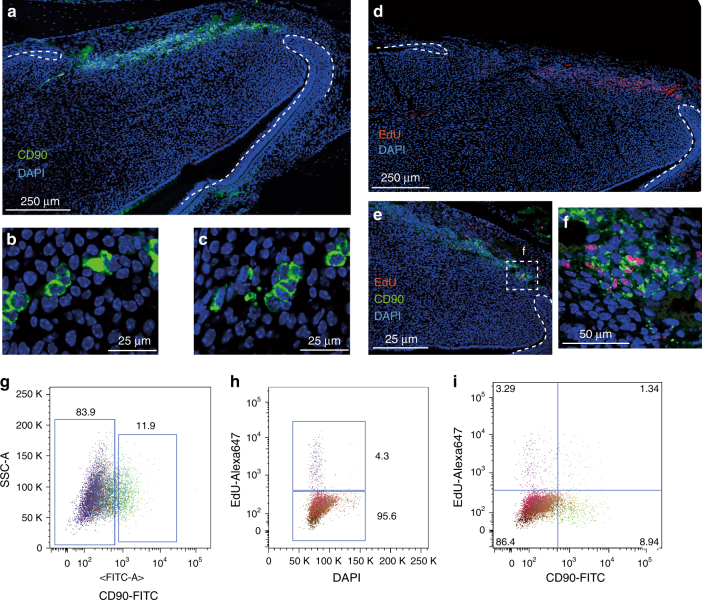
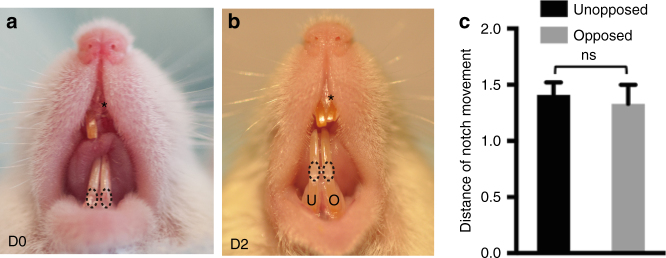
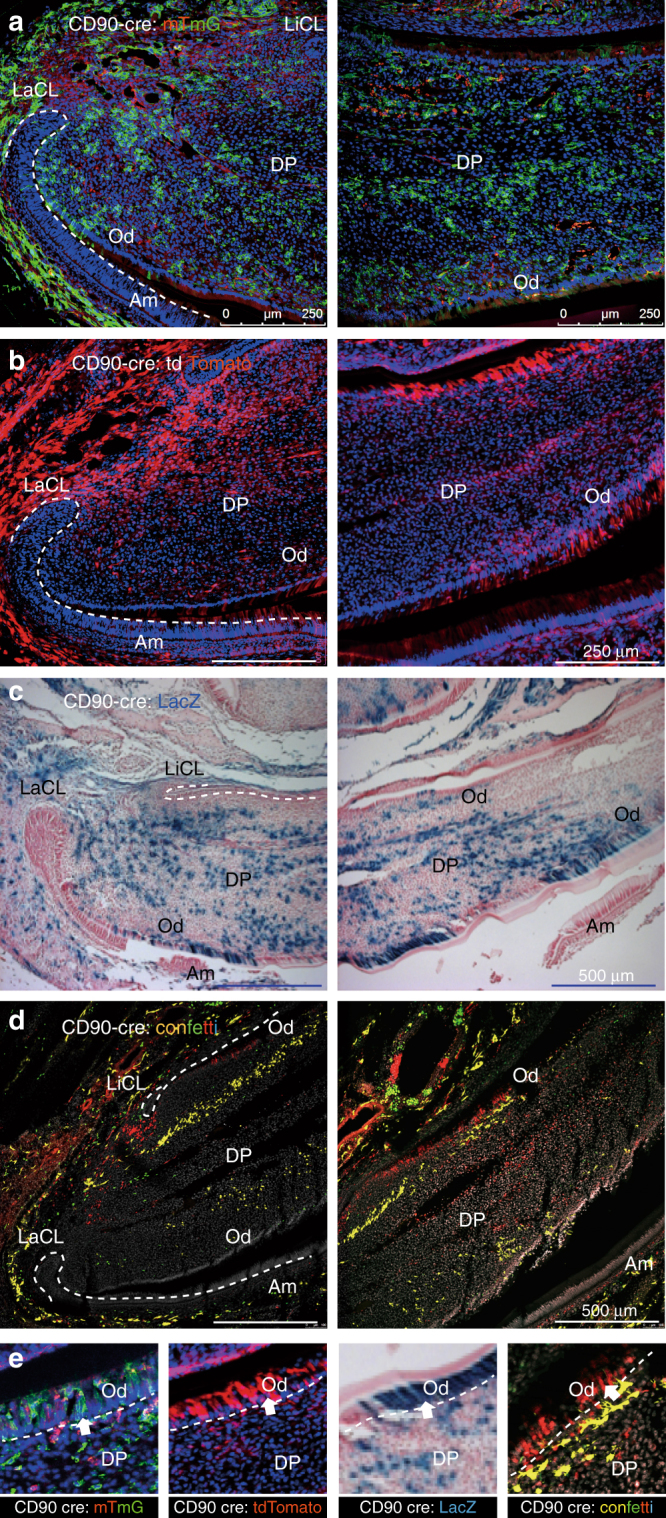
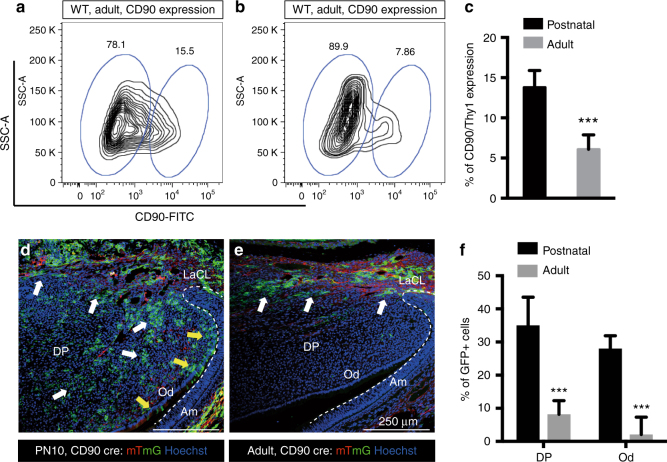
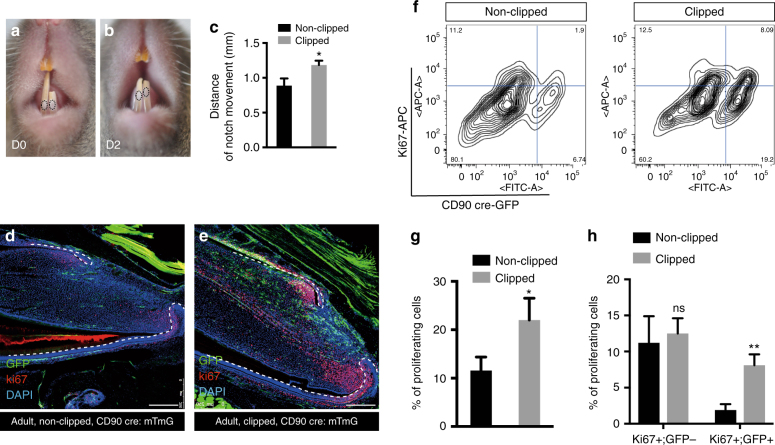
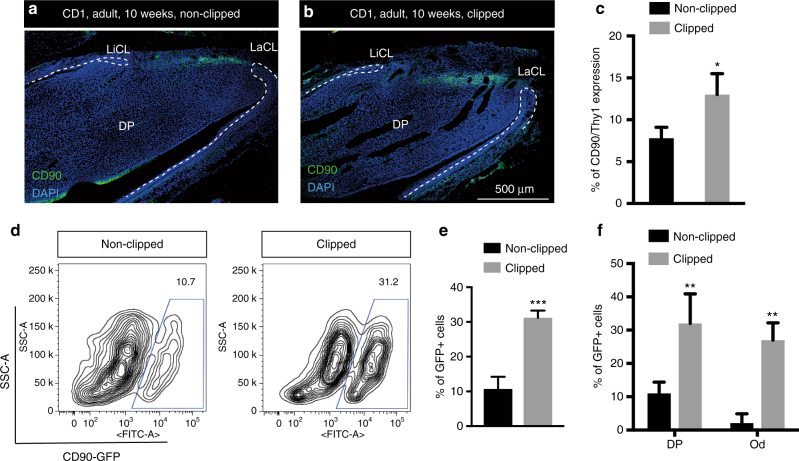
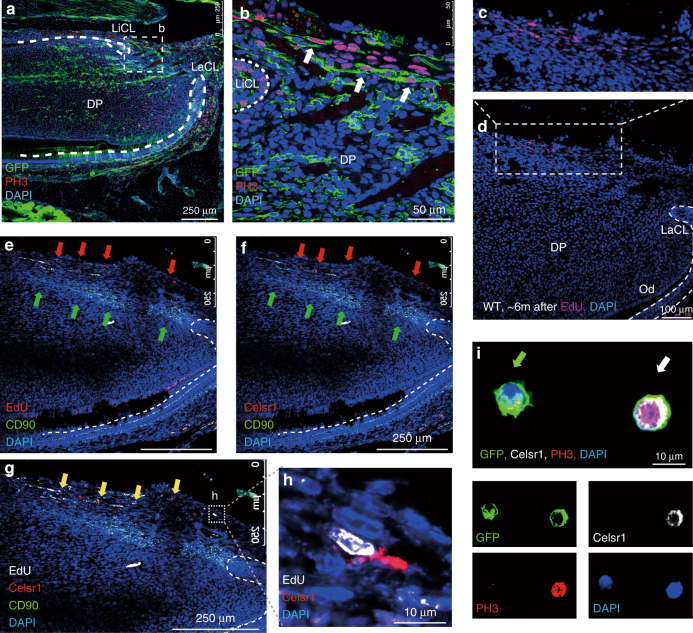
The extent to which heterogeneity within mesenchymal stem cell (MSC) populations is related to function is not understood. Using the archetypal MSC in vitro surface marker, CD90/Thy1, here we show that 30% of the MSCs in the continuously growing mouse incisor express CD90/Thy1 and these cells give rise to 30% of the differentiated cell progeny during postnatal development. In adulthood, when growth rate homeostasis is established, the CD90/Thy1 MSCs decrease dramatically in number. When adult incisors are cut, the growth rate increases to rapidly re-establish tooth length and homeostasis. This accelerated growth rate correlates with the re-appearance of CD90/Thy MSCs and re-establishment of their contribution to cell differentiation. A population of Celsr1 quiescent cells becomes mitotic following clipping and replenishes the CD90/Thy1 population. A sub-population of MSCs thus exists in the mouse incisor, distinguished by expression of CD90/Thy1 that plays a specific role only during periods of increased growth rate.
间充质干细胞(MSC)群体中的异质性与功能的相关程度尚不清楚。利用典型的MSC体外表面标志物CD90/Thy1,我们在此表明,在持续生长的小鼠切牙中,30%的MSC表达CD90/Thy1,并且这些细胞在出生后发育过程中产生30%的分化细胞后代。在成年期,当生长速率稳态建立时,CD90/Thy1 MSC的数量急剧减少。当成年切牙被切断时,生长速率增加以迅速重新建立牙齿长度和稳态。这种加速的生长速率与CD90/Thy MSC的重新出现及其对细胞分化的贡献的重新建立相关。一群Celsr1静止细胞在切断后进入有丝分裂并补充CD90/Thy1群体。因此,在小鼠切牙中存在一个MSC亚群,其特征在于CD90/Thy1的表达,该亚群仅在生长速率增加的时期发挥特定作用。